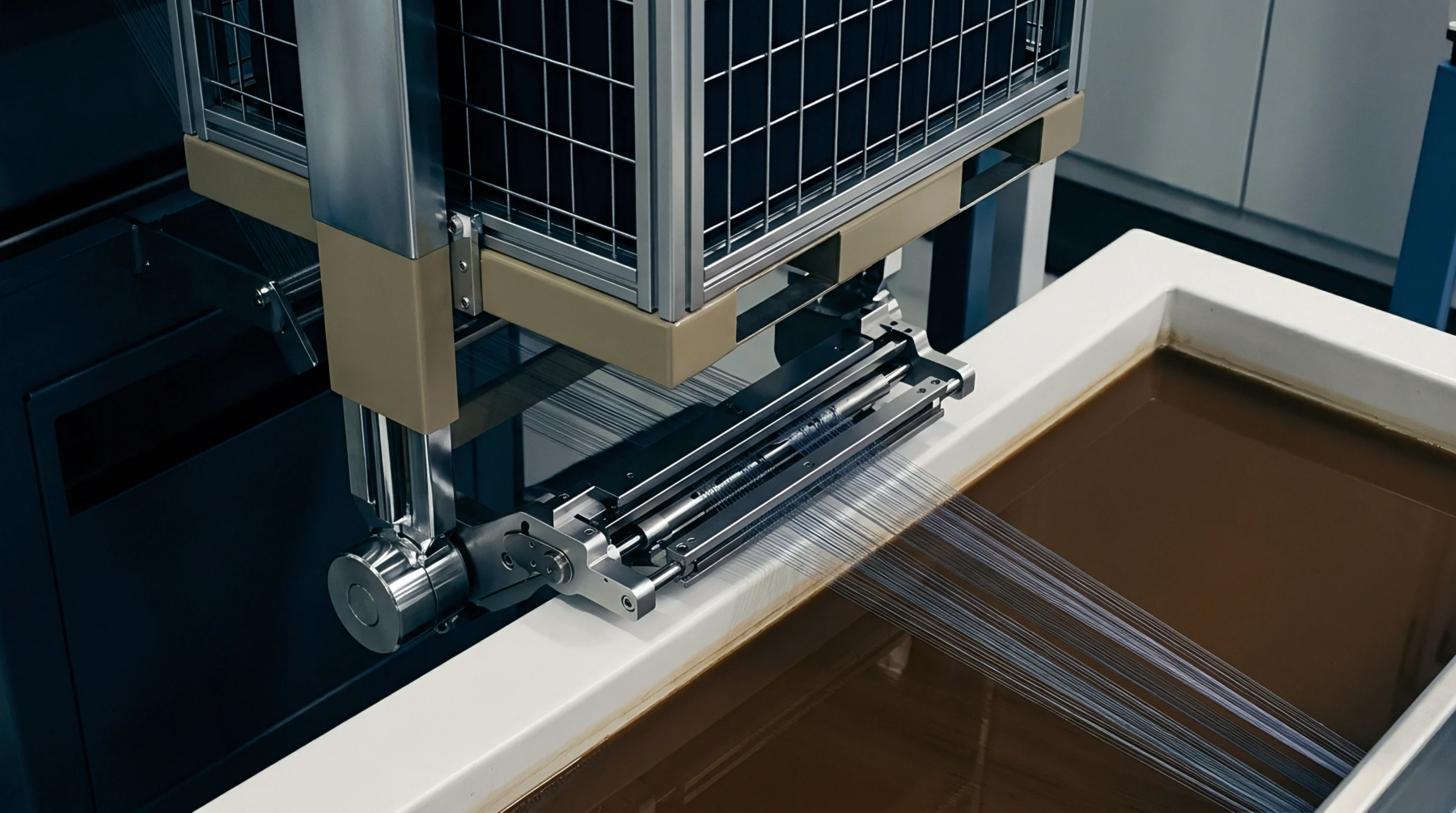
Dyebath Composition
Aqueous dye solutions operating at elevated pH levels facilitate chemical bonding between reactive colorants and cellulosic substrates. An alkaline dye liquor contains dissolved dyestuff, neutral salts, and alkaline agents mixed in precise ratios. High pH activates hydroxyl groups on cotton or linen, generating nucleophilic sites that react with vinyl sulfone or chlorotriazine dye groups.
Maintaining stable bath chemistry ensures uniform dye penetration throughout dense yarn structures.
Hydrolysis Risk
Temperature and pH monitoring control the rate of chemical fixation against undesirable side reactions. High bath alkalinity accelerates dye-fibre reaction speed, but excessive hydroxyl ion concentration converts active dye into unreactive hydrolysed dye. Hydrolyzed molecules cannot bond with cellulose and must be removed through thorough soaping to achieve target washfastness.
Dyebath stability decreases rapidly at temperatures above sixty degrees Celsius when alkalinity remains unbuffered.
Processing Range
Continuous padding systems require lower bath stability margins than long-liquor exhaust dyeing vessels.
Mill Verification
Quality control protocols require continuous pH testing during bulk dyeing cycles. Variations exceeding zero point three pH units alter shade reproducibility between production lots. Standardized testing measures dye liquor samples at specified reference temperatures to prevent thermal voltage shifts on measuring probes.
Purchasing agreements mandate strict bath composition boundaries to prevent batch rejection during final inspection.