Microstructural Pore Collapse Mechanics in Continuous Rayon Filaments
Microstructural pore collapse during rayon filament drying permanently lowers moisture regain, increases yarn density, and shifts color yield in dyed continuous filaments.

Pore
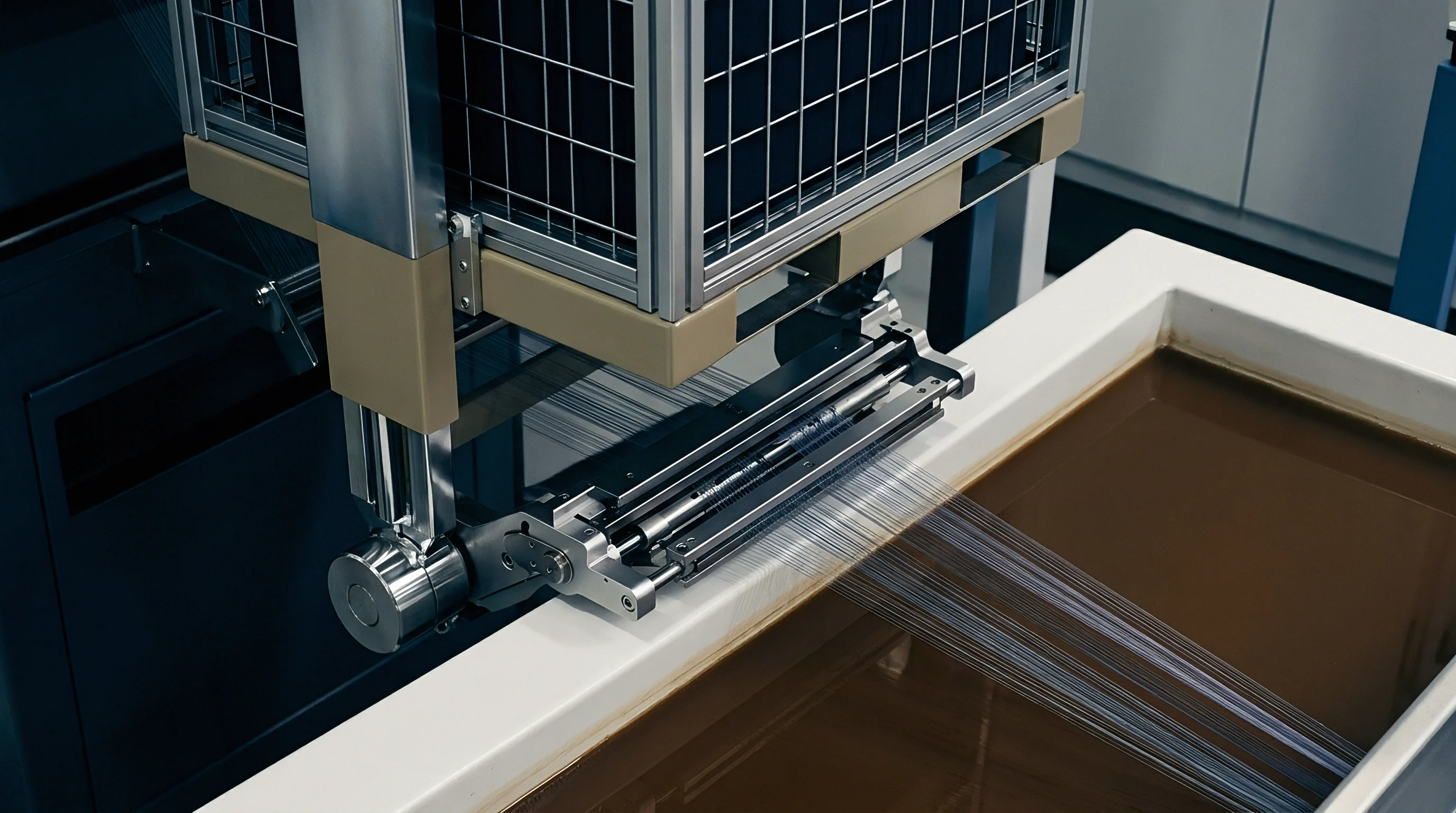
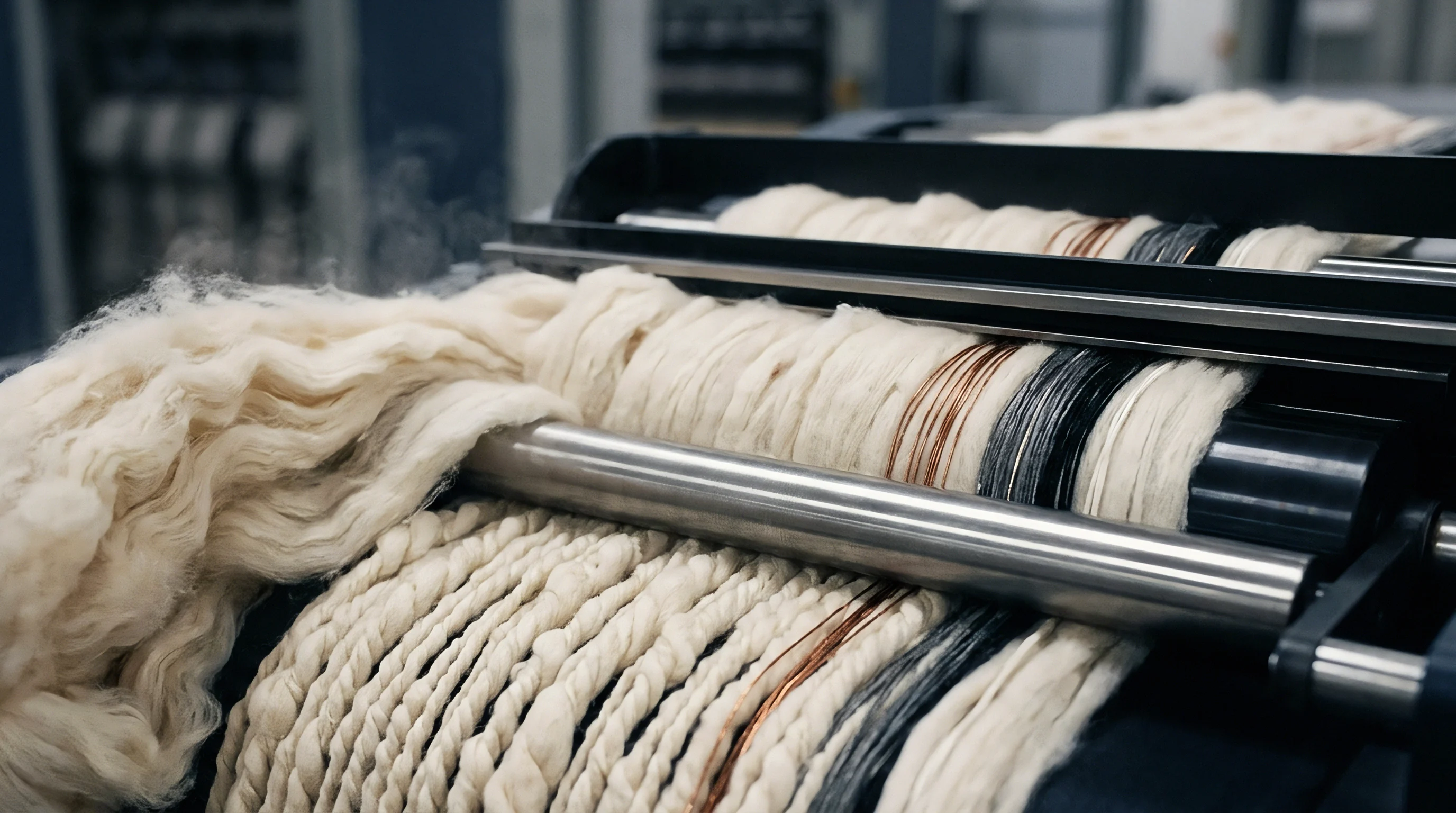
Continuous xanthate rayon filaments exit the acid coagulation bath as highly hydrated cellulose II gel structures holding up to 180 percent water by weight relative to dry polymer mass. In this wet-gel state, sub-micron void networks permeate the cross-section, forming an interconnected system of capillary channels ranging from 2 to 50 nanometres in radius. As solvent evaporates during deswelling, capillary forces generated at the liquid-gas meniscus scale inversely with channel radius according to the Kelvin relation.
Capillary pressures within these nanometer-scale channels frequently exceed 100 megapascals, pulling adjacent cellulosic elementary fibrils into direct contact.
When fibrillar surfaces approach within sub-nanometre distances, inter-chain hydroxyl groups form irreversible inter-fibrillar hydrogen bonds. This lateral aggregation closes off free volume inside the filament interior. Void closure transforms an open capillary gel into a dense, semi-crystalline solid, permanently altering the path through which moisture and dyes penetrate the yarn core.
Coarse fibrillar matrices with high initial crystallinity resist capillary collapse more effectively than amorphous low-tenacity gel structures.
Fibrillar Matrix Geometry in Wet-Gel Regeneration
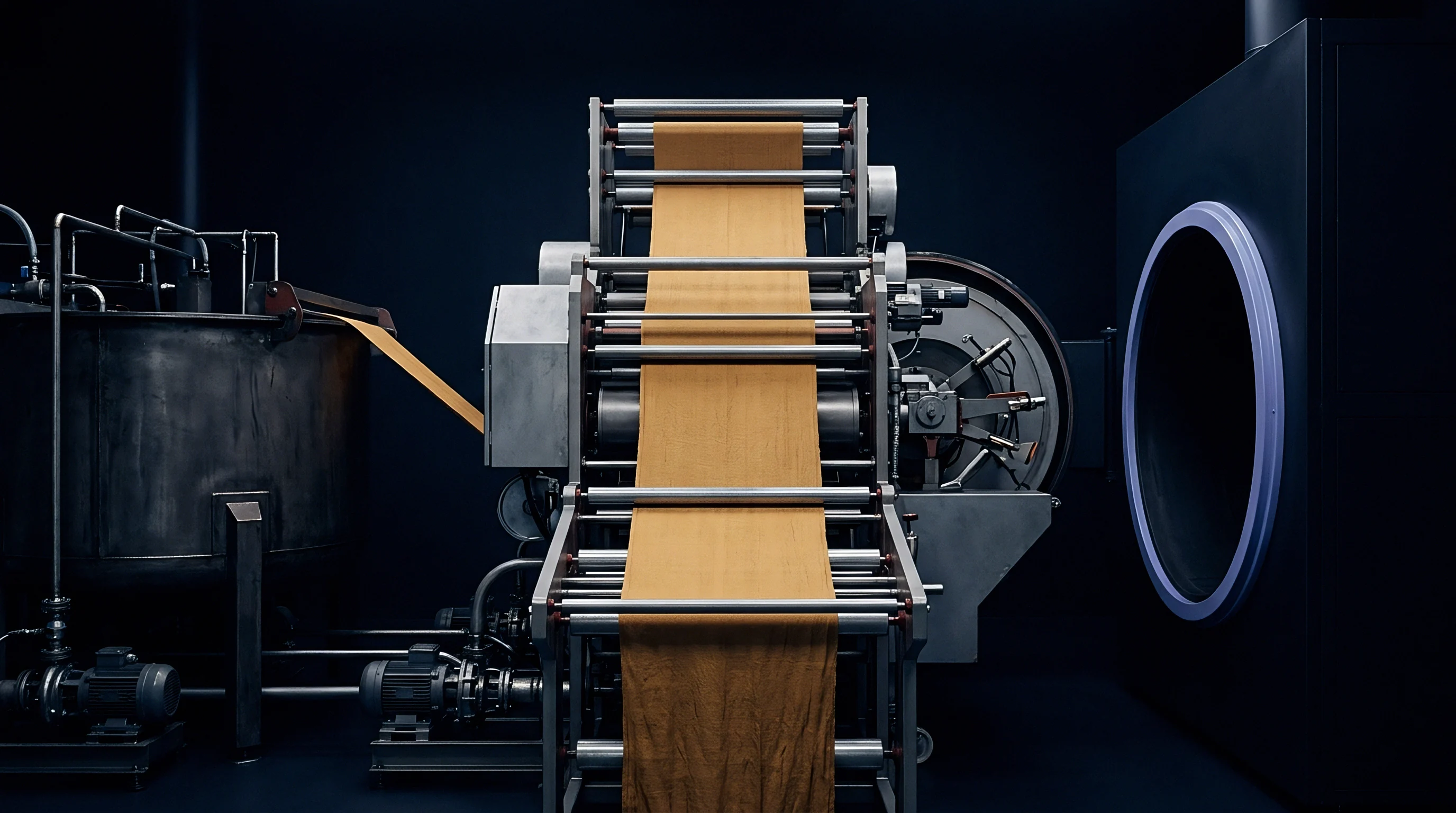
Regeneration conditions in the spin bath set the initial distribution of internal free volume. Sulfuric acid concentration, zinc sulfate bath density, and bath temperature govern the rate of sodium xanthate decomposition relative to cellulose crystallization. High zinc levels promote a zinc xanthate intermediate layer on the filament perimeter, delaying core deswelling and creating an asymmetrical cross-sectional void distribution.
Core-Shell Void Gradients develop when the outer skin undergoes rapid surface coagulation while the core remains a soft, highly hydrated gel. Tensile forces applied during Godet roller drafting stretch these internal cavities along the filament axis, producing elongated elliptical channels rather than isotropic spherical cells.
Structural hysteresis occurs because the cellulosic network lacks the elastic recovery needed to reopen collapsed channels upon re-wetting. Void closure drops total internal surface area from over 250 square metres per gram in the wet-gel state to less than 5 square metres per gram in fully processed, dried continuous filament yarn.

Capillary Pressure Dynamics during Deswelling
Surface tension at the water-air interface drives void compression during industrial processing. As evaporation shrinks liquid volume within a capillary channel, the radius of curvature at the meniscus decreases, spiking internal stress across the surrounding cellulose network. The Laplace equation demonstrates that smaller voids experience exponentially higher compressive stresses than larger structural cavities during the final stages of moisture removal.
- Irreversible Fibrillar Agglomeration occurs when capillary forces pull adjacent amorphous cellulose chains into close alignment, enabling extensive inter-molecular hydrogen bonding that remains stable during subsequent wetting cycles.
- Core-Shell Pore Density Asymmetry manifests when rapid outer skin drying forms a dense barrier layer, trapping internal moisture and creating localized high-pressure vapor zones that alter core void geometry.
- Capillary Cavitation Under Restraint arises when high continuous tow tension prevents radial contraction during liquid evacuation, forcing internal voids to collapse axially into elongated, non-porous micro-fibrillar bundles.
The irreversible reduction of accessible internal hydroxyl sites permanently shifts the equilibrium moisture absorption curve downward across all relative humidity levels.

Drying
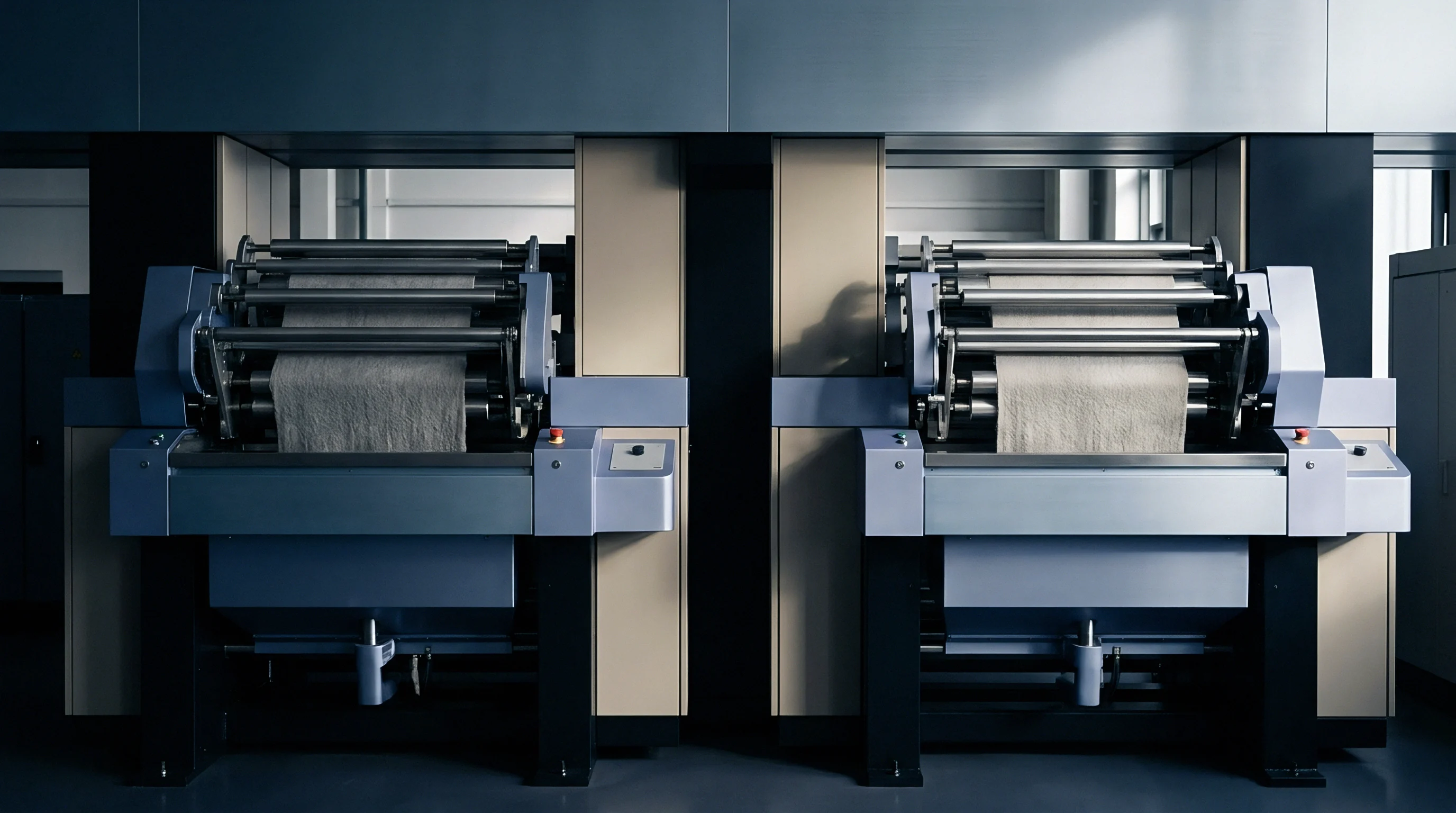
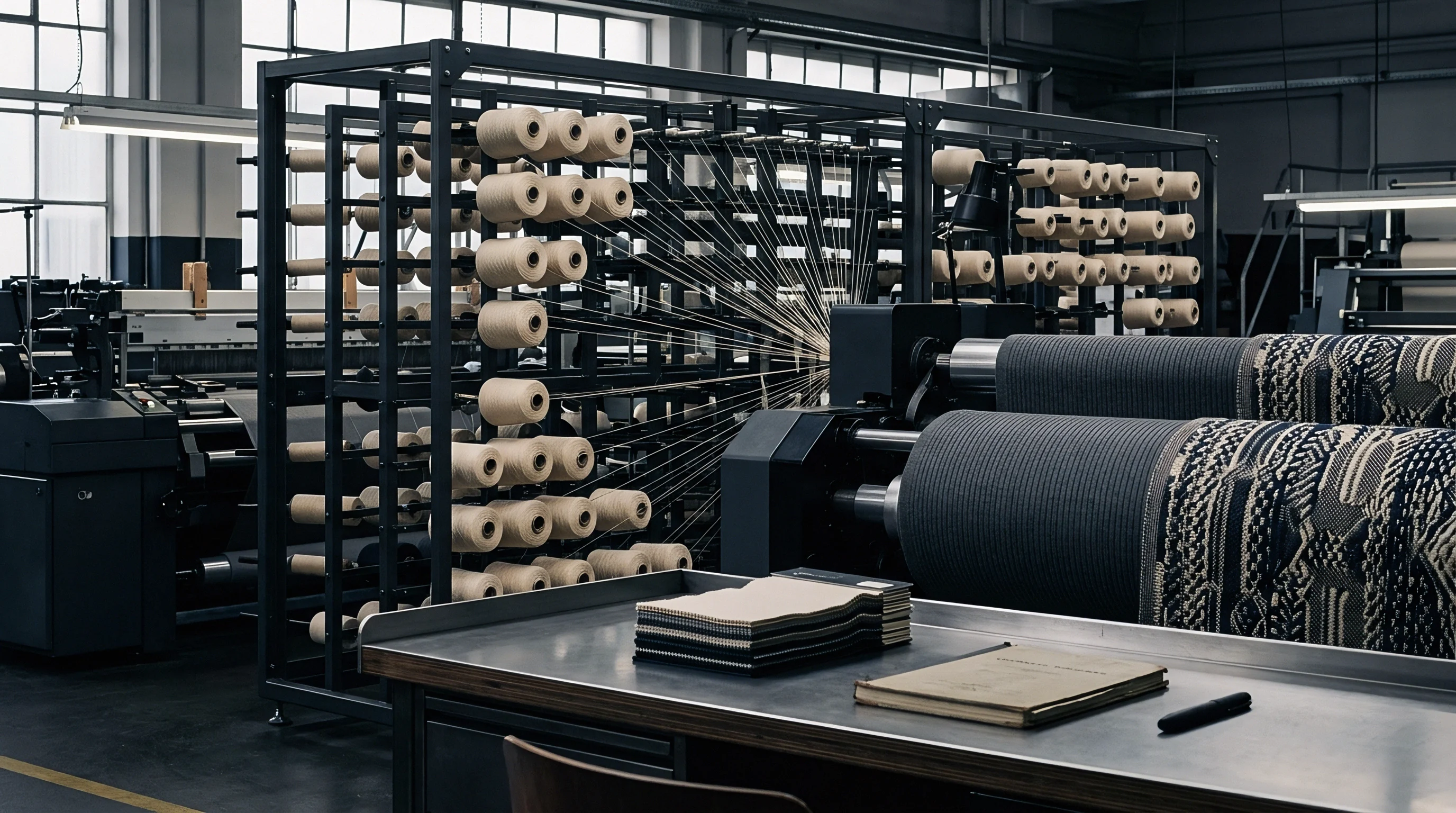
Thermal evaporation profiles on continuous filament spinning lines dictate the boundary between mechanical void retention and complete structural compaction. Evaporation of interstitial water begins in low-temperature pre-drying zones where liquid transport relies on capillary flow toward the filament surface. As moisture content drops below 30 percent, the drying mechanism shifts from liquid movement to vapor diffusion through the narrowing polymer matrix.
The glass transition temperature of plasticized wet cellulose sits near ambient temperatures but shifts upward toward 220 degrees Celsius as water content approaches zero. Thermal energy delivered during the final drying phase accelerates molecular mobility, allowing hydroxyl groups to rearrange and lock into dense crystalline domains before thermal degradation occurs.
Thermal Trajectories across Continuous Filament Towers
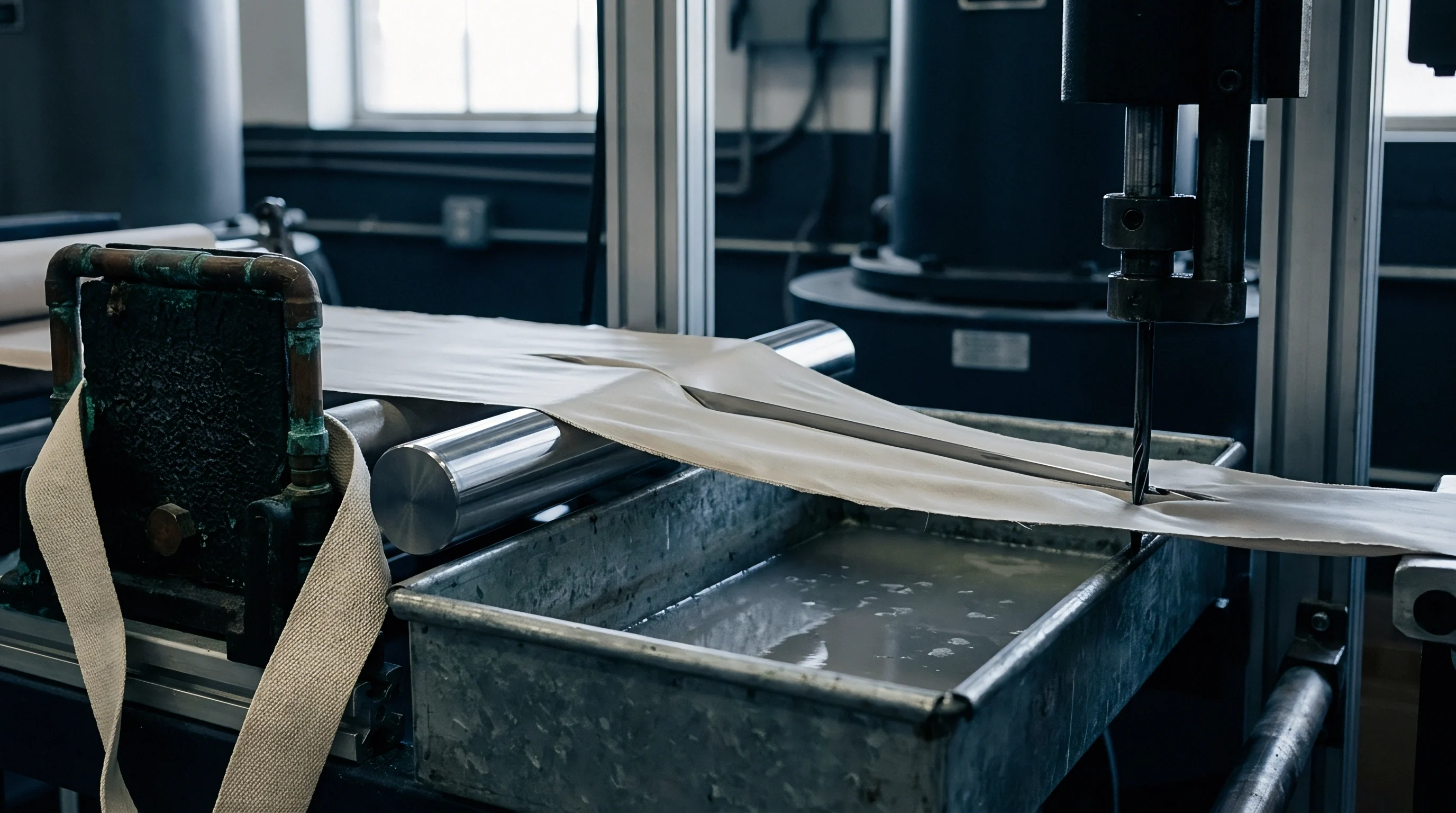
Heated drum configurations and hot-air drying towers impose rapid thermal transients on continuous rayon yarns running at line speeds between 80 and 150 metres per minute. Rapid heating above 120 degrees Celsius while the yarn retains high water content induces sudden vapor expansion, which can rupture thin fibrillar walls separating adjacent microvoids before complete collapse takes place. Controlled multi-stage thermal regimes maintain low evaporation rates in early zones, allowing gradual structural relaxation without severe cross-sectional distortion.
The physical conversion from an expanded gel structure to a compact filament increases bulk density from approximately 1.10 grams per cubic centimetre in the semi-dried state to 1.50 grams per cubic centimetre in the finished yarn.
A multi-stage drying tower operating at 105 degrees Celsius with 12 percent residual moisture yields a filament density of 1.48 grams per cubic centimetre under standard line tensions.

Tensile Drag and Microstructural Void Closure
Mechanical tension applied along the filament axis during drying modifies the physical orientation of collapsing voids. Longitudinal drafting forces microvoids to elongate and narrow radially, accelerating capillary collapse at lower moisture loss thresholds than in unconstrained yarn. High spinning tension aligns amorphous cellulosic chains parallel to the fiber axis, promoting dense lateral packing and restricting residual micropore volume.
| Drying Temperature (°C) | Capillary Radius Range (nm) | Relative Humidity (%) | Pore Collapse Ratio (%) | Tenacity Loss Threshold (cN/tex) |
|---|---|---|---|---|
| 60 | 25 – 50 | 85 | 32.4 | 0.15 |
| 90 | 10 – 25 | 60 | 68.1 | 0.42 |
| 120 | 4 – 10 | 30 | 89.5 | 0.88 |
| 150 | 2 – 4 | 10 | 97.2 | 1.35 |
Maintaining precise control over continuous tow tension prevents structural damage caused by premature compaction during high-temperature thermal drying cycles.
Structural variations in batch dye absorption often stem from uneven drying tower thermal profiles rather than raw pulp viscosity fluctuations.
Spectra
Quantitative verification of microstructural void loss relies on physical gas adsorption techniques and optical absorbance evaluations. Low-temperature nitrogen gas adsorption using the Brunauer-Emmett-Teller method measures specific surface area and pore size distributions in desiccated filament samples. Continuous rayon filaments with severe microstructural collapse display BET specific surface areas under 2.5 square metres per gram.
Mercury intrusion porosimetry provides complementary data for larger micro-voids, mapping pore volume distributions from 3.5 to 10,000 nanometres in radius under elevated pressure.

How Does Pore Collapse Alter Dye Affinity in Continuous Rayon?
Direct dyestuffs and reactive dyes diffuse through liquid-filled capillary pathways within the rayon filament structure during industrial dyeing operations. Microstructural pore collapse reduces the effective pore radius below the hydrodynamic radius of large aggregated dye molecules, restricting dye diffusion into the filament core. Filaments with severe core collapse retain dye predominantly in the outer skin, resulting in lower total dye fixation and lower color strength values at equivalent dye bath concentrations.
Spectrophotometric analysis shows that collapse-induced dye exclusion shifts the shade depth, yielding lower color yield compared to yarns processed under pore-preserving drying profiles.
Standardized spectrophotometric measurements calculate color strength from light reflectance data, directly correlating void closure to reduced optical depth.

Gas Adsorption and Density Metrics
Standardized laboratory verification protocols measure structural void volume and residual moisture sorption capacity against established testing frameworks. ISO 6741 defines the procedure for determining commercial mass and moisture regain in rayon yarns, providing an indirect metric for microstructural void retention. Reduced moisture regain indicates high lateral order and extensive inter-fibrillar hydrogen bonding resulting from total capillary collapse.
- Isolate wet-gel yarn swatches immediately post-spin-bath to prevent unmonitored ambient evaporation during transport to the testing apparatus.
- Freeze-dry the control lot under low vacuum to establish baseline non-collapsed pore volume metrics for the specific cellulose xanthate dope.
- Subject test skeins to standard thermal deswelling profiles across controlled relative humidity intervals.
- Measure nitrogen adsorption isotherms across relative pressures between 0.05 and 0.35 to compute BET surface area parameters.
- Calculate total pore volume from nitrogen uptake at relative pressure 0.99, comparing control values against dried filament readings.
The loss of moisture absorption stems entirely from physical geometry changes rather than chemical modification of the cellulose polymer chains.
Whether inline acoustic velocity testing can reliably distinguish between thermal void collapse and crystalline orientation shifts in continuous spinning lines without offline gas sorption verification remains an open technical question.
Settlement
Microstructural void compaction directly impacts the linear density, commercial weight, and landed value of continuous rayon filament yarn shipments. Filament linear density measured in decitex decreases as voids collapse and the structure shrinks radially into a dense cross-section. Purchasing agreements based on target dtex specifications must account for post-spinning shrinkage to prevent delivery of out-of-spec yarn count lots.
Moisture regain capacity governs commercial mass calculations; a reduction in equilibrium regain from 13.0 percent to 10.5 percent due to extreme drying conditions alters the invoice mass of raw yarn lots delivered under standardized commercial allowances.

Commercial Regain Adjustments and Mass Determination
Fibre weight determinations for international trade follow official moisture allowance standards. ISO 6741 establishes an official commercial moisture regain figure of 13.0 percent for viscose rayon yarn. When severe microstructural pore collapse lowers actual moisture absorption capacity below this benchmark, the yarn arrives at destination underweight relative to its conditioned target, triggering commercial mass adjustments on large commodity shipments.
Sourcing practice requires baseline testing of incoming continuous rayon filament lots to verify actual moisture regain against declared commercial mass values before issuing final commercial settlements.
Commercial invoices for continuous rayon filament yarn under HS 5403 must reflect mass determinations corrected to the standard 13.0 percent commercial moisture regain specified in ISO 6741.
Customs Valuation under Hydrophilic Volume Loss
Tariff classification under the Harmonized System depends on precise fibre composition and continuous filament yarn physical metrics under HS Code 5403. Rayon filaments engineered with specific internal void distributions for specialized technical applications can face customs reclassification if thermal processing inadvertently collapses the void structure prior to export. Customs laboratories audit linear density, cross-sectional geometry, and tenacity to confirm tariff line eligibility.
Discrepancies between declared denier and physical density resulting from uncontrolled microstructural collapse expose importers to misdeclaration penalties and duty re-assessments.
| Regain Deviation (%) | Declared Weight (kg) | Adjusted Commercial Mass (kg) | Duty Impact Rate (USD/kg) | Net Landed Cost Delta (%) |
|---|---|---|---|---|
| -0.5 | 10,000 | 9,955 | 0.45 | -0.45 |
| -1.0 | 10,000 | 9,911 | 0.45 | -0.89 |
| -1.5 | 10,000 | 9,867 | 0.45 | -1.33 |
| -2.5 | 10,000 | 9,779 | 0.45 | -2.21 |
| Calculations assume base duty rate of 4.7 percent under HS 5403.20 on a standard 10 metric tonne filament yarn container lot. | ||||
Contracting yarn specifications without precise microstructural drying limits exposes buyers to significant financial losses from fabric weight deficiencies and uneven dyeing performance downstream.
- Conditioning Standard Mandates require all incoming filament lot mass verifications to undergo 24-hour equilibration at 20 degrees Celsius and 65 percent relative humidity prior to commercial weighing.
- Dtex Linear Density Recalibration obligates the supplier to re-adjust spinning draft ratios if final void collapse alters finished yarn linear density beyond plus or minus 2.5 percent of nominal spec.
- Tariff Headings and Fibre Weight Dominance dictate that miscalculated dry polymer mass from regain shifts can trigger customs reclassification under mixed-fibre blend regulations.
Failure to define maximum thermal collapse thresholds in yarn supply contracts leads to severe dye-lot shade variations, fabric weight non-compliance, and irrecoverable landed cost erosion across garment manufacturing runs.