Structural Composition
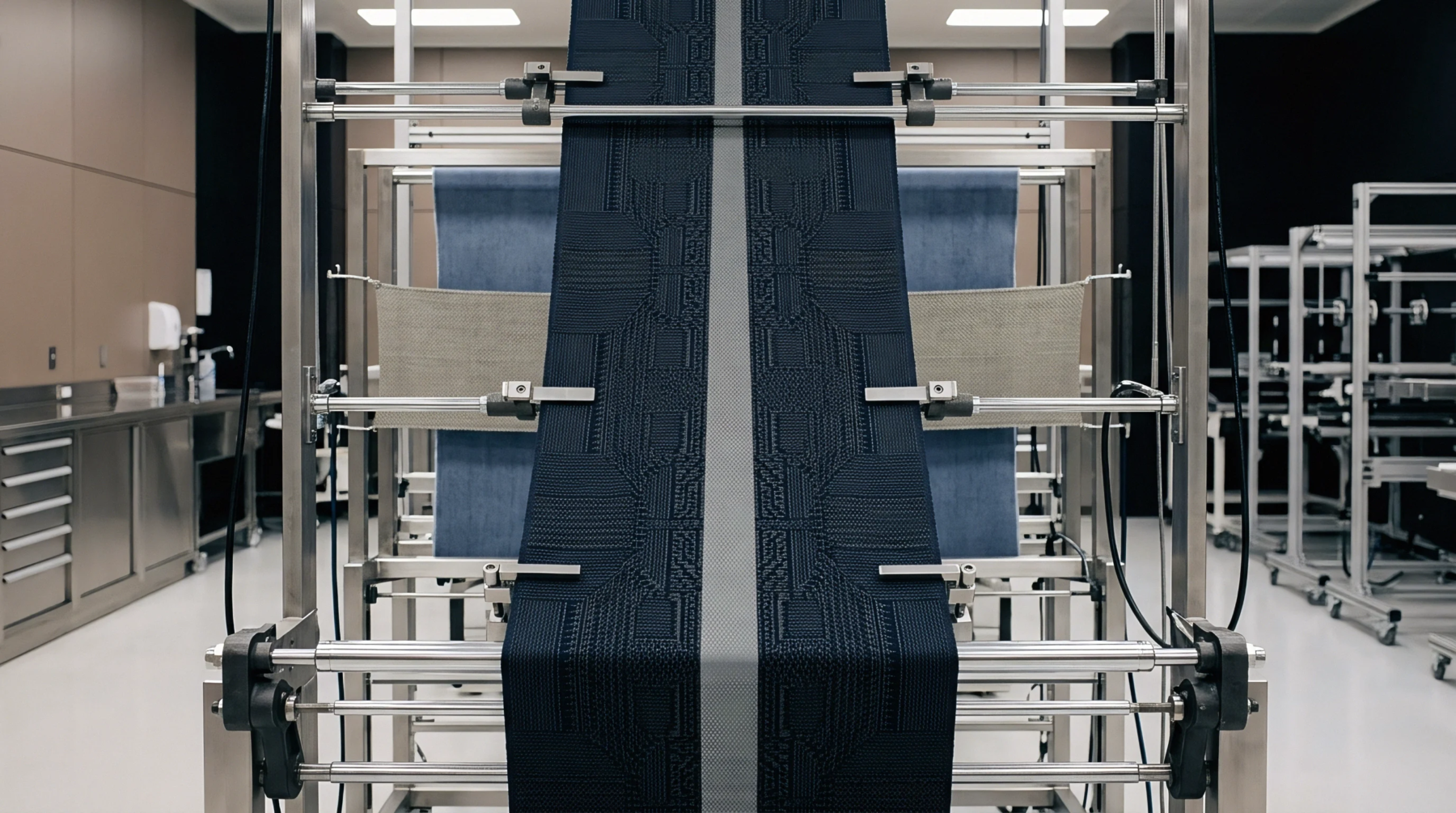
Continuous strands of extruded polymer or silk provide a smooth surface and high tensile strength compared to short staple fibres. A filament yarn consists of one or more long fibres that run the entire length of the package without interruption. Manufacturers use this construction for technical fabrics and smooth linings where high lustre and low linting are required.
Processing Variation
Processing variation introduces crimp and bulk to the straight fibres to improve insulation, softness, elasticity and moisture management properties. When a filament yarn is flat, it produces a sleek fabric with high light reflection and a cool touch. Adding a twist to the bundle increases the cohesion of the individual strands and improves resistance to snagging or filament breakage during high speed weaving.
This modification allows the yarn to mimic the appearance of natural staples while retaining the strength of a continuous synthetic strand.
Mechanical Strength
Load bearing capacity makes this material suitable for industrial applications like parachutes or conveyor belts. A multi filament yarn offers greater flexibility and softness than a single thick monofilament. Torsional stability is critical in weaving to prevent the fabric from skewing during the wash.
Commercial Value
Uniformity of diameter ensures that the resulting fabric has no thick or thin spots. Because filament yarn does not require spinning in the traditional sense, it maintains a cleaner profile than spun cotton or wool. Consistency in the extrusion process dictates the final quality of the textile.