
Solvent Residue Correction Factors in Custom Duty Tariff Classifications
Solvent residue correction factors adjust clean dry fibre mass for non-fibrous loss, ensuring precise commercial weight calculations for tariff classification.

Solvent residue correction factors adjust clean dry fibre mass for non-fibrous loss, ensuring precise commercial weight calculations for tariff classification.

Warp crimp interchange during scouring and stenter stabilization controls fabric dimensional stability, cuttable width, and finished yield per grey lot.
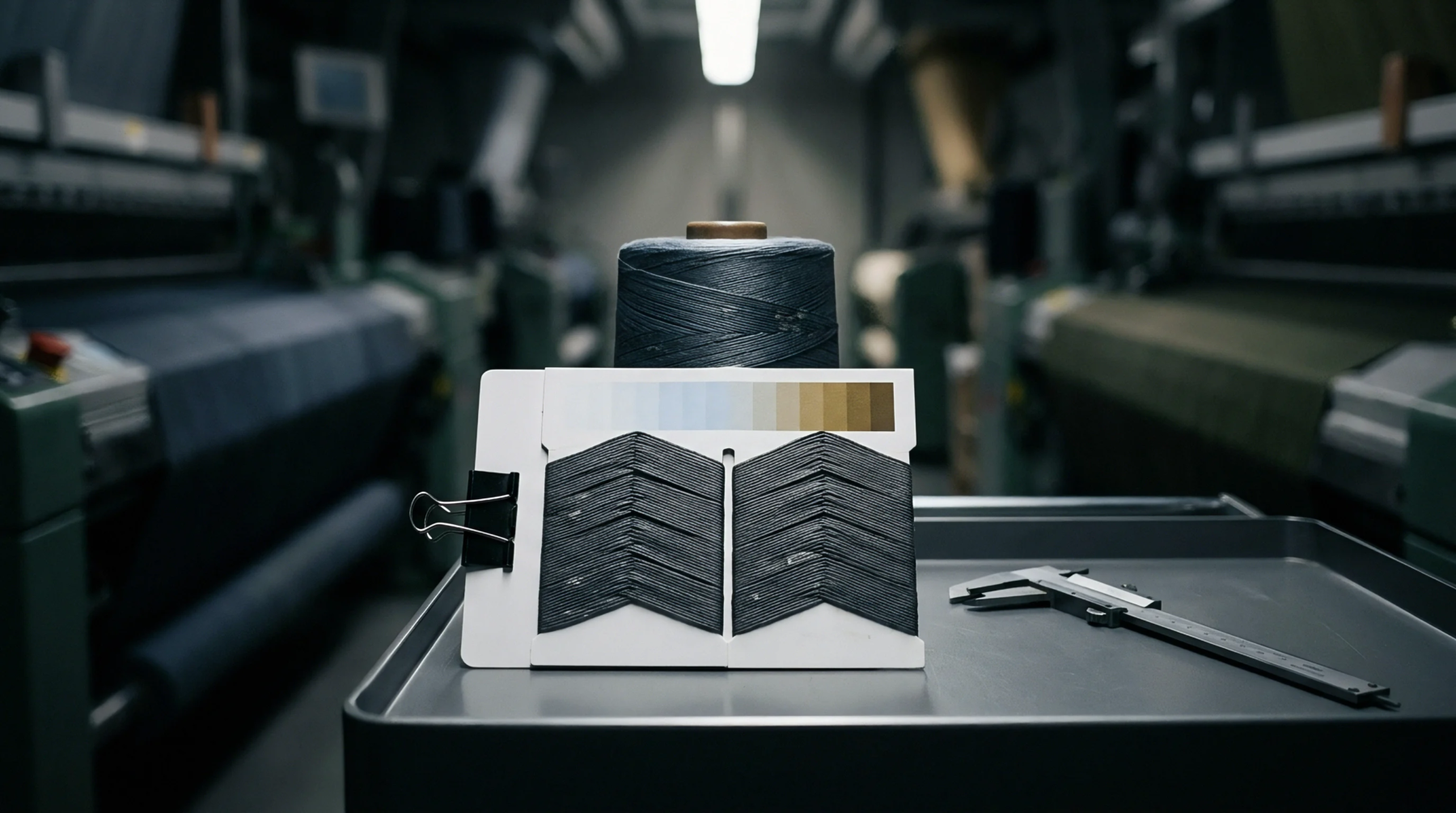
Adjusting oven-dry chemical separation weights with official moisture regain rates converts raw laboratory figures into commercially accurate blend declarations.

Adaptive spatial masking eliminates water spectral interference, preventing false fiber ejections while detecting synthetic contaminants down to two millimeters.
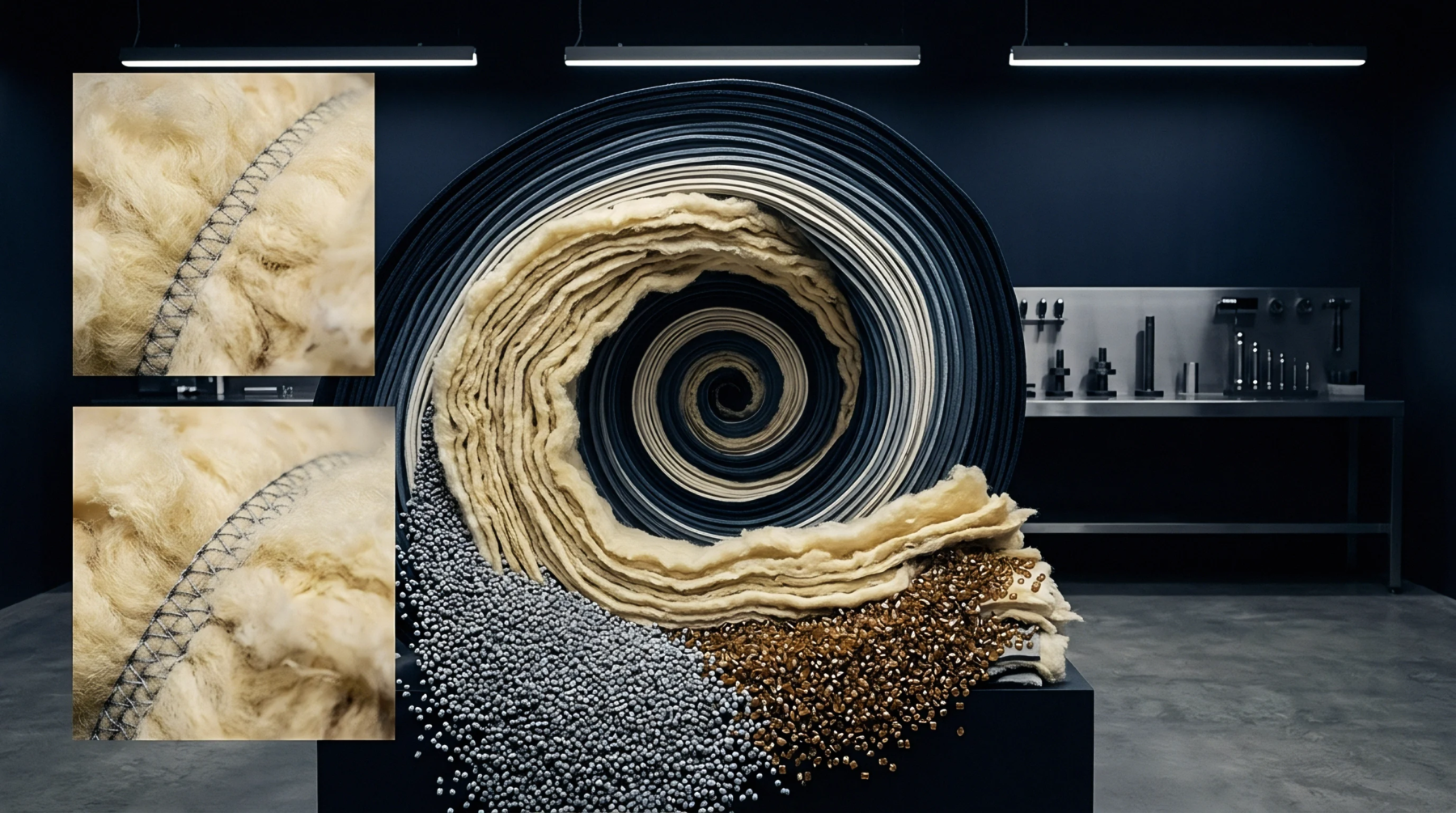
Stable isotope ratio baselines differentiate post-consumer recycled PET from virgin synthetic fiber by measuring carbon and hydrogen fractionations.

Real-time multispectral drift correction maintains foreign fiber rejection thresholds in cotton cleaning by decoupling emitter thermal decay from optical window dust accretion.

Spatial noise threshold calibration in blowroom sorters balances contaminant removal efficiency against good fiber loss to control landed clean cotton costs.

Resolving multiple optical scattering in dense pneumatic tuft streams isolates synthetic polymer fragments while keeping blowroom lint waste under zero point five percent.

Dynamic dual-wavelength baseline calibration separates variable cotton tuft shadow attenuation from foreign matter to prevent blowroom lint loss.

Quantifying residual solvents and isotopic markers in chemically depolymerized nylon requires total polymer matrix dissolution and GC-MS or EA-IRMS testing.

Dynamic threshold logic adjusts optical sorter sensor limits in real time, stopping clean fiber waste while catching polypropylene defects in fast cotton ducts.

Polypropylene seed cotton contamination ranges from under 0.5 mg/kg in machine modules to over 65 mg/kg in hand-picked bales, requiring thermal DSC verification.

Chemical recycling yields virgin-identical synthetics, requiring buyers to verify chain of custody ledgers and contaminant profiles rather than molecular origin.

White speck claims are calculated by multiplying downgraded yardage by the contract price spread and adding garment cutting scrap waste adjustments.

Polarized and short-wave infrared yarn clearers detect white polypropylene splinters down to 0.02 mg in combed cotton yarn, preventing un-dyeable fabric specks.

Multistage thermoelectric cooling and synchronized shutter offsets suppress extended InGaAs leakage noise, securing high-speed fiber blend sorting purity.

Thermoelectric cooling stabilizes InGaAs detector dark current below zero degrees Celsius, preventing thermal drift from blinding high-speed web defect sensors.

Greige reed width design must balance crimp interchange and wet relaxation contraction to ensure target cuttable finished width without excessive stenter draft.

Optimize air-jet weft insertion by balancing skin friction drag, pressure profiles, and yarn braking curves to eliminate elastic recoil defects.

Dynamic loom velocity cycling induces systematic yarn crimp variance that destabilizes finished fabric dimensions unless bound by strict contract tolerances.

Air jet weft tension variations stem from improper nozzle pressure timing and arrival braking, causing wide fabric shade banding and edge defects in bulk.
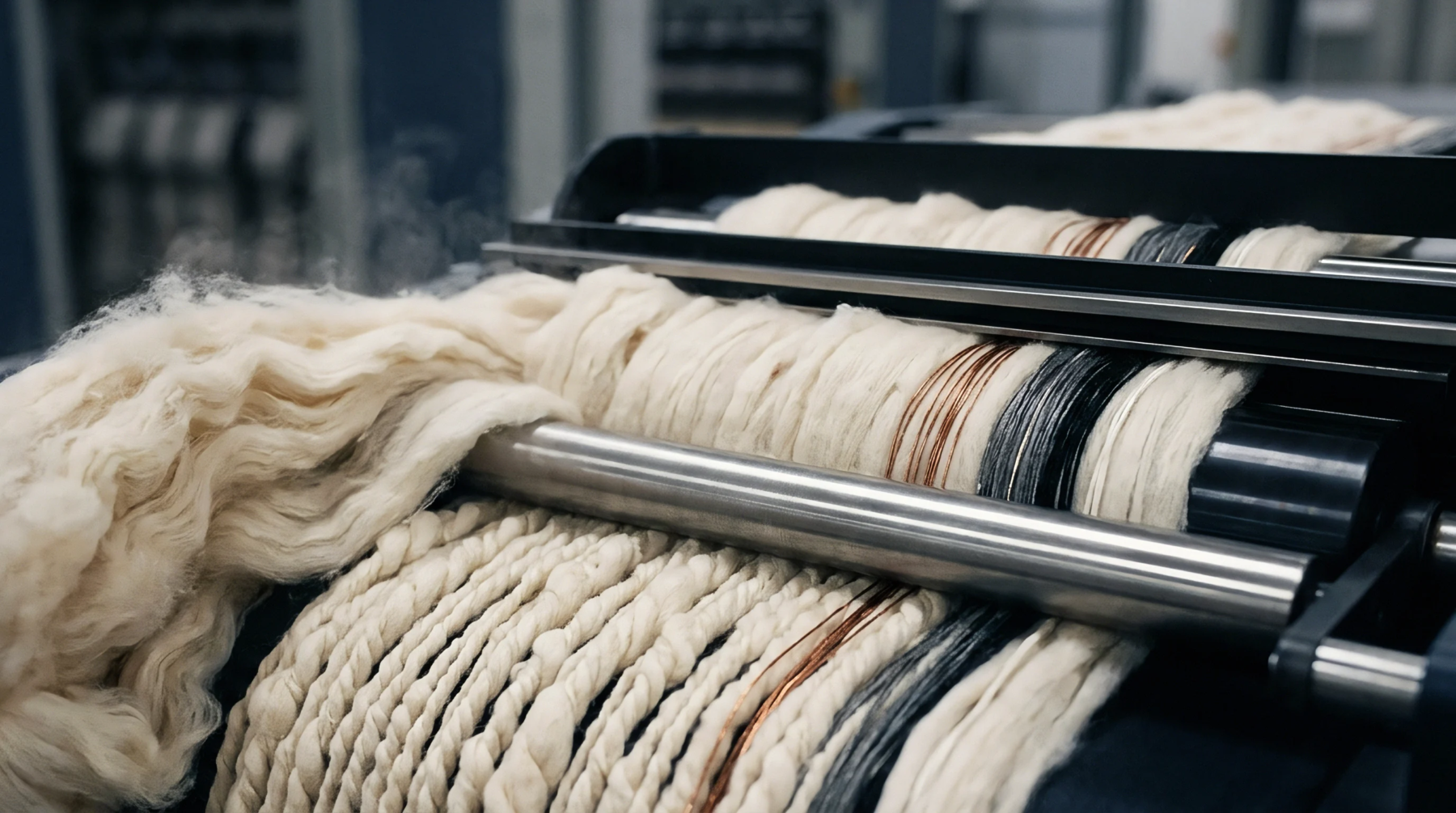
Inline shortwave infrared spectroscopy measures synthetic fiber ratios within zero point five percent accuracy by tracking second overtone molecular bond absorptions.

High warp sett in air jet weaving creates severe beat-up force spikes, requiring asymmetric shed geometry and optimized profile reeds to prevent structural yarn defects.

Downproof taffeta requires reed air space ratios between 48% and 52% with wire thickness above 0.14 mm to prevent beat-up deflection and reed marks.

Primary warp cover factor in filament weaving dictates fluid barrier, air permeability, and landed fabric cost by governing yarn packing, off-loom density, and finish shrinkage.

Spectrophotometric oligomer deductions use dual wavelength baseline correction to isolate true cyclic trimer mass from dissolved solvent impurities.

PET oligomer solvent leaching reduces residue weight by up to 2.5%, distorting blend calculations unless corrected by empirical batch-specific d-values.

Invoicing recycled cellulosic yarn on standard regain values creates mass disputes when transport humidity traps desorption water inside amorphous fiber structures.

Accurate spin finish quantification relies on gravimetric solvent extraction standard ISO 6741 to verify oil pickup levels and settle commercial mass disputes.

Chromatographic analysis isolates residual synthetic lubricants from natural wool grease, preventing downstream dye defects and verifying chemical specs.
Expertise is a utility, not a secret. sentiention™ publishes its working knowledge as open reference: intelligence layer covering the materials it sources, the markets it enters, and the reference that serves both.