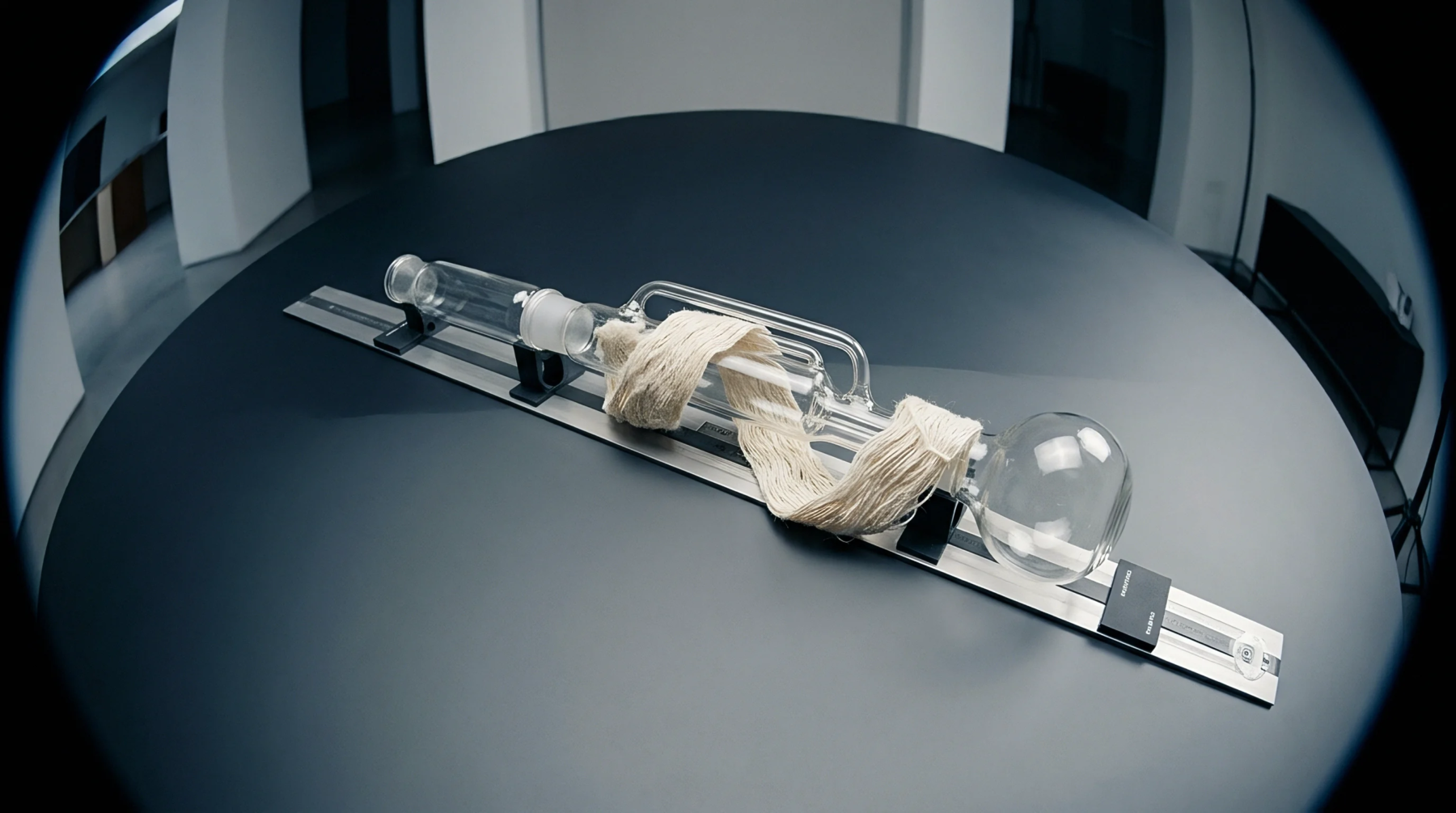
Polymeric Contaminant
Synthetic polyolefin filaments used in packaging materials are recognized as a major source of defects in natural fiber processing. White polypropylene often enters the supply chain when plastic twine or bags are used to secure bales of raw cotton. Because these fibers are similar in color to the natural crop, they often pass through initial inspections unnoticed.
Detection Difficulty
Spinning mills struggle to remove these contaminants using traditional mechanical cleaning methods. Since white polypropylene has a low specific gravity, it resists the centrifugal forces that remove heavier trash like seed coats. Automated optical sorters using ultraviolet light or polarized sensors are required to identify the presence of these filaments.
Dyeing Conflict
Chemical differences between polyolefins and natural fibers result in visual flaws in the finished cloth. White polypropylene remains uncolored by water based dyes because it lacks chemical binding sites.
Mechanical Failure
Foreign fibers interfere with the cohesion of the yarn during the drawing and spinning stages. If a large piece of white polypropylene is incorporated into the thread, it causes a weak point that can lead to yarn breakage during the loom or knitting stage. Consistent bale management and the use of natural jute or cotton packaging are the primary methods for preventing this contamination.