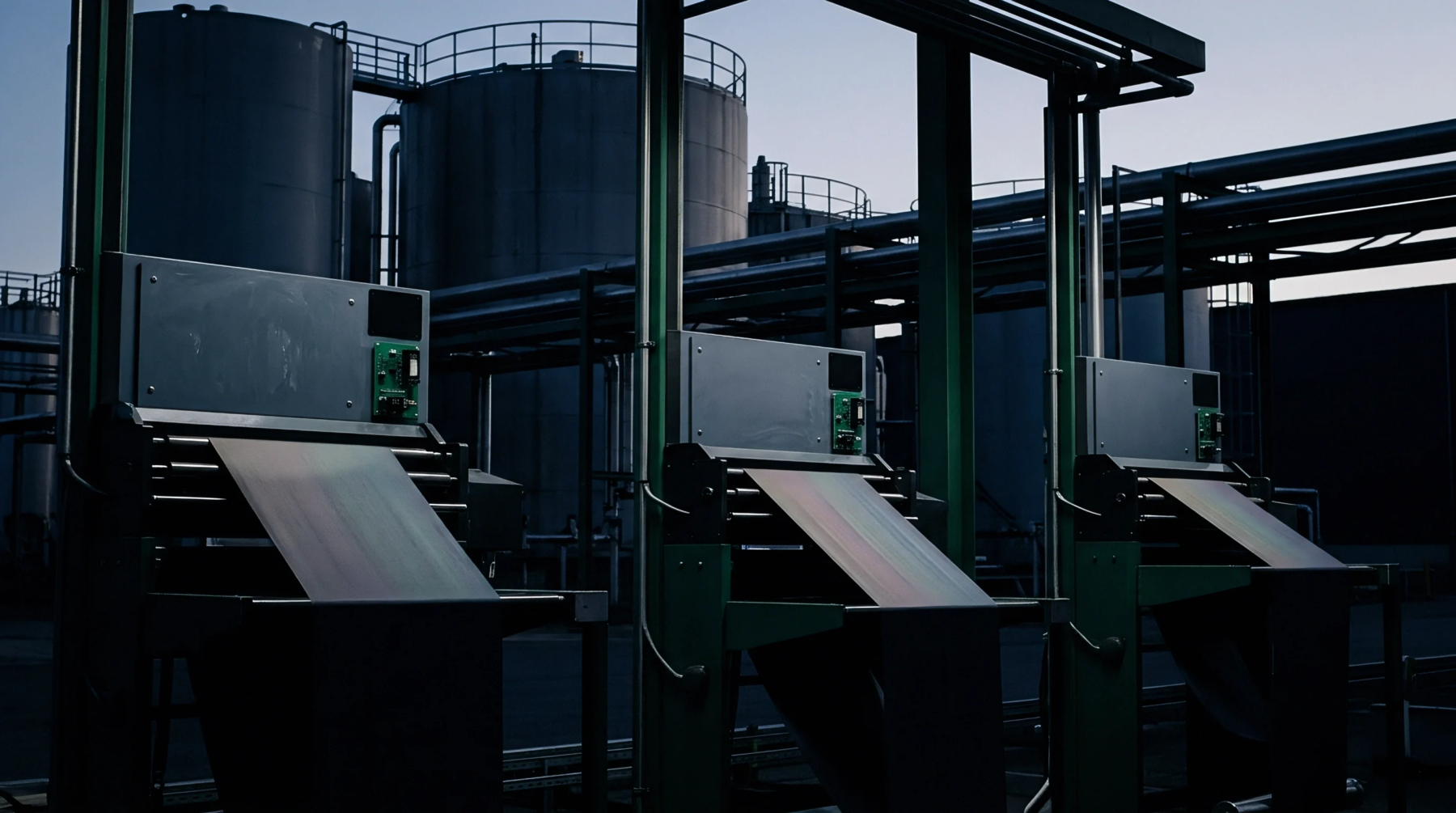
Chamber Atmosphere
Thermal zones inside continuous fabric drying and heat-setting ovens maintain regulated temperature and air velocity levels to stabilize fabric dimensions. Finishing plants monitor the tenter frame environment to ensure uniform resin curing, heat setting and drying across moving fabric webs. Internal air temperature typically ranges from one hundred to two hundred degrees Celsius depending on fibre composition and chemical treatments.
Controlling exhaust air humidity optimizes energy efficiency while preventing moisture buildup inside processing bays.
Thermal Control
Multi-zone temperature regulation prevents thermal gradients across the width and length of moving fabric chains. Sensors within the tenter frame environment adjust gas burner outputs or steam valves to hold air temperature within two degrees of setpoint values. Uniform thermal exposure crystallizes synthetic polymers, locking fabric width and preventing post-wash shrinkage in finished apparel.
Inconsistent oven temperatures create side-to-centre shade variations and uneven dimensional relaxation across processed rolls.
Air Circulation
High-velocity air nozzles direct heated air onto upper and lower fabric surfaces to maximize moisture evaporation rates. Airflow balancing prevents fabric fluttering, maintaining uniform heat transfer without causing selvedge distortion on clip or pin chains.
Dimensional Stability
Precise moisture and temperature management ensures proper cross-wise tensioning and lengthwise overfeed during fabric setting. Deviations in tenter frame environment parameters cause residual shrinkage failures, skewing and shade changes in finished cotton and synthetic fabrics. Quality specifications require continuous environmental logging to certify heat-setting conditions for technical textile orders.