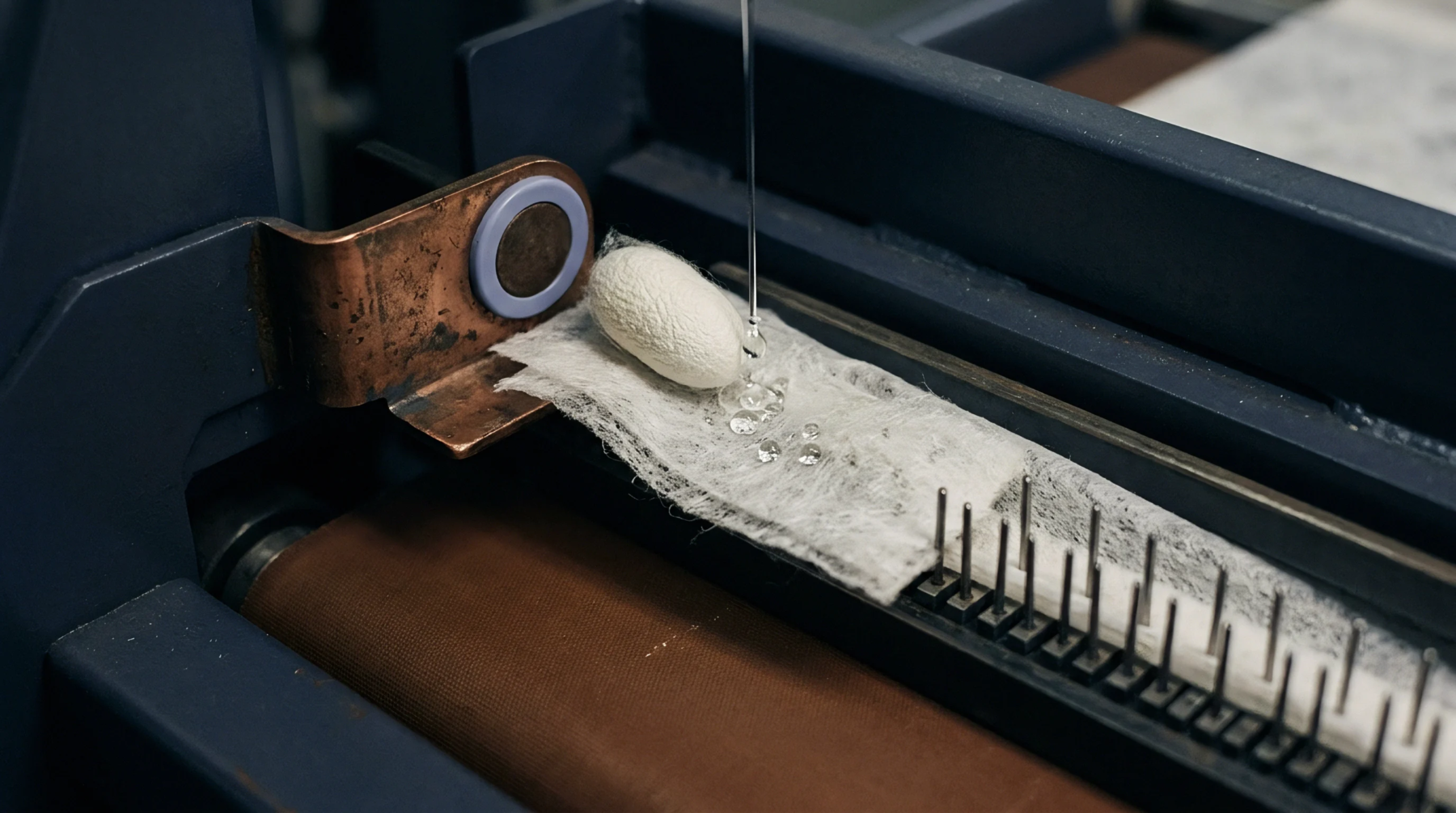
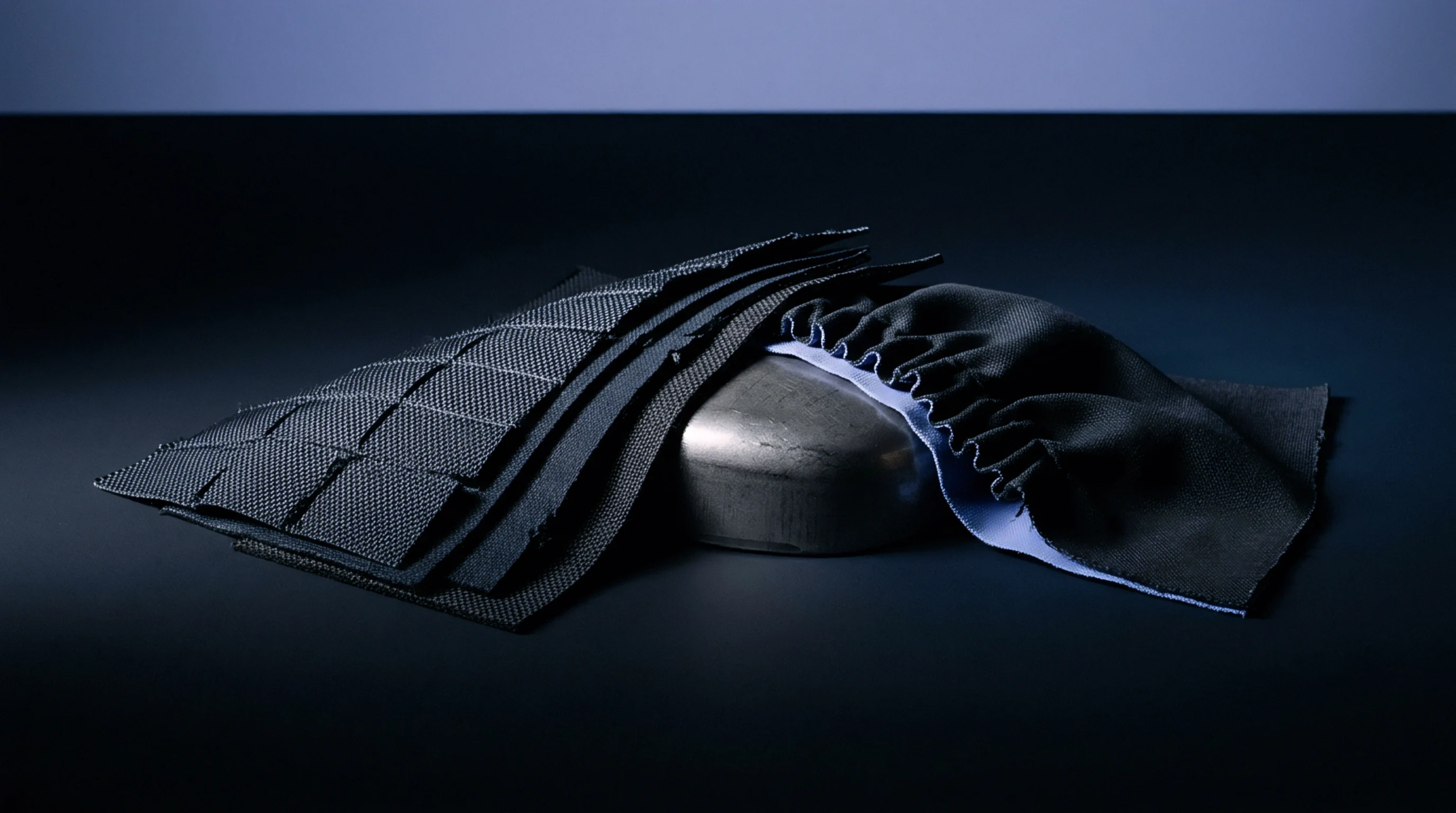
Cellular Modification
Caustic soda treatment alters the cross-sectional shape of cellulose fibres to increase their affinity for dyestuffs and tensile strength. Mercerized cotton undergoes this chemical process while under tension to force the fibre structure from a collapsed kidney shape into a rounded form. This physical change improves the reflective index of the yarn surface and allows for deeper shade penetration during industrial dyeing operations.
Reaction Mechanism
Alkali exposure causes the flat ribbon of the fibre to swell and untwist. Caustic soda at a concentration of approximately twenty percent by weight forces the internal hydrogen bonds to break and reform into a more stable state. Control of the temperature remains vital to avoid damaging the crystalline regions of the cellulose chains.
Precise regulation of the wash cycles following the alkali soak stops the reaction before degradation occurs.
Performance Characteristic
Enhanced moisture regain improves the comfort of garments produced from treated textiles. The permanent swelling of the fibre diameter results in a fabric with higher weight and improved dimensional stability compared to untreated grey goods. Lab technicians verify this process by measuring the Barium Activity Number to quantify the degree of structural modification.
Market Verification
Finished fabric quality depends on the consistency of tension applied throughout the chemical immersion stage. Mills rely on microscopic cross-section analysis to confirm the roundness of the fibres. Proper execution of the treatment ensures the fabric resists pilling and maintains a consistent hand feel across production lots.
This modification remains the primary method for producing a permanent high-lustre finish on cellulosic apparel.