Cashmere Adulteration and the Test Methods That Survive a Dispute
Defending a cashmere claim demands LC-MS/MS proteomic proof tied to core samples that survive ISO 17025 cross-examination across two split lots.
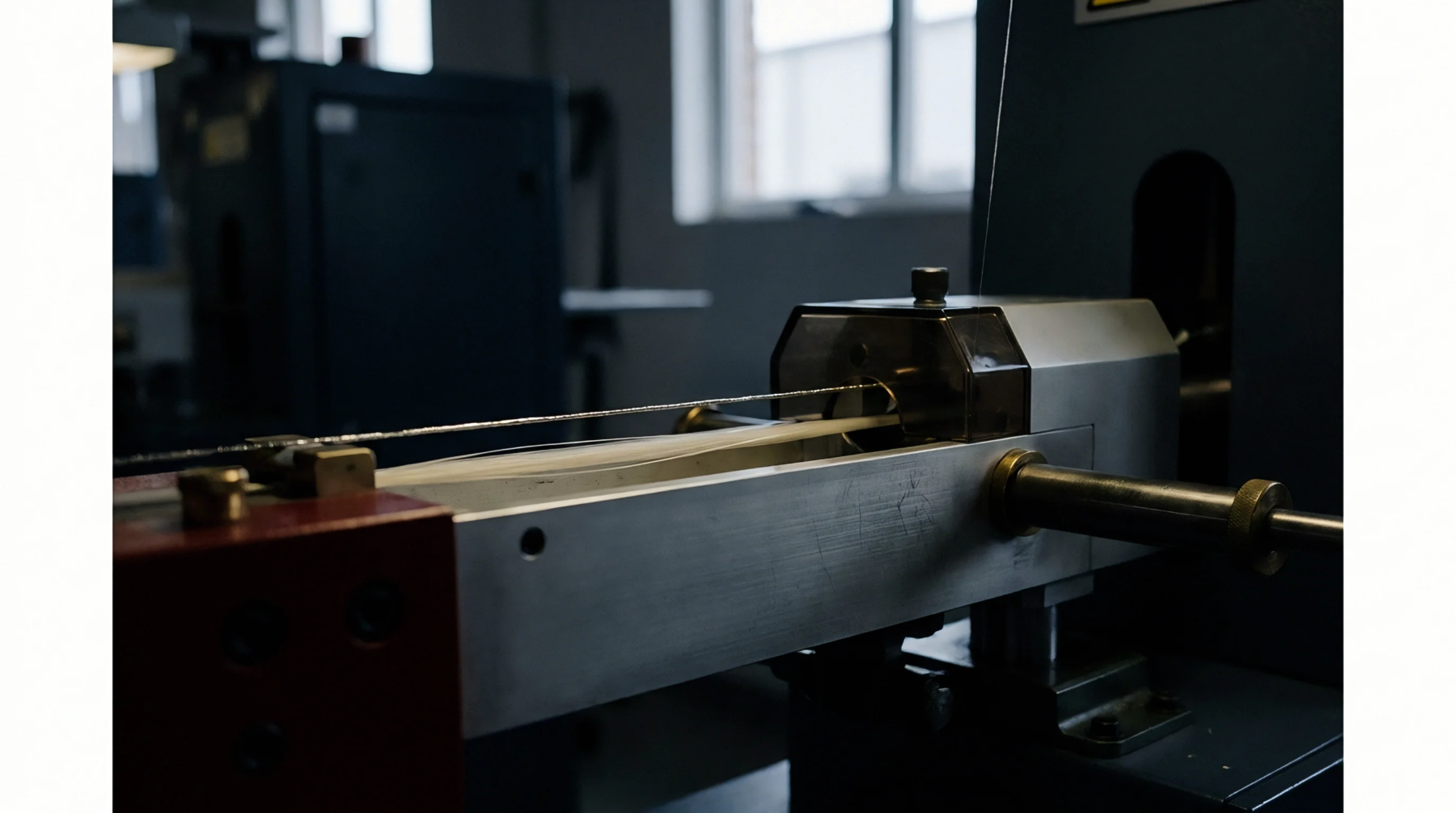
Quality assurance measures govern the repetition of lab testing on textile batches that fail initial criteria to confirm the validity of a negative result before rejecting bulk shipments. A retest protocol initiates when a fibre tensile strength measurement or a fabric colourfastness value falls outside the predefined acceptance range. Quality control managers execute this procedure to prevent unnecessary loss of inventory due to a single anomalous sensor reading or lab error.
Data integrity depends upon these secondary trials matching the conditions of the original inspection. Each additional round requires strict adherence to sampling patterns and environmental controls to ensure results are comparable. Lab technicians document every variation from the base sample set to isolate whether the failure originated from raw material variability or procedural deviation during the initial assessment.
Personnel monitor the drift in instrument calibration throughout this process to verify that machines provide stable outputs across multiple runs. Results from the secondary trial replace the first only when the divergence qualifies as a statistically significant anomaly rather than an accurate representation of the textile quality.
Standards define the maximum number of attempts allowed for specific fibre properties before the goods undergo reclassification or disposal. This limit prevents manufacturers from chasing desired test outcomes through repetitive trials until the data matches an arbitrary benchmark. A single failure on a physical property like pilling resistance or abrasion cycles rarely warrants a full audit of the mill supply chain if the repeat trial confirms compliance.
Problems arise when the initial failure involves chemical residues or heavy metal concentrations where safety tolerances possess no margin for fluctuation. Technical managers restrict the application of these rules to mechanical attributes because physical properties exhibit higher volatility under varying moisture content or specimen preparation.
Calibration cycles provide the grounding for why the retest protocol operates effectively across diverse finishing facilities. Equipment sensitivity often shifts when humidity levels rise or static electricity builds during dry winter months in spinning mills. Operators reset the test environment and verify the moisture regain percentages before initiating the second trial to ensure the sample acclimates to the same conditions as the previous batch.
Proper sample conditioning eliminates one source of inconsistency between the first failed result and the subsequent success.
Batch uniformity determines if the retest protocol remains applicable or if the entire lot necessitates segregation from the inventory. Fabrics woven from mixed yarn lots often show inconsistent properties across the width, and a small specimen might hide a flaw that affects the entire roll. Inspectors choose new specimens from different sections of the same production unit to capture the spread of quality attributes rather than focusing on the exact spot that triggered the initial alert.
True assessment of material grade occurs when multiple samples confirm the failure across the production run. Consistent results confirm the material is substandard.
Defending a cashmere claim demands LC-MS/MS proteomic proof tied to core samples that survive ISO 17025 cross-examination across two split lots.
Expertise is a utility, not a secret. sentiention™ publishes its working knowledge as open reference: intelligence layer covering the materials it sources, the markets it enters, and the reference that serves both.