Dyeing Component
High-capacity rope dyeing machines rely on mechanical drive wheels to maintain uniform transport speeds for endless fabric strands. Positioned in the upper chamber of atmospheric and high-pressure jet dyeing vessels, the lifter reel pulls fabric ropes out of the bottom dye sump and directs them into the liquid venturi nozzle. This driven circular reel establishes the linear running speed of the entire fabric charge, which typically ranges from 150 to 500 metres per minute.
Surface geometry across the reel barrel incorporates ribbed, fluted, or textured stainless steel profiles to secure positive mechanical traction without scuffing wet textile fibres. Inadequate surface grip leads to slippage, which abrades fabric surfaces and creates visible running marks. Variable speed electric motors control rotational velocity to prevent tension accumulation along delicate fabric constructions.
Mechanical Function
Coordinated drive systems synchronise the rotational speed of the reel with the fluid flow inside the jet nozzle. Fluid pressure inside the nozzle assists the fabric, but primary vertical lift from the basket reservoir depends entirely on the lifter reel. The component elevates saturated fabric ropes, which carry three to four times their dry mass in liquor, without imposing excessive longitudinal elongation on elastane-blended yarns.
Operating Defect
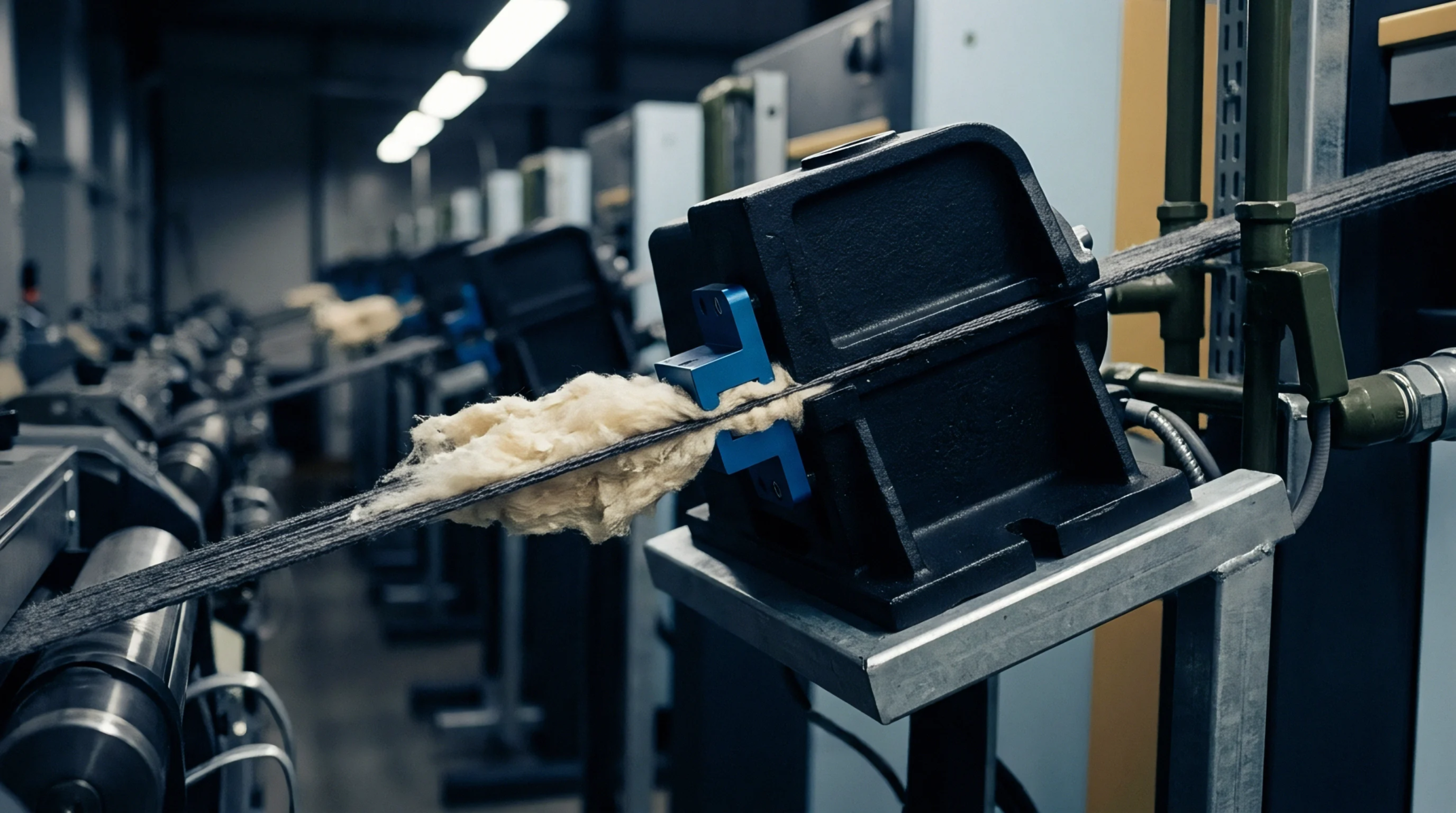
Mismatched peripheral reel speeds create continuous friction between moving fabric ropes and stationary machine walls, generating pilling, rope chafe, and fiber fuzziness. Slippage occurs when reel speed exceeds nozzle throughput, causing the ribbed reel surface to grind across face yarns. Fabric jams within the transport tube stall the rope while the lifter reel spins against trapped cloth, burnishing or melting synthetic fibres within seconds.
Modern machines incorporate electronic motion sensors that immediately stop the lifter reel whenever fabric movement halts.
Production Monitoring
Dyehouse technicians adjust reel parameters based on fabric weight, construction sensitivity, and rope length. Knitted viscose and lightweight polyester fabrics require lower reel speeds and smooth surface profiles to prevent surface hairiness, whereas heavy cotton twills demand aggressively ribbed reels to overcome wet drag forces. Machine maintenance schedules require regular inspection of the lifter reel surface to identify pitting, burrs, or chemical deposits that snag filaments.
Correct lifter reel operation ensures level dye distribution by keeping cycle times uniform across bulk dyeing operations.