Fluid Dynamics
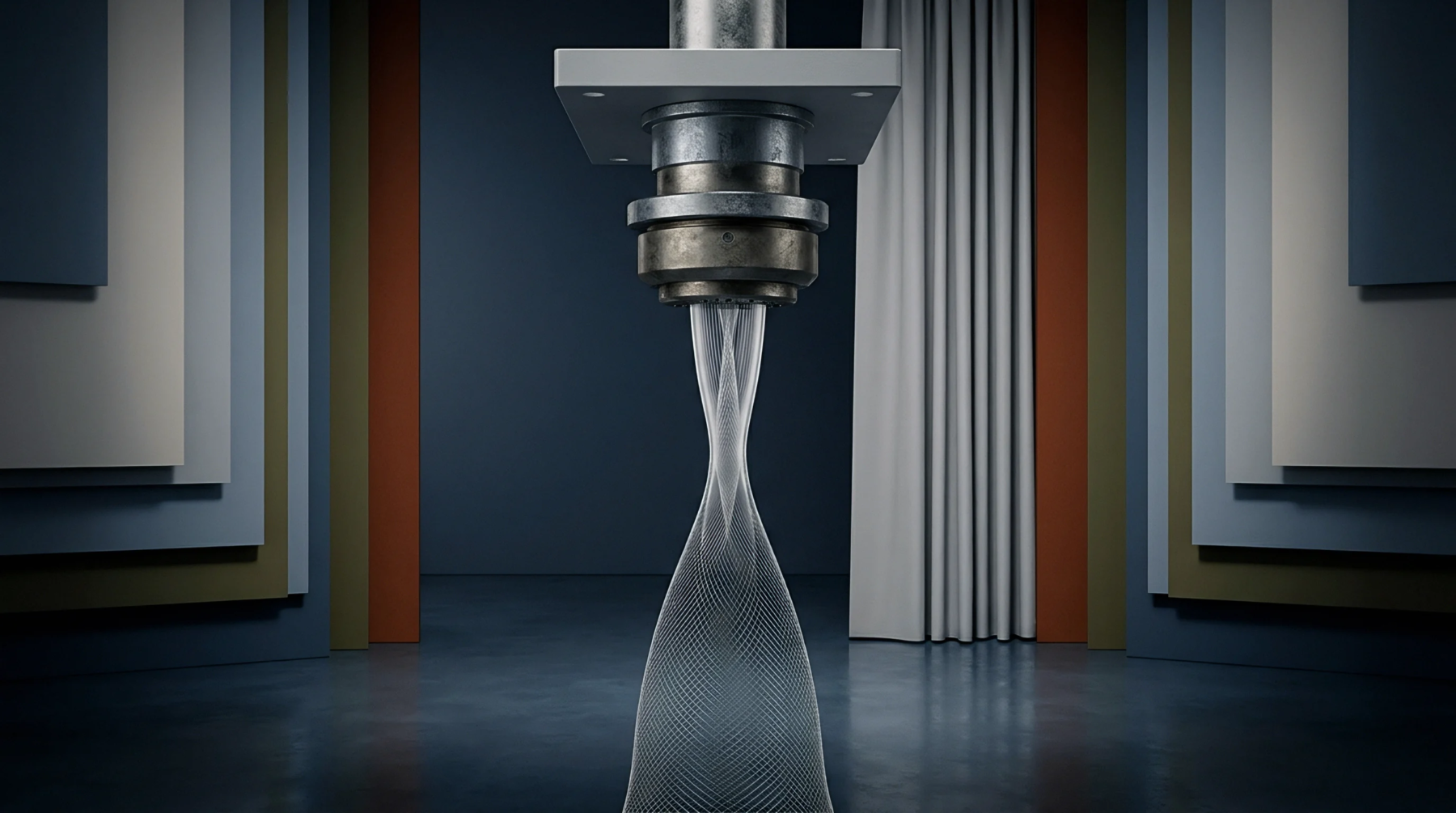
Hydraulic velocity gradients occur within a thin region near the stationary surfaces of pipes or vats during the movement of liquids. This boundary layer fluid shear represents the friction generated when high viscosity coating liquids or dye baths move across rigid containment walls. The phenomenon acts as a primary determinant for the thickness of residual layers left on the inner walls of production equipment during cleaning cycles.
Shear Mechanism
Friction forces resist the flow of chemical solutions because molecules directly adjacent to the solid interface remain stationary. Boundary layer fluid shear increases as the rate of flow rises relative to the surface roughness of the internal pipe wall. Small gaps in the texture of stainless steel piping or synthetic processing rollers trap pockets of stagnant fluid that resists displacement by laminar currents.
Higher speeds of liquid travel create a steep velocity gradient between the stationary wall layer and the bulk liquid flow. Precise control of pump pressures during chemical application prevents excessive buildup of residues within these stagnant zones.
Production Verification
Textile finishers calculate the expected velocity profile to optimize the dwell time of treatment agents on fabric substrates. Excessive boundary layer fluid shear leads to uneven uptake of finishing chemicals because the surface of the moving material experiences varying degrees of resistance compared to the center of the web. Modern coating lines monitor the pressure drop across application heads to ensure that the fluid speed remains constant across the entire width of the textile product.
Variations in the distance between the applicator and the fabric surface introduce turbulent flow that complicates the maintenance of uniform coating thickness. Sensor arrays installed at the discharge points of dye machines track these deviations to signal when mechanical adjustments are required to restore laminar conditions.
Operational Consequence
Consistent thickness in chemical finishes depends upon the suppression of erratic flow patterns near the application hardware. Boundary layer fluid shear dictates the minimum speed required to rinse chemical residues from equipment between production batches. Low velocity rinsing leaves behind concentrated contaminants that cross contaminate subsequent production runs if the shear forces are insufficient to scour the boundary zone.
Engineered wall surfaces with ultra low friction characteristics reduce the energy required to achieve a clean surface during the changeover between different chemical formulations. Reliable control of the liquid flow near stationary surfaces stabilizes the final quality of textile products.