Quantifying Spin Finish Thermal Decomposition Products in High Velocity Boundary Layer Friction Zones
Quantifying spin finish decomposition requires isokinetic sheath sampling coupled with dual-solvent extraction to capture both volatile and cross-linked fractions.


Boundary
High-velocity filament drawing subjects thin lubricant films to extreme thermal and shear conditions. As synthetic yarns travel through processing zones at speeds exceeding 1000 metres per minute, moving filaments drag surrounding air along their axes, creating a narrow aerodynamic sheath. Viscous dissipation within the 0.5-to-2.0-micron lubricant layer generates localized heat independent of external heating elements.
Shear rates inside this fluid layer reach values above 106 s-1, forcing liquid spin finish components into elevated thermal states where organic molecules degrade rapidly.
Viscous dissipation drives temperature spikes. Interface kinetic profiles indicate that thermal equilibrium is never established across the fluid layer during the millisecond exposure windows typical of false-twist texturing or hot-drawing. Instead, temperature gradients across the liquid film exceed 100 degrees Celsius per micron.
This thermal steepness drives selective flash-evaporation of volatile finish carriers while accelerating the thermo-oxidative decomposition of primary ester lubricants and ethoxylated surfactant active agents.
| Yarn Speed (m/min) | Layer Thickness (µm) | Shear Rate (s⁻¹) | Film Temperature Rise (°C) | Volatile Loss Rate (%/ms) |
|---|---|---|---|---|
| 600 | 1.8 | 5.5 × 10⁵ | +18 | 0.12 |
| 1000 | 1.2 | 1.4 × 10⁶ | +42 | 0.45 |
| 1500 | 0.8 | 3.1 × 10⁶ | +85 | 1.28 |
| 2000 | 0.5 | 6.7 × 10⁶ | +135 | 3.10 |
Analytical isolation of chemical species formed inside this moving fluid sheath requires decoupling mass loss caused by physical evaporation from chemical breakdown driven by thermo-oxidative scission. Standard static thermogravimetric tests fail to replicate the mass transport kinetic regimes of high-speed yarn paths. The high air exchange rate surrounding the running threadline continuously strips vapor phase decomposition products, shifting chemical reaction equilibria toward accelerated degradation.
Whether shear stress directly lowers the thermal activation energy of ester linkage scission under these boundary conditions remains a contested topic in polymer rheology.

Plate
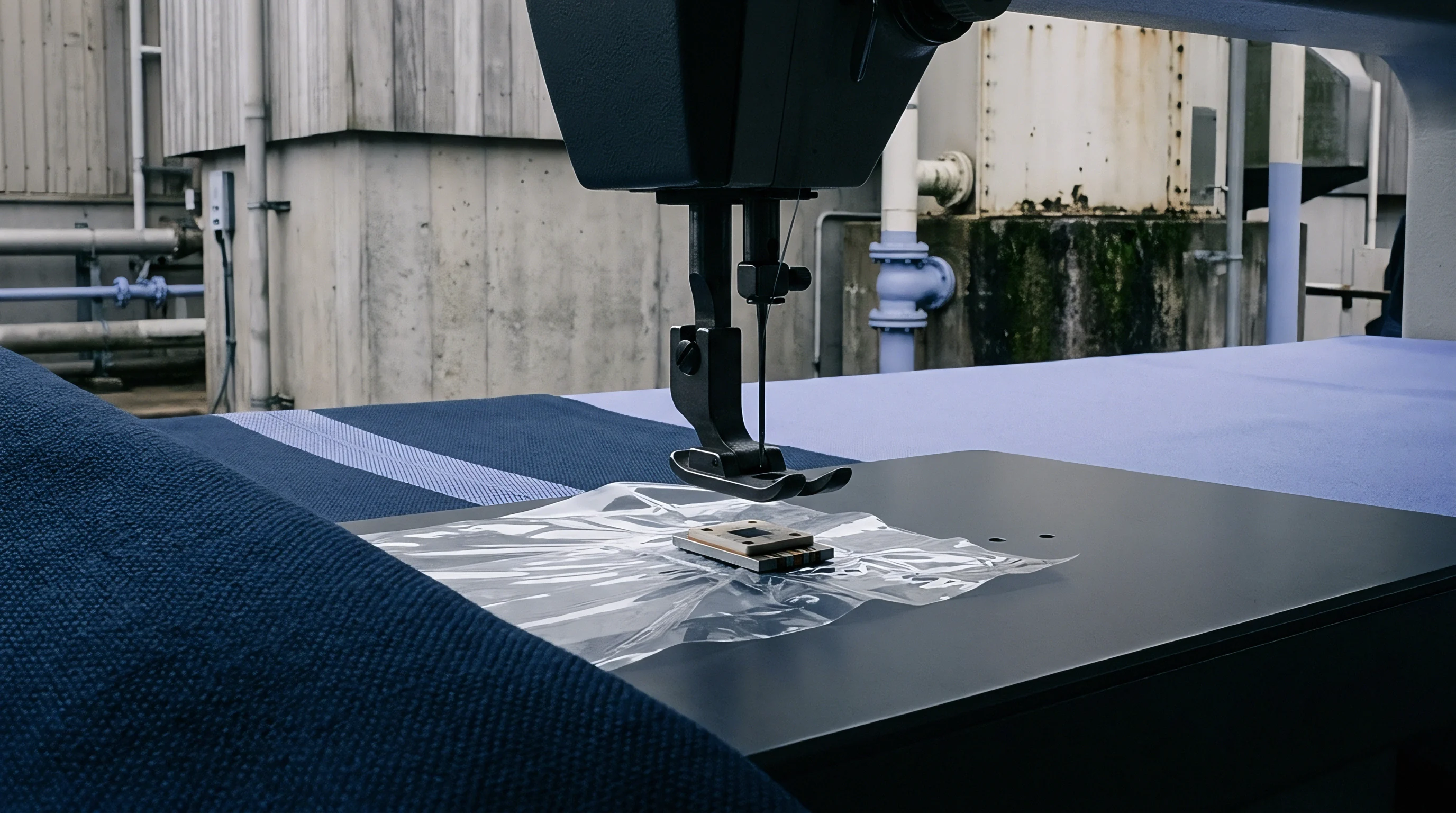
Direct thermal contact between synthetic yarn and solid guide surfaces creates localized hotspots where lubricant breakdown products accumulate. Non-contact tube heaters rely on radiant transfer, but contact plates and ceramic pins apply mechanical force directly to the fluid layer. Ceramic pins accumulate solid deposits.
This physical compression squeezes liquid finish into micro-grooves on ceramic surfaces, exposing thin oil films to sustained plate temperatures between 180 and 240 degrees Celsius.
Frictional Surface Contact Mechanics
Dynamic friction along ceramic or metallic guides varies continuously as finish chemistries undergo thermal transformation. Liquid lubrication gives way to boundary lubrication when heat evaporates low-viscosity ester carriers. Thin films degrade rapidly.
As active lubricant molecules decompose, contact friction coefficients spike from baseline values of 0.12 to levels above 0.35, generating additional mechanical friction heat that accelerates chemical degradation of the remaining formulation.
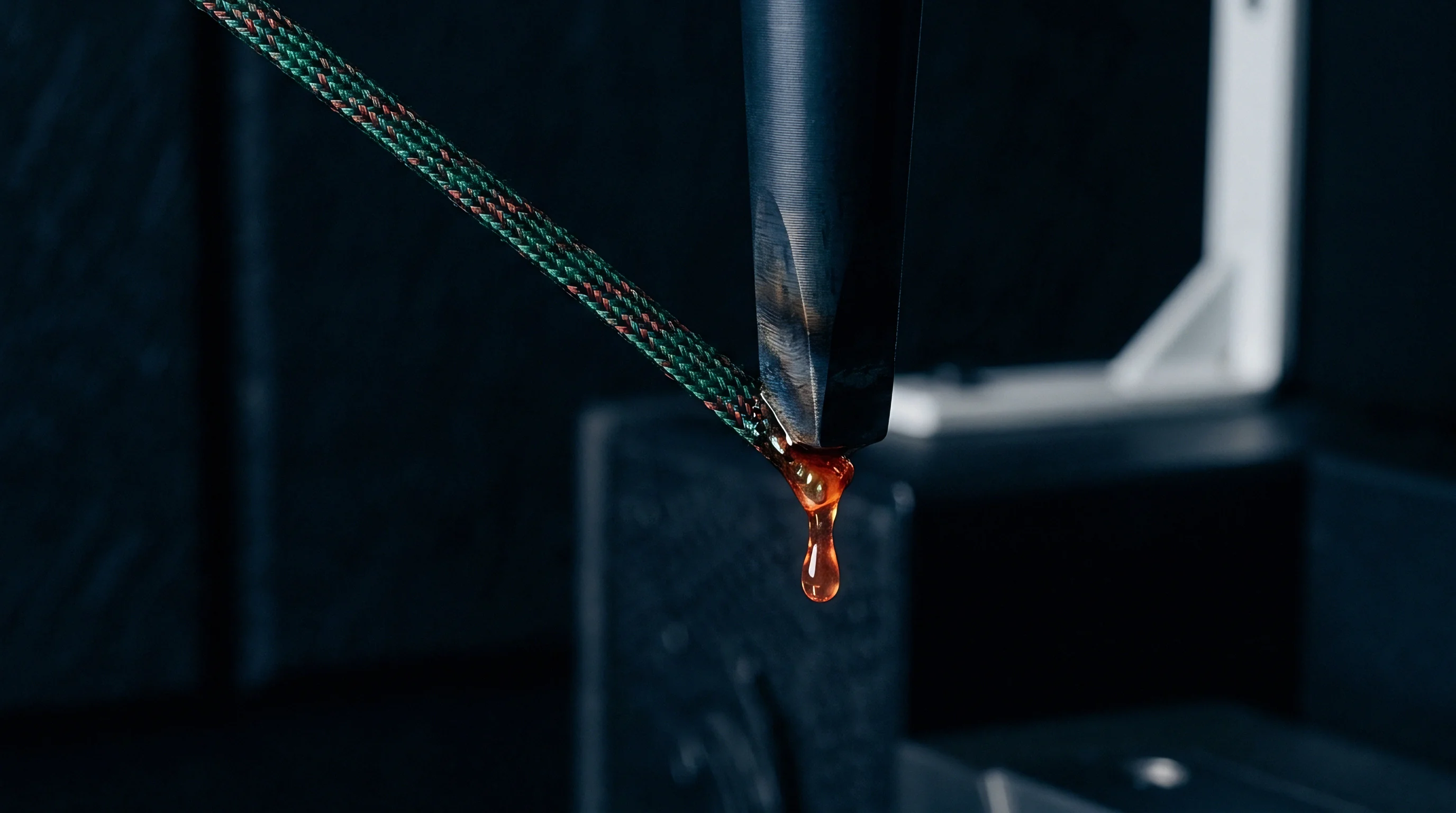
Solid ceramic surfaces accumulate insoluble varnish when fatty acid esters undergo cross-linking at temperatures above 200 degrees Celsius.

Heater Pin Deposit Morphology
Solid residues left on texturing pins and heater plates consist of two distinct fraction classes. Solvent-soluble fractions contain unreacted high-molecular-weight esters, free fatty acids, and condensed ethoxylated surfactant oligomers. Solvent-insoluble fractions contain highly cross-linked polymeric varnish combined with low-molecular-weight polyester oligomers, predominantly cyclic PET trimers, that migrate out of synthetic filaments during heating.
These cyclic trimers co-crystallize with degraded finish residues, forming abrasive crusts that cause filament stripping and yarn breakage.
Clean pins maintain uniform tension. Solid varnish buildup alters threadline dynamics by changing surface contact geometry and increasing dynamic friction spikes. Mill maintenance schedules relying solely on visual pin inspection miss early varnish accumulation, leading to gradual yarn tension drift across multi-end texturing frames.


Pyrolysis
Thermal degradation pathways of synthetic yarn finishes depend on baseline chemical structures. Polyol esters derived from trimethylolpropane or pentaerythritol offer high thermal stability up to 200 degrees Celsius, but undergo radical-mediated cleavage when exposed to prolonged heat and oxygen. Ester bonds split under heat.
Cleavage of ester linkages produces volatile fatty acids, acrolein, and unsaturated hydrocarbon fragments that evolve as airborne fumes or form solid varnish residues on equipment.

Ester Backbone Cleavage Pathways
Thermo-oxidative cleavage of polyol ester lubricants follows a beta-scission mechanism initiated by hydroperoxide formation at alkyl chains. Free radicals attack methylene carbon positions adjacent to ester carbonyl groups, forming short-chain carboxylic acids and volatile aldehydes. These reactions lower total oil mass on yarn while leaving behind polar degradation products that raise finish electrical conductivity and alter dynamic friction characteristics during downstream processing.

Ethoxylated Emulsifier Volatilization
Polyoxyethylene alkyl ether emulsifiers break down through thermal cleavage of ether linkages along the ethylene oxide chain. Oxidation yields polyethylene glycol oligomers, dioxane derivatives, and volatile fatty alcohols. Volatile fumes escape capture hoods.
Ethoxylated compounds exhibit lower thermal decomposition thresholds than primary polyol esters, decomposing at temperatures 30 to 50 degrees Celsius lower than ester lubricant bases. The loss of emulsifying agents reduces finish re-wetting capabilities, complicating post-texturing aqueous scouring operations.

How Do Phosphate Antistats Accelerate Deposition?
Alkyl phosphate ester salts added for static control undergo thermal elimination reactions at elevated temperatures, yielding phosphoric acid species. Free acidic groups catalyze the transesterification and hydrolysis of polyol ester lubricants, creating a cascade reaction that lowers the overall thermal degradation threshold of the finish mixture. Acidic breakdown products react with metallic heater surfaces or ceramic coatings, forming insoluble metal phosphate salts that anchor cross-linked organic varnish to processing hardware.
- Thermo-Oxidative Ester Scission Radical attacks on fatty acid chains yield volatile heptanoic and octanoic acids alongside un-cleaved mono-esters.
- Ethoxylated Chain Fragmentation Thermal breakdown of polyethylene oxide segments generates volatile glycol ethers and condensable dioxane species.
- Phosphate Acid Elimination Pyrolysis of alkyl phosphate antistats releases free phosphoric acid species that accelerate polyol ester hydrolysis.
- Polymeric Cross-Linking Unbonded unsaturated fatty acid fragments polymerize on hot metal surfaces, creating solvent-insoluble carbonaceous varnish deposits.
Finish stability decreases rapidly when acidic antistat decomposition products accumulate in hot boundary friction zones.
Quantifying kinetic rates for these concurrent reactions requires tracking individual species loss rather than measuring raw weight change alone. Kinetic modeling demonstrates that polyol ester scission follows first-order reaction kinetics under continuous airflow, whereas phosphate-catalyzed breakdown follows second-order kinetics dependent on acid product concentration. Processors specifying finish formulations must account for these reaction kinetics when setting processing line speeds and heater temperature profiles, because operating above critical thermal thresholds increases fume generation exponentially.

Aerosol
Capturing volatile and particulate decomposition products from high-velocity yarn boundary layers requires specialized extraction methods. Standard environmental sampling pumps fail to capture boundary layer gases moving at yarn speeds up to 30 metres per second. Volatile fumes escape capture hoods.
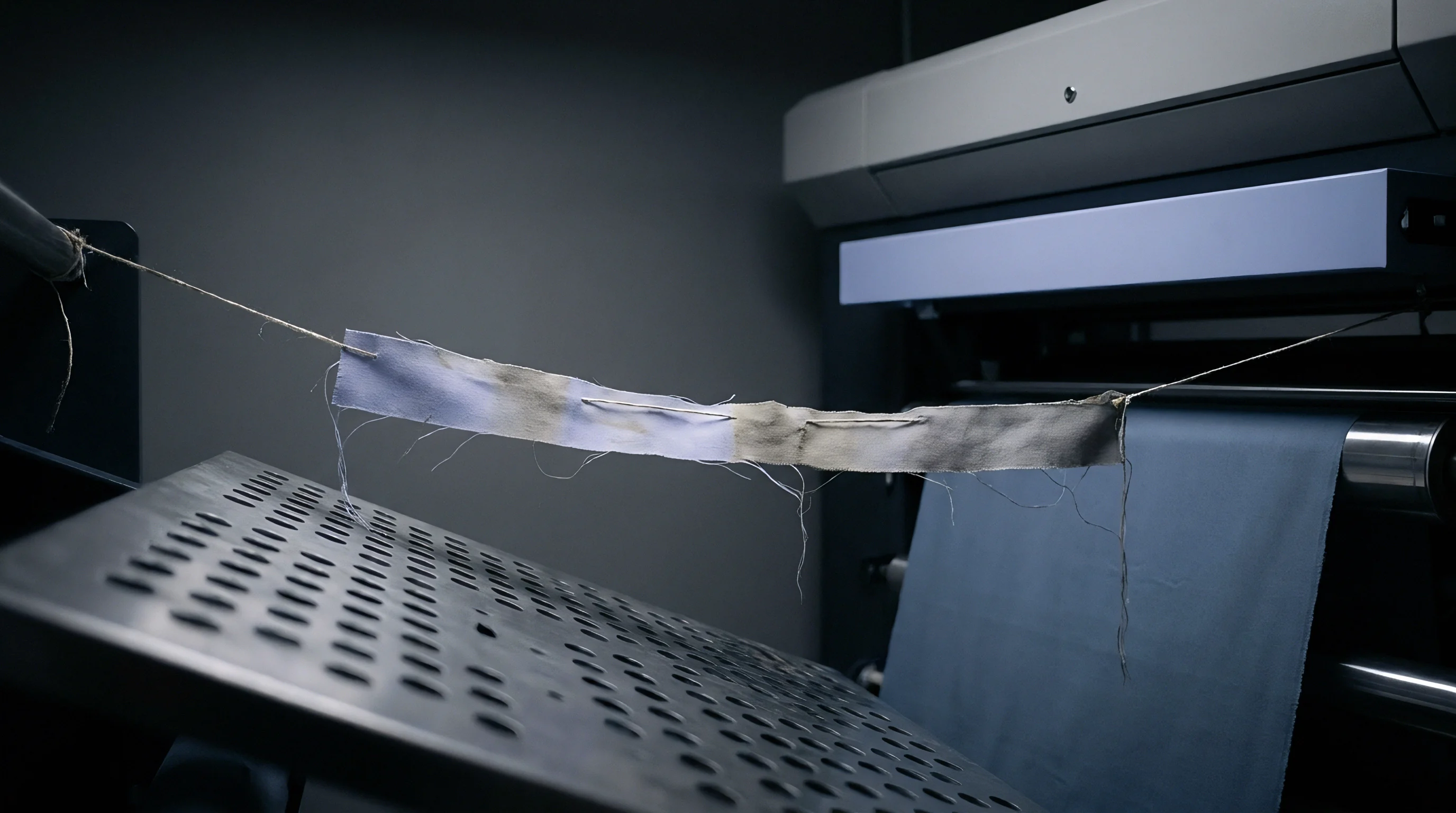
Isokinetic boundary layer sampling probes mounted within 1.0 millimetre of the running threadline extract gaseous sheath air without altering local fluid dynamics or pulling in ambient hall air.
Isokinetic Sampling in Velocity Sheaths
Sampling probes positioned near running filaments match suction velocity directly to yarn boundary layer air velocity. Mismatched sampling speeds introduce aerodynamic distortion, causing either over-representation of heavy aerosol droplets or under-representation of volatile gas species. Extraction systems pass captured air streams immediately through cold traps and quartz fiber filters to separate aerosol droplets from true vapor phase molecules prior to chromatographic analysis.
- Align the micro-slot extraction probe parallel to the running yarn axis inside the heater exhaust boundary region.
- Adjust the vacuum extraction flow rate to match calculated boundary layer air transport velocity precisely.
- Pass extracted gas streams through twin impinger traps immersed in an ice-water bath containing high-purity solvent.
- Collect aerosol particulates down to 0.1 micron using conditioned binder-free glass fiber membrane filters.
- Extract trapped organic species from liquid solvents and filter media for gas chromatography mass spectrometry analysis.
Chromatographic Isolation of Fume Fractions
Gas chromatography coupled with mass spectrometry enables quantitative speciation of evolved decomposition products. Thermogravimetric analysis coupled directly to Fourier-transform infrared spectroscopy provides real-time identification of functional groups escaping the yarn during heating cycles. Liquid chromatography isolates non-volatile high-molecular-weight oligomers and cross-linked residues recovered from cold-trap collectors and filter membranes.
| Target Chemical Fraction | Analytical Method | Collection Medium | Detection Limit (µg/g yarn) | Recovery Efficiency (%) |
|---|---|---|---|---|
| Volatile Fatty Acids (C6-C12) | GC-MS | Isopropanol Impinger | 0.05 | 94.2 ± 1.8 |
| Acrolein and Aldehydes | HPLC-UV (DNPH Deriv.) | DNPH Silica Cartridge | 0.01 | 91.5 ± 2.3 |
| Ethoxylated Glycol Ethers | GC-MS / GC-FID | Quartz Membrane Filter | 0.10 | 96.8 ± 1.2 |
| Polyol Ester Monomers | GC-MS | Solvent Wash Trap | 0.20 | 98.1 ± 0.9 |
| PET Cyclic Oligomers | HPLC-MS | Methylene Chloride Wash | 0.50 | 89.4 ± 3.1 |
Isokinetic extraction probes recover over 95 percent of boundary layer aerosol mass when suction velocity matches threadline speed within a 3 percent error margin.
Chemical suppliers frequently assert that fume emissions from modern finish packages consist almost entirely of non-toxic water vapor and light mineral carrier oils. Chromatographic profiles of exhaust streams prove that ester breakdown yields reactive aldehyde compounds and organic acids at processing temperatures above 210 degrees Celsius. Claiming total finish thermal stability below 230 degrees Celsius ignores the catalytic acceleration caused by yarn contact friction and localized shear heating.
Extraction
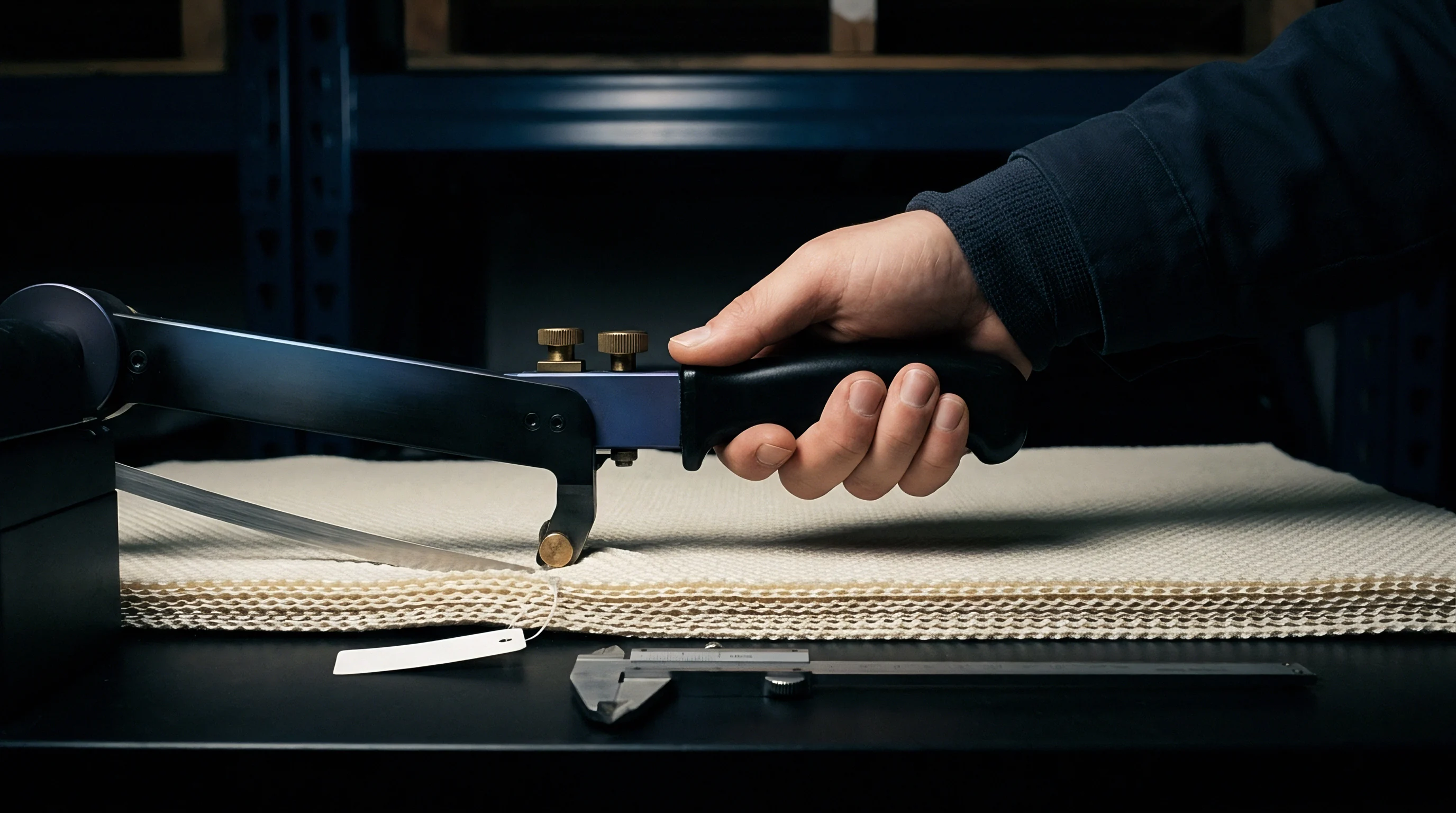
Quantifying total spin finish breakdown requires measuring chemical species remaining on processed yarn, deposits on hardware, and airborne fumes. Solvent extraction isolates residual finish components from yarn packages after high-speed thermal treatment. Solvent purity governs extraction accuracy.
Standard petroleum ether extractions dissolve unreacted oils and fatty esters but fail to recover polar ester scission products or water-soluble antistats, producing artificially low oil pick-up values.

Solvent Matrix Selection for Degraded Residues
Accurate quantification demands dual-solvent extraction protocols. A non-polar solvent, such as n-hexane or petroleum ether, extracts unreacted hydrocarbon and polyol ester fractions. A secondary polar solvent extraction, using analytical grade isopropanol or ethanol, recovers degraded polyoxyethylene emulsifiers, oxidized fatty acid species, and residual antistat salts.
Solvent mixtures combining cyclohexane and isopropanol in an 80:20 volumetric ratio offer a single-pass alternative capable of removing both polar and non-polar finish breakdown products without dissolving the underlying synthetic polymer matrix.
- Solvent Polarity Matching Dual-solvent systems prevent selective exclusion of polar oxidation products during gravimetric finish determination.
- Polymer Substrate Integrity Extraction media must not induce swelling or dissolve low-molecular-weight polyester or nylon polymer fractions.
- Boiling Point Controls Solvent boiling points below 70 degrees Celsius prevent thermal degradation of extracted finish components during solvent evaporation.
- Residue Gravimetric Precision High-precision analytical balances with 0.01 milligram resolution ensure accurate mass determination on small yarn samples.
Mass Balance Arithmetic across Friction Zones
Calculating finish mass loss across a high-speed texturing heater relies on rigorous gravimetric and chromatographic mass balance equations. Take a 10-tonne production lot of 167 dtex textured polyester yarn running at 1000 metres per minute with an initial oil pick-up target of 0.85 percent by weight. Baseline finish application delivers exactly 8.50 kilograms of nominal finish formulation per tonne of raw filament.
Mass balance yields total loss. Solvent extractions performed on yarn collected immediately after the delivery roller yield a residual finish concentration of 0.62 percent by weight, representing 6.20 kilograms of finish per tonne of processed yarn. Total finish mass loss across the friction zone equals 2.30 kilograms per tonne, or 23.0 kilograms across the entire production lot.
Isokinetic aerosol trapping measures 1.45 kilograms per tonne of evolved gaseous and aerosol species, leaving 0.85 kilograms per tonne unaccounted for as solid varnish accumulation on ceramic pins and heater plates.
ISO 1833 extraction guidelines specify dual solvent washing steps when quantifying finishes containing modified ethoxylated or polar antistat additives.
Commercial contracts specifying residual oil targets must state the exact solvent extraction protocol, extraction duration, and drying conditions used to define compliance. Refinement of testing parameters under DIN 54240 protocols alters reported finish values by up to 0.15 percentage points on the same yarn sample. Specifying raw oil pick-up without defining solvent polarity and gravimetric drying temperatures renders quality agreements contractually unenforceable.
Tolerance
Commercial specifications for synthetic filament yarns establish strict limits for spin finish performance, thermal loss, and deposit formation. Finish degradation alters filament dye uptake. High thermal mass loss leads directly to smoke generation, heater plate fouling, and increased yarn breaks on texturing frames.
Downstream fabric manufacturing suffers when inconsistent finish levels cause tension variations during warping and weaving operations.

Commercial Limits for Volatile Loss
Finish manufacturers supply technical data sheets declaring maximum volatile loss percentages determined by static oven testing at 200 degrees Celsius for 2 hours. Standard commercial limits allow between 3.0 and 8.0 percent weight loss under static conditions. Static tests severely underestimate actual finish loss during high-speed processing, where dynamic boundary layer transport increases real volatile loss to levels between 18.0 and 32.0 percent of total applied finish weight.
| Finish Performance Class | Static Loss (200°C, 2h) | Dynamic Loss (1000 m/min) | Pin Deposit Rate (mg/kg) | Contract Price Penalty ($/tonne) |
|---|---|---|---|---|
| Standard Industrial (Texturing) | < 8.0% | 28.5% | 45 – 65 | Baseline Price |
| High-Stability Microfiber | < 5.0% | 21.0% | 20 – 35 | +$45.00 |
| Ultra-Low Fume Technical Yarns | < 3.0% | 14.2% | 5 – 12 | +$120.00 |
| Non-Compliant Off-Spec Lot | > 10.0% | > 38.0% | > 110 | -$250.00 Rejection |

Contractual Specifications for Finish Stability
Yarn procurement specifications defining spin finish performance require quantitative metrics for maximum dynamic volatile loss, deposit rate per kilogram of processed yarn, and minimum residual oil content. Specifying a maximum dynamic volatile loss of 20.0 percent at target texturing speed prevents severe heater fouling and reduces ambient factory smoke concentrations. Including chemical composition tolerances for active ester content, ethoxylated surfactant ratio, and antistat concentration protects yarn buyers against unauthorized formulation changes by finish suppliers seeking to lower chemical raw material costs.
Verification of incoming yarn lots relies on standardized extraction and chromatographic profiling. Testing laboratories evaluate residual finish levels, oxidation product concentration, and dynamic friction profiles before clearing yarn lots for high-speed manufacturing. Setting upper limits for thermo-oxidative scission products ensures that processing yarn through high-temperature setting zones does not generate volatile organic compounds above workplace exposure thresholds or produce cross-linked varnish deposits that disrupt continuous filament processing.