
Standardizing Spectroscopic Subtraction Scaling Factors in Fiber Analysis
Standardizing spectroscopic subtraction scaling factors requires constrained non-negative minimization to prevent false fiber declarations and tariff penalties.

Standardizing spectroscopic subtraction scaling factors requires constrained non-negative minimization to prevent false fiber declarations and tariff penalties.

Predict weft contraction in dense 3/1 twills by calculating filling crimp exchange from warp cover factor and controlling dynamic loom sheet tension.

Excessive slashing stretch locks latent strain into warp yarns, causing severe wet processing shrinkage unless offset by calculated stenter overfeed.

Automated curve subtraction software demands tangent offset adjustments to eliminate false seam slippage errors in viscoelastic stretch wovens.
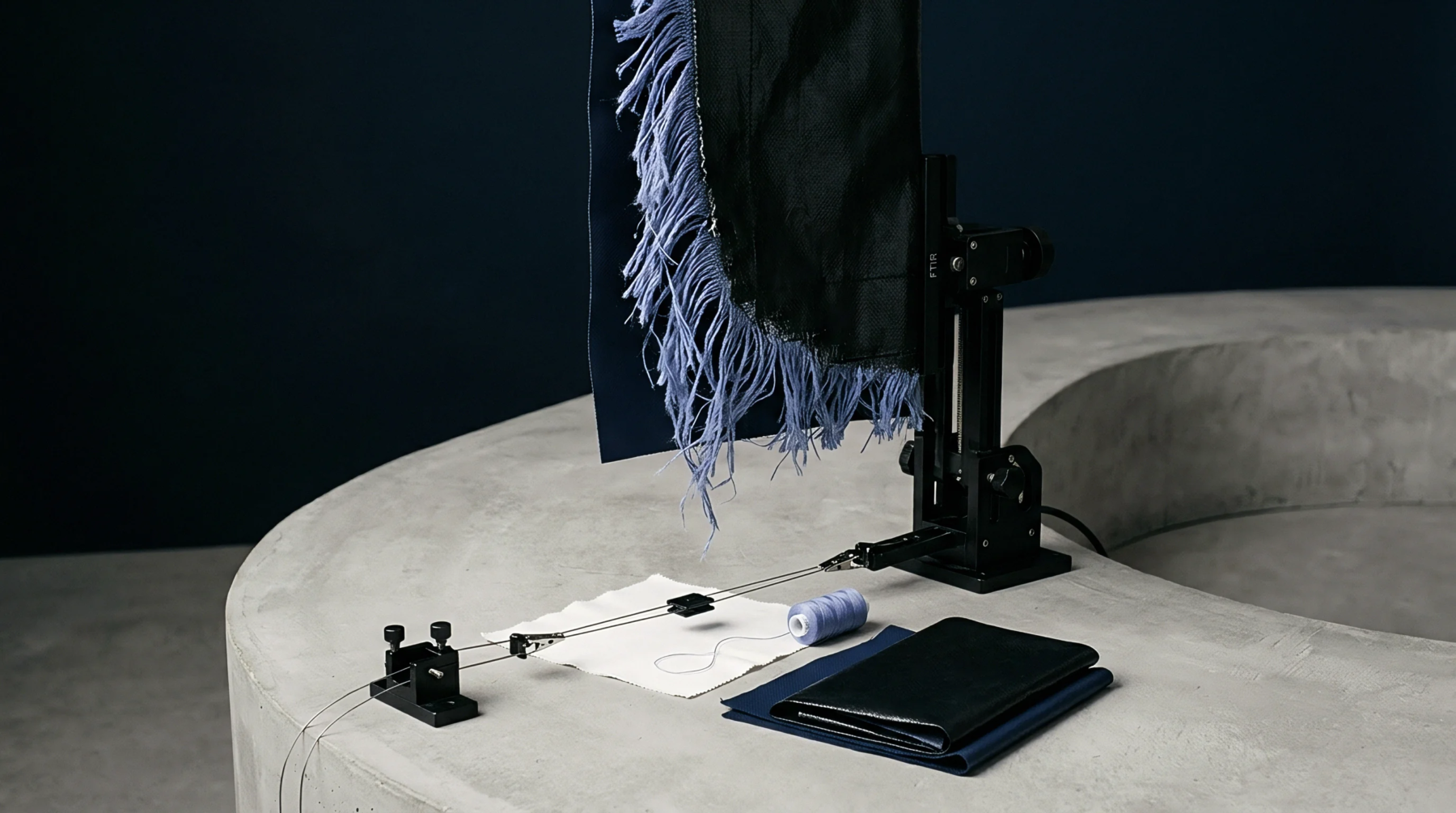
Subtracting unsewn load curves from sewn seam curves in ASTM D4034 isolates true yarn slippage by removing raw fabric extension errors.
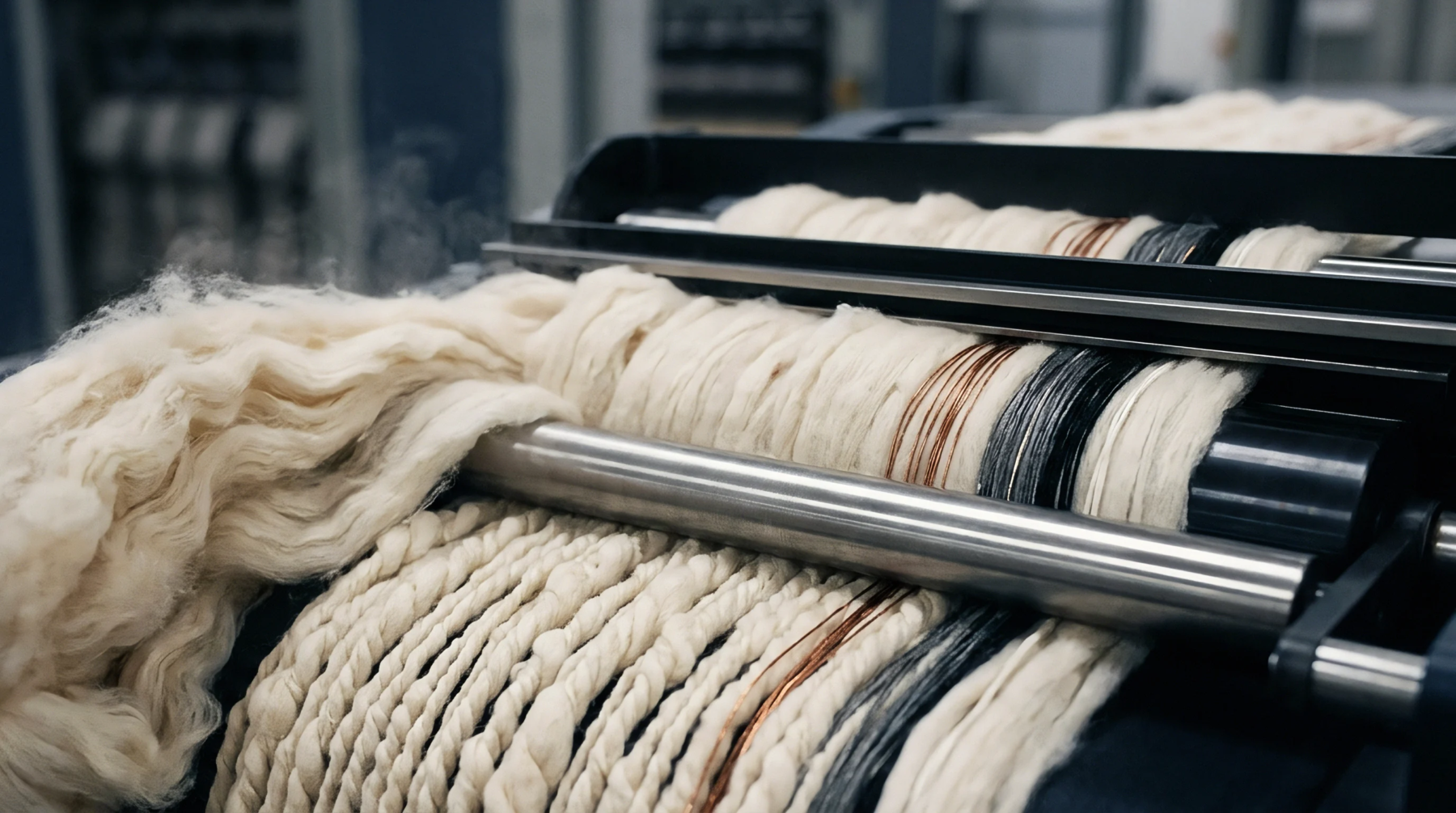
Non-linear honeydew discounts offset rotor speed reductions and cleaning downtime when trehalulose levels exceed critical sticky thresholds.

Raw cashmere quality depends on mean fibre diameter and residual coarse hair content, determined via ISO 17751 microscopy or optical image analysis.
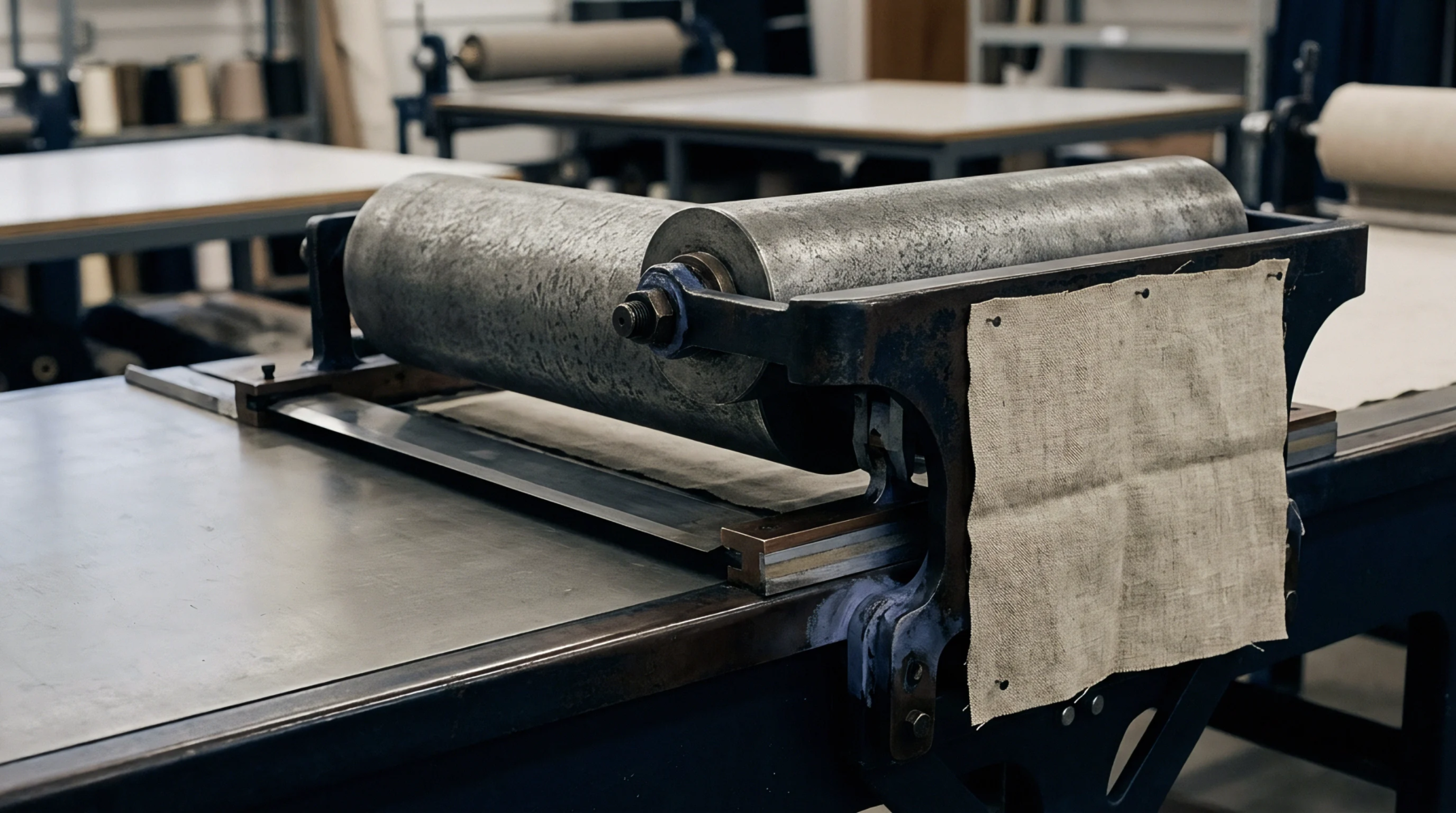
Calibration of tensile testing machines for seam strength requires verified load accuracy under ISO 7500-1 and frame compliance corrections to avoid test errors.
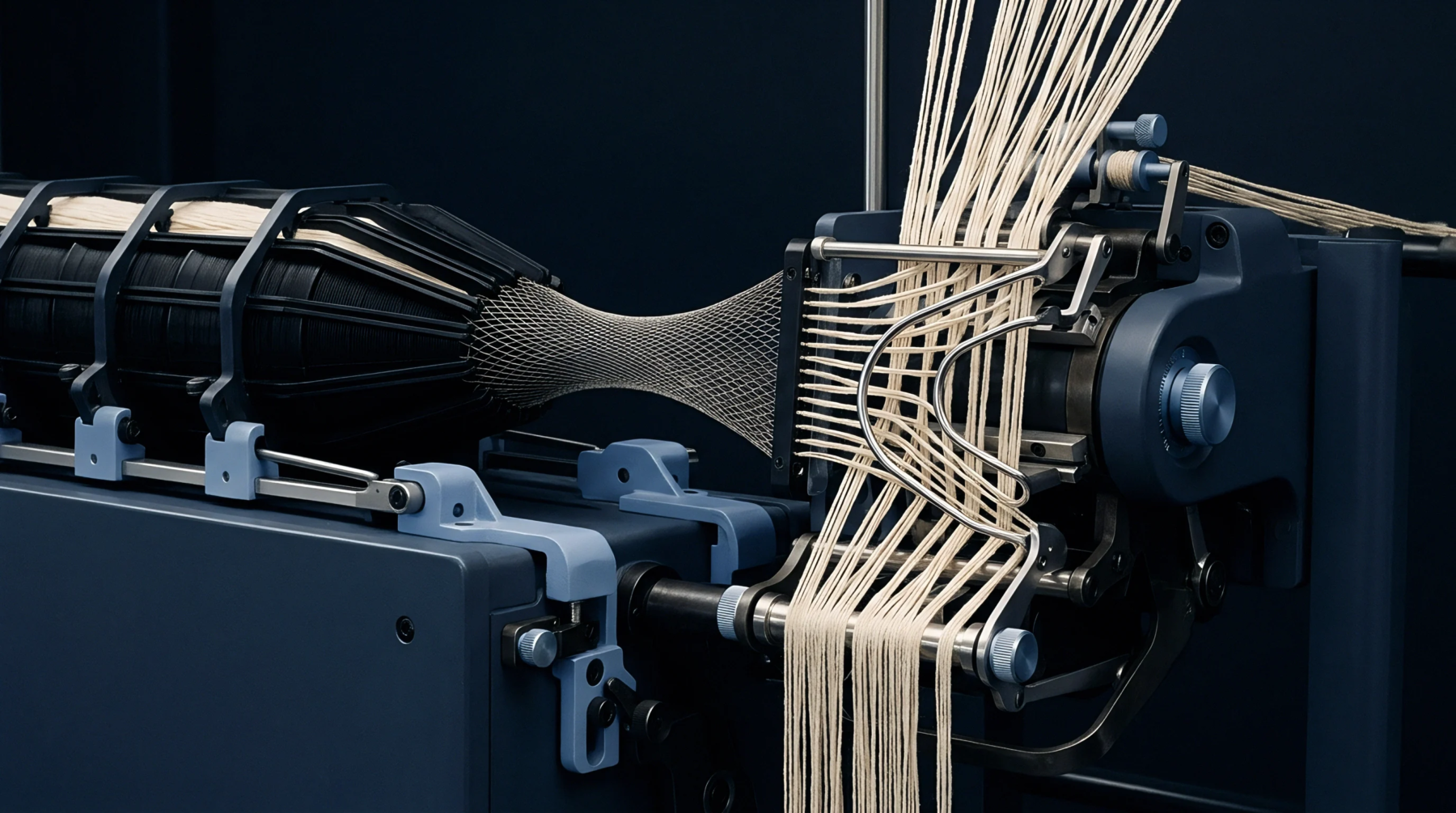
Consignment warp calculations offset sizing elongation against loom crimp to reconcile true yarn mass delivered against finished woven yardage.

Quantifying inter-layer plasticizer mass transfer coefficients requires batch-level GC-MS depth profiling to enforce retention limits under UV weathering.
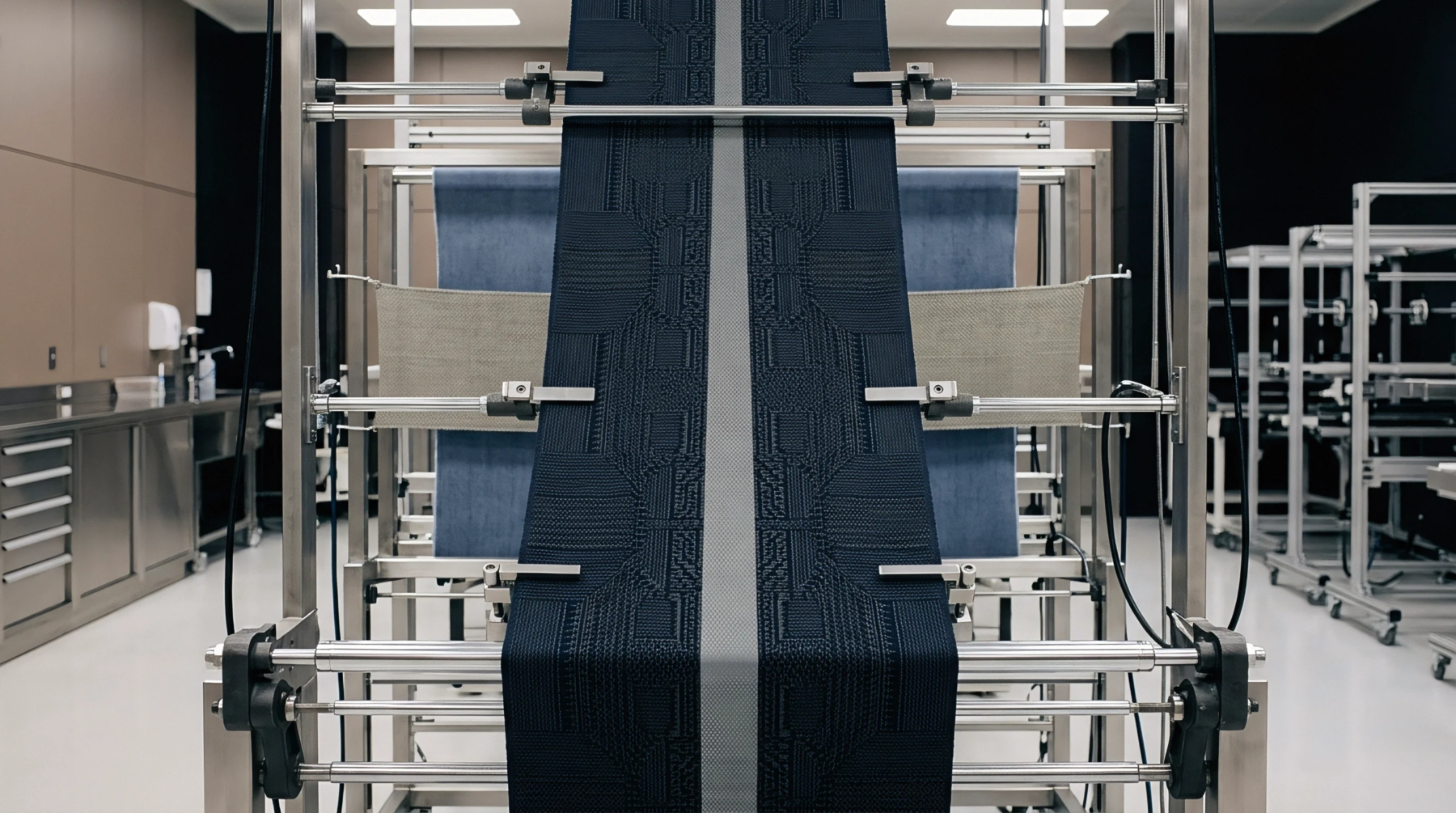
Greige warp crimp measures unbent yarn extension over cloth length, dictating loom take-up ratios, beam warping lengths, and yarn consumption across loom runs.

Acceptance sampling for insect honeydew requires Negative Binomial hotspot thresholds rather than mean spot counts to prevent extreme processing stoppages.

Bayesian Gaussian Process depth profiling accurately maps polymeric plasticizer concentration gradients and quantifies diffusivity uncertainty in coated fabrics.

Thermomechanical stickiness testing uses precise thermal compression to isolate insect honeydew spots, preventing spinning roller wraps and mill downtime.
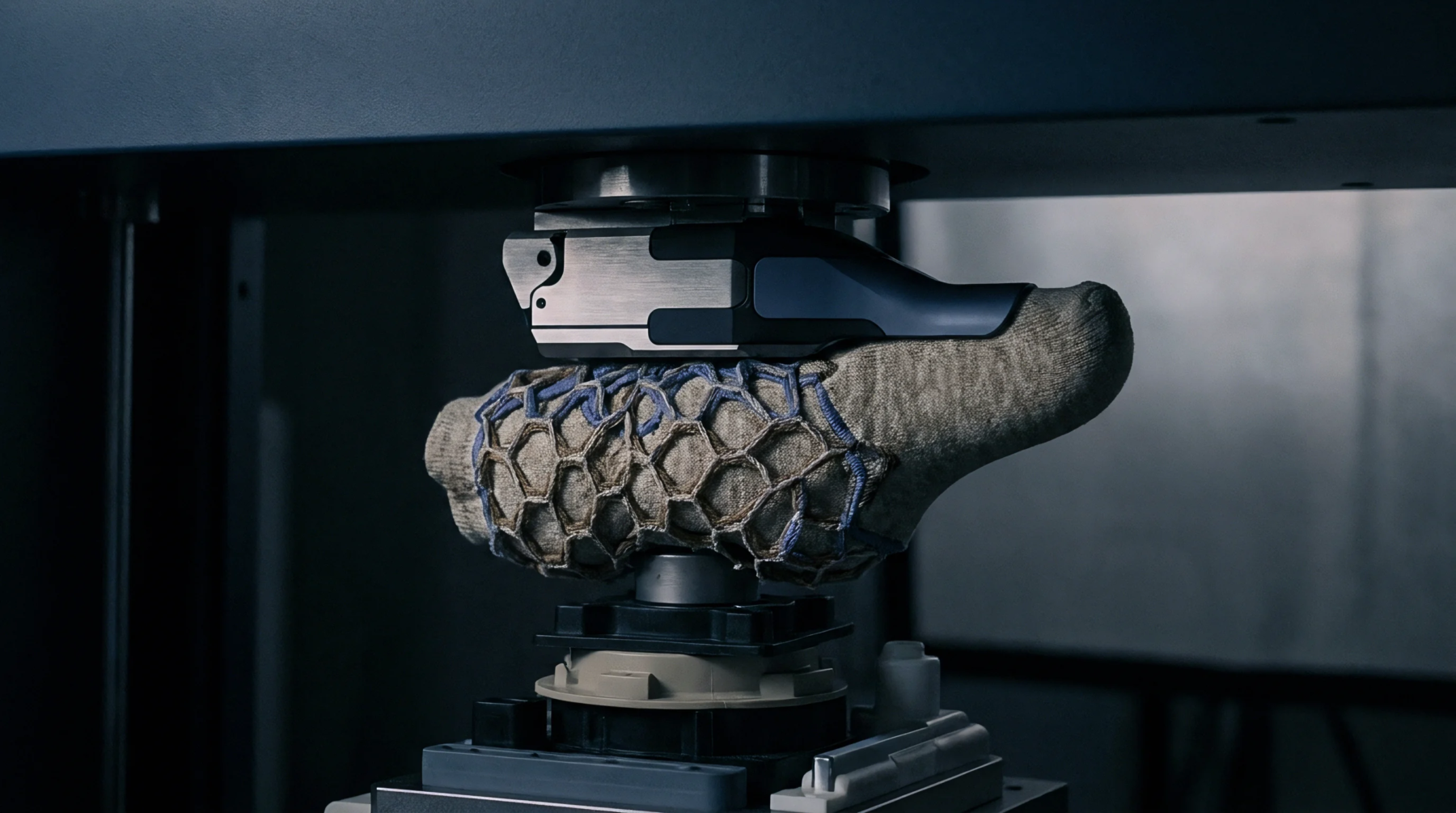
Plasticizer migration degrades PVC structural fabrics through concentration-driven diffusion, requiring polymeric ester formulations and fluoropolymer barriers to prevent mechanical failure.

Matching jet vessel hydraulic pressure to thermal loop relaxation rates prevents stitch distortion and controls dimensional shrinkage in knitted bulk runs.
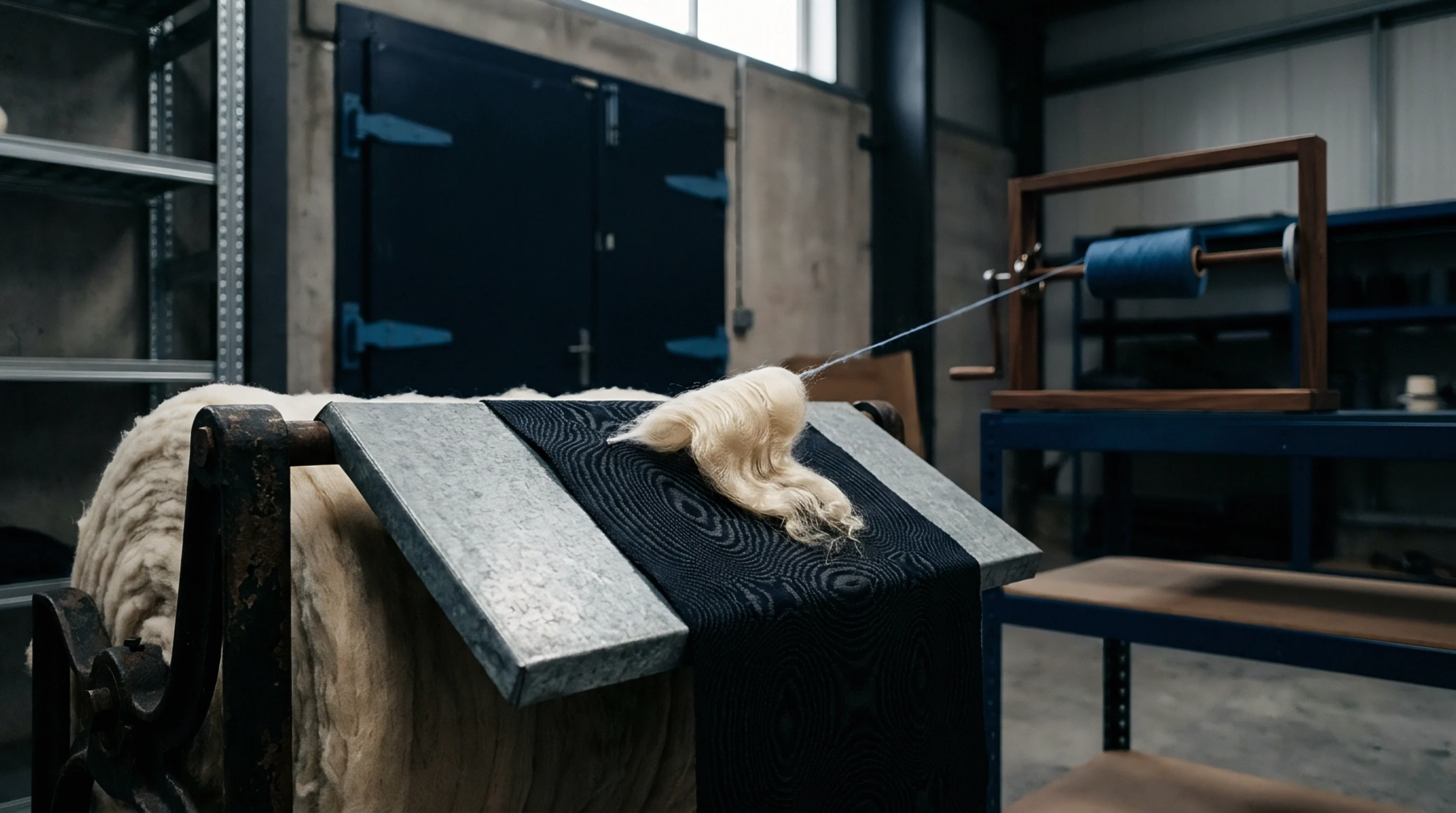
Commercial mass allowances systematically shift calculated wool proportions higher than dry analytical residues, dictating customs classification and billing.
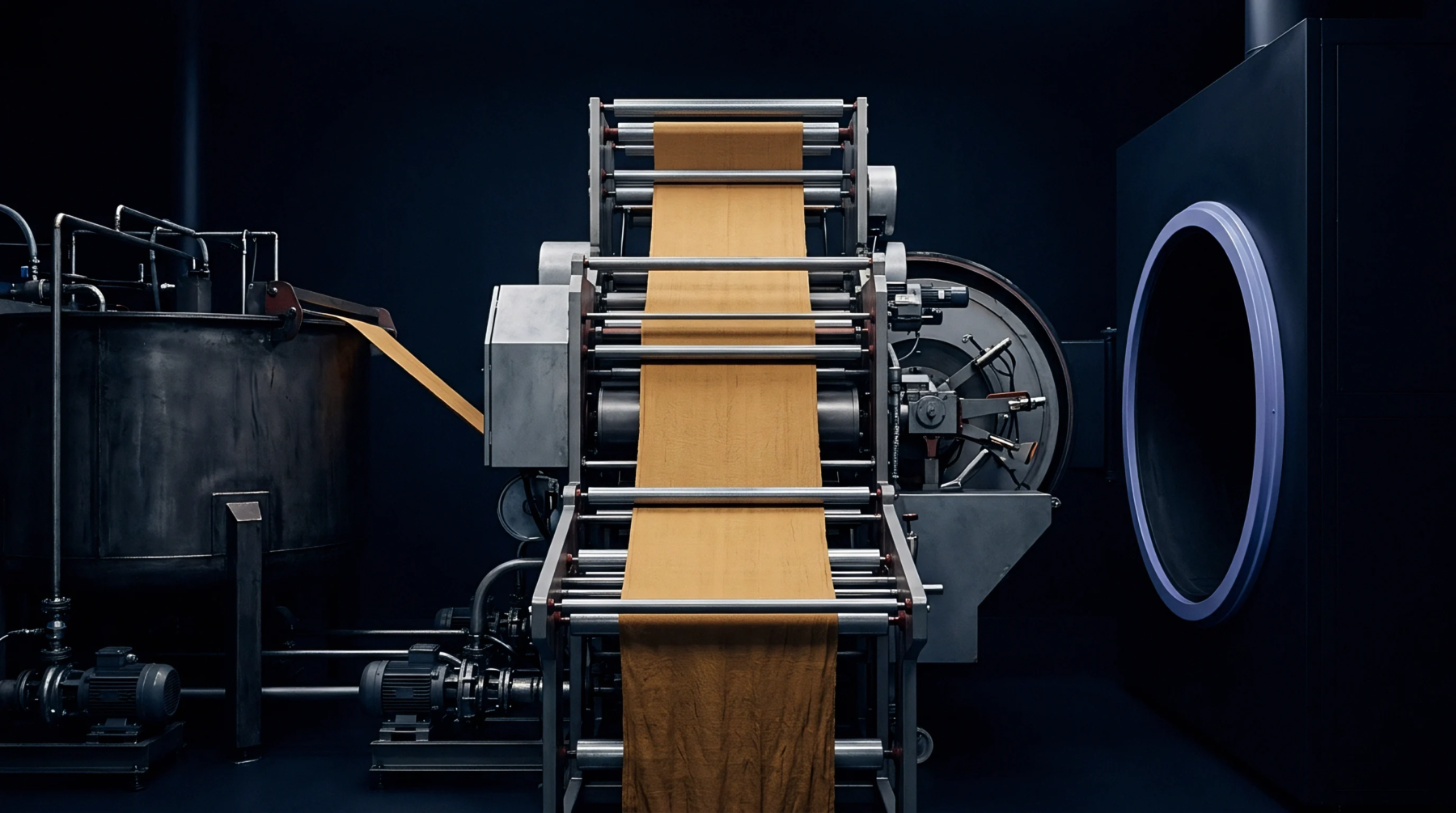
Target a tightness factor between 14.5 and 15.0 with calibrated stitch length to lock loop geometry against torsional twist liveliness during wet laundering.

Oxidized wool distorts chemical separation from viscose, requiring calibrated d factors to prevent analytical swings that trigger customs reclassifications.
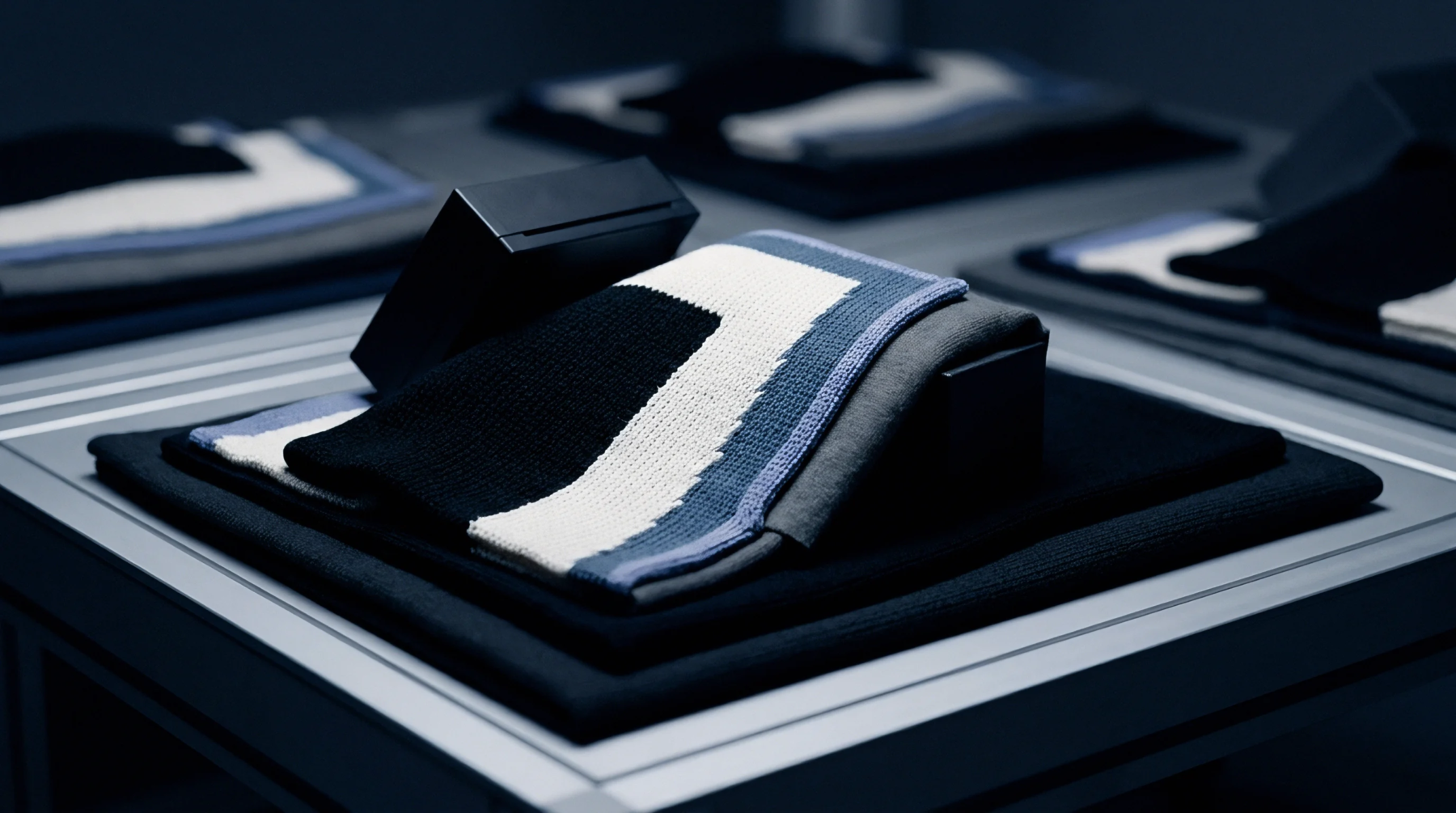
Select knitting machine gauge to maintain a cotton single jersey tightness factor between 1.35 and 1.50 tex^0.5/mm to prevent laundering shrinkage and spirality.

Nonparametric Bayesian inversion of depth-resolved micro-profiles pinpoints chemical origin in multilayer laminates, isolating supplier liability.

Invoice continuous dyeing yardage strictly on oven-dry mass plus standard commercial regain to prevent paying for ambient moisture variances and chemical loading.

Reconciling desizing drop against yield separates chemical weight loss from warp crimp contraction by measuring finished picks against conditioned mass balance.

Effective size removal hinges on matching polymer cleavage chemistry with water temperature above film solubility thresholds before counter-current extraction.
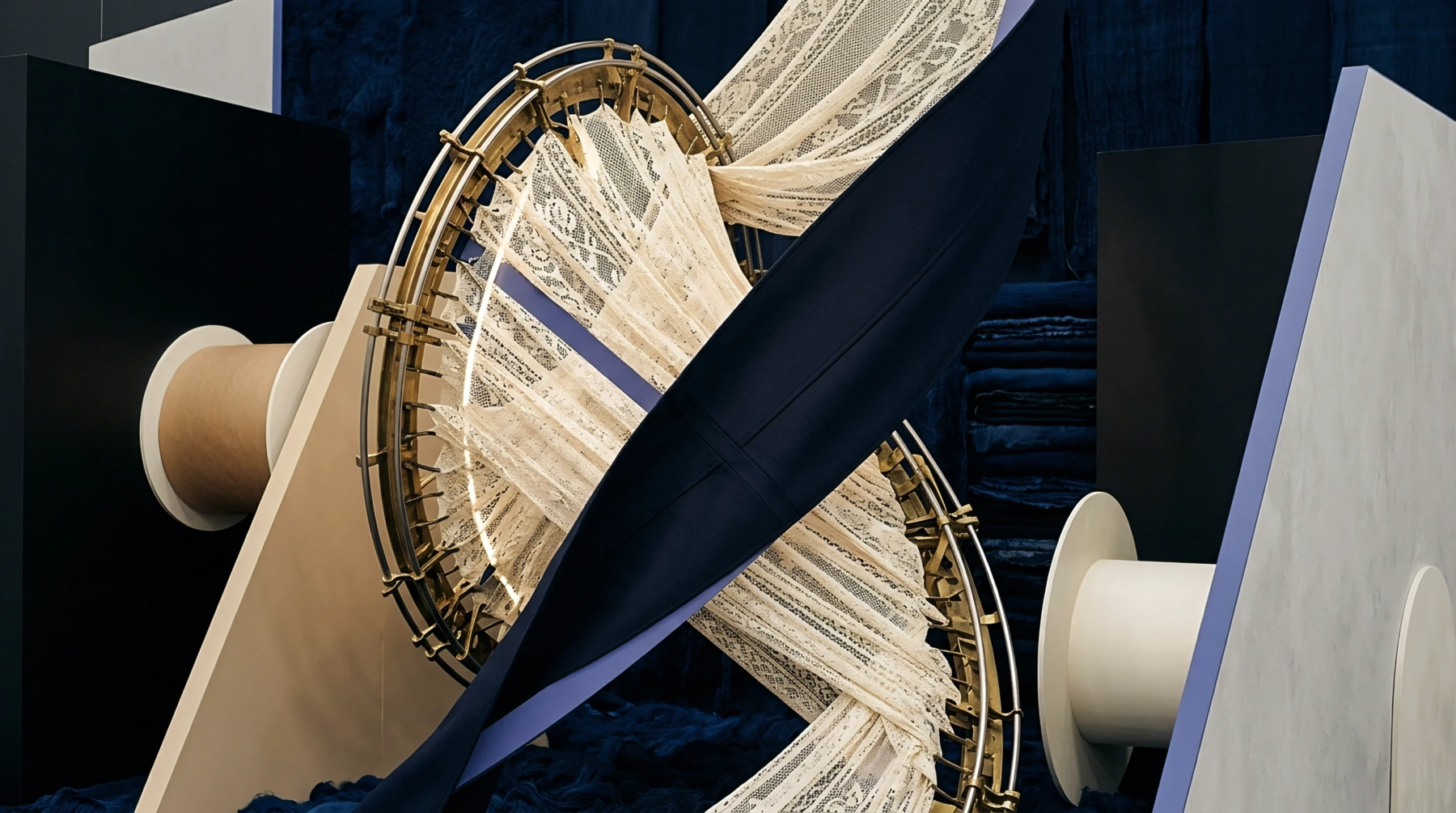
Bayesian mixture deconvolution isolates coeluting textile auxiliaries from restricted substances, yielding credible intervals that protect compliance files.
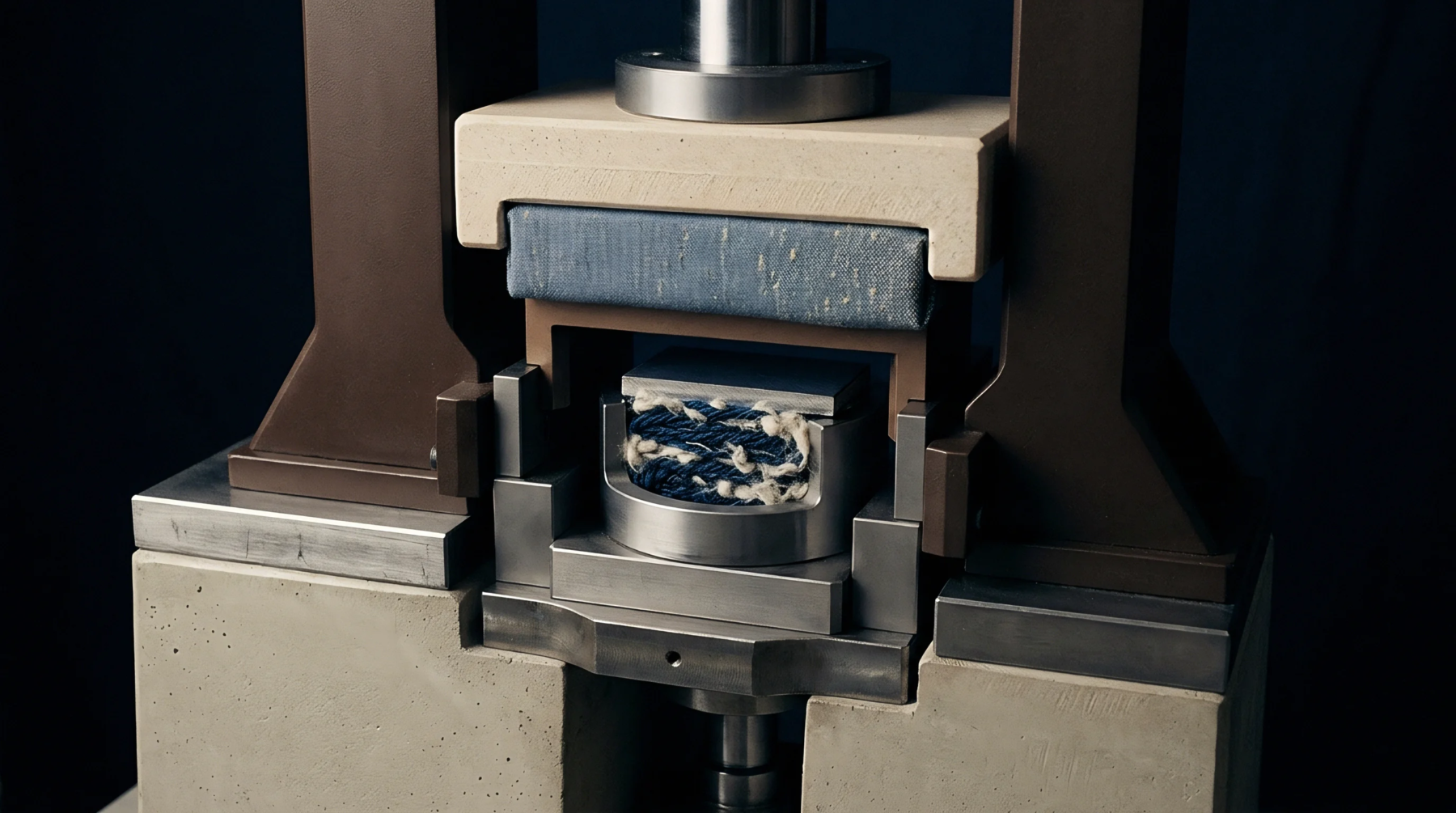
Dynamic wet pickup in elastomeric twills drops non-linearly at speed as structural air entrapment and visco-elastic recovery override static capillary absorption.

Thermal desorption gas chromatography screens residual coating solvents to ensure batch compliance with international restricted substance limits.

Asymmetrical twill float distribution creates directional fluid channels where warp-face float geometry delays boundary breakdown while reverse void volume accelerates lateral wicking.

Standardizing pad bowl pressure on heavy cotton twills controls wet pickup uniformity, eliminates side-center-side shade variation, and cuts stenter drying costs.

Higher fiber crimp increases tuft aerodynamic drag and inter-fiber cohesion, elevating blowroom lint loss unless grid slot gaps and transport air speeds are dynamically recalibrated.
Expertise is a utility, not a secret. sentiention™ publishes its working knowledge as open reference: intelligence layer covering the materials it sources, the markets it enters, and the reference that serves both.