Deformation Behavior
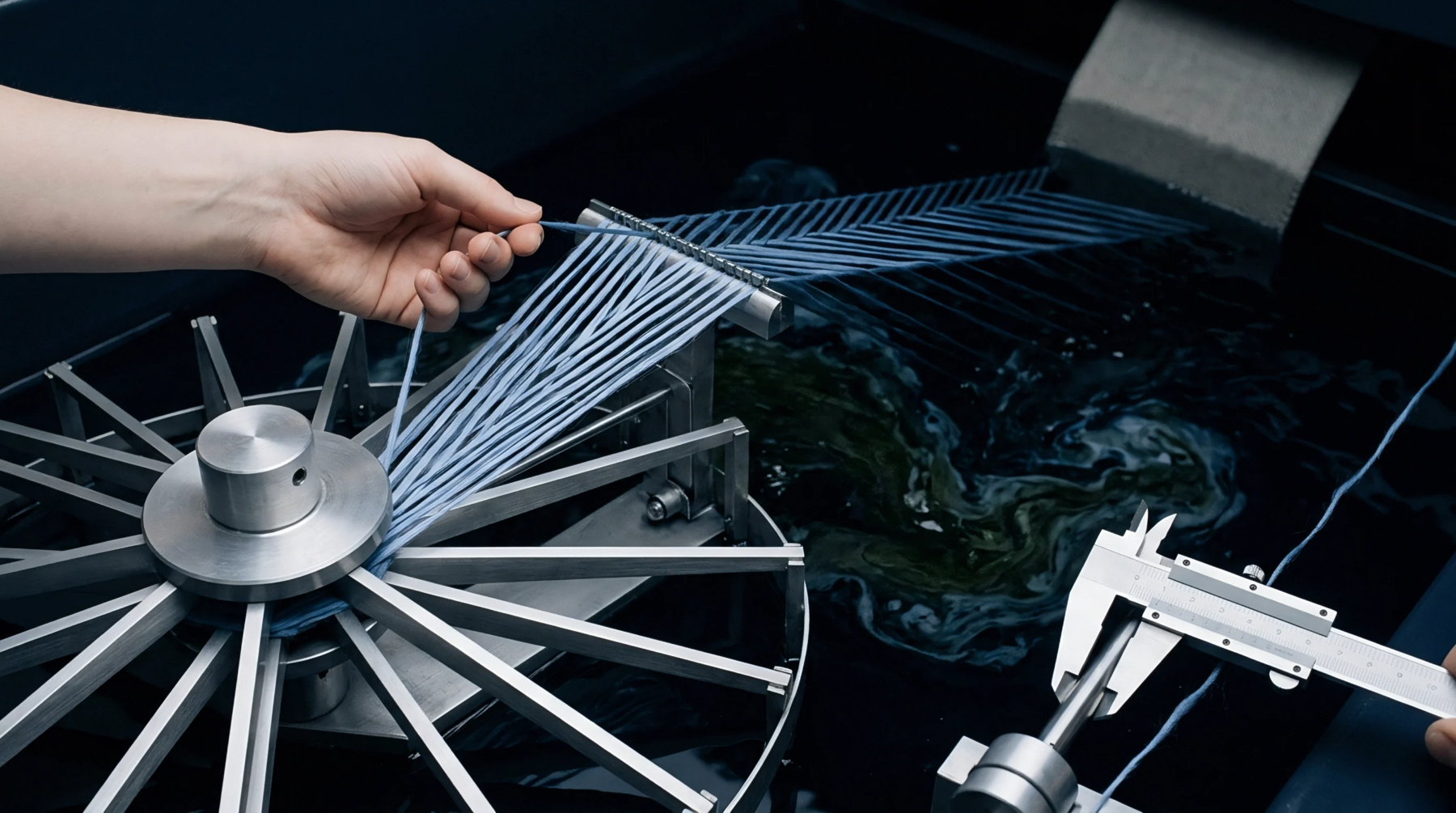
Synthetic fibers and blended fabrics exhibit time-dependent mechanical behavior where the stress response is not proportional to the applied strain or strain rate. This phenomenon of non-linear viscoelasticity dominates the deformation of materials like nylon or polyester under high loads. In these textiles, the rate of stretching and the duration of the load dynamically alter the force needed to deform the fabric.
Rate Sensitivity
Polymer chains in synthetic fibers slide past one another and undergo molecular reorganization at different speeds depending on the applied force. At low strains, the yarn behaves almost elastically, but higher forces trigger a non-linear flow where the material becomes more compliant or stiffer depending on the speed of the stretch. This rate-dependent stiffness means that a fabric pulled rapidly will resist deformation more strongly than the same fabric pulled slowly over a longer period.
This non-linear behavior requires test methods to use constant rate of extension instruments to maintain consistency.
Elastic Limits
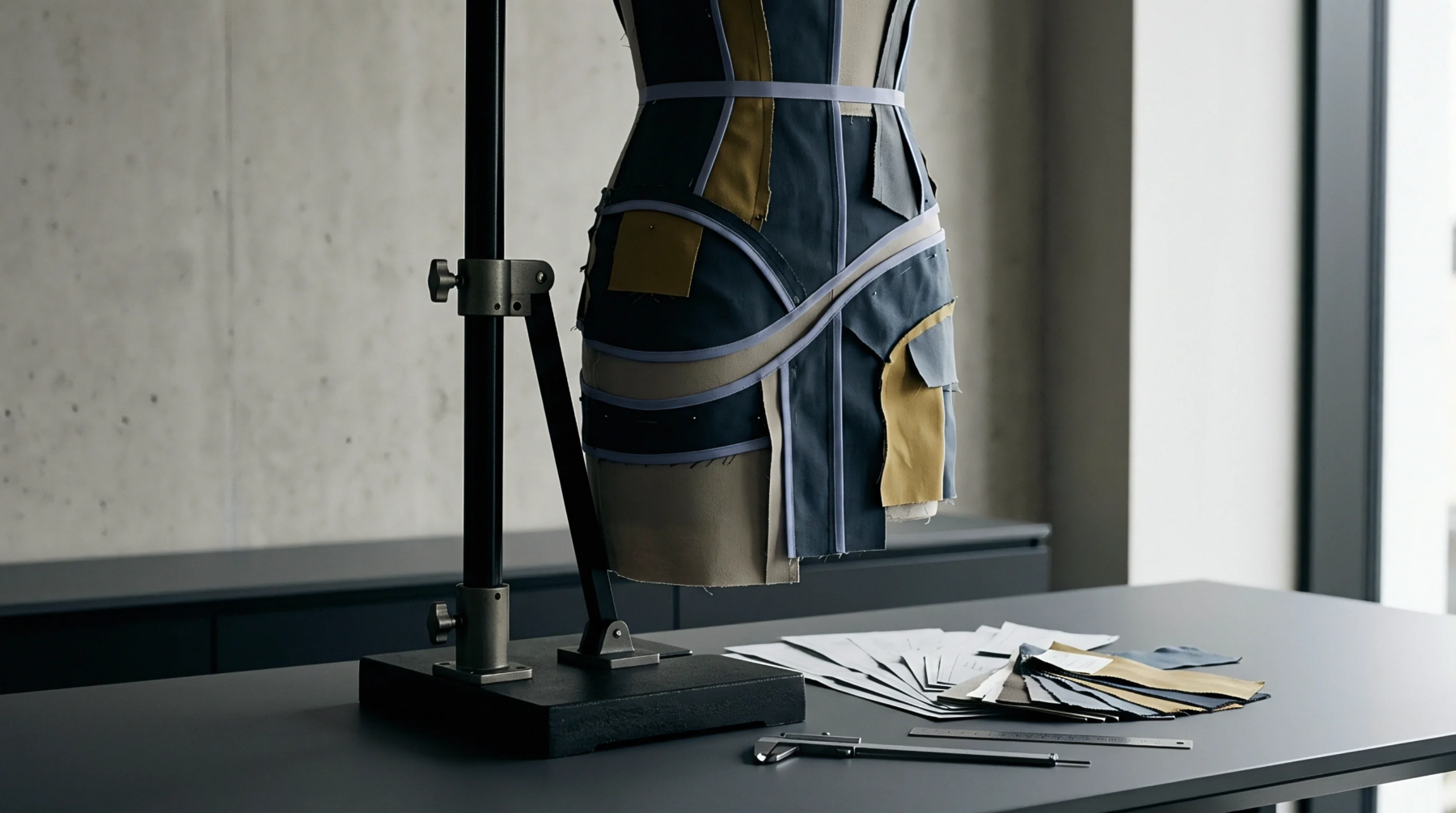
Limits to linear modeling are reached when the fabric is stretched beyond its elastic limit, causing permanent structural changes in the yarn. For example, during garment wear, high stress at the knees can push the fabric into this non-linear range, resulting in permanent bagging. Understanding these limits helps in selecting the right fiber blends for tight-fitting activewear.
Production Control
Fabric finishing mills must manage tension during processing to minimize the build-up of latent stresses that cause shrinkage later. If a fabric is held under high tension during drying, the non-linear viscoelasticity causes the fibers to retain a memory of this stretched state. When the fabric is laundered, these internal stresses relax, causing the garment to shrink.