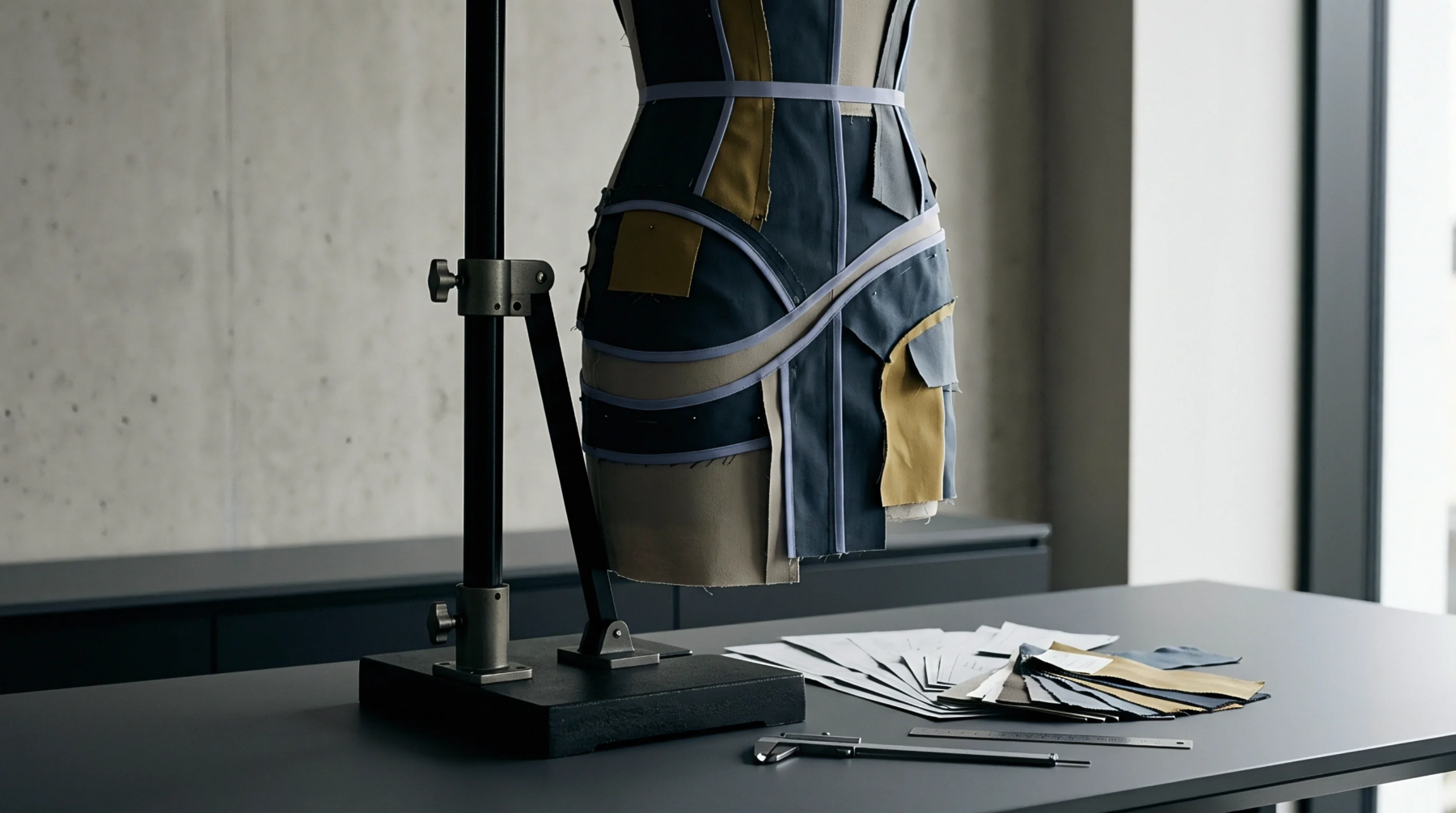
Composite Construction
Apparel fabrics engineered with a mixture of rigid warp yarns and polyurethane-cored weft yarns provide mechanical stretch along the width of the material. Incorporating elastane blend wovens into commercial clothing lines allows garments to maintain their shape while adapting to body movement. The structural core of these materials features synthetic polyether-polyurea copolymer filaments wrapped in cotton or polyester fibers to shield the elastane from heat and chemical degradation.
Extension Action
Woven fabrics with stretch properties undergo dynamic changes in density and air permeability when subjected to tensile forces. During wear, the core filaments stretch and retract to bring the fabric back to its original dimensions. This elastic recovery prevents the fabric from bagging or sagging at high-stress areas like knees and elbows.
Heat-setting during finishing stabilizes the width and controls the maximum stretch percentage of the final fabric roll.
Finish Boundary
Processing limitations exist during wet treatments and high-temperature drying where excessive heat destroys the elastic recovery of the polyurethane fibers. If temperatures exceed one hundred and eighty degrees Celsius, elastane blend wovens suffer permanent loss of elasticity and strength. This heat damage occurs because the polymer chains in the synthetic filament break or rearrange, causing the fabric to go limp.
Wet processing mills must carefully monitor temperature profiles to prevent this degradation. In addition, chemical finishes like chlorine bleach can attack the molecular structure of the elastic core, which necessitates the use of alternative bleaching agents during fabric preparation.
Verification Testing
Standard test methods such as ASTM D3107 measure the stretch and fabric growth of elastic cloths after repeated cycles of elongation. Technicians apply a static weight to the fabric specimen for a specified duration and measure both the stretch under load and the recovery after release. High-quality garments must demonstrate low fabric growth to ensure the garment remains form-fitting.