Sub Micron Shear Dissipation Modeling of Cellulosate Deprotonation Kinetics in High Velocity Nozzles
Sub-micron shear dissipation accelerates cellulose deprotonation, allowing lower alkali concentration while boosting yarn tenacity and dye affinity.

Sub-micron shear dissipation accelerates cellulose deprotonation, allowing lower alkali concentration while boosting yarn tenacity and dye affinity.

Evaluating S10 minus S18 alkali solubility limits protects viscose producers from low spinning yields, elevated caustic loss, and premature filter clogging.

In-line short-path spectrophotometry eliminates reactive dye hydrolysis in ultra-low liquor jets by dynamically locking alkali dosing to real-time exhaustion.

Repeat textile orders demand digital tolerance baselines, dynamic sampling intensity shifts, and batch-level chemical verification rather than physical samples.

In-situ methylation during high-temperature pyrolysis reduces chromatographic variance in post-consumer synthetic polymer testing to under five percent RSD.

Heterobifunctional dye fixation on swollen cellulosic knits couples vinyl sulfone addition and triazine substitution to maximize wash fastness and loop stability.
Matrix suppression factors in recycled polyester pyrolysis quantify ion attenuation, requiring standard additions to prevent false passes on restricted chemicals.
Lab dip recipes translate to high-capacity jet vessels by adjusting electrolyte concentrations for lower liquor ratios and extending cycle-matched dosing profiles.

Standard gas chromatography screens for banned azo dyes by quantifying cleaved aromatic amines against the 30 mg/kg limit via EN ISO 14362 methods.

Maximize reactive dye fixation on cellulosic knits by coupling short liquor ratios with progressive parabolic alkali dosing to suppress hydrolysate formation.

Reconciling multi-site chemical depolymerization ledgers requires deducting real moisture, non-polymeric sorting scrap, and volatile reaction losses from input mass.

Asymmetrical parametric weighting vectors correct for specular glare in high-sheen weaves, preventing false batch rejections and costly dyehouse re-dye cycles.

Digital shade clearance across disconnected dyehouses requires matched optical geometries, traceable BCRA ceramic tile calibration, and strict ISO conditioning.
ISO 22095 mass balance allocates depolymerized polyamide credits across co-fed inventory but demands strict stoichiometric yield deduction and auditable site ledgers.

Chemical depolymerization of nylon 6 yields 70 to 91 percent caprolactam depending on ash, non-polyamide fractions, and cyclic oligomer distillation losses.

Alpha cellulose testing methods benchmark dissolving pulp purity through caustic fractionation, setting spinning runnability, yield, and landed tariff value.

Unaccounted extrusion scrap and additive tare weights create phantom mass balance credits across multi-site mills, invalidating buyer transaction certificates.
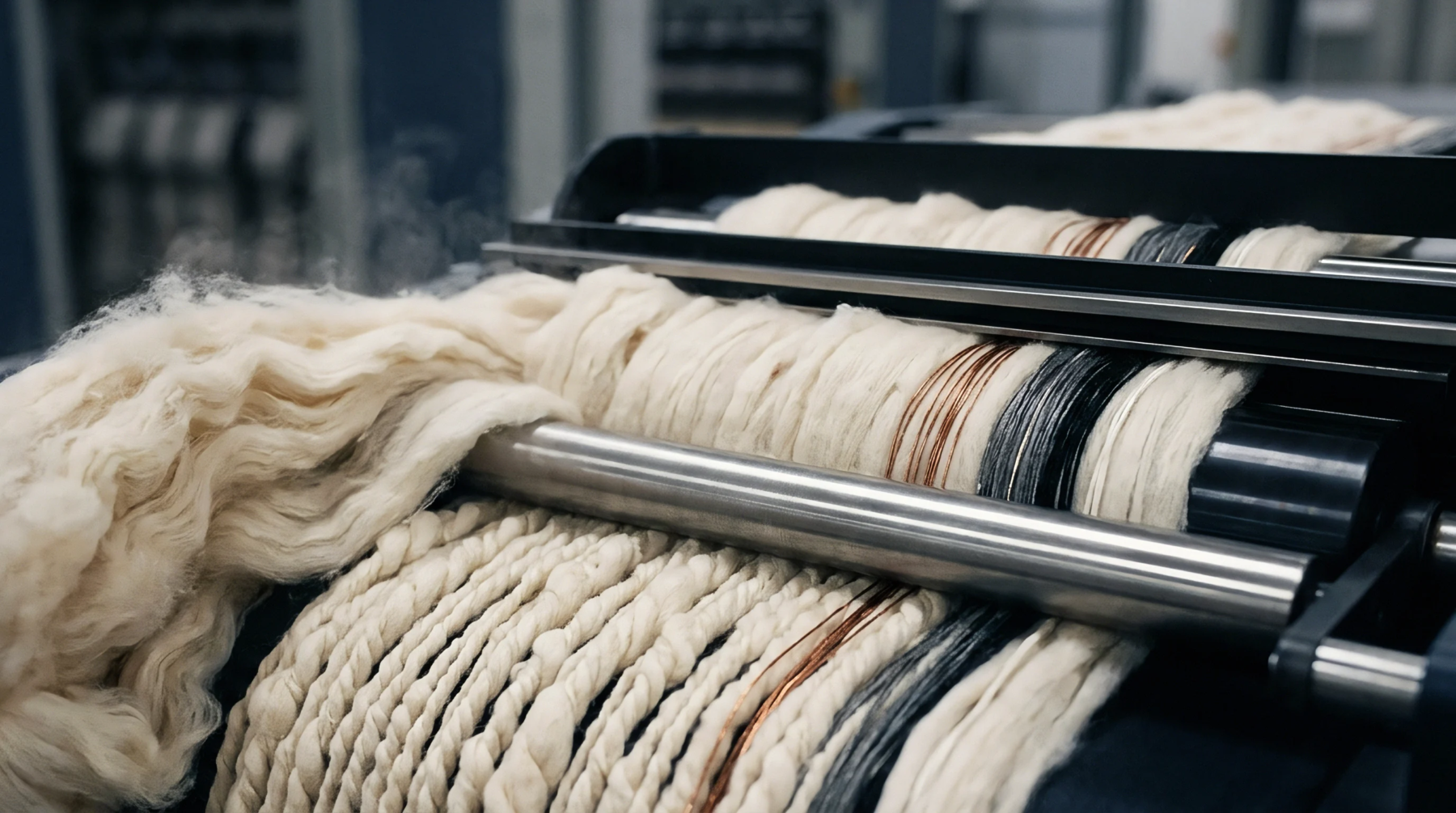
Auditing extruder mass-balance loss logs against transaction certificate net weights prevents customs seizure of recycled polyester filament shipments.
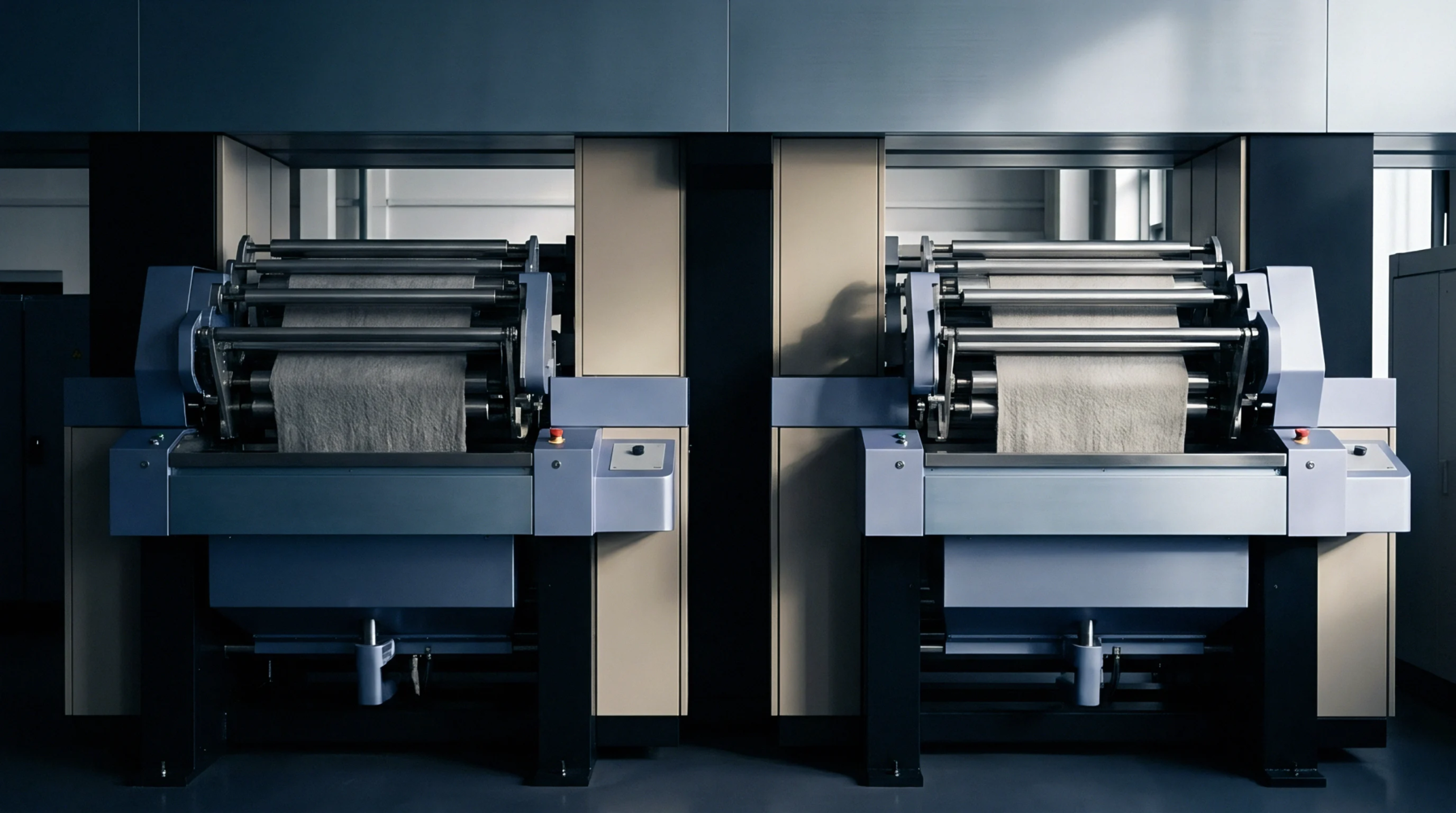
Resolving continuous stenter crystallization variations requires balancing nozzle impingement pressures within 0.5 m/s and limiting widthwise heat drift to 1 C.

Digital master files eliminate physical swatch decay by distributing 31-point spectral reflectance data to coordinate decentralized wet-processing floors.

Non-linear thermal degradation in recycled synthetics shifts DTG peaks and solvent resistance, skewing blend ratios unless resolved by peak deconvolution.

Verify extrusion scope certificates by matching PR0027 codes, checking mass loss allowances, and confirming bottle-grade comonomers via analytical lab tests.

Target fabric temperature determines dwell duration, balancing polyamide dimensional fixation against elastane degradation through verified chamber pyrometer tracking.

Statutory moisture regain tables alter dry laboratory mass into distinct legal percentages across customs regimes, moving tariff codes near chief-weight cliffs.
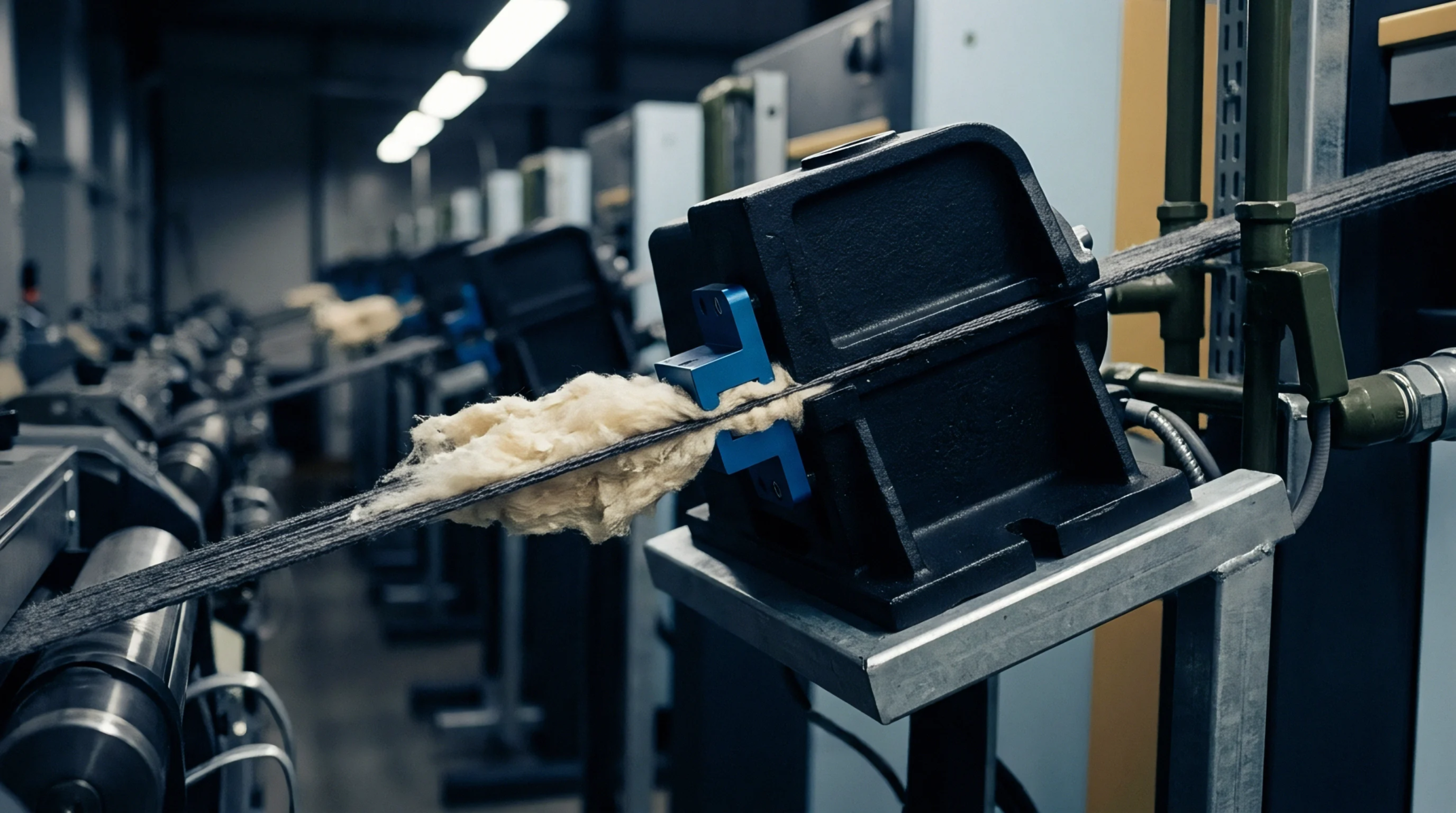
Chemical separation determines blend percentages by gravimetrically weighing insoluble residue after selective dissolution, requiring correction factors and moisture regains to match customs rules.

Resolving customs valuation errors in combed wool mixtures requires declaring billable mass using oven-dry weight plus standard ISO commercial regain allowances.

Depolymerization residue assays isolate monomer ratios and catalysts to prove genuine recycled polyester content before border customs seize noncompliant cargo.

Stable isotope mass spectrometry detects virgin polymer dilution in recycled synthetic yarns by measuring natural carbon and oxygen ratios in the fiber matrix.
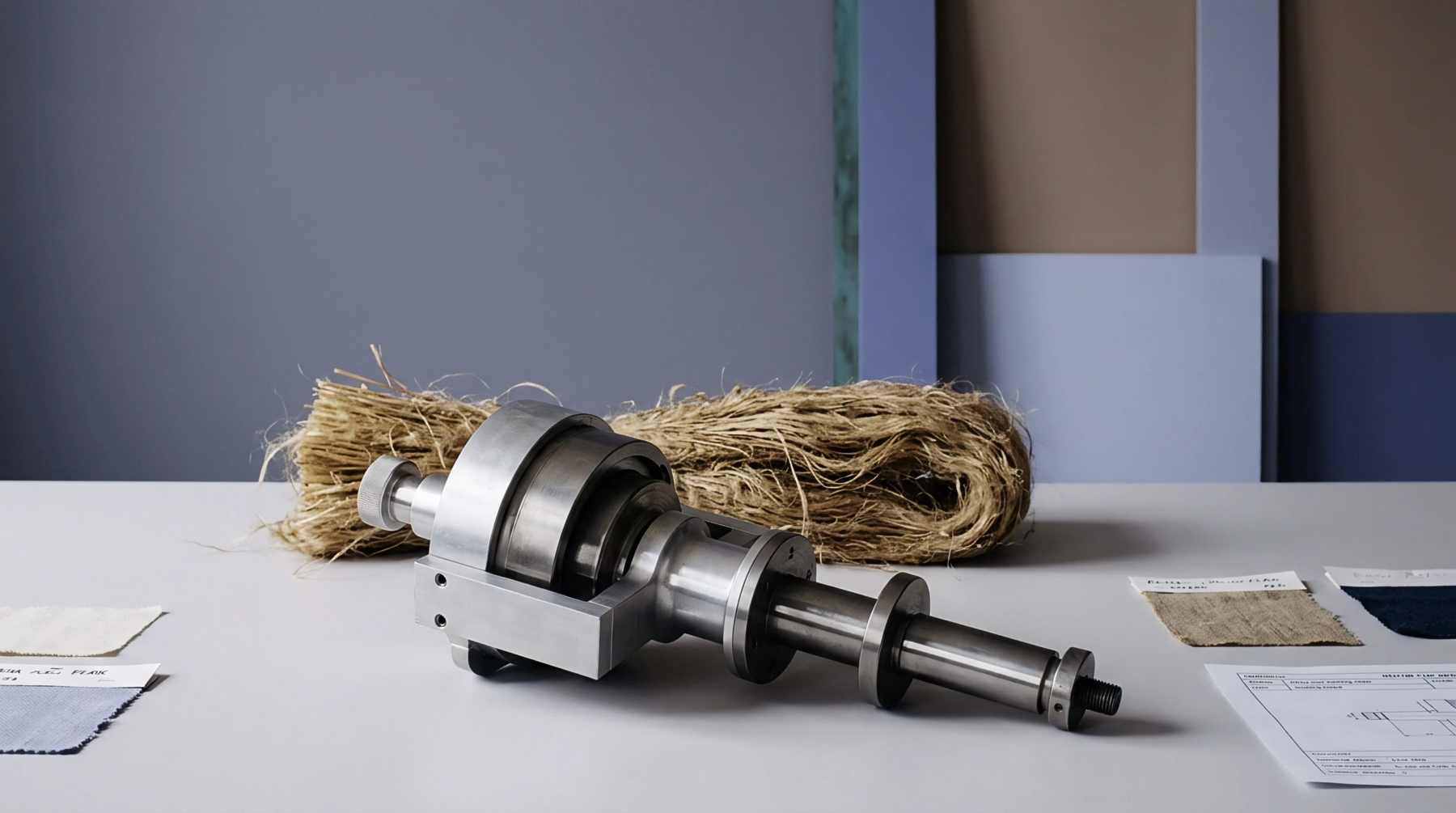
ISO 6741 calculations determine billed yarn mass by applying official moisture regains to dry weights, preventing water weight disputes in global trade.

Automated post-consumer textile sorting requires sub-one-percent elastane limits and strict halogen screening to prevent chemical recycling batch rejection.
Expertise is a utility, not a secret. sentiention™ publishes its working knowledge as open reference: intelligence layer covering the materials it sources, the markets it enters, and the reference that serves both.