
Salt Concentration Effects on Reactive Dye Sorption Profiles
Graduated electrolyte dosing suppresses cellulosic surface repulsion, pacing dye uptake before alkali addition to prevent unlevel strike and costly re-dyeing.

Graduated electrolyte dosing suppresses cellulosic surface repulsion, pacing dye uptake before alkali addition to prevent unlevel strike and costly re-dyeing.

Laminar deck boundary stabilization stops eddy entrapment, cutting fibre loss below two percent while purging dense shives from classified spinning stock.

Optical detection of microscopic polypropylene in pneumatic blowroom ducts demands 100 kHz line scan sensors and 365 nm UV-A excitation to prevent yarn defect claims.

Calibrating blowroom sorters for clear polyolefin removal pairs 1690 nm infrared sensing with polarized lighting and synchronized valve timing to stop dye resist faults.

Enforcing chemical indemnity demands tripartite swatch escrow with nitrogen-sealed splits to withstand foreign judicial scrutiny and analytical retesting.

Resolving chemical trace limits requires split greige sampling and mass balance washing audits before attributing parts-per-million residues to continuous dyers.
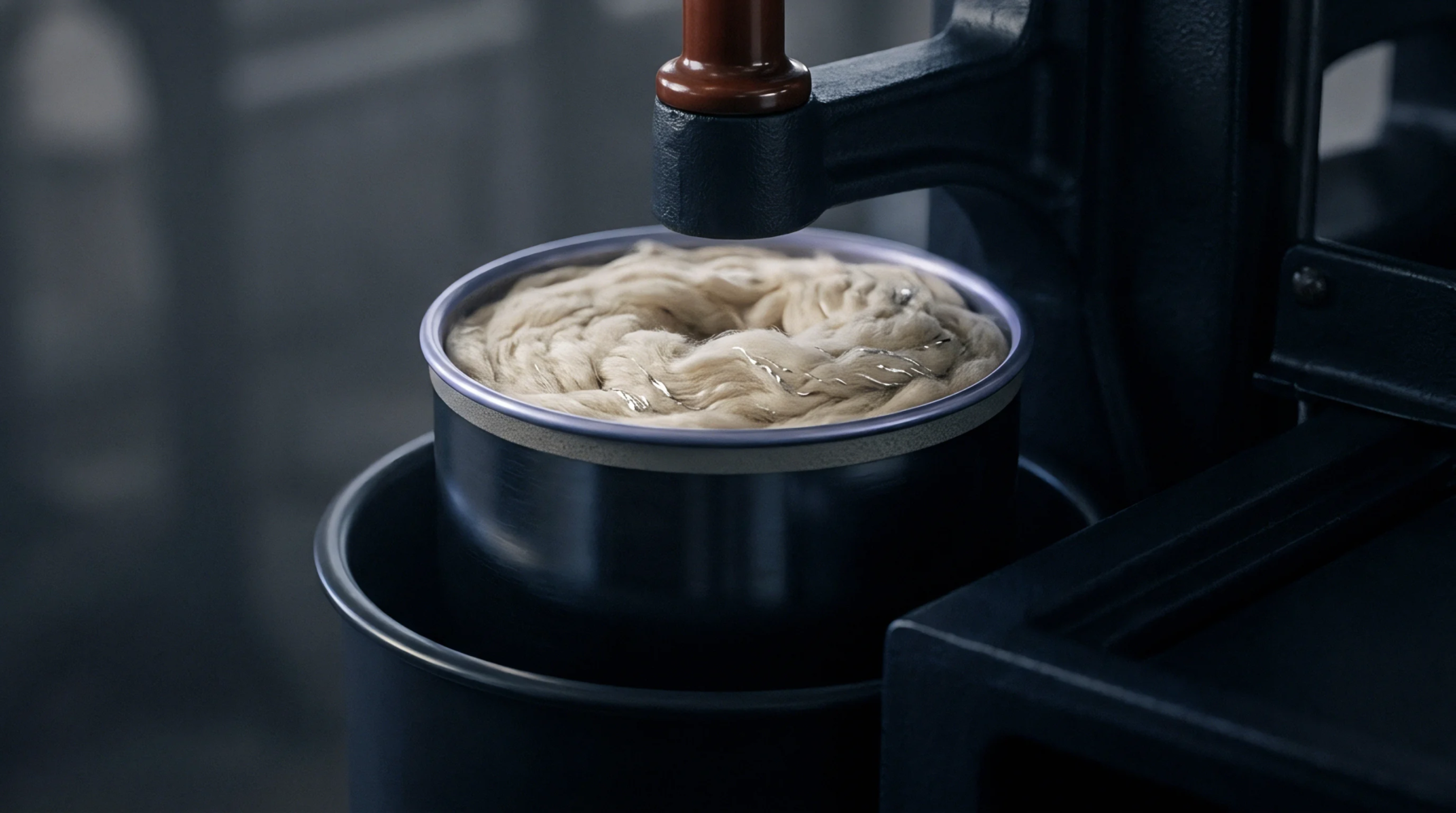
Optical blowroom sorters fail to detect transparent polyolefin baling fragments under 0.5 mm², leaving mechanical combing as the final physical barrier.

Verify raw fabric thread counts, sizing content, and four-point defect scores before wet processing to prevent irreversible dyeing failures and financial loss.

Maintain lint moisture at 6.5 to 7.5 percent and bypass secondary saw cleaners to prevent fiber breakage and suppress nep formation during cotton ginning.

Enforce direct chemical compliance by binding Tier Two dyehouses through third-party beneficiary clauses, mandatory batch testing, and automated invoice offsets.

Commission textile contracts balance property risks and finishing specifications by linking bailed greige inventories directly to standardized lab test tolerances.

Optical scanning measures two-dimensional contaminant surface area while gravimetric mechanical extraction measures true non-lint mass that governs card waste.

Pass through indemnity clauses transfer downstream chemical and regulatory liabilities to upstream suppliers through explicit back to back purchase order terms.

Preexisting greige pesticide liability rests on incoming lot verification; unverified greige waives processor fault unless intake water contamination is proven.

Dynamic boundary layers and Donnan potentials trap caustic in yarn interiors, requiring thermal desorption modeling rather than superficial bath pH monitoring.

Calibrating extraction d-factors for greige long staple waxes prevents miscalculating component ratios and protects cross-border tariff classifications.

Structure a 15 to 25 percent commercial purchase order holdback tied to ISO 17025 accredited laboratory test reports before clearing wet-processing balances.

High-alkali scouring gelates residual polyvinyl alcohol size; maintaining rinse temperatures above 85°C with polymeric dispersants prevents dye resist defects.
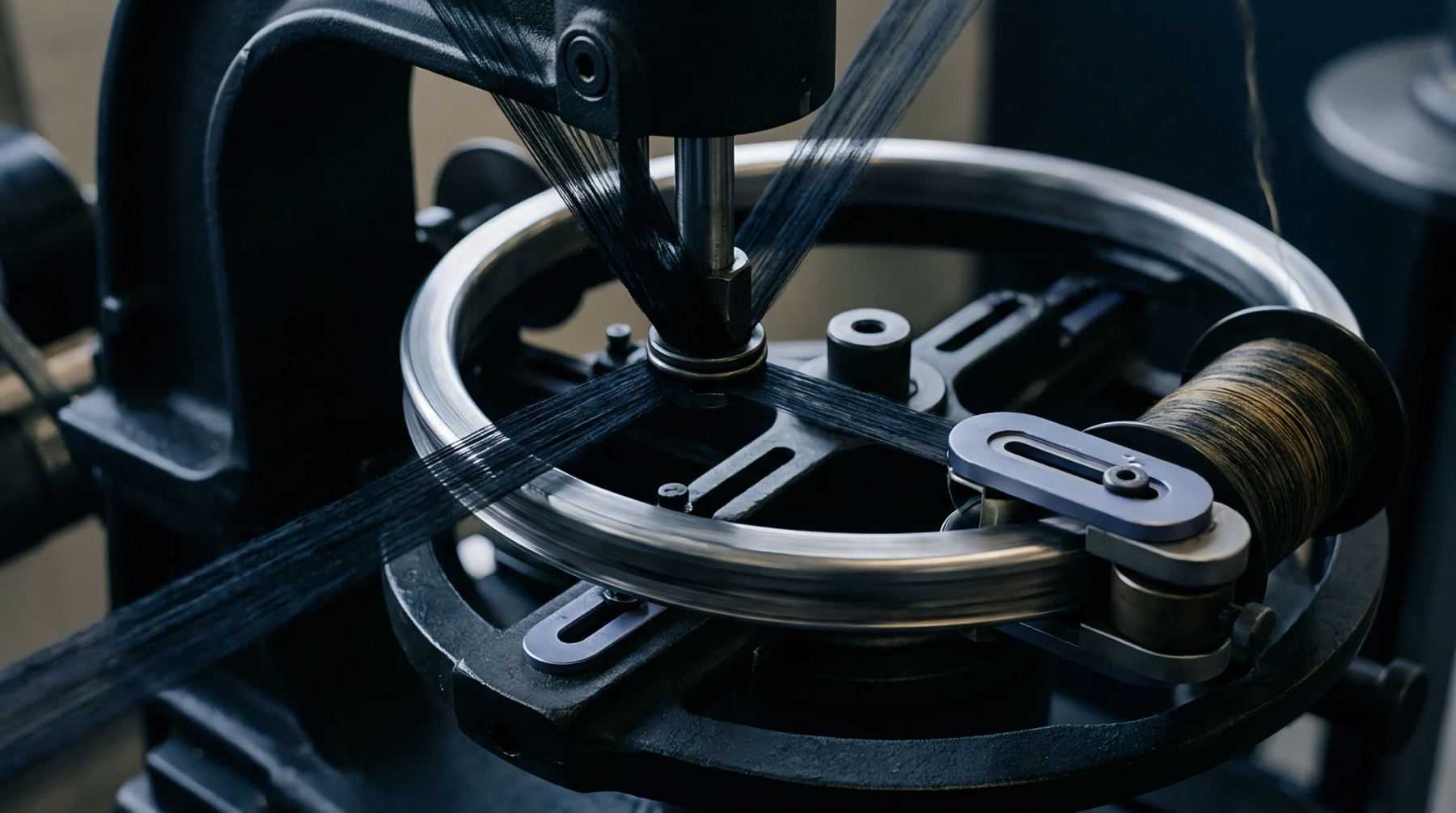
Agricultural cotton crop shifts alter non-cellulosic mass loss and laboratory chemical test d-factors, driving borderline synthetic blends across tariff thresholds.

Chemical indemnity exposure aggregates landed garment values, hazardous destruction fees, and retailer chargebacks, requiring contract caps and retained swatches.

Greige inspection for continuous open-width preparation requires quantifying size add-on, loom defects, and oil content to prevent wet line tear.

Quantitative chemical separation dissolves target fibers selectively to yield dry gravimetric residues for precise commercial blend declarations.

Laboratory desiccation above 105°C volatilizes synthetic spin finish esters, requiring solvent extraction baselines to prevent commercial weight penalties.

Dynamic yarn interlocking controls dimensional stability by balancing line tension with rubber belt compaction to permanently lock relaxed crimp geometry.

Commercial mass in intimate fibre mixtures derives from oven-dry component weights adjusted by individual official moisture regain values under ISO 6741.

Biaxial stenter overfeed balances longitudinal pin delivery against rail divergence to lock yarn crimp and reduce finished fabric washing shrinkage below 3 percent.
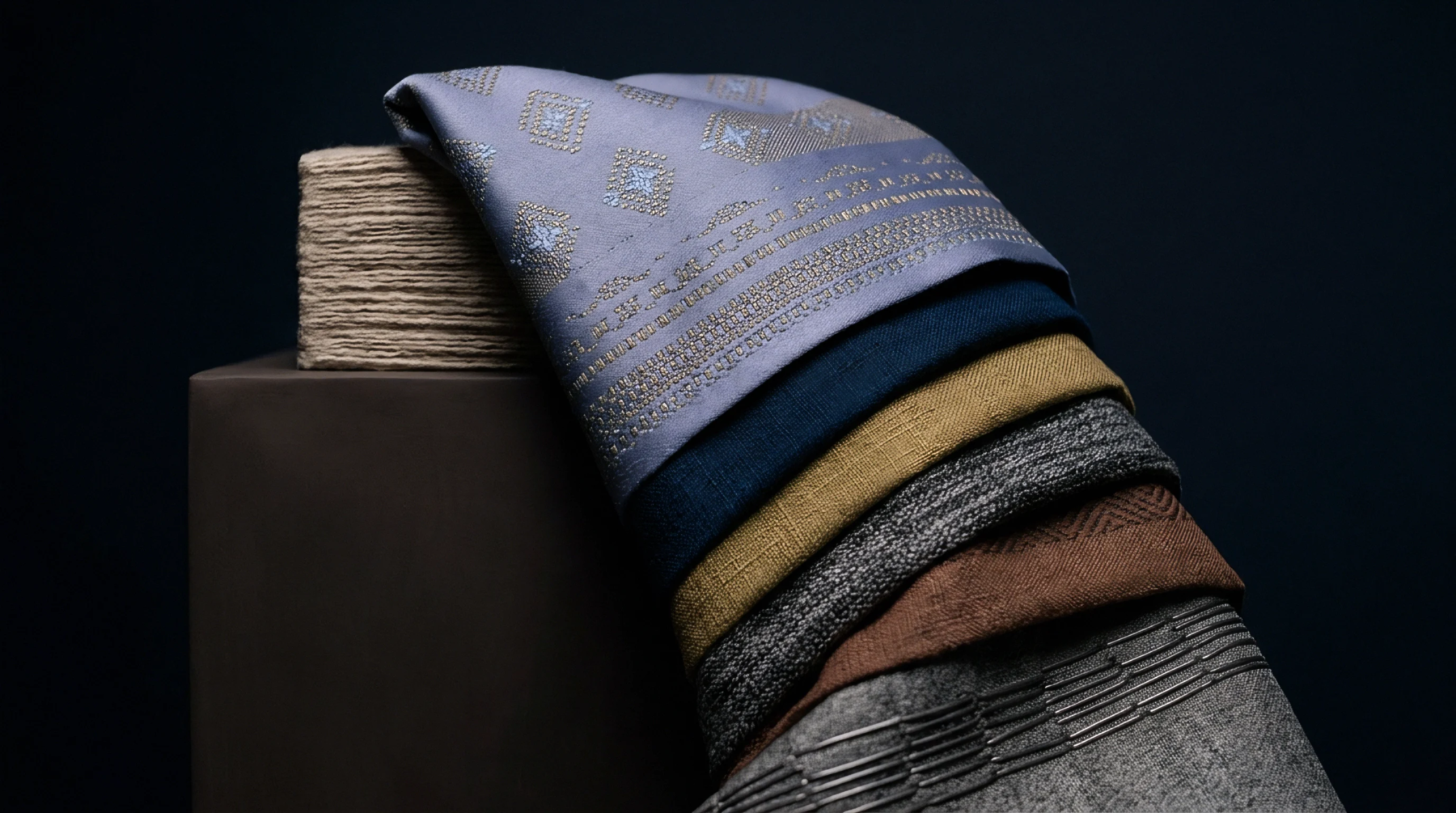
Resolving microscopic scale loss in recycled animal hair requires high-tenacity carrier wool additions and proteomic mass spectrometry verification.
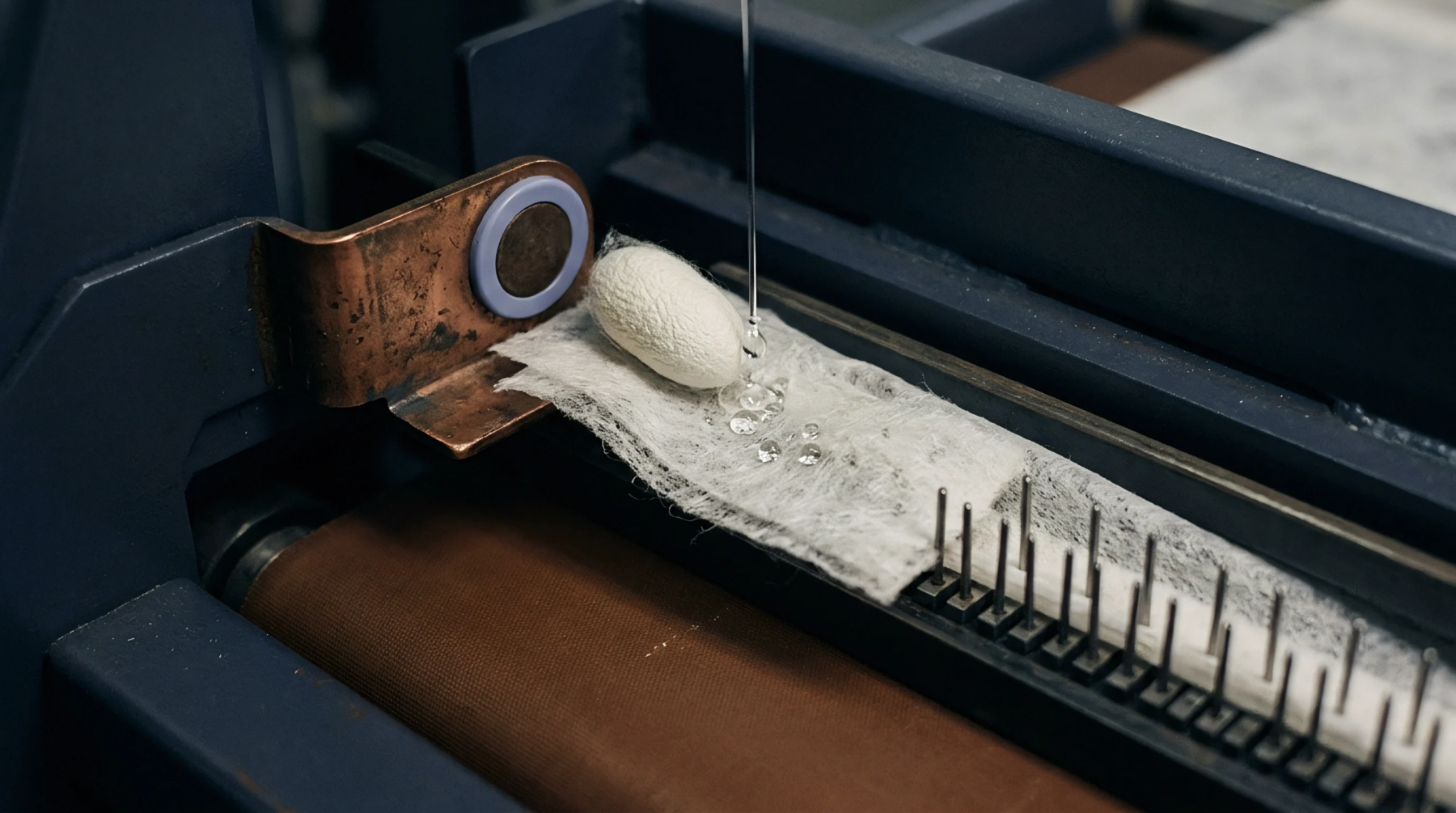
Resolving chromatographic discrepancies requires standardized cryo-milling, isotope dilution LC-MS/MS, and contractually binding split-sample referee protocols.

Crimp interchange governs how warp and weft yarns swap geometric deflection under tension, dictating fabric dimensions, tensile balance, and residual shrinkage.

Calculate coated broadcloth chemical retest intervals by weighting polymer risk tiers, curing oven stability, and lot volumes against customs detention costs.
Expertise is a utility, not a secret. sentiention™ publishes its working knowledge as open reference: intelligence layer covering the materials it sources, the markets it enters, and the reference that serves both.