
Air Jet Loom Beat up Motion Mechanics under High Warp Stress Conditions
Tune conjugate cam dwell and synchronize active backrest movement to suppress peak beatup tension below sixty percent of warp filament elastic limit.

Tune conjugate cam dwell and synchronize active backrest movement to suppress peak beatup tension below sixty percent of warp filament elastic limit.

Warp cover factor calculations require correcting direct yarn counts for polymer density and cross-sectional flattening to predict barrier performance accurately.
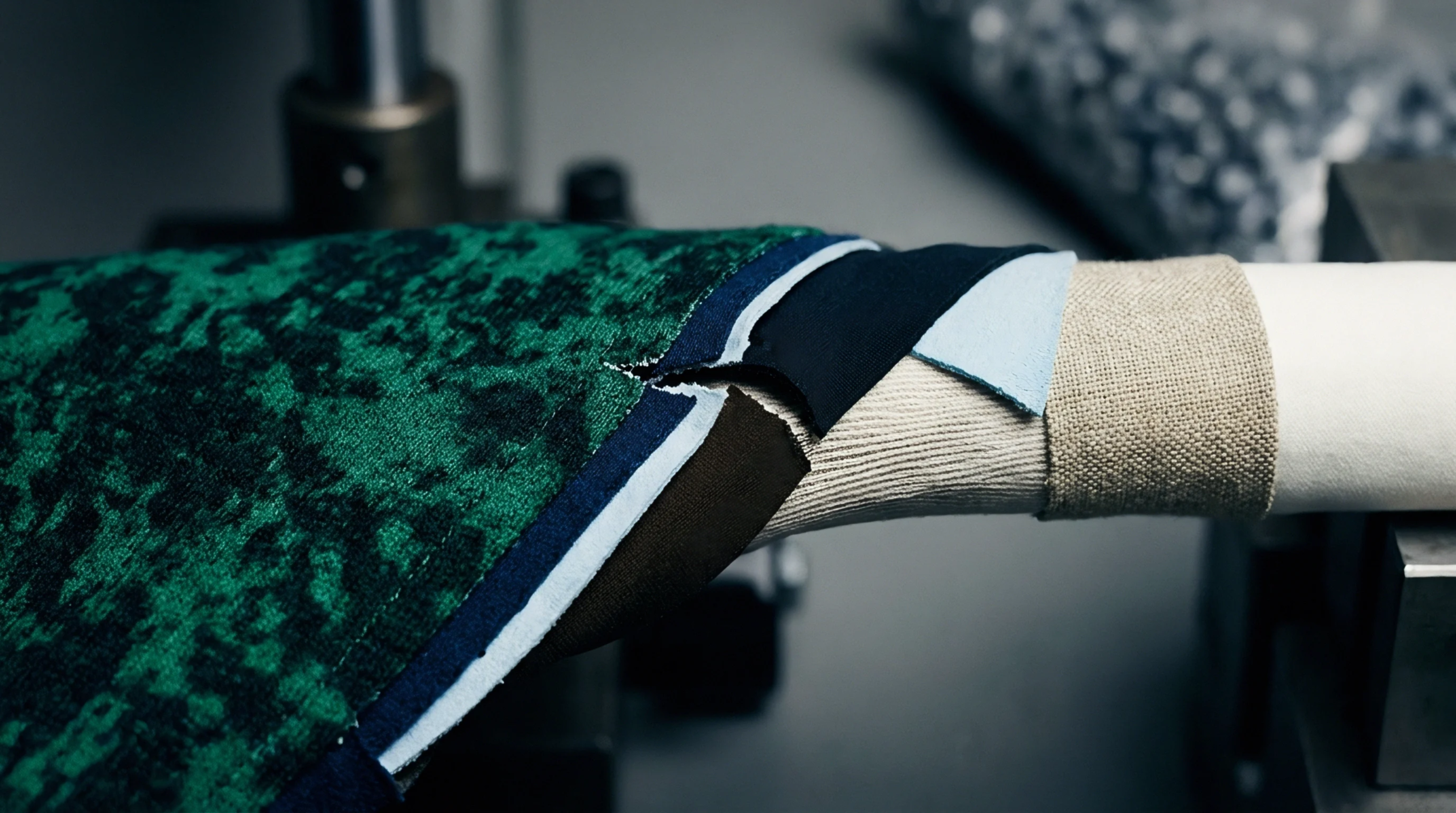
Spectroscopic micro-mapping resolves local finish depletion across yarn apexes that causes barrier failure despite compliant bulk chemical add-on assays.

Subterranean chemical entrapment in functional membranes causes compliance failures under solvent matrix digestion despite passing routine surface wash tests.
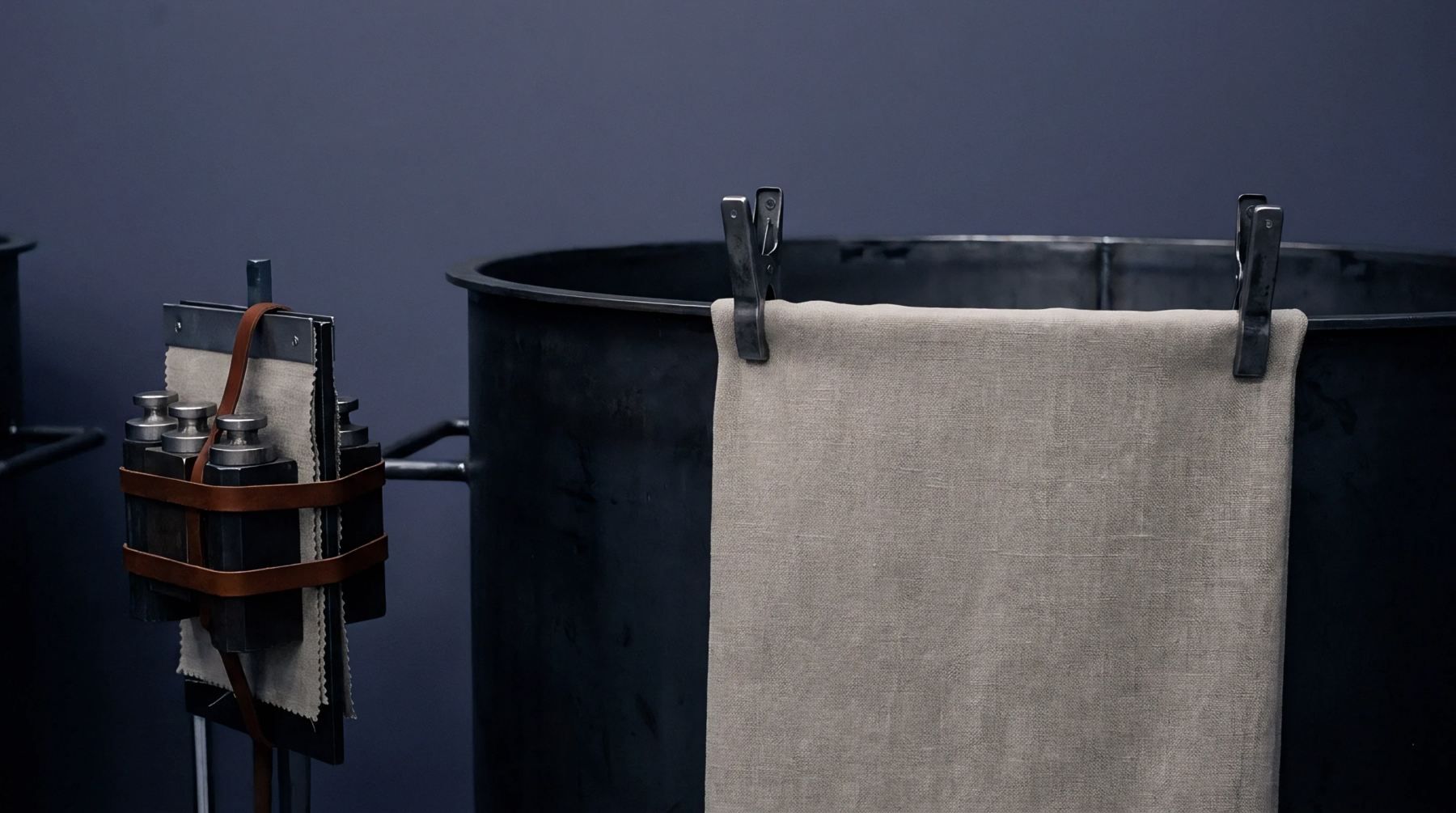
Reconciling inter-laboratory discrepancies and certificate expiration demands sealed split-sample retention, standardized extraction parameters, and tight contract risk allocation.

Statistical batch sampling links chemical extraction methods and instrument reporting limits to specific dye lots, preventing contaminated roll acceptance.

Micro cavitation in recirculating printheads erodes channel passivation via cyclic shockwaves, causing drop deflection, wash fastness drops, and array failure.

Verify restricted substances at the incoming dispensary and finished roll edges to prevent chemical migration and border detentions before container loading.
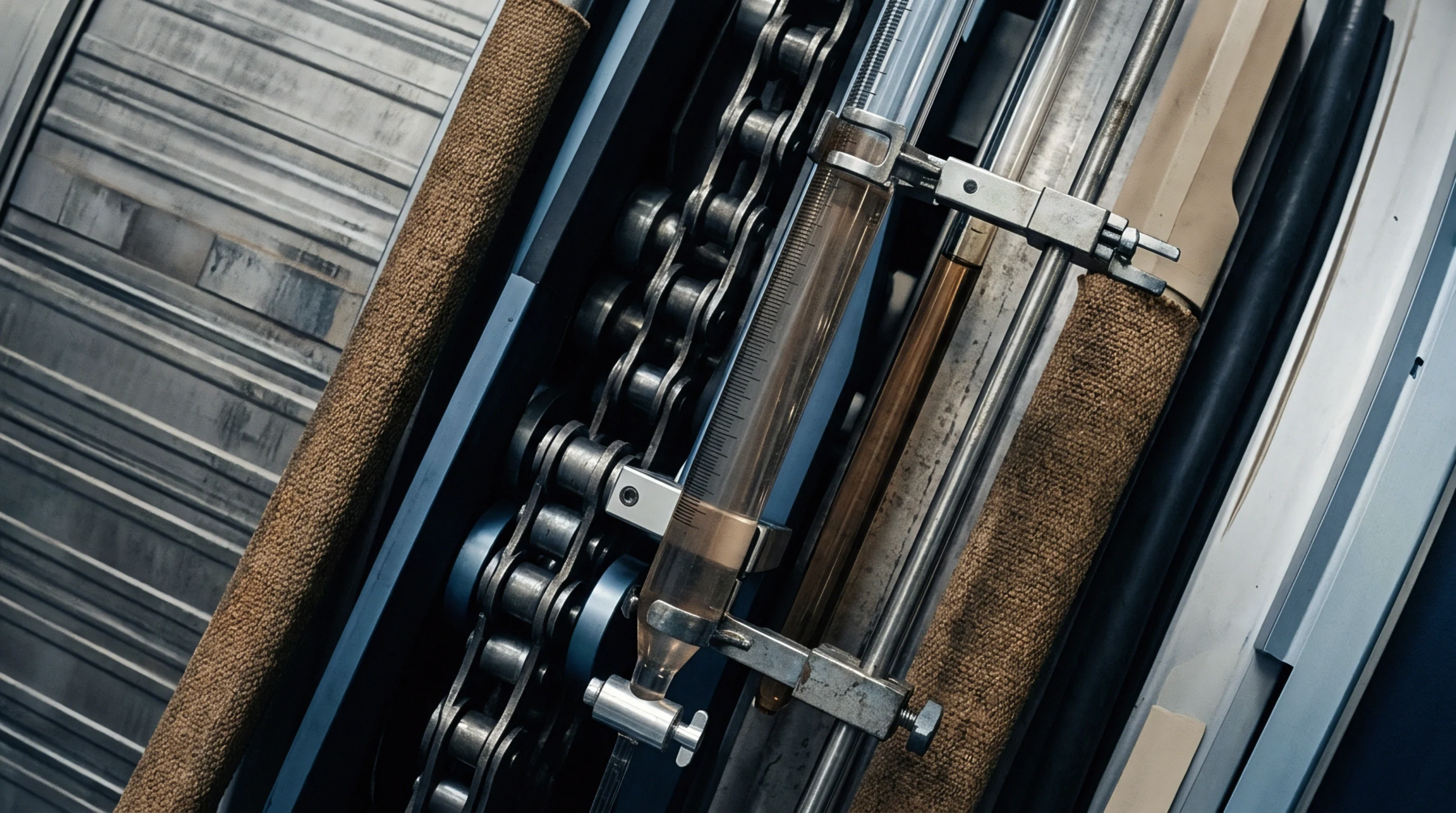
Single pass contracts separate printhead maintenance purge chemistry from base yardage rates through real time flow telemetry and agreed spit latency baselines.

Stable isotope analysis and synthetic molecular taggants supersede paper certificates to verify regional origin for cross-border textile regulatory compliance.

Actuator ferroelectric fatigue and cavitation erosion degrade drop velocity, causing web banding that mandates scheduled printhead array replacement.

Intermediate multi-tier certificate reconciliation demands balancing physical mass loss across manufacturing tiers against targeted analytical assays.
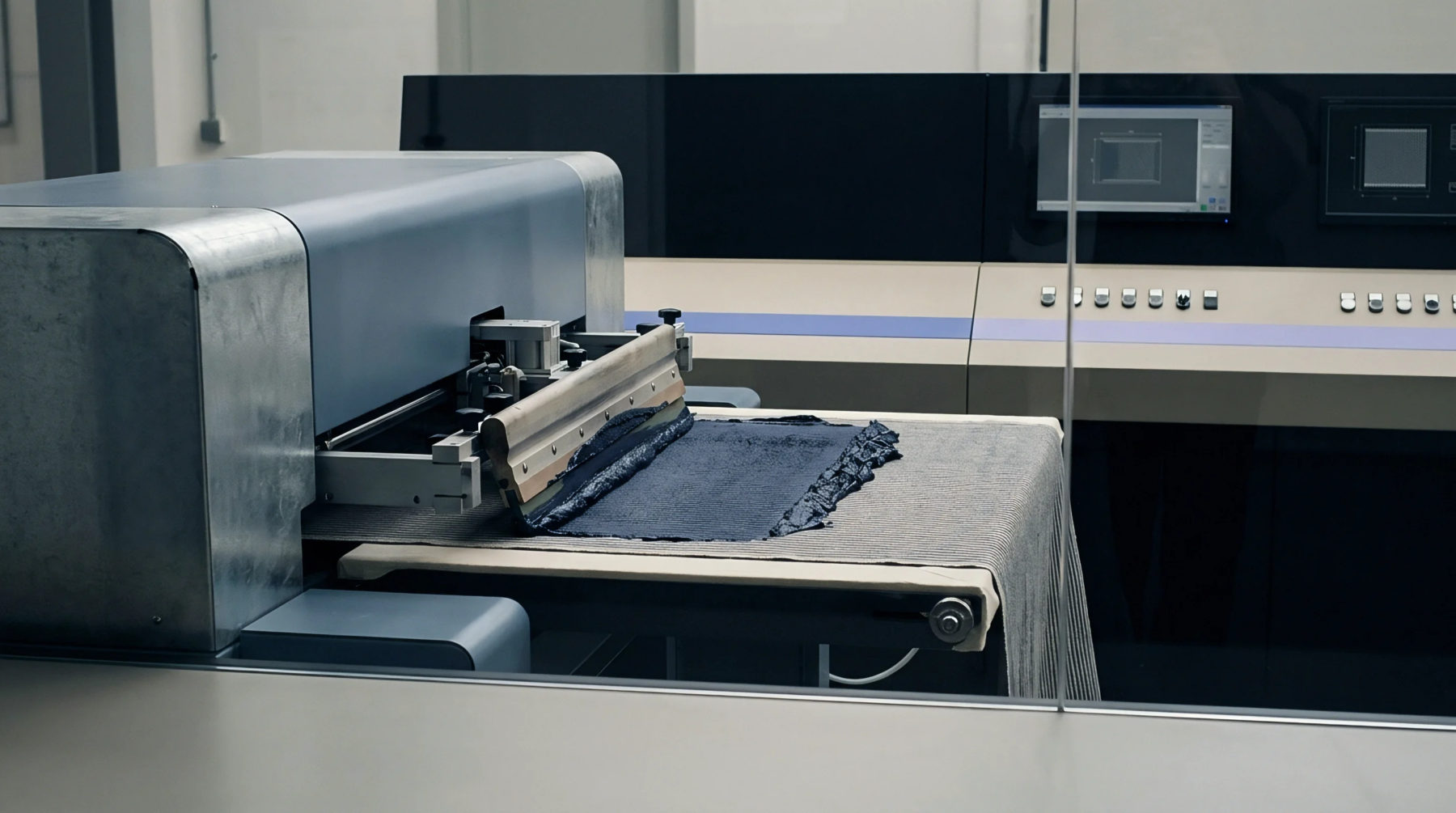
Digital single pass printing delivers lower unit costs below three thousand metres while rotary screens dominate higher volumes through cheap paste chemistry.

Continuous dyeing eclipses exhaust jet processing on direct manufacturing cost once run lengths surpass 3,200 finished metres for mid-weight woven twills.

Mass balance chain of custody claims require third-party audited inventory ledgers that deduct empirical yield losses and prevent unevidenced credit deficits.

Digital printing eliminates prepress screen charges and startup scrap, beating rotary economics below 2,000 metres before paste cost parity shifts at 6,000.

Low liquor ratio dye extraction stalls unless thermal ramping is delayed until bath electrolyte drops below two grams per liter to enable desorptive diffusion.

Calibrating dissolution kinetics and empirical d-factors prevents false gravimetric residue readings, avoiding costly customs reclassification and blend disputes.
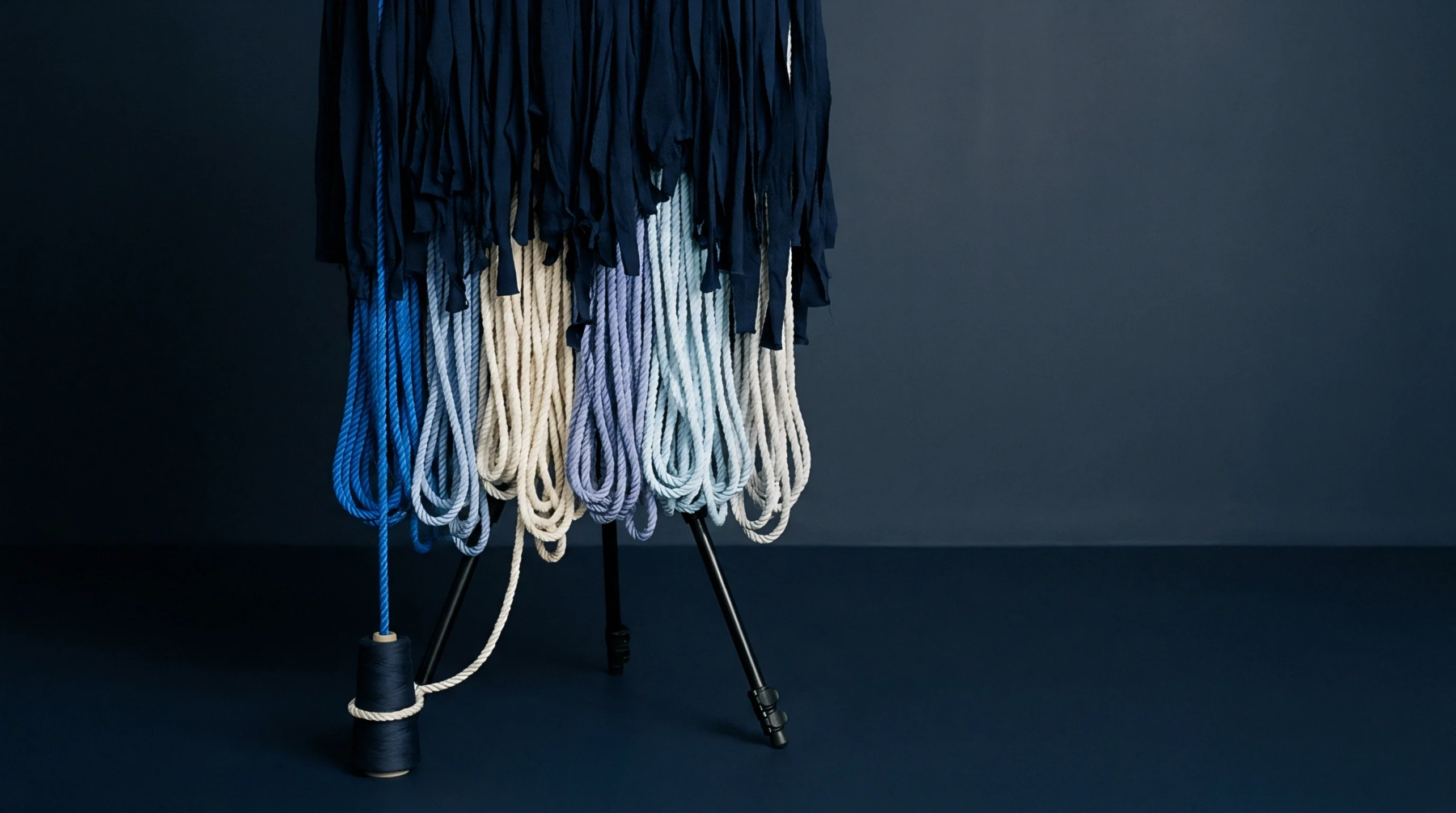
High-temperature water exchanges below electrolyte thresholds overcome dye affinity, removing hydrolyzed reactive chromophores to pass ISO 105-C06 wash tests.

Selective dissolution via seventy-five percent sulfuric acid or formic acid zincate separates cotton from viscose after solvent scouring and mass correction.
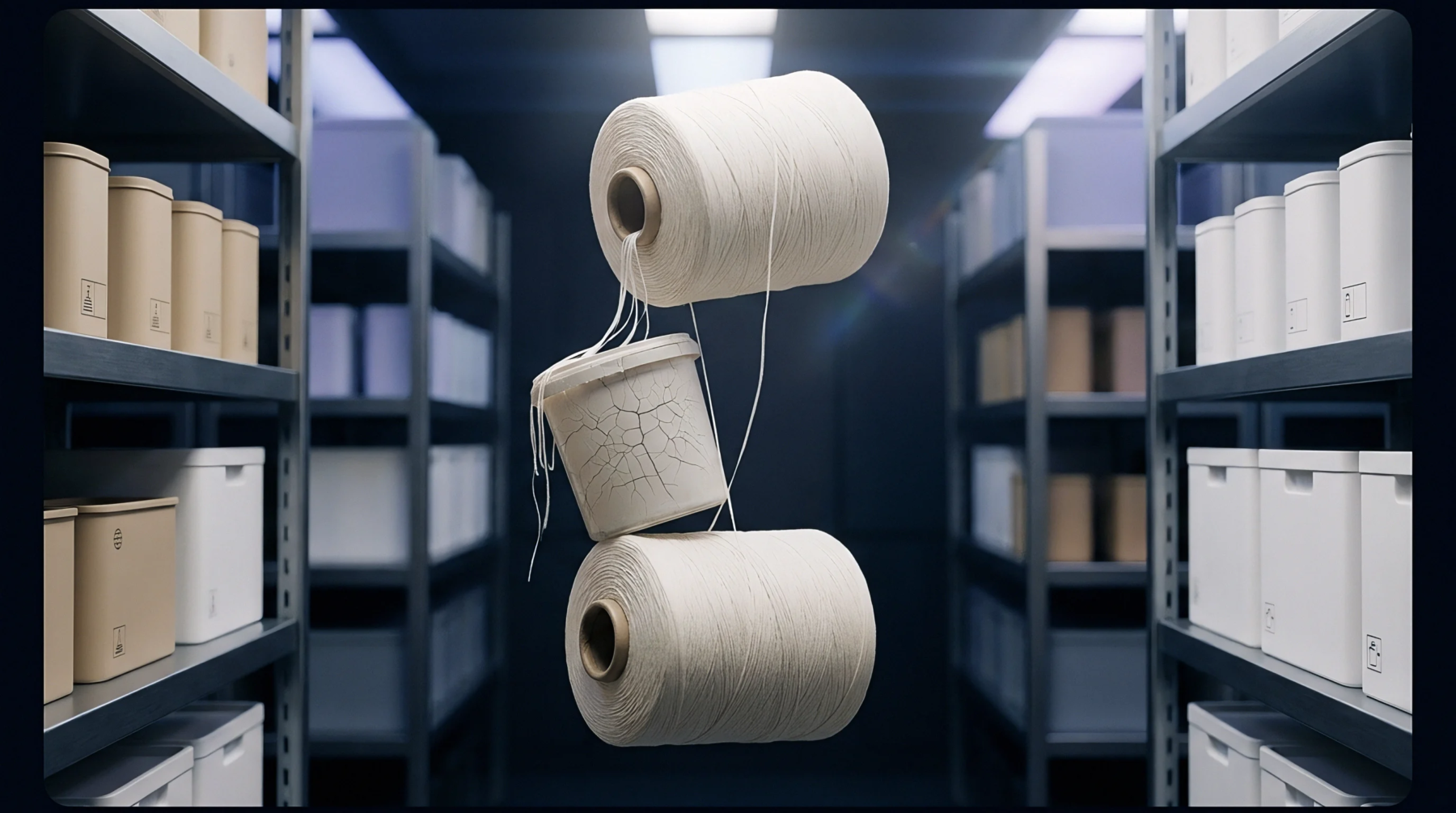
Dual-sensor optoelectronic winders extract low-density polyethylene by isolating polarized specular reflection from diffuse cotton scatter at calibrated cut limits.
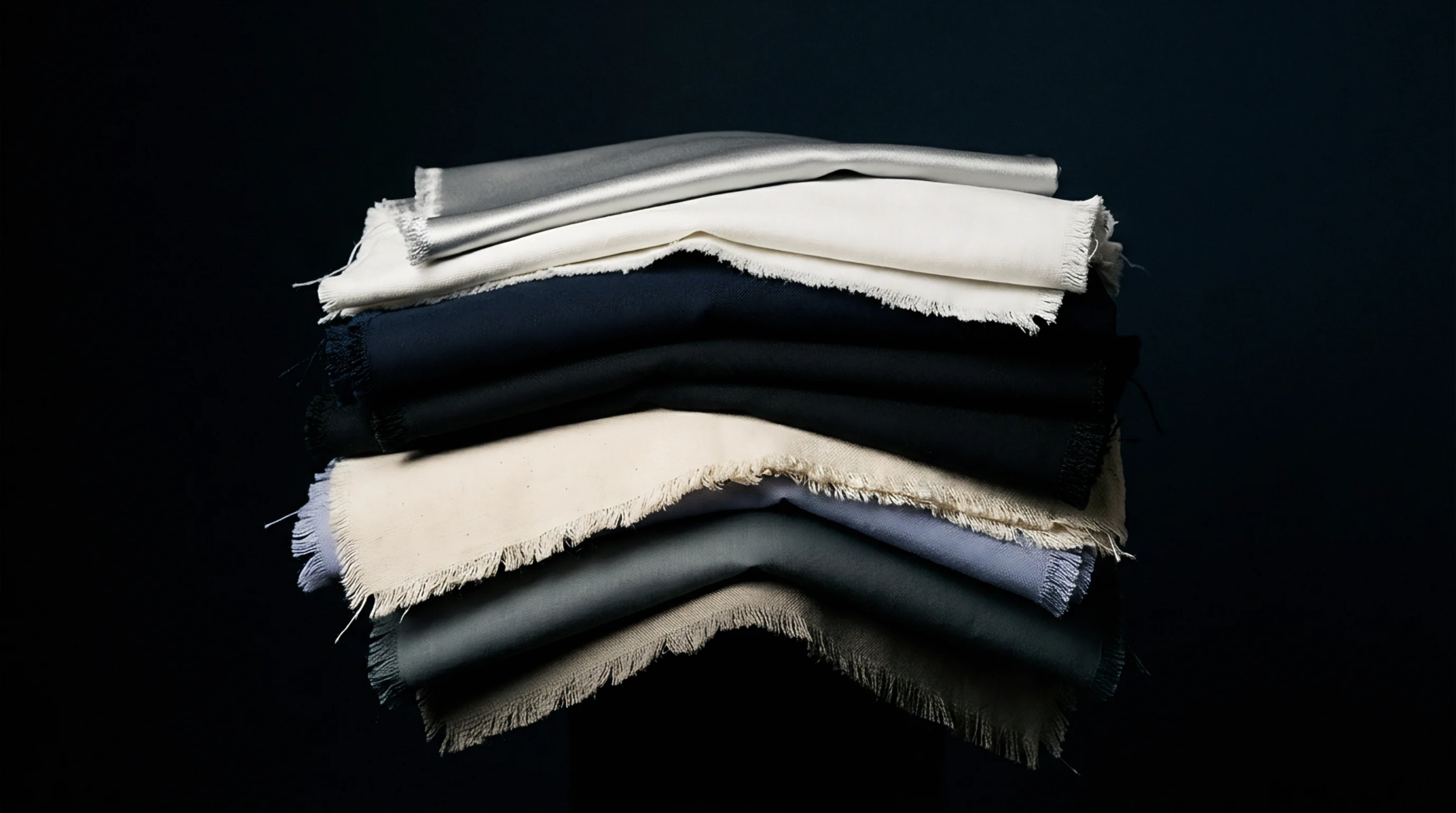
Bimodal chemical variance requires zone-specific edge and center testing to prevent composite dilution from masking localized regulatory threshold failures.

Quantifying hydrophobic film defect frequency in combed knits combines ISO 811 hydrostatic testing with inline 0.1-millimetre optical scanning per 100 square metres.
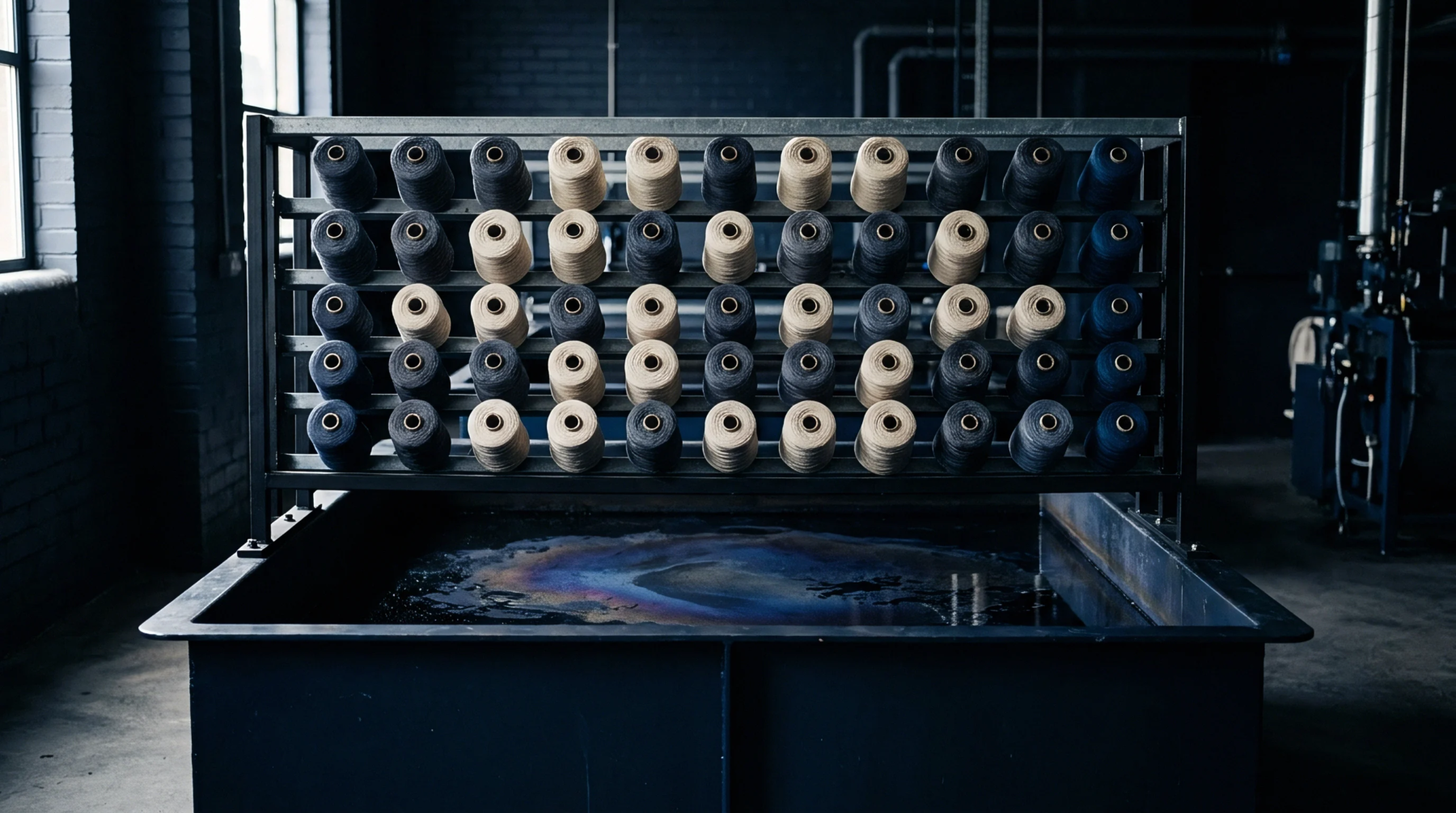
Remove hydrolyzed reactive dye from cotton knits by dropping salt below 2 g/L, neutralizing to pH 6.5, and soaping at 95°C with polyacrylate dispersants.

Identify polyolefin film in combed cotton using FTIR spectroscopy and DSC melting peaks to enforce ISO 10306 claims before dyeing.

Preconditioning protein fibers from the dry side eliminates up to two percent commercial mass variance caused by sorption hysteresis between testing laboratories.

Corrected invoice weight computes commercial mass from oven-dry clean polymer fractions adjusted by official regains and extractable allowances under IWTO-33 rules.
Expertise is a utility, not a secret. sentiention™ publishes its working knowledge as open reference: intelligence layer covering the materials it sources, the markets it enters, and the reference that serves both.