Pneumatic Condensation
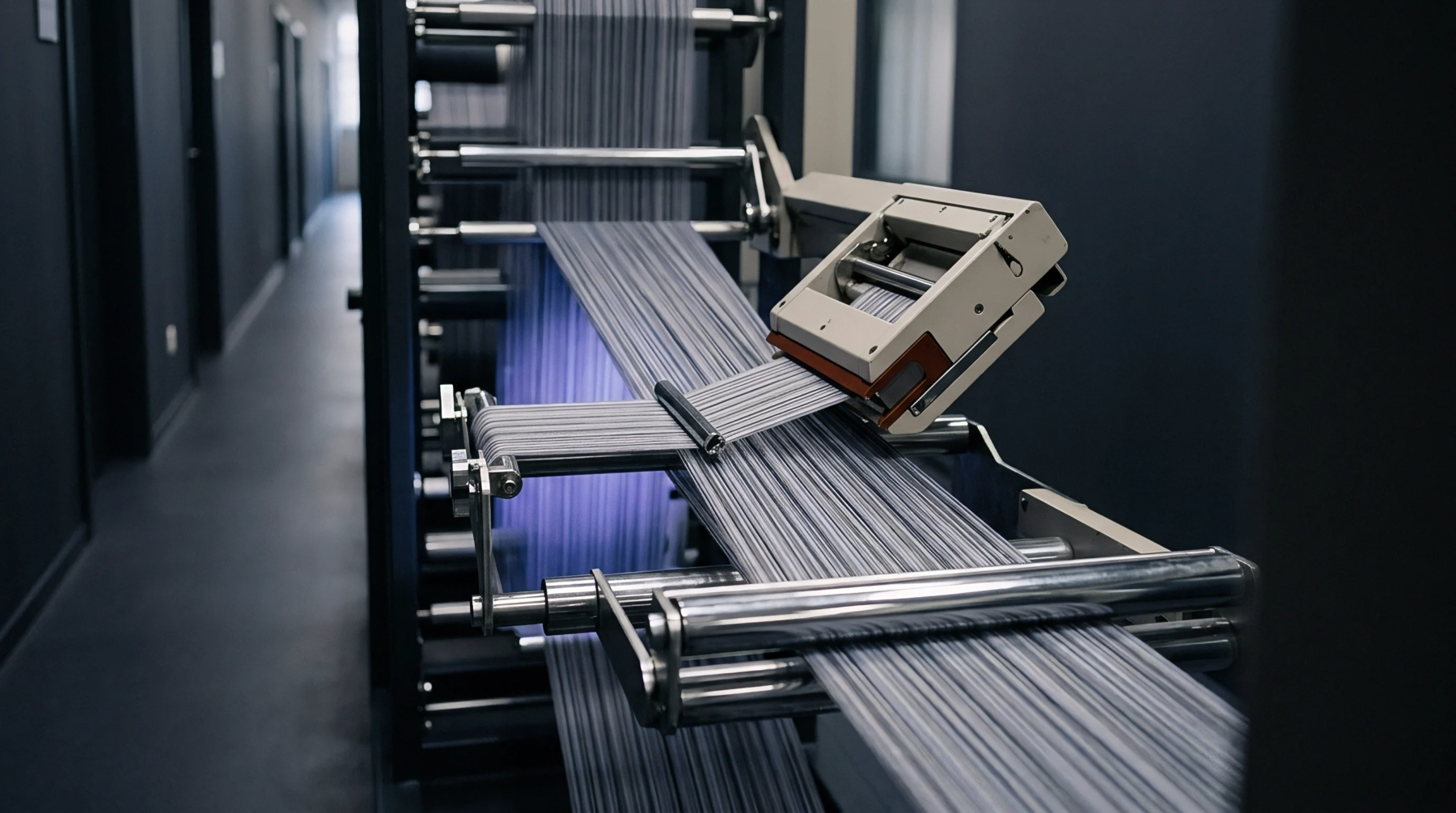
Advanced drafting of staple fibers utilizes a suction slot to compress the fiber strand before twisting. Through compact ring spinning, the spinning triangle is minimized, which aligns the fiber ends more securely into the yarn core. This alignment increases the yarn density.
Yarn Structuralization
Frictional resistance and hairiness are reduced due to the compact structure of the spun yarn. Traditional spinning produces yarn with protruding fiber ends, whereas compact ring spinning binds these ends into the yarn body. This results in a smoother yarn surface that requires less sizing during preparation for weaving, reducing chemical consumption in the mill.
Commercial Evaluation
Quality testing reveals a reduction in the variation of yarn strength. Yarn produced via compact ring spinning exhibits high elongation and uniformity, which translates to fewer yarn breaks during high-speed warping and knitting. Mills benefit from increased efficiency and reduced machine stops in subsequent processing stages.
Tensile Maintenance
Mechanical adaptation of drafting zones requires a perforated apron or roller system to exert pneumatic control. Modern systems designed for compact ring spinning employ continuous airflow to draw individual fibers together just before they leave the nip line of the delivery rollers. This action secures the outermost fibers that would otherwise form lint on the spinning frame, resulting in a cleaner manufacturing environment and a more consistent yarn diameter across large production batches.