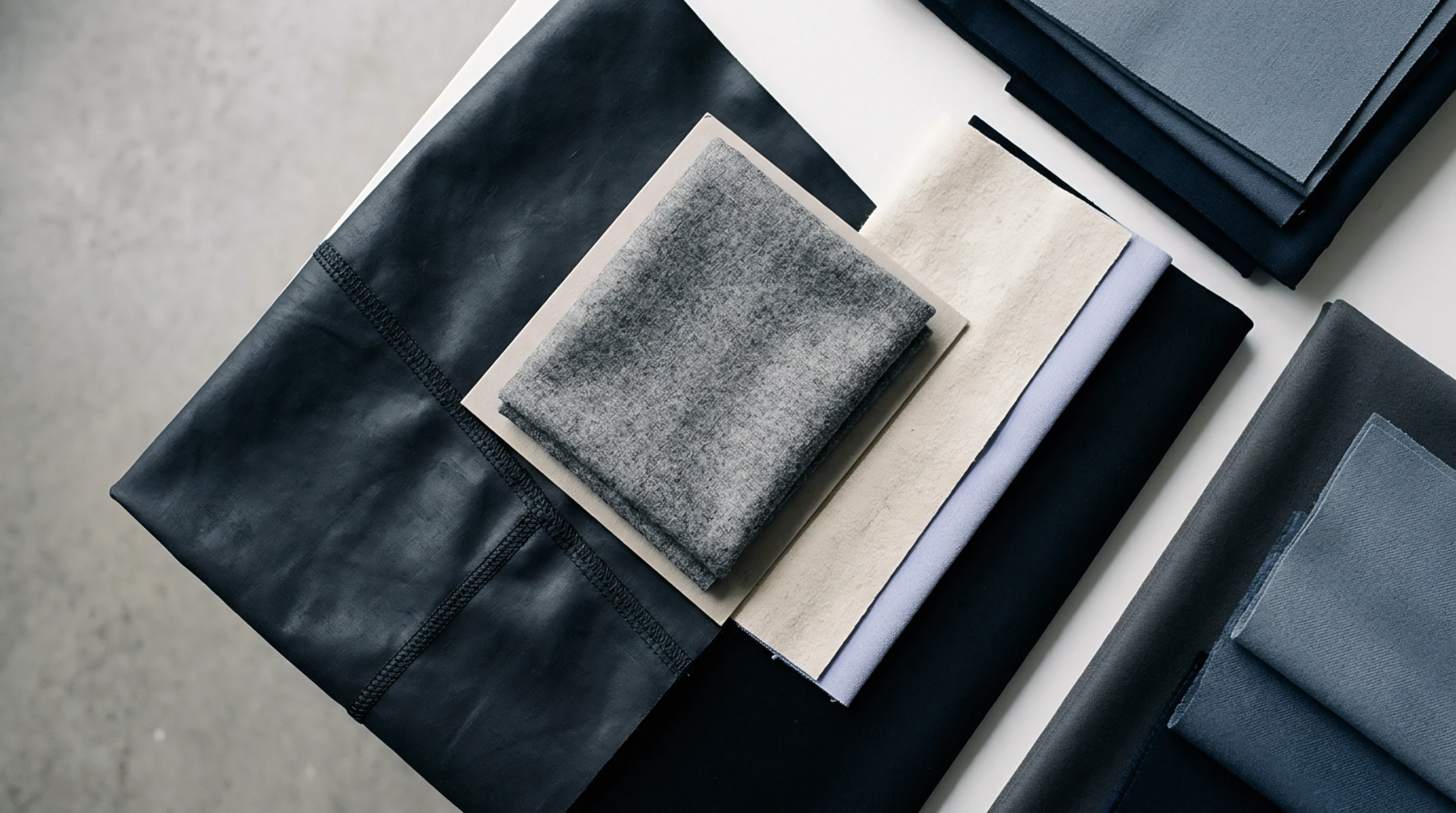
Establishing Baseline Chemical Retesting Metrics for Woven Fabrics
Baseline chemical retesting for woven fabric requires lot-tied testing intervals matched to finishing risk, analytical variance buffers, and contract indemnity.

Baseline chemical retesting for woven fabric requires lot-tied testing intervals matched to finishing risk, analytical variance buffers, and contract indemnity.
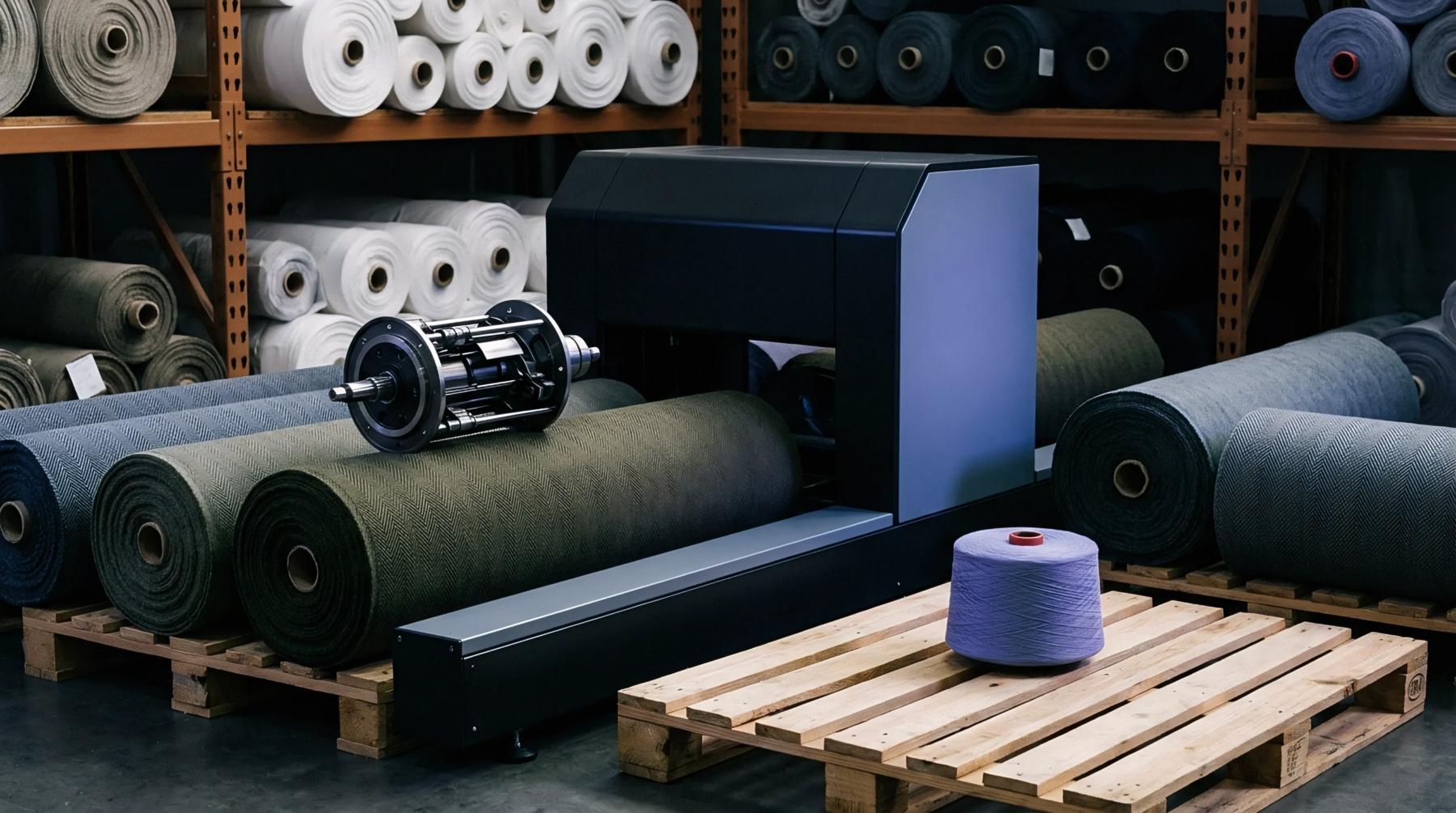
Swelling solvents and solid phase cleanups break post-finished resin barriers to prevent false compliant surveillance reports and costly border detentions.
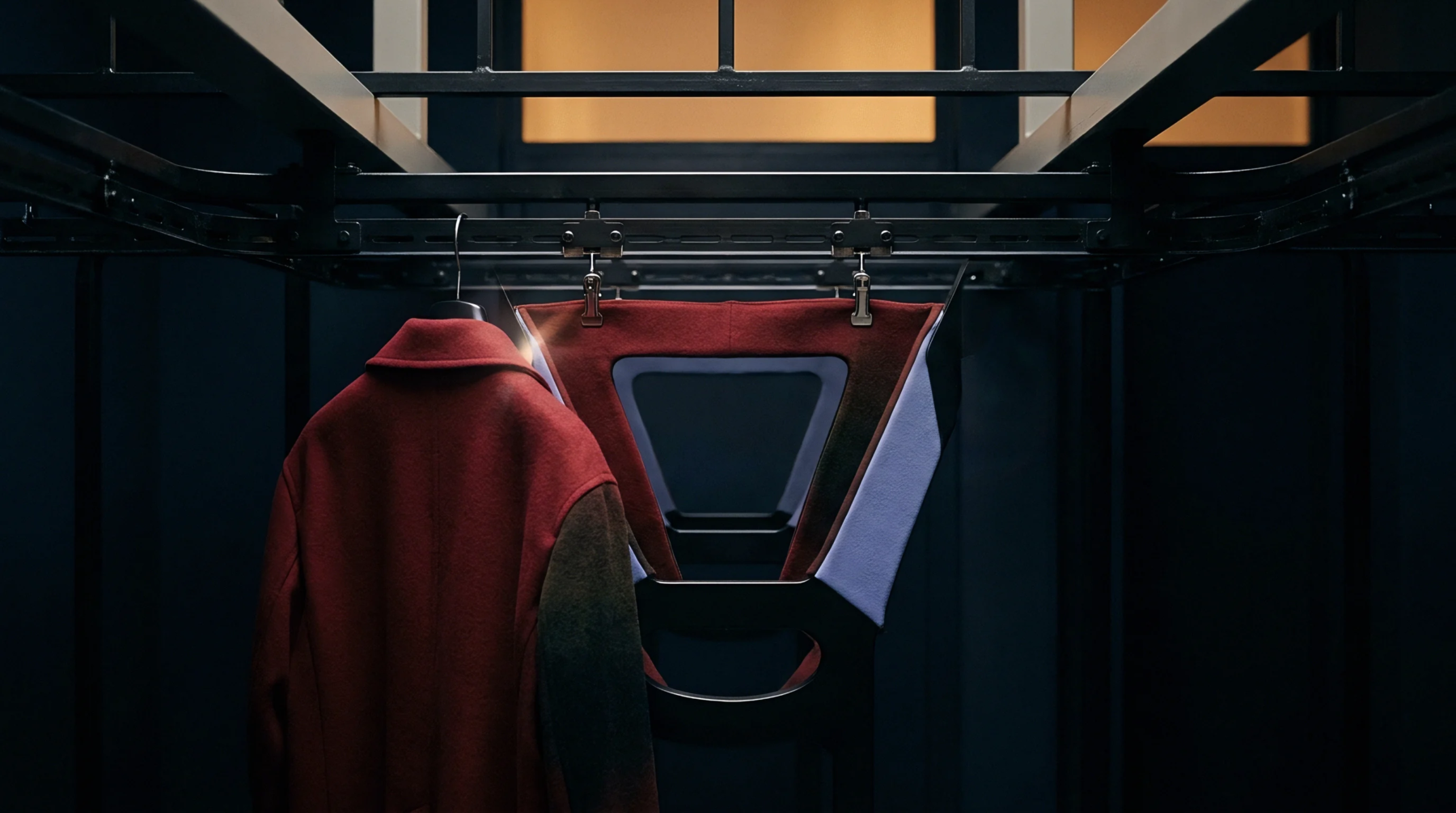
Industrial garment wet processing alters garment dry mass and creates matrix interferences, shifting analytical chemical concentrations past legal thresholds.
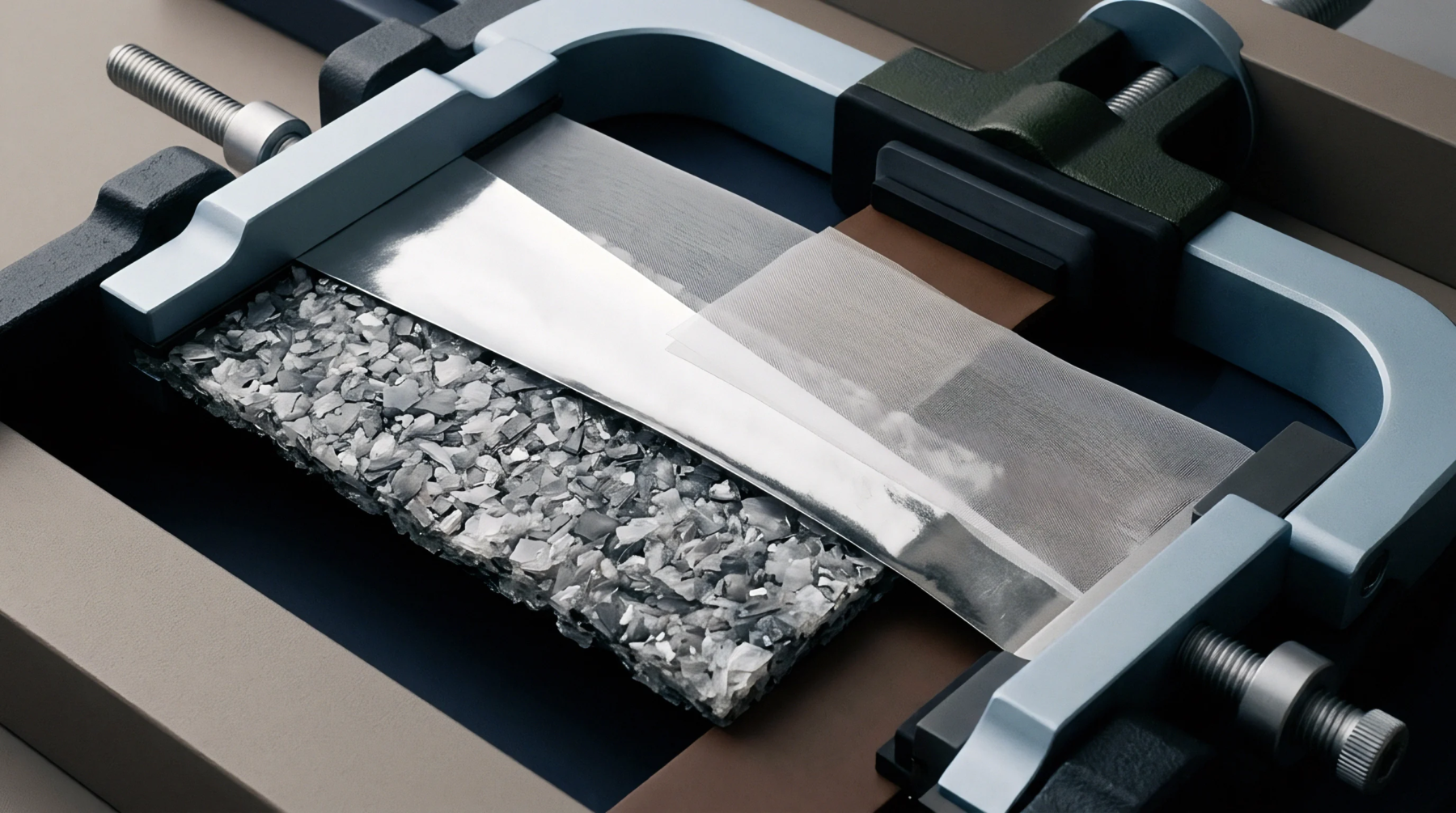
Unannounced fiber substitutions exploit the three percent blend tolerance, skewing chemical test matrices and triggering customs tariff reclassifications.
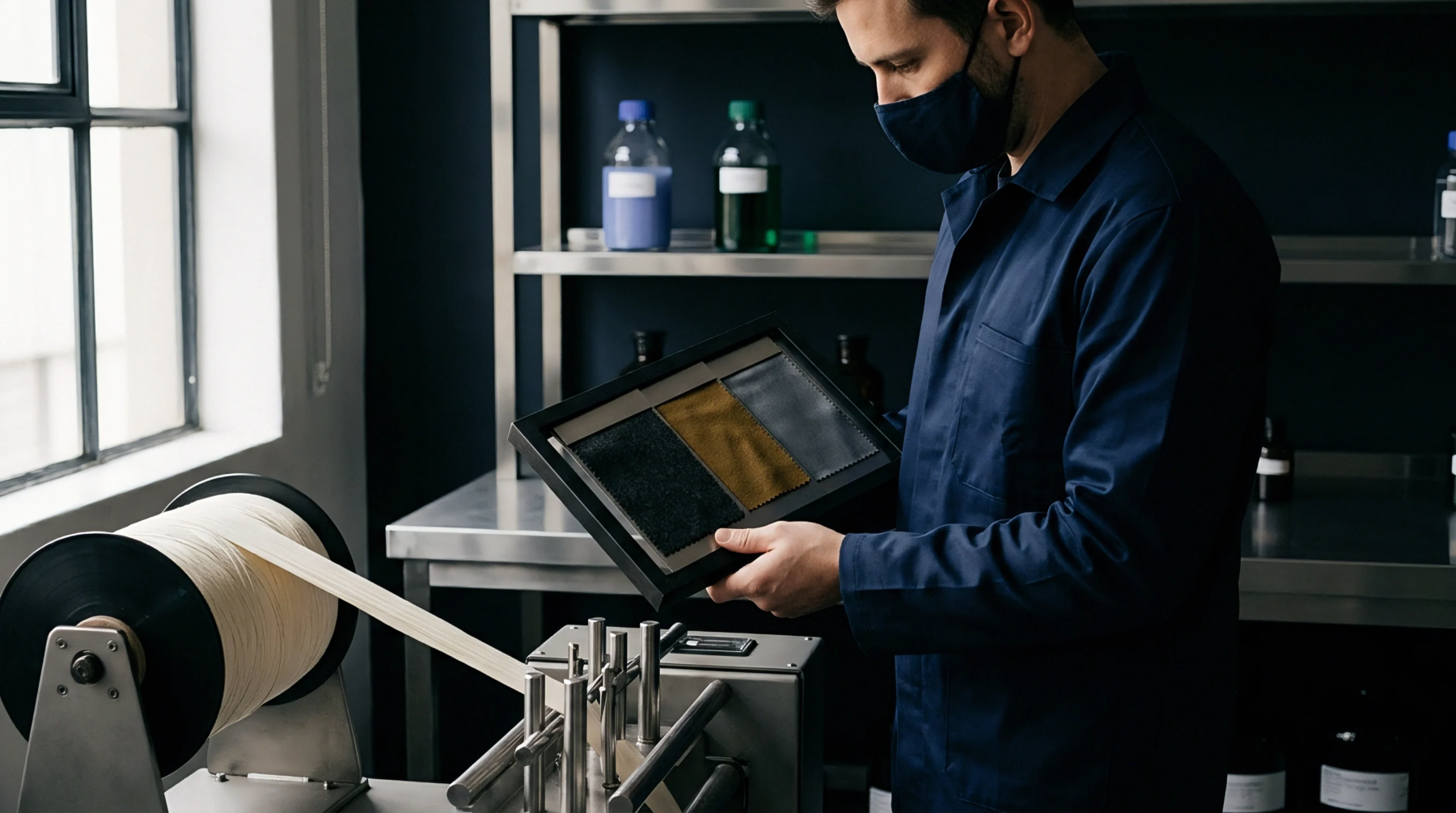
Arbitral chemical attribution requires lot-traceable retains, ISO 17025 test methods, and clear subcontracting clauses to allocate contamination liabilities.

Arbitral tribunals shift retest and recall costs only when buyers prove chemical non-conformity via unbroken sampling chains and exhaust all fabric reconditioning.
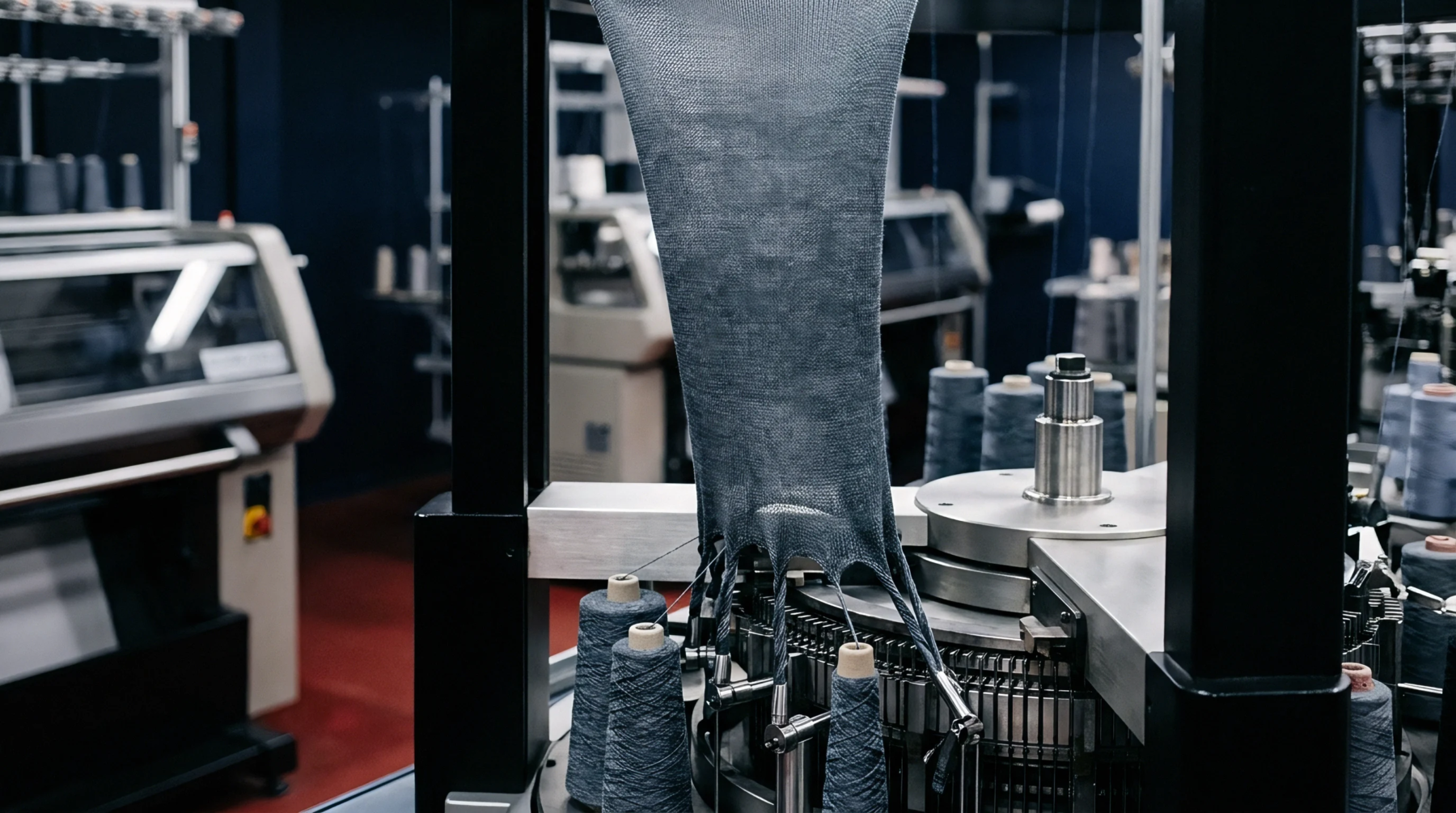
Commercial moisture regain converts variable as-received yarn mass to an oven-dry baseline plus legal allowances, preventing buyers from paying for transit water.

Chemical compliance liability remains strictly with the importer of record, demanding batch testing and documentary holdbacks over subcontract wet processors.

Core penetration in heavy twills demands submerged nip saturation and 180-second saturated steam dwell to prevent pale ring-dyeing faults and shade rejection.
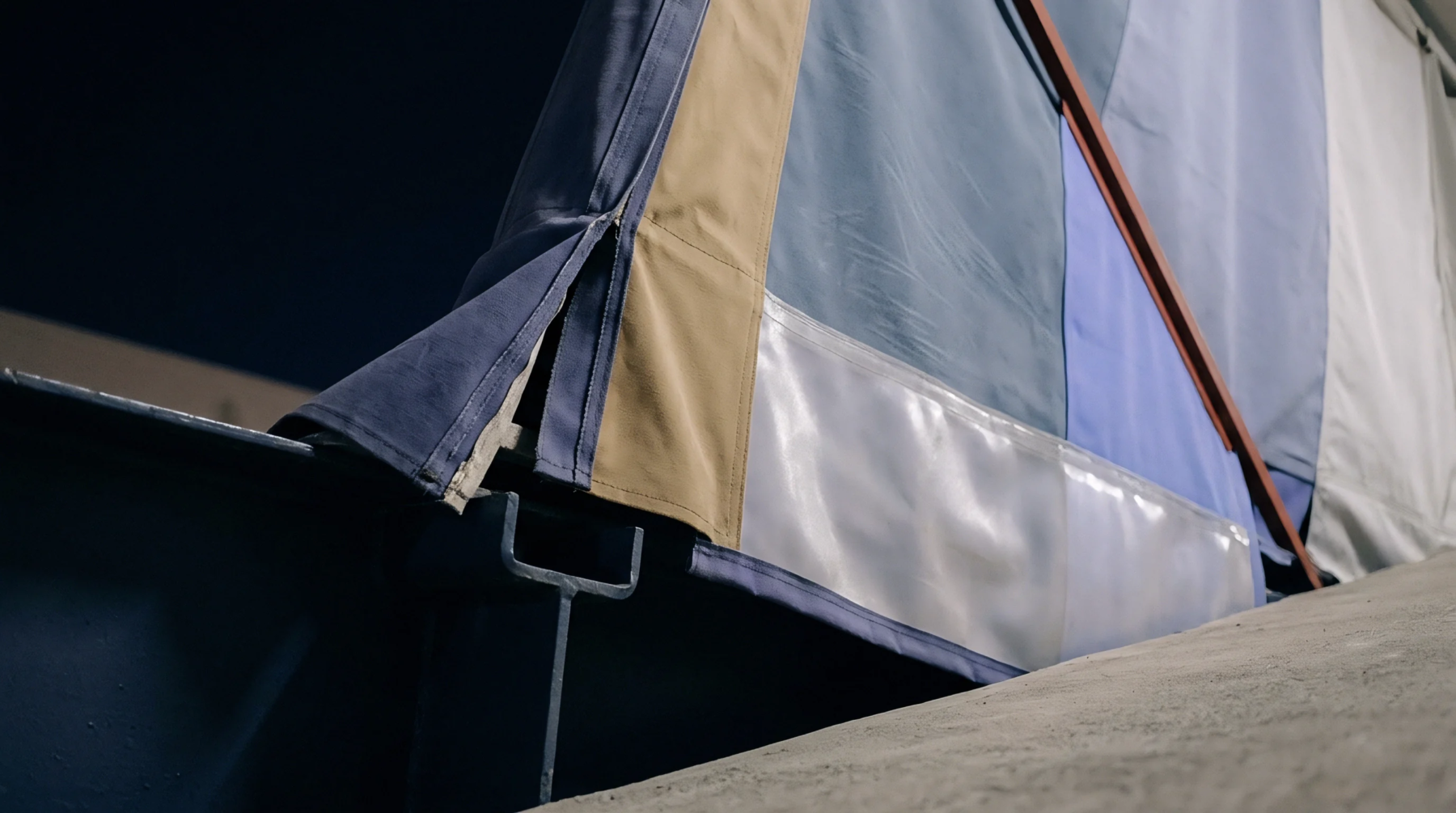
Nonparametric multi-point acceptance criteria prevent border seizures by replacing misleading composite averages with discrete rank-based selvedge compliance checks.

Across-width crosslinker variation in continuous stenters requires statistical tolerance analysis combining pad nip deflection, migration, and L/C/R sampling.
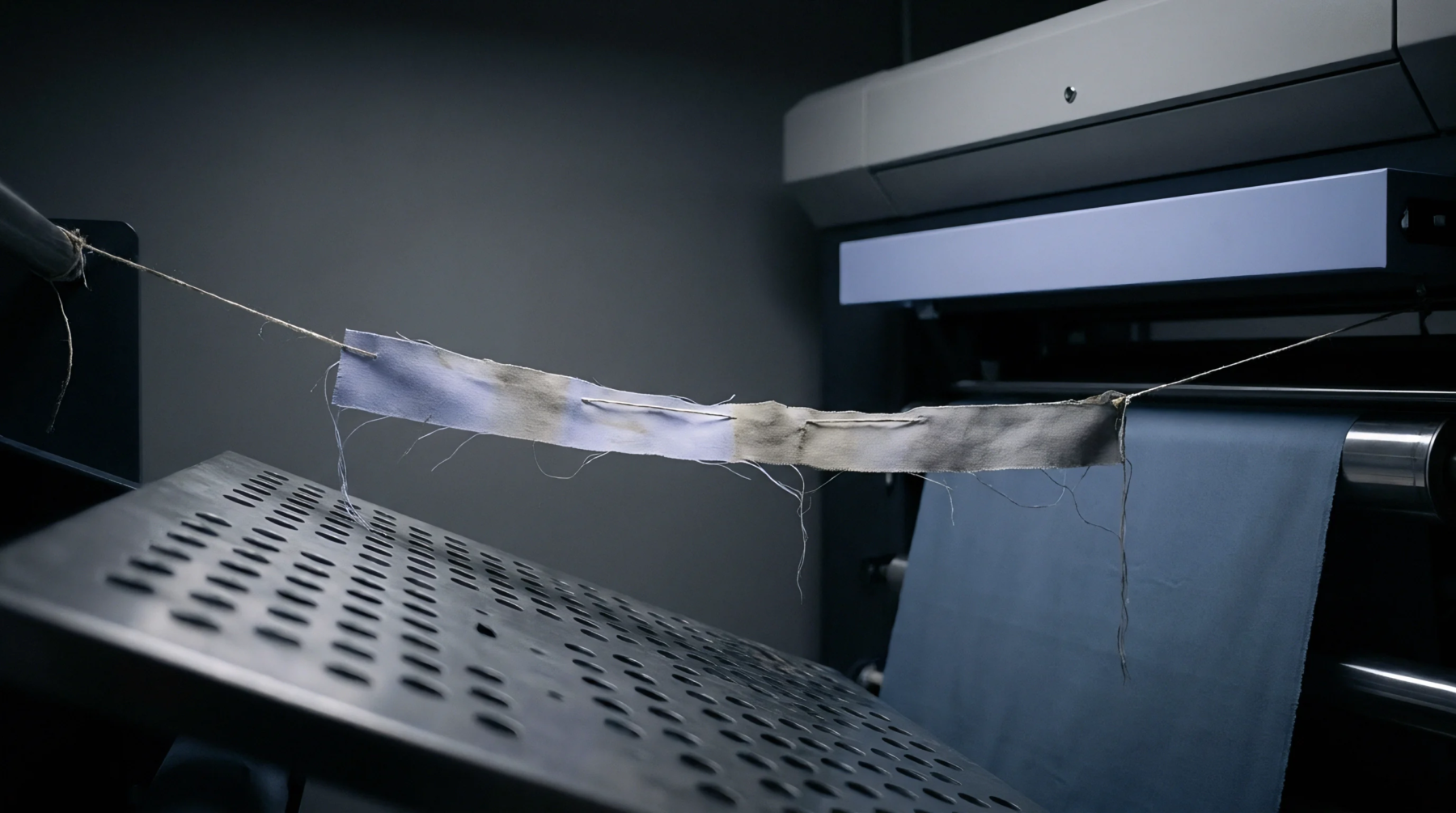
Variable acceptance sampling under ISO 3951 verifies transverse finish uniformity by testing continuous mass add-on against statistical tolerance limits.

Continuous scouring and mercerization of heavy cotton demands high-temperature wetting, chilled 30 Baumé lye, positive chain tension, and core acid neutralization.
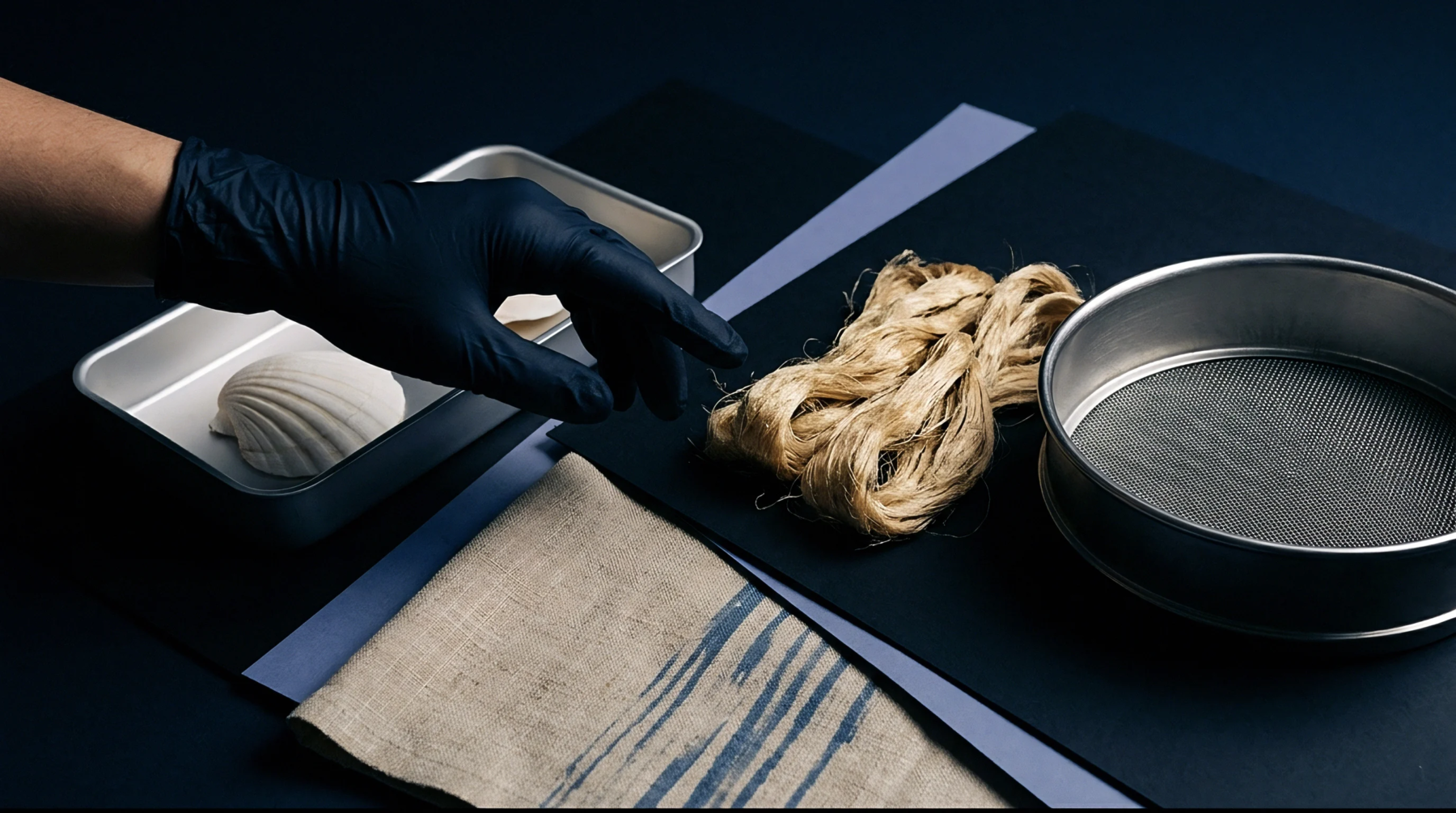
Commercial moisture regain additions legally alter dry fibre mass ratios, shifting predominant weight and triggering customs tariff reclassifications.
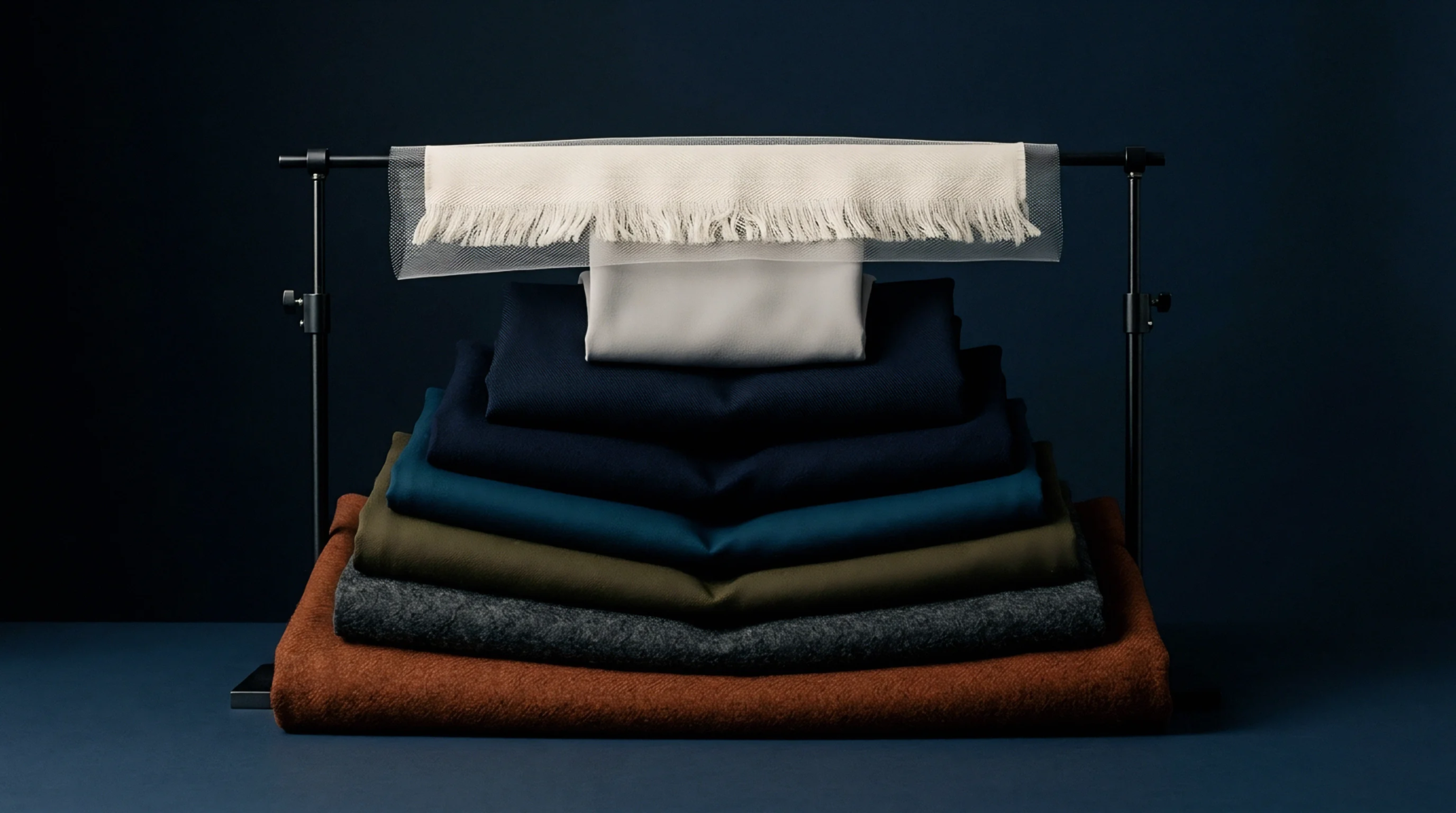
Optimize singeing with 10-12 mbar burner pressure at 100 m/min, followed by an amylase quench and 95°C washing to achieve Tegewa 8+ desizing on cotton twill.
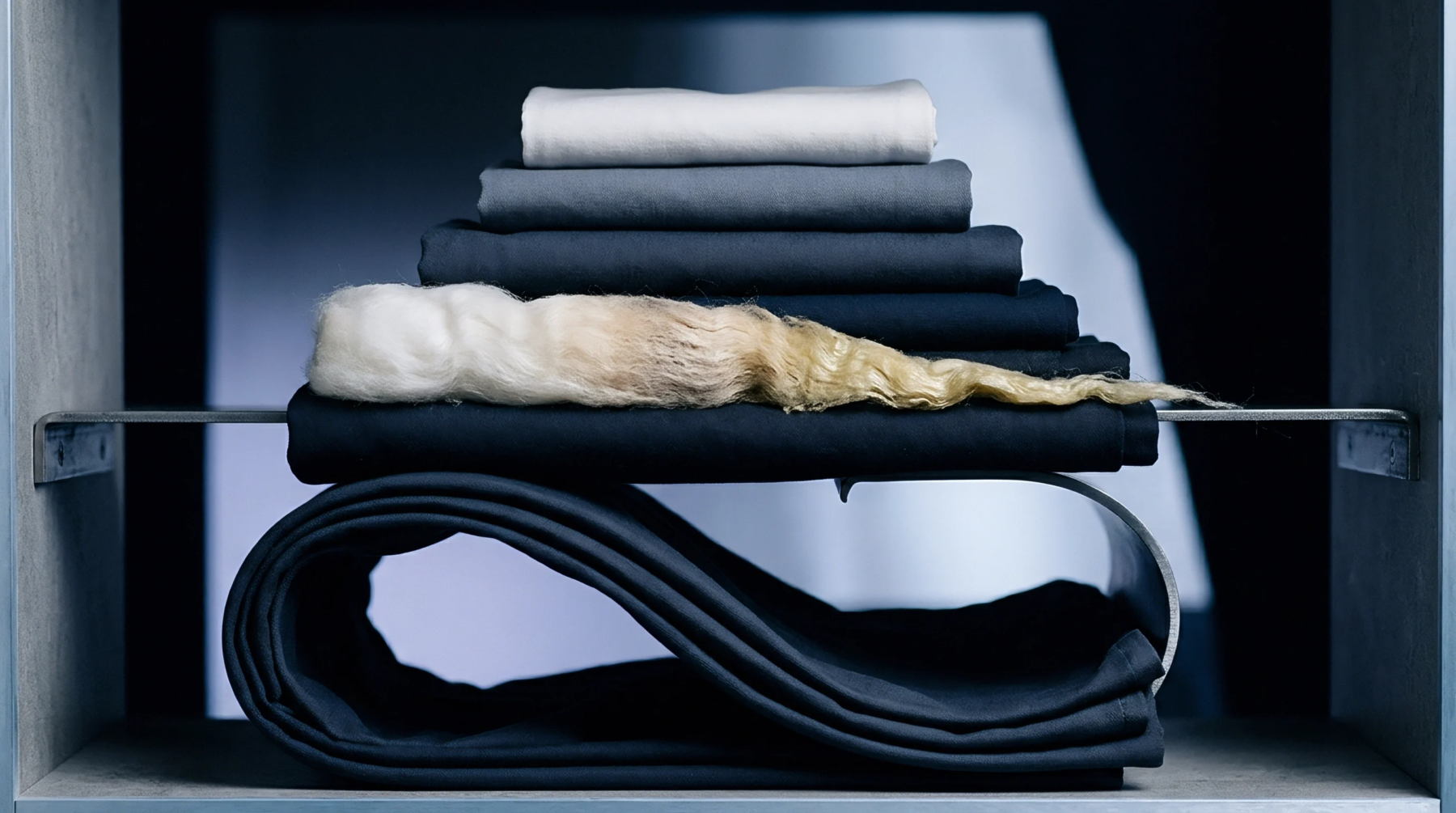
Quantitative dissolution isolates fiber components through selective solvent digestion, gravimetric residue measurement, and official moisture regain adjustments.
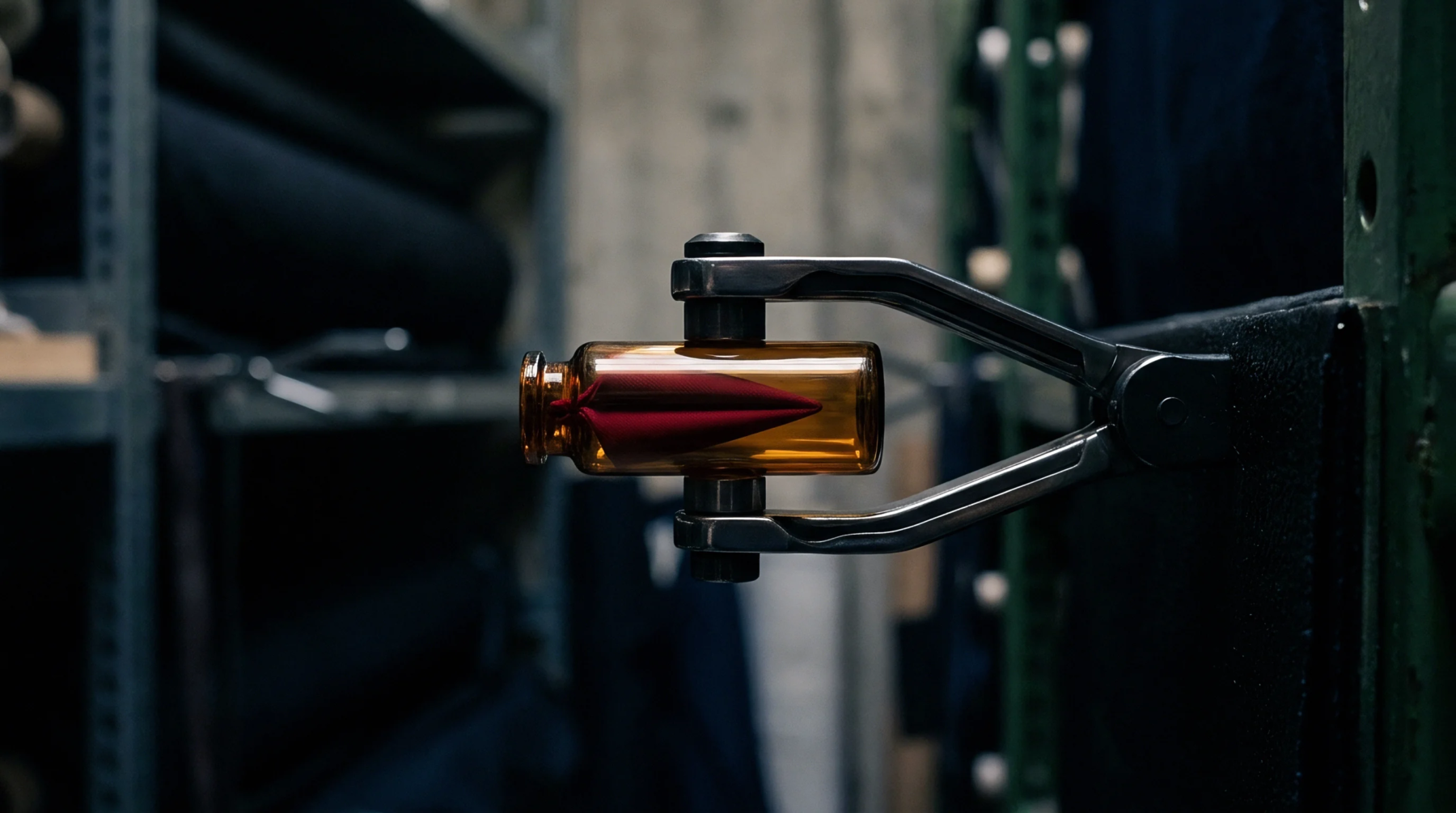
Dynamic marine container heat cycles drive cyclic moisture sorption and permanent hygrothermal creep in wound textiles, requiring foil barriers and sized desiccants.
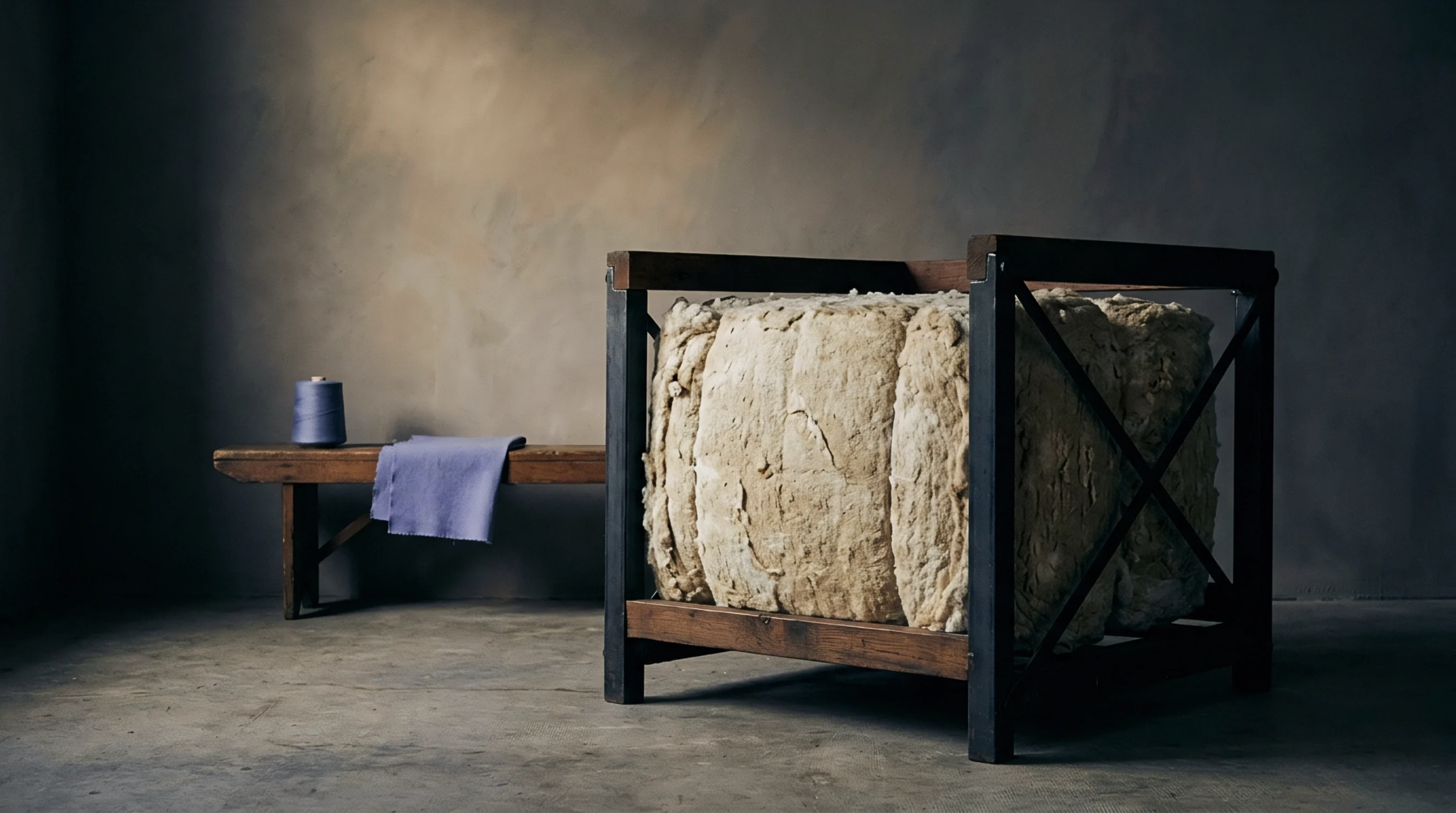
Warp crimp drift alters finished areal mass, exhausting raw yarn procurement budgets and triggering customs reclassification across statutory duty thresholds.
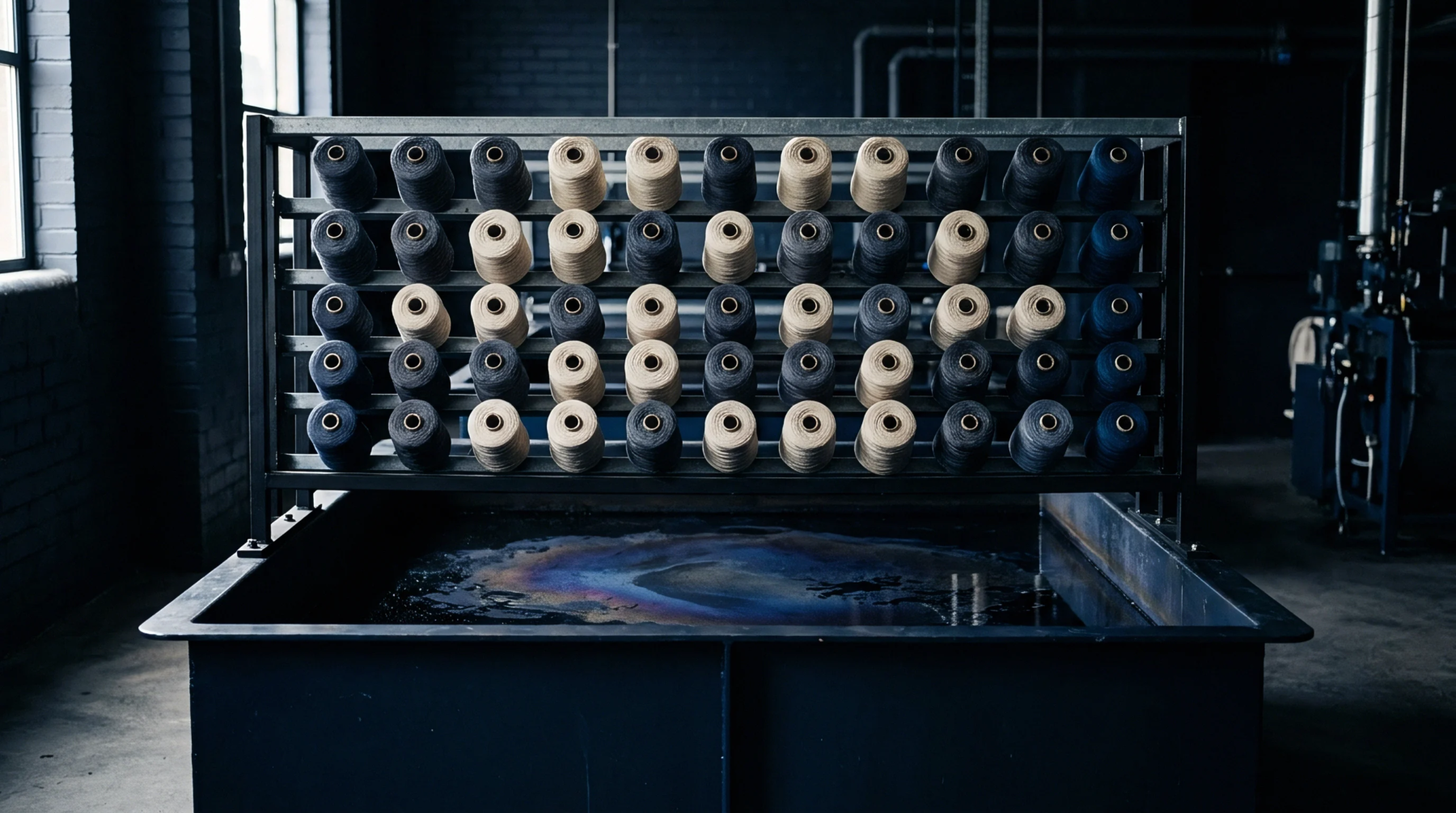
Laundering shrinkage disputes are resolved by measuring thread count shifts against fully relaxed state benchmarks to isolate mill draft from wash effects.

Mechanical compaction combined with relaxed drying controls residual textile shrinkage within commercial three percent tolerances across repeated launderings.

Non-linear sorption hysteresis alters union fabric weight and crimp dimensions, requiring preconditioning protocols to prevent false testing results.
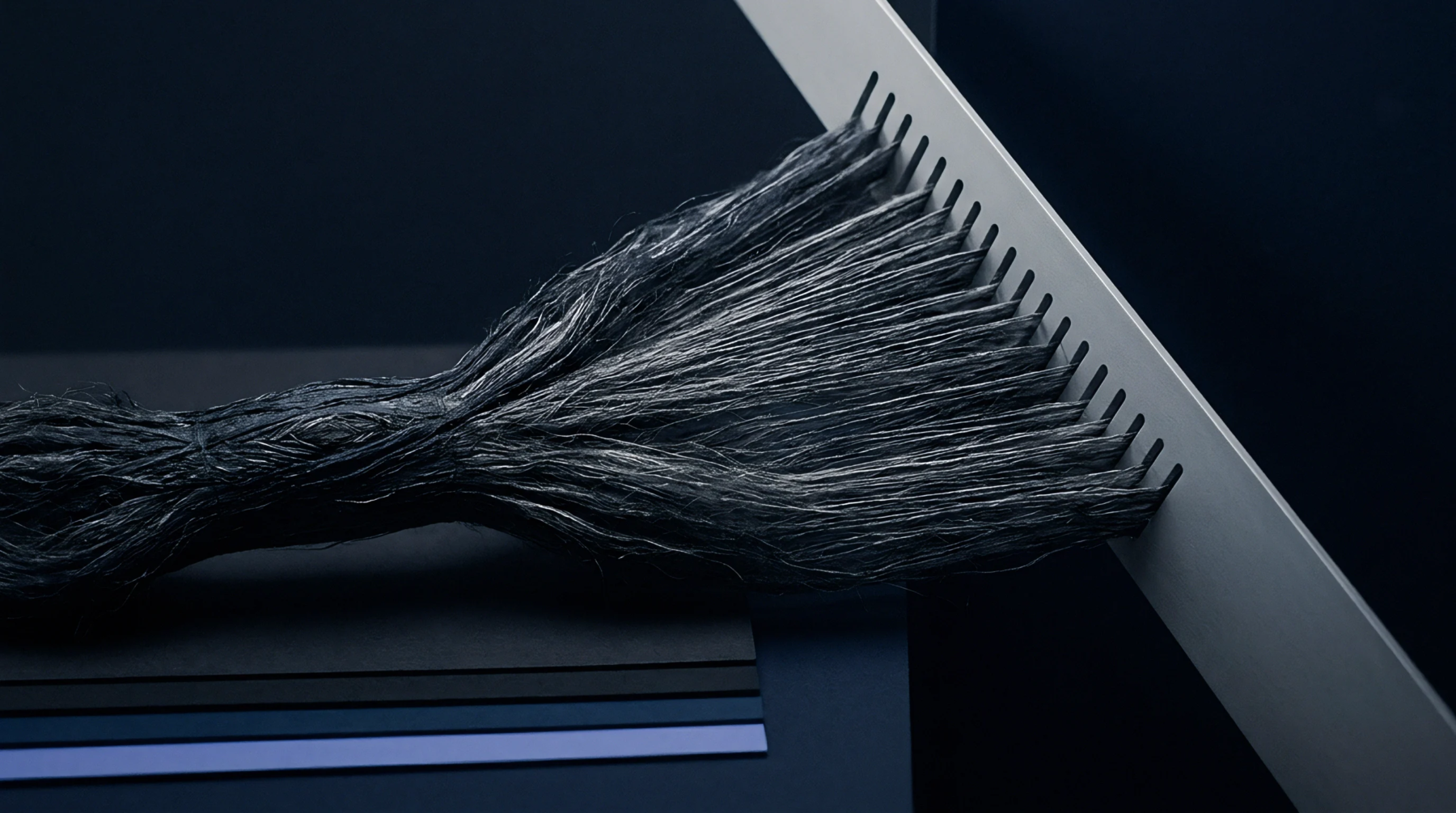
Invoiced commercial mass equals total oven-dry fibre weight multiplied by one hundred plus standard regain and finish allowance percentages, divided by one hundred.
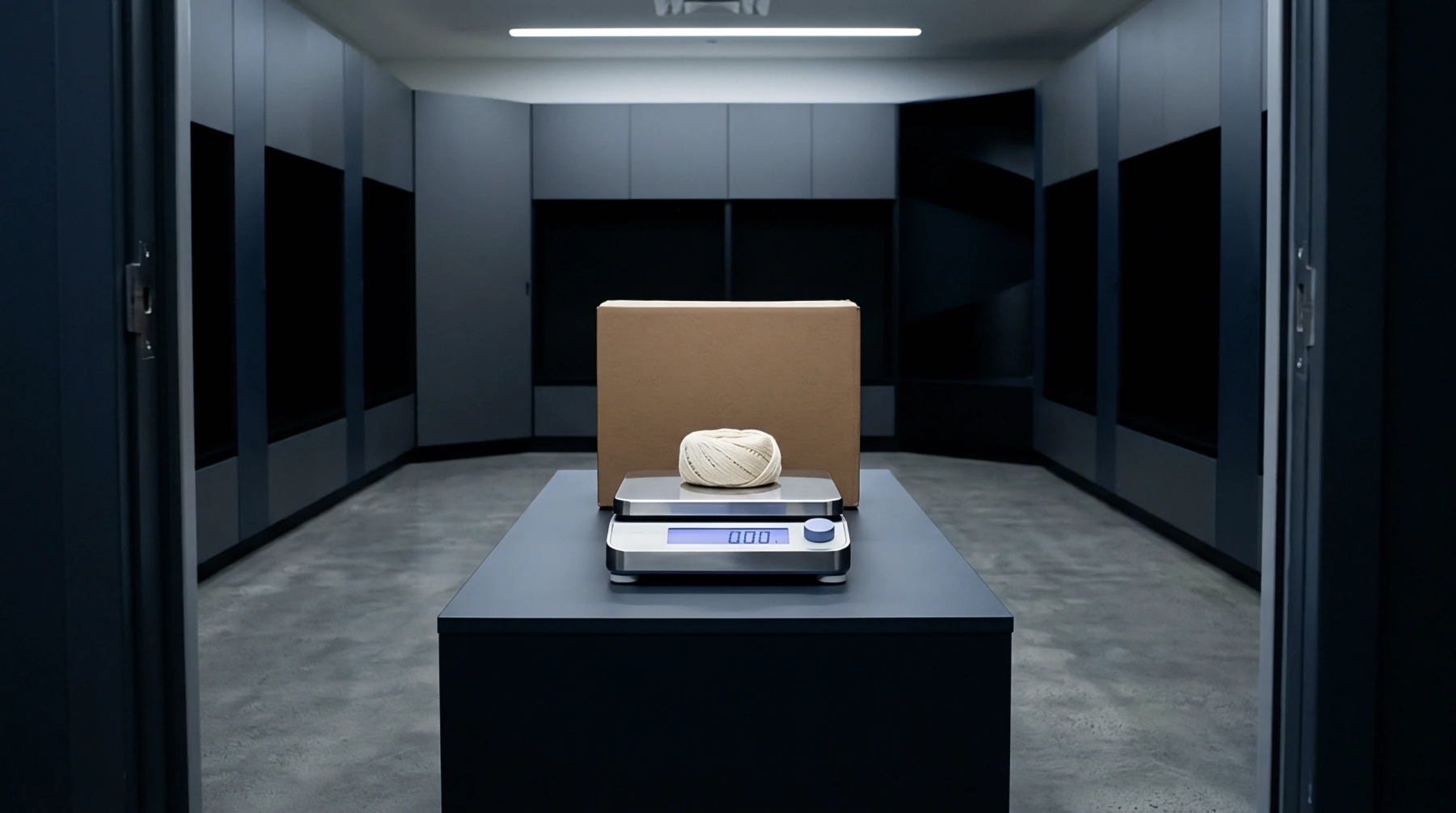
Yarn count, crimp, and moisture regain fix fabric square-metre mass, controlling garment cutting yields and preventing costly customs tariff misclassifications.
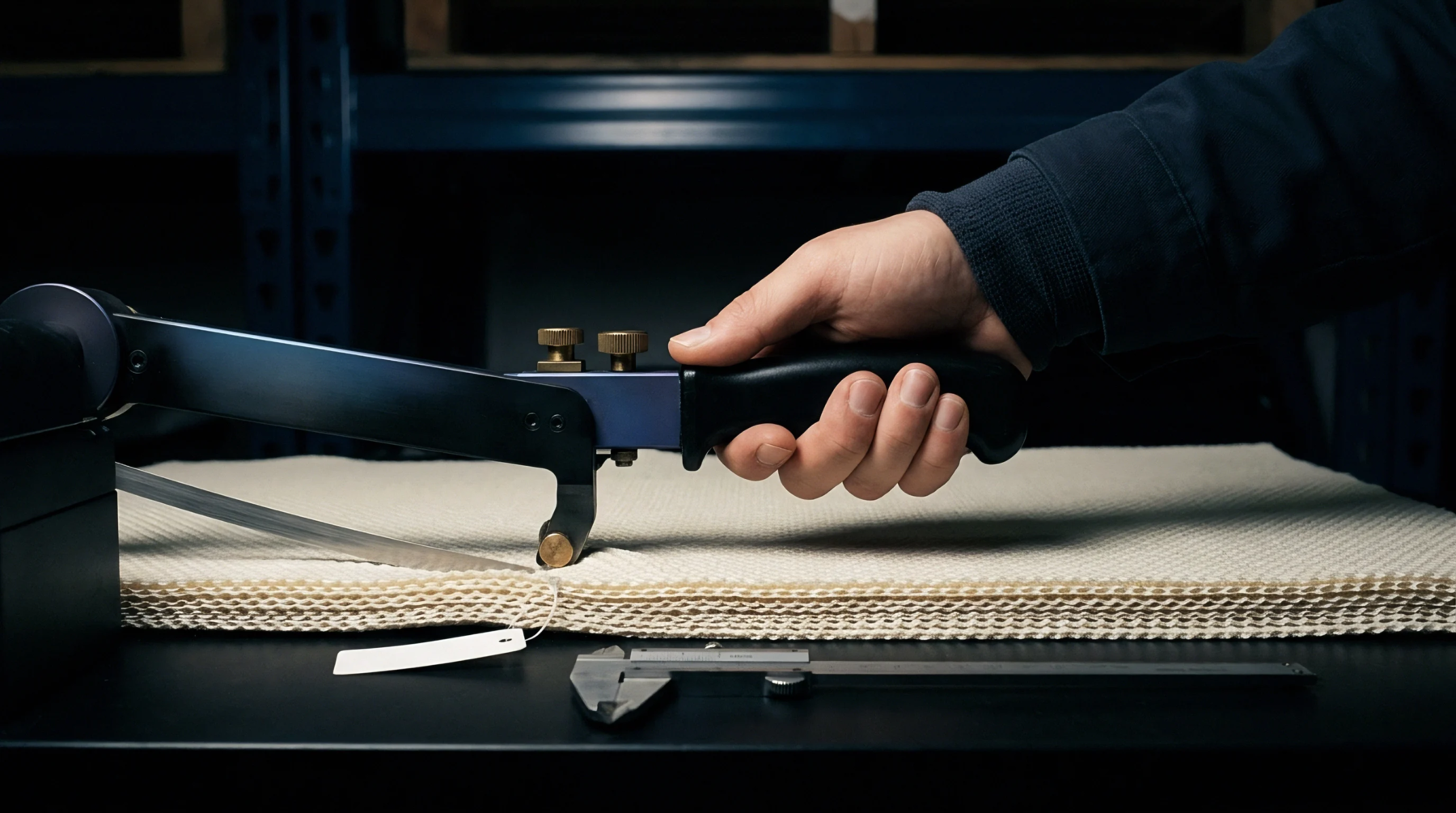
Woven fabric crimp measurement converts raw fabric dimensions into actual yarn consumption and linear density corrections required for precise material costing.

Separating insoluble filtered lint from dissolved liquor nitrogen isolates mechanical fiber loss from hydrolyzed durable press finish stripping.

Standard atmospheric conditioning at 20°C and 65% RH fixes fabric moisture regain to eliminate testing errors and secure accurate commercial weight settlement.

Quantifying latent stress demands decoupling draw tension from thermal dwell through staged zero-load relaxation tests across every subcontract transition.

Lifting comber noil extraction from 10 to 18 percent raises Martindale abrasion by up to 80 percent, after which returns diminish against escalating fibre costs.
Unlisted subcontract processing facilities break the organic chain of custody, causing customs border detentions under USDA SOE and EU TRACES enforcement.

Combed cotton knitting orders demand upper half mean lengths above 28.5 millimeters and short fiber content below eight percent to prevent circular machine fly.
Expertise is a utility, not a secret. sentiention™ publishes its working knowledge as open reference: intelligence layer covering the materials it sources, the markets it enters, and the reference that serves both.