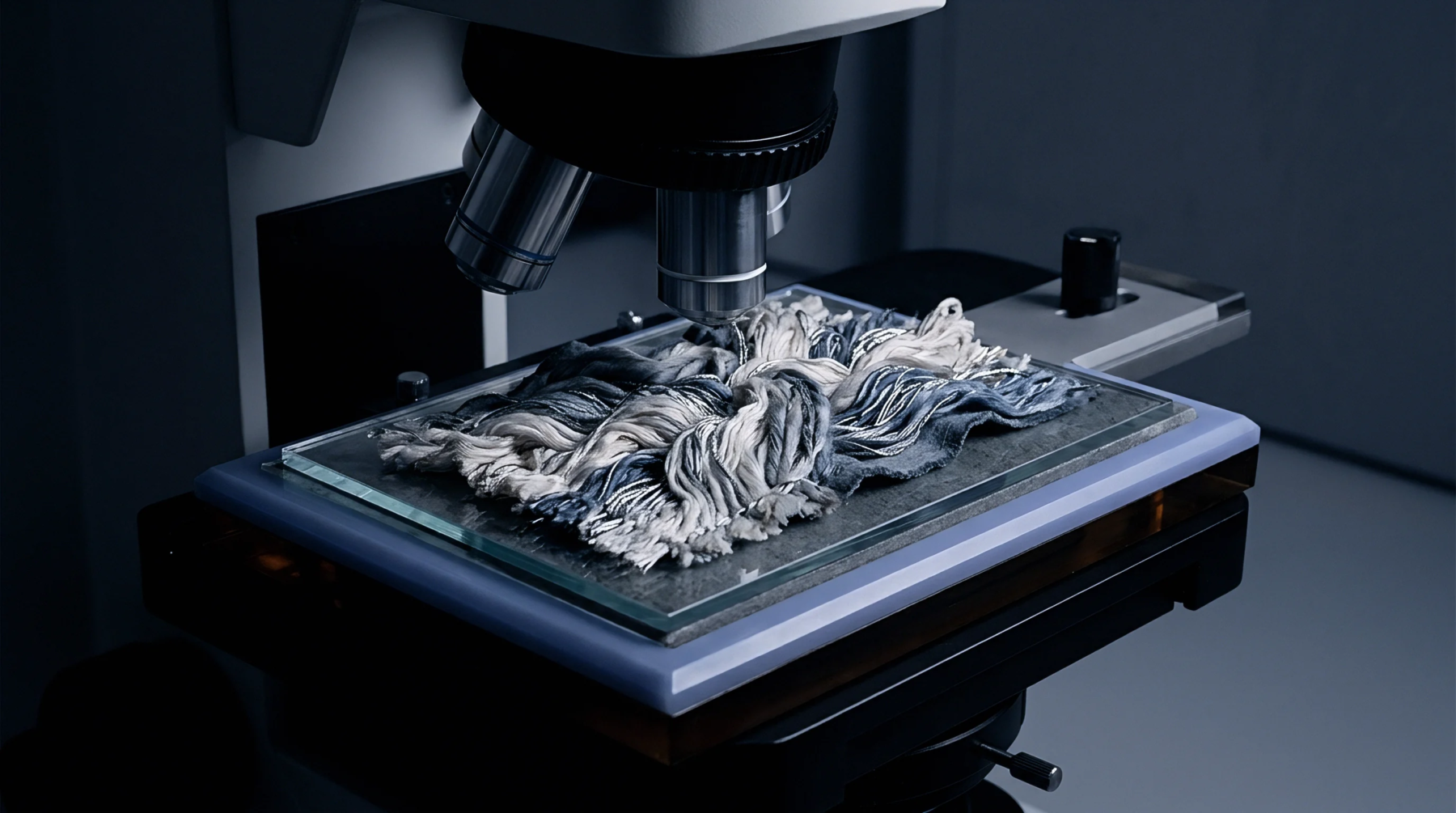
Determining Dry Mass and Commercial Regain in Cotton Blend Yarns
Commercial regain calculation converts variable net scale weights into an immutable invoiced mass by adding statutory moisture allowances to verified oven-dry fiber.

Commercial regain calculation converts variable net scale weights into an immutable invoiced mass by adding statutory moisture allowances to verified oven-dry fiber.
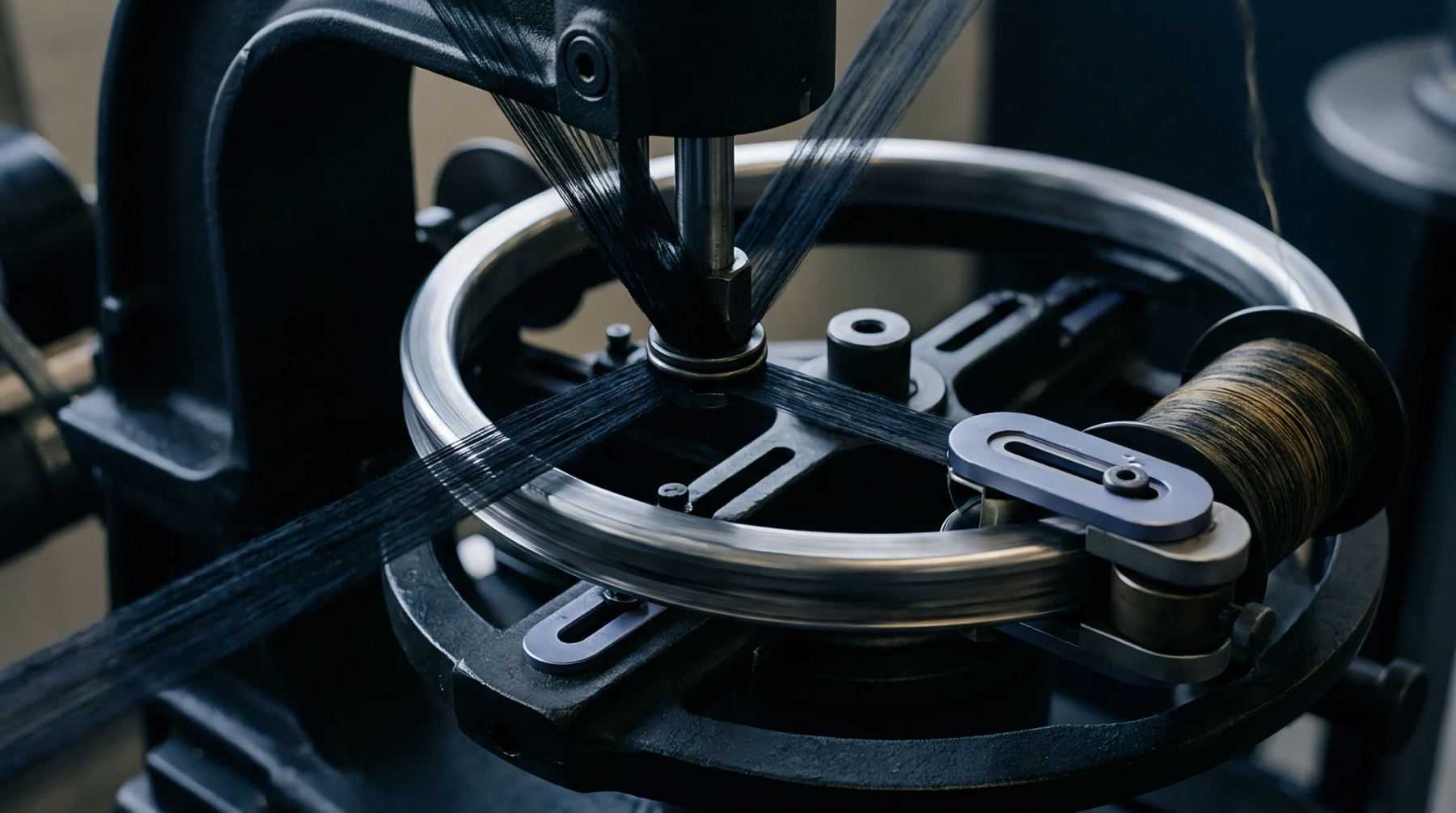
Matrix suppression in synthetic retests demands isotope standard additions to prevent false positive chemical non-compliance findings.
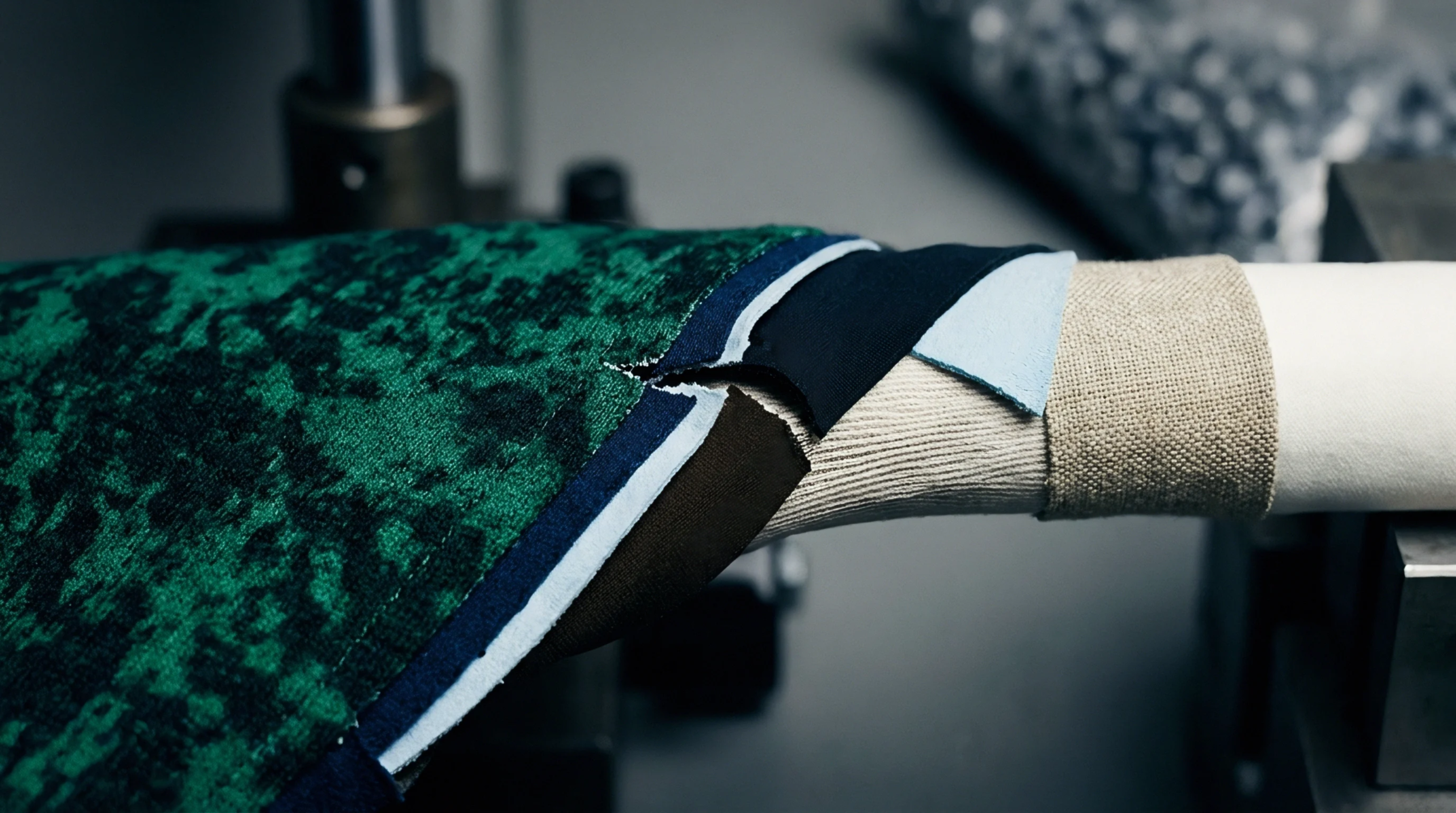
Presetting micro nylon spandex knits at precise temperatures balances crystalline stabilization against elastomeric degradation to secure dimensional stability.
Electrospray ionization disparities in restricted amine retests stem from uncorrected matrix suppression, requiring stable isotope dilution for defensible audits.

Core fastness on heavy duck requires deep initial dye penetration, aggressive reduction clearing, and stepped stenter cooling to prevent finish-driven migration.

Standardized matrix suppression protocols eliminate false-negative dye screening by isolating colorants through solid-phase extraction and standard addition.
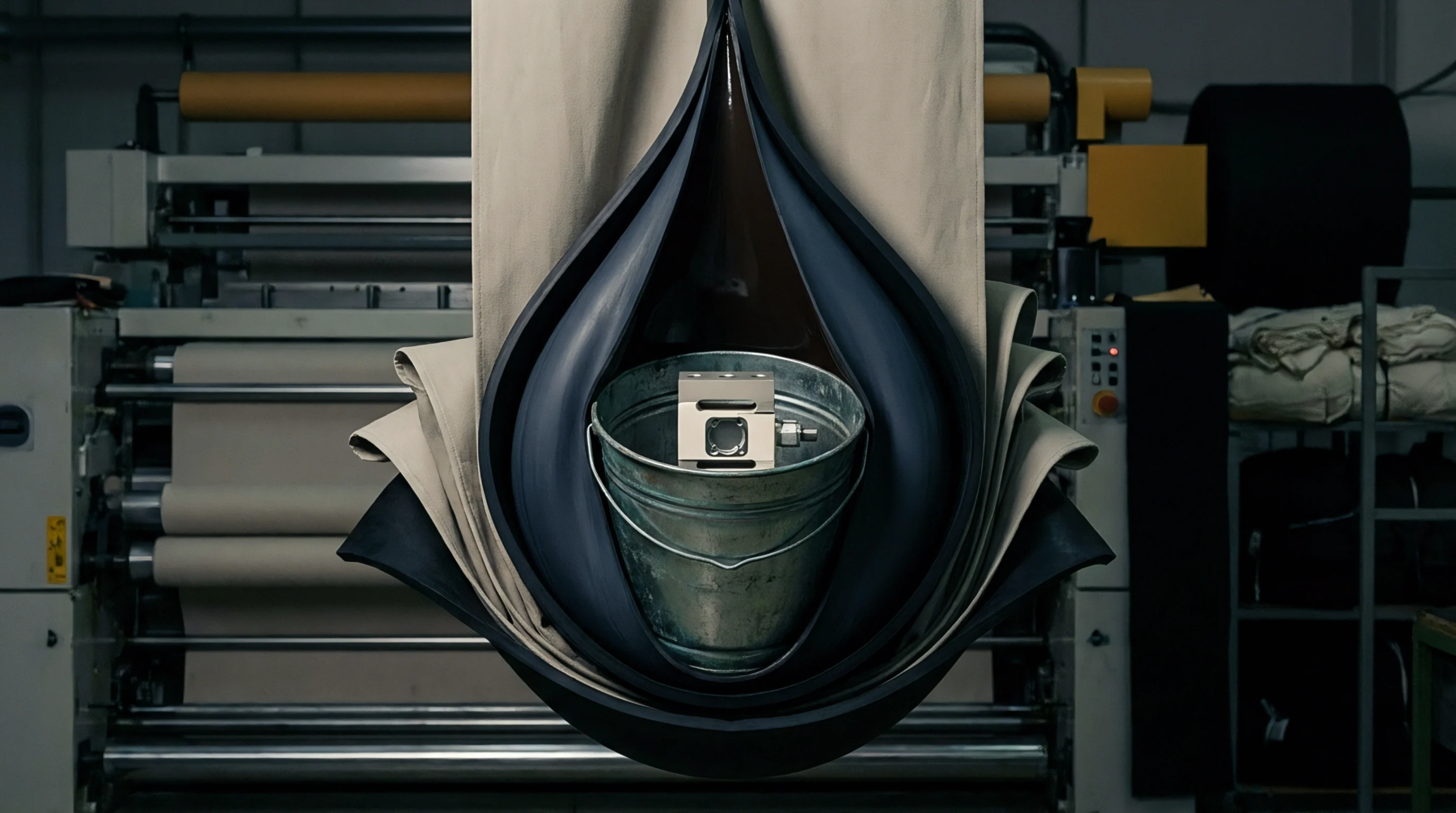
Core penetration in dense canvas requires high-tonnage pad nip extraction, de-aerating auxiliaries, and low-strike vat or bis-MCT reactives to prevent frosting.

Settle single component yarn invoices on commercial mass derived by preliminary oven drying followed by standard conditioning to prevent desorption hysteresis bias.

Heavy cotton duck demands high-penetration singeing, enzymatic desizing, deep caustic scouring, and tensioned mercerization to clear core impurities.
Commercial weight adjustments convert scale mass to settled value by adding official international fibre regain percentages to verified oven-dry test mass.
Resolving interlaboratory fluorinated residue variance requires matrix-matched calibration curves, complete branched-isomer integration, and isotope-dilution LC-MS/MS.

Maintain jet dyeing fluid shear stress below 28 Pa for lyocell and 45 Pa for microfibers by capping nozzle pressure at 1.2 bar and relative velocity at 2.5 m/s.

Venturi throat diameter directly controls liquor velocity and mechanical shear stress, where undersized throats accelerate surface abrasion and pilling on knits.

Transpacific compliance demands extractable organic fluorine cleanup protocols before combustion analysis to prevent false total fluorine rejections.

Commercial regain baselines reconcile billed yarn mass by adjusting oven-dry polymer weight through standard moisture constants and solvent-extracted finish tares.

Administrative protests for water weight adjustments rely on ISO 6741 dry mass tests filed within statutory windows post liquidation.

Maximum allowable jet nozzle pressure depends on matching fluid shear velocity to fabric structural tension limits without exceeding filament yield thresholds.
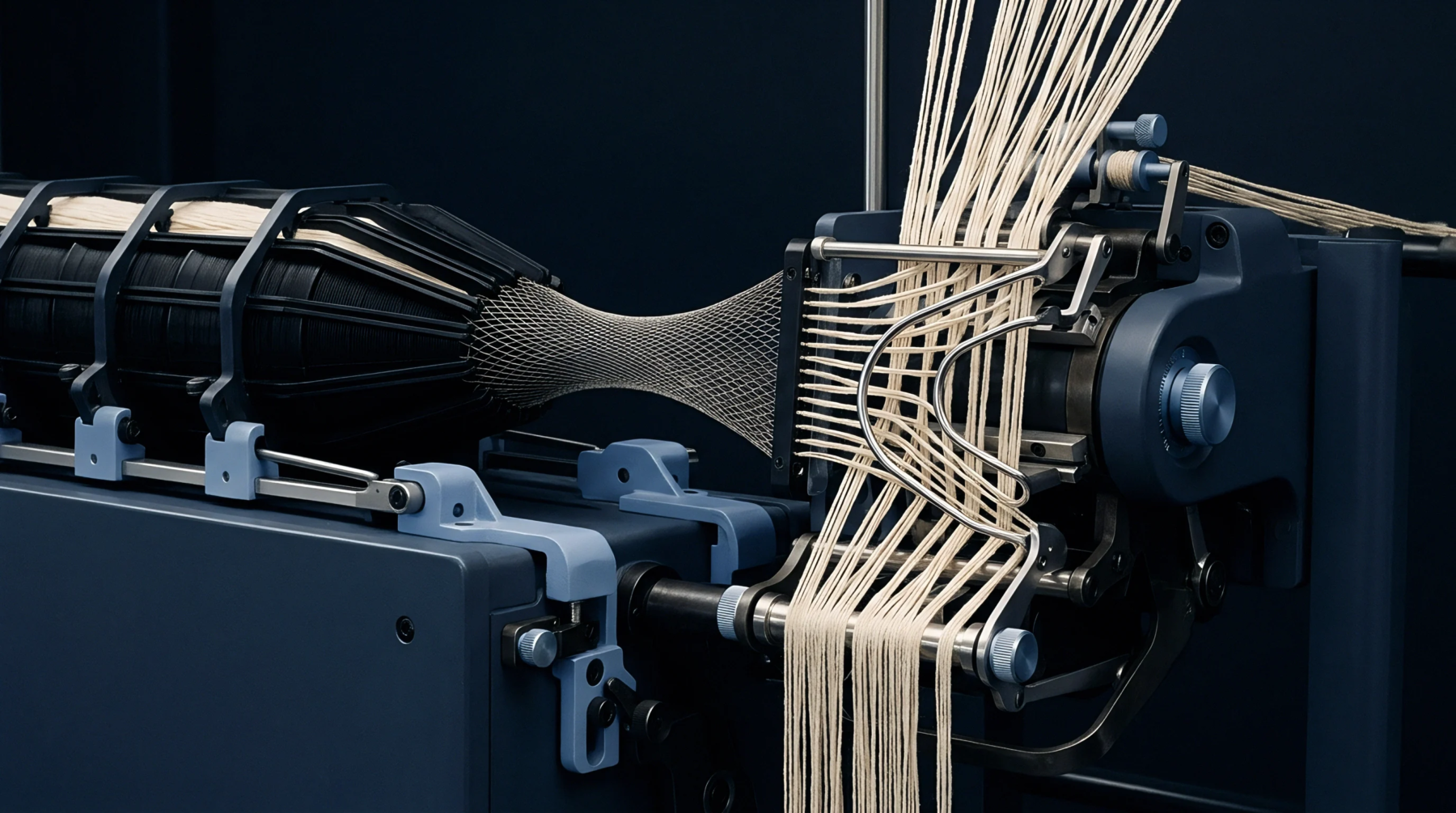
Commercial mass calculations convert variable received scale weight into fixed legal mass by applying standardized moisture allowances to oven-dried polymer.

Total organic fluorine combustion screening below 50 parts per million provides the only defensible import verification barrier for textile chemical compliance.

Commercial moisture regain standards convert oven-dry synthetic fiber mass to statutory customs clearance weights, preventing duty miscalculations.

Jacketing troughs at twenty degrees Celsius and balancing roll nip deflection prevent reactive dye hydrolysis and side-to-center shade listing in pad batch runs.
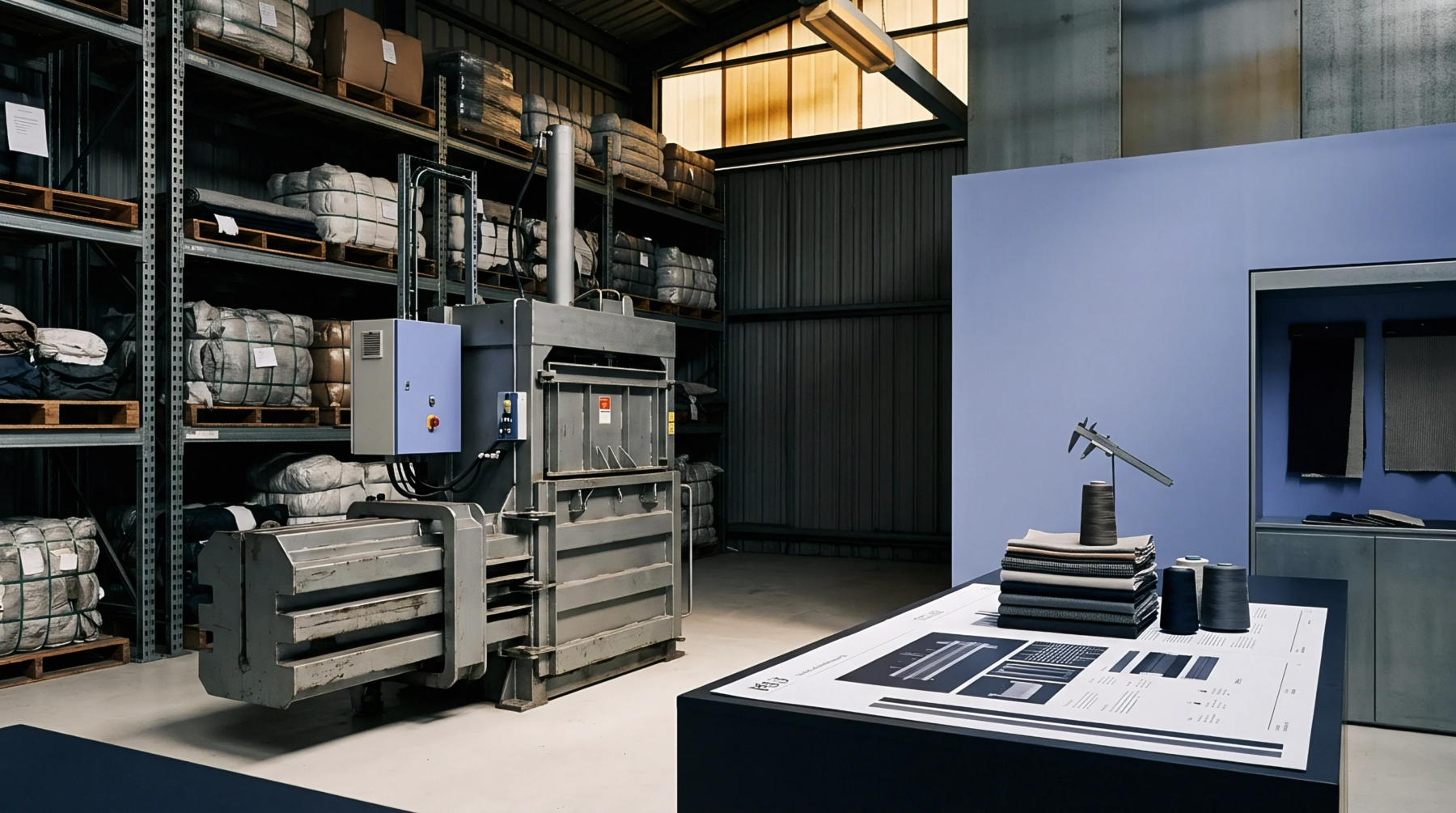
Chromatographic verification via EN ISO 17075-2 and matrix spike recovery validation resolve false positive hexavalent chromium failures under REACH Annex XVII.
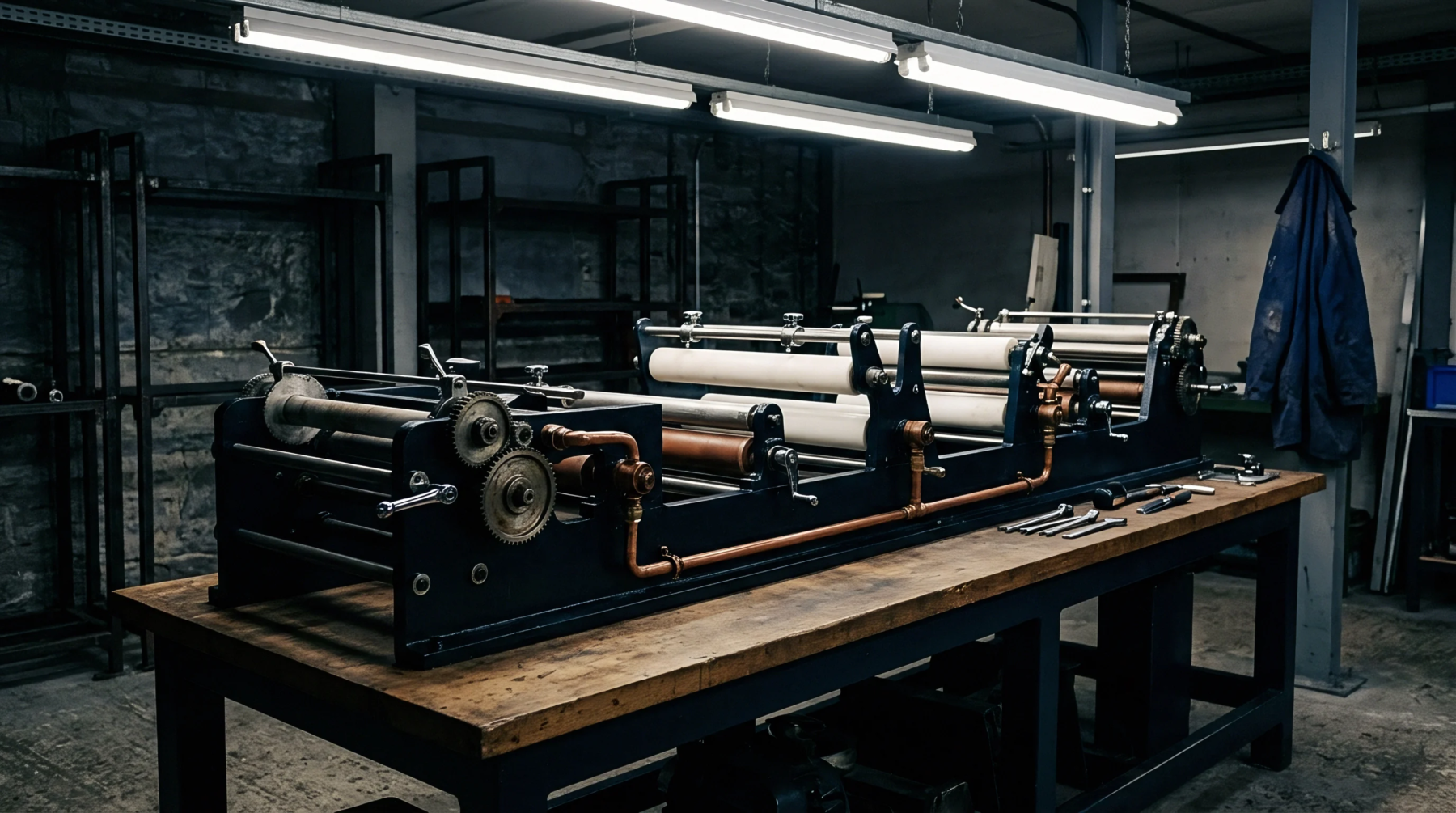
Controlling twill padding liquor absorption requires matching rapid-decay wetting chemistry with deflection-compensated squeeze rolls to displace core yarn air.

Cross-border textile retests succeed only when extraction solvents, vessel pressure, and clean-up phases match the precise standard cited in purchase terms.

Calculating wet pick-up on mercerized wovens demands adjusting liquor volume formulas for Cellulose II capillary swelling and wet-on-wet bath dilution.
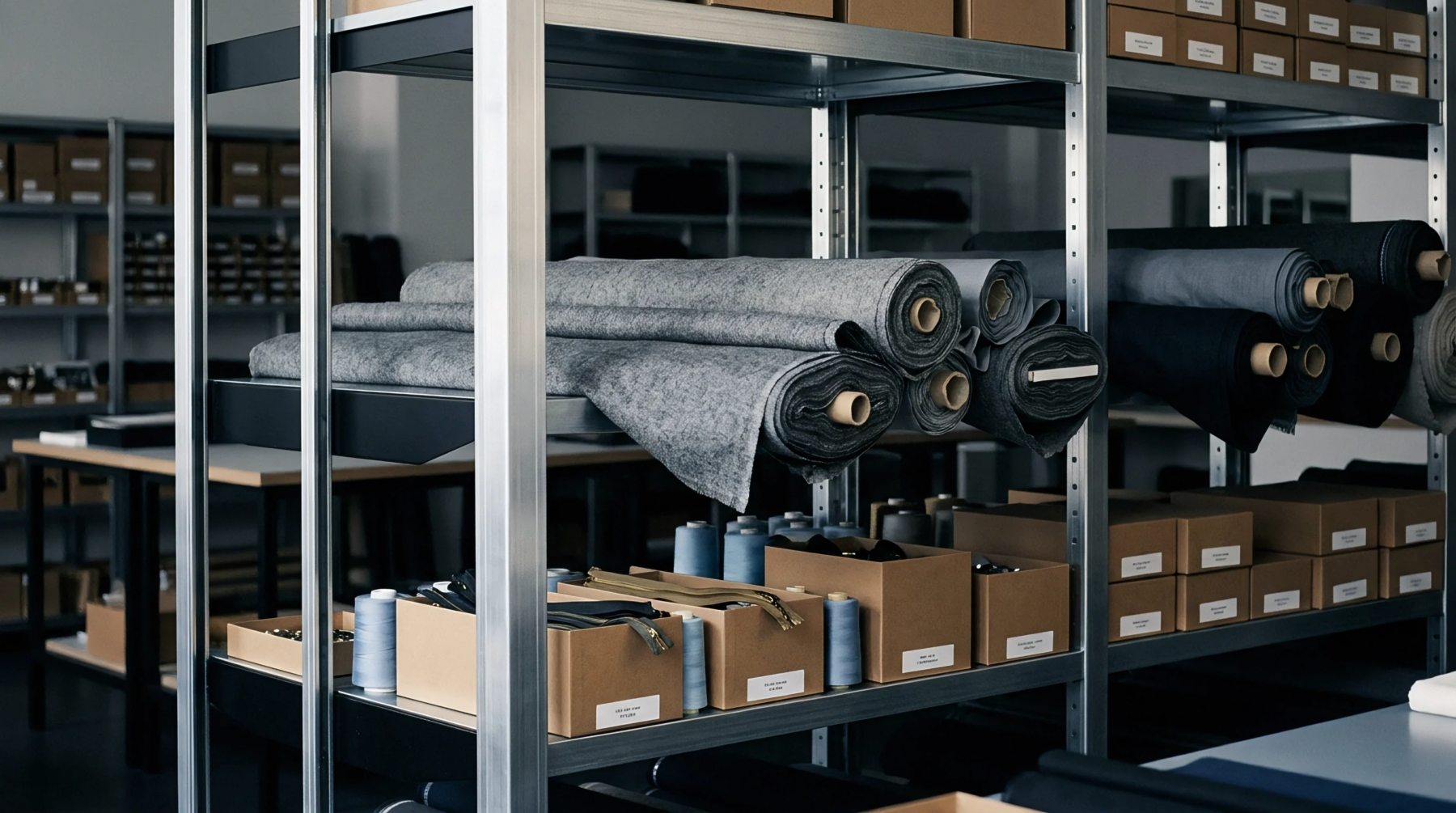
Commercial yield disputes in ocean-transported cellulosics resolve by calculating dry mass under ISO 6741 and applying contract regains to settle losses.

Arbitrating outturn weight deficits requires converting landed scale tickets to certified commercial mass via oven-dry testing, separating evaporation from loss.

Invoice weights for viscose mixture cargoes adjust to standardized commercial regain by applying ISO 6741 oven-dry calculations to eliminate paid water weight.
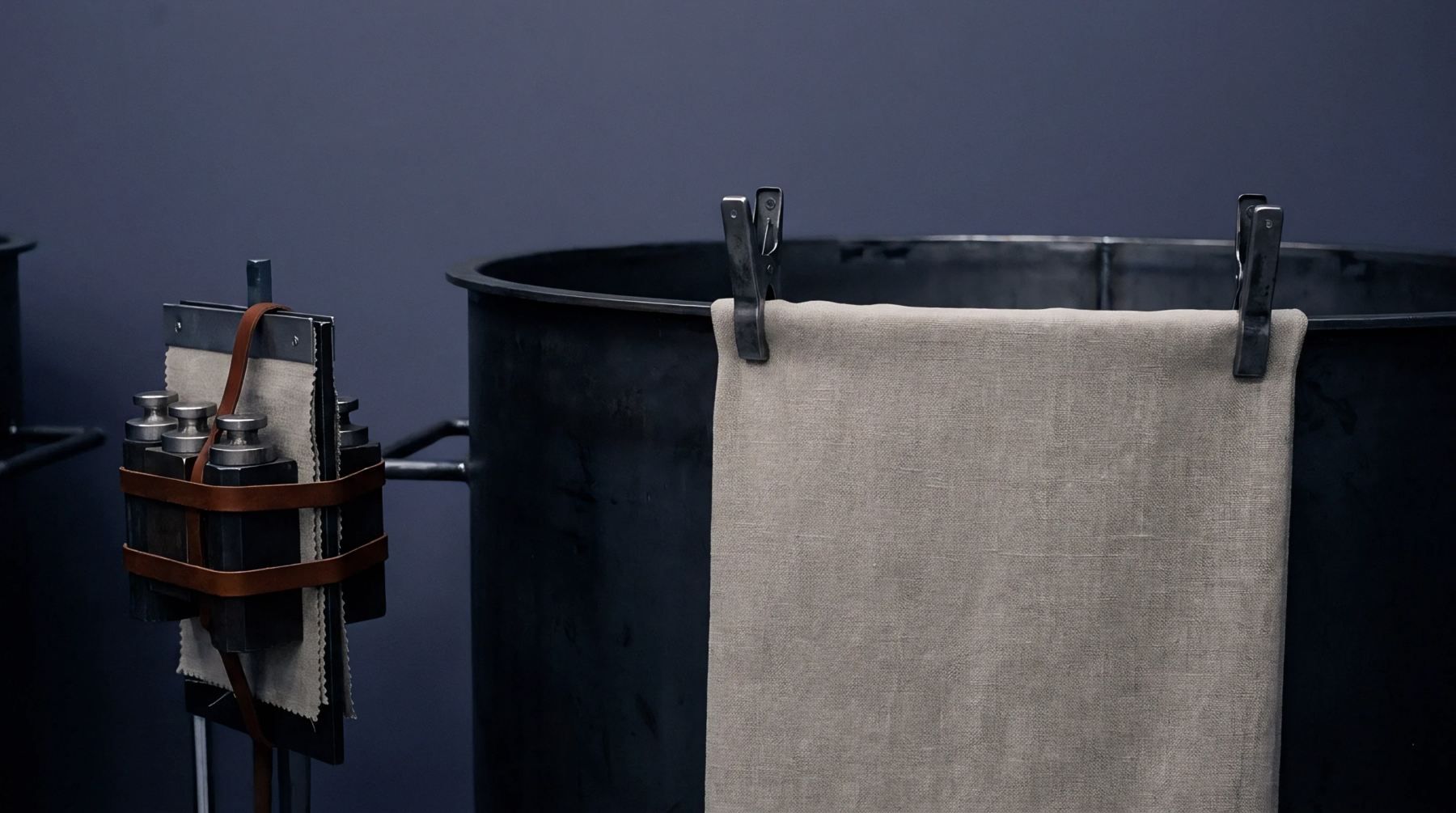
Reconciling laboratory chemical composition with landed weight requires converting oven-dry chemical ratios into commercial mass using official moisture regains.

Statutory moisture allowances convert dry mass into legal commercial mass, shifting chief weight and flipping tariff headings on tight fibre ratios.
Expertise is a utility, not a secret. sentiention™ publishes its working knowledge as open reference: intelligence layer covering the materials it sources, the markets it enters, and the reference that serves both.