
Standard Moisture Regain Adjustments for Quantitative Textile Analysis
Standard moisture regain adjustments recalculate oven-dry fibre masses into commercial composition percentages required for legal labels and customs declarations.

Standard moisture regain adjustments recalculate oven-dry fibre masses into commercial composition percentages required for legal labels and customs declarations.

Predictive models fail when Arrhenius assumptions ignore non-linear volatilization, humidity-driven phosphite hydrolysis, and warehouse thermal stratification.

A standardized chemical retest requires composite splitting, root-cause isolation, and triplicate testing before overriding an initial compliance failure.
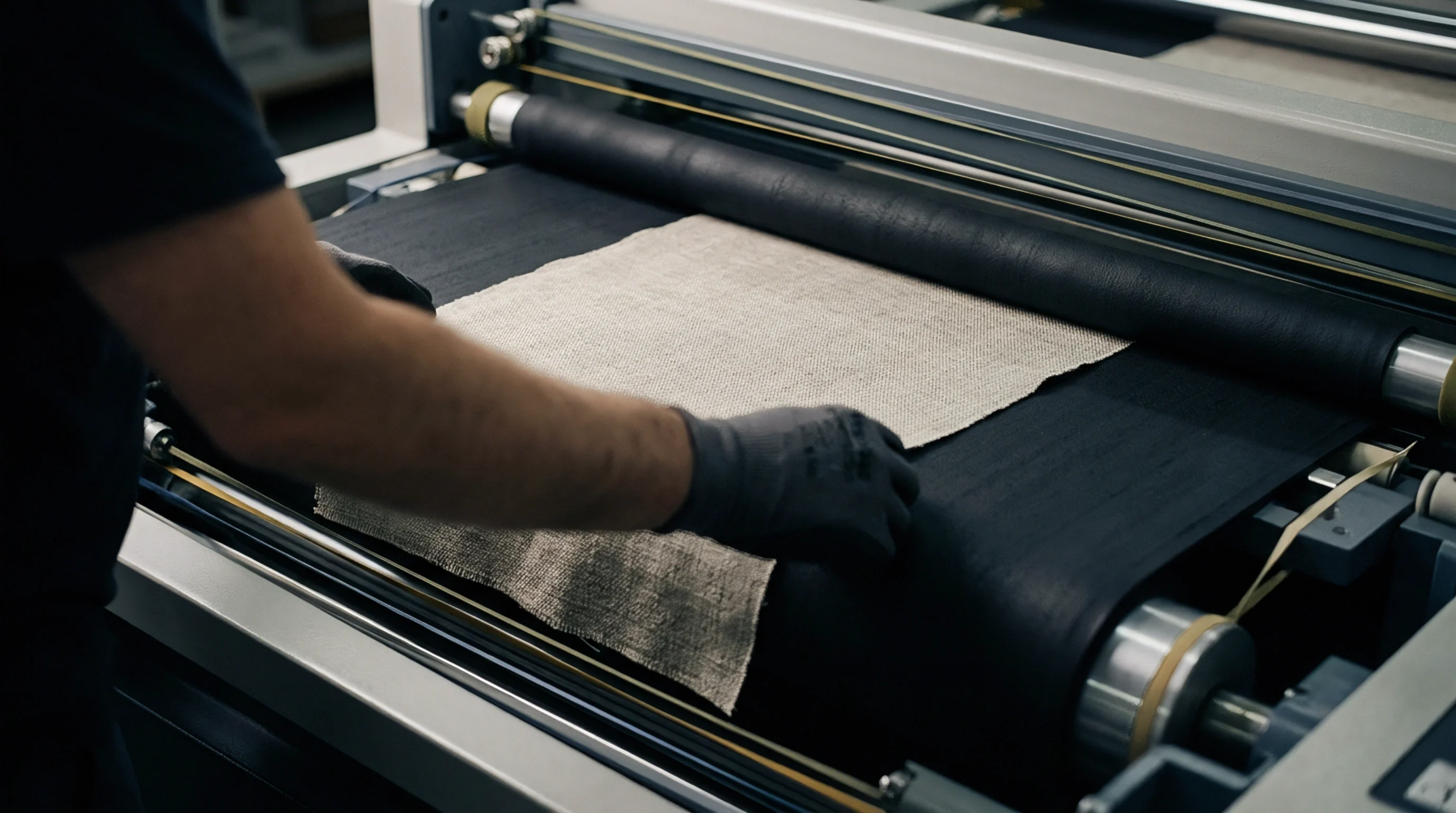
Transfer hydrolysis risk by specifying polyether chemistry, aluminum foil barrier wraps, ISO 1419 Method C testing, and 365-day latent defect escrow holdbacks.

Cross-border textile regulations demand empirical conversion ratios between 1.15 and 1.42 for grab-to-strip tensile strength based on structural yarn mobility.

Correlating ASTM and ISO tensile strength requires converting across specimen geometry and strain rates, eliminating static multipliers in purchase contracts.

ASTM D5034 grab and ISO 13934-1 strip tests yield non-equivalent values; purchase orders require explicit standard numbers, jaw types, and speed limits.

Polymer degradation verification requires isolating molecular mass loss through solution viscometry and tear retention before processing aged inventory.

Commercial weight disputes resolve by testing oven-dry core mass via ISO 6741 and adding official commercial moisture regain rather than paying weighbridge scale tickets.

Staged titration of residual active oxygen and TEGEWA violet scale ratings above six prevent catalytic fiber tenderization in aged cotton prep.

Pyrolysis oil mass balance credits require analytical proof that raw chlorine, silicon, and nitrogen sit below cracker ceilings before allocation ledgers run.

Gas chromatography verifies depolymerized monomer purity through silylation, capillary separation, and flame ionization to prevent extrusion failure.

Oxidized spin finish forms cross-linked insoluble varnishes during storage, elevating yarn friction and causing irreversible resist spots in wet processing.
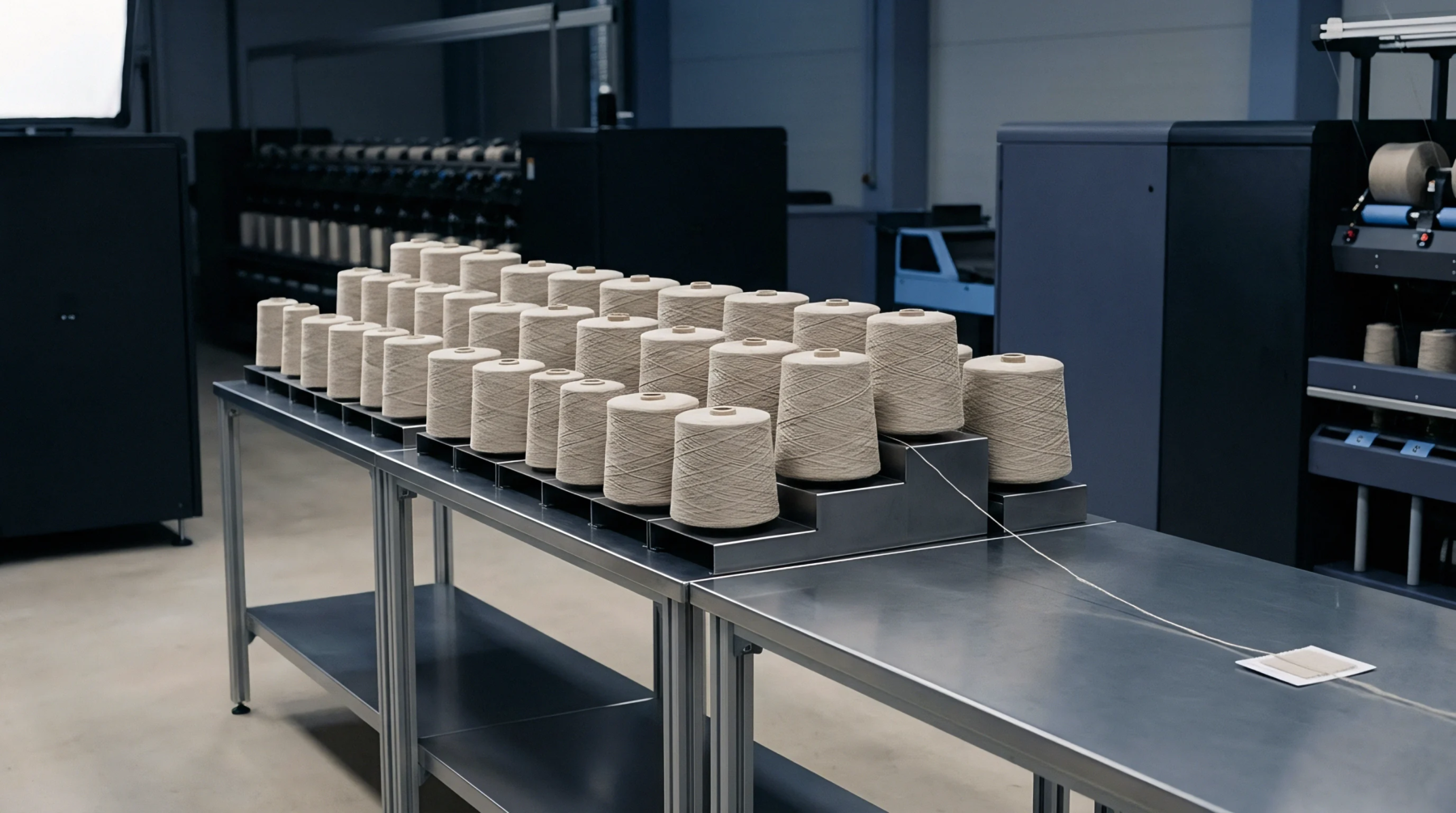
Certified commercial mass derived from oven-dry weight and standard regain percentages protects buyers from paying liquid prices for dry textile shipments.

Mass balance chain of custody audits verify that book-entry polymer credits reflect real cracker yields without energy deductions or invalid multi-site sharing.

Greige fabric moisture regain dictates invoice billing weight, desizing efficiency, and mold risk, requiring storage at 55 to 65 percent relative humidity.

Dynamic creel stretch variability stems from unequal yarn path lengths and friction points, producing permanent polymer draw and irreversible dyehouse barre.

Organosilicon cross-contamination in reconditioning loops destroys membrane contact angles, forcing strict batch isolation and solvent-based decontamination.

Boundary layer air density variations refract optoelectronic sensing beams in high-speed sorting chutes, degrading polymer identification and yield.
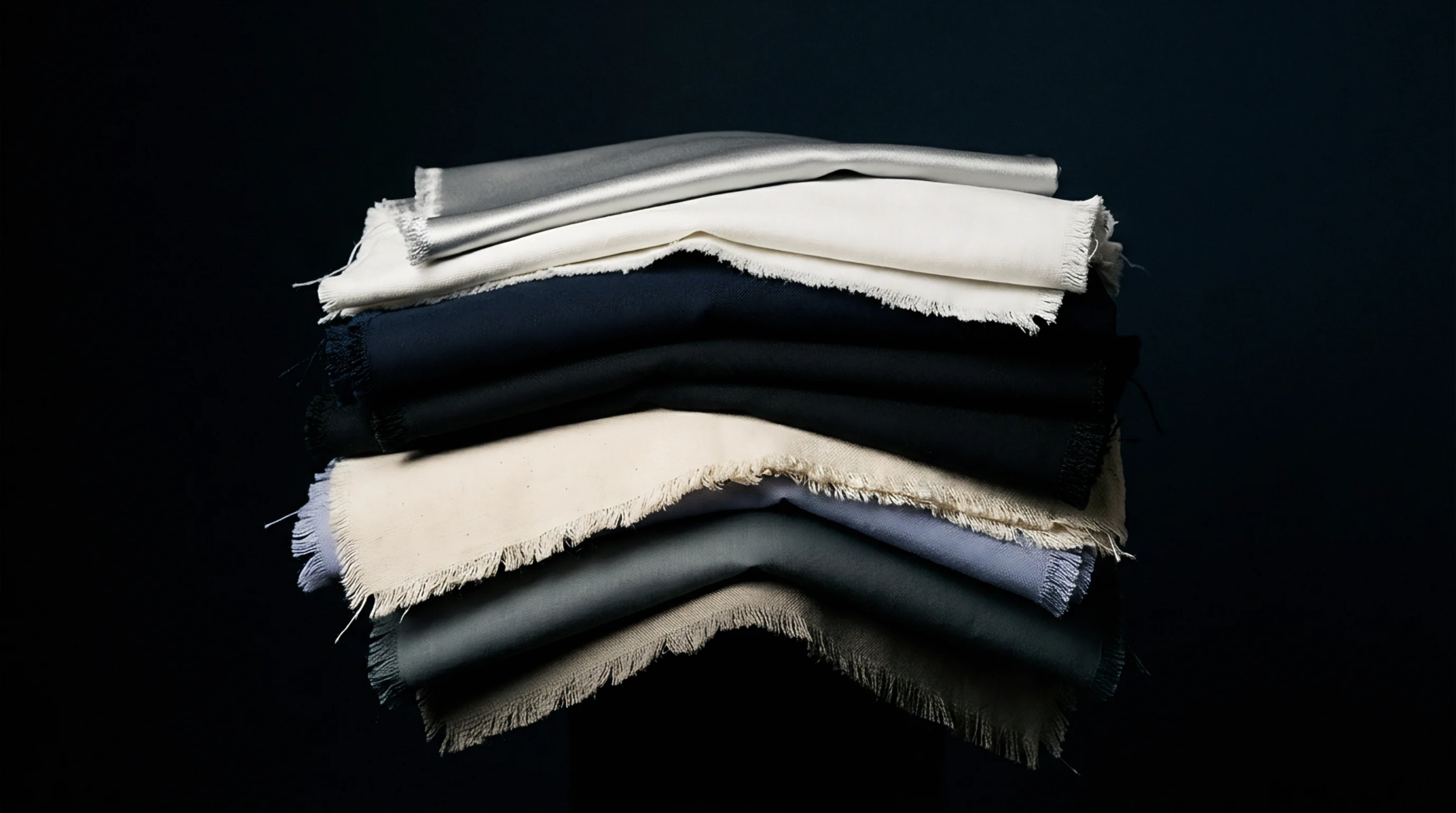
Steady-state siloxane concentrations in closed water loops equal total daily chemical input divided by combined purge, volatilization, and sludge clearance rates.

Calculating package friction curves links balloon collapse and capstan drag to calibrate creel tensioners, preventing streaks and warp stops across the beam.

Recycled laundry water concentrates D4, D5, and D6 siloxanes, contaminating clean textiles and breaching 1000 mg/kg SVHC limits unless carbon beds strip the loop.
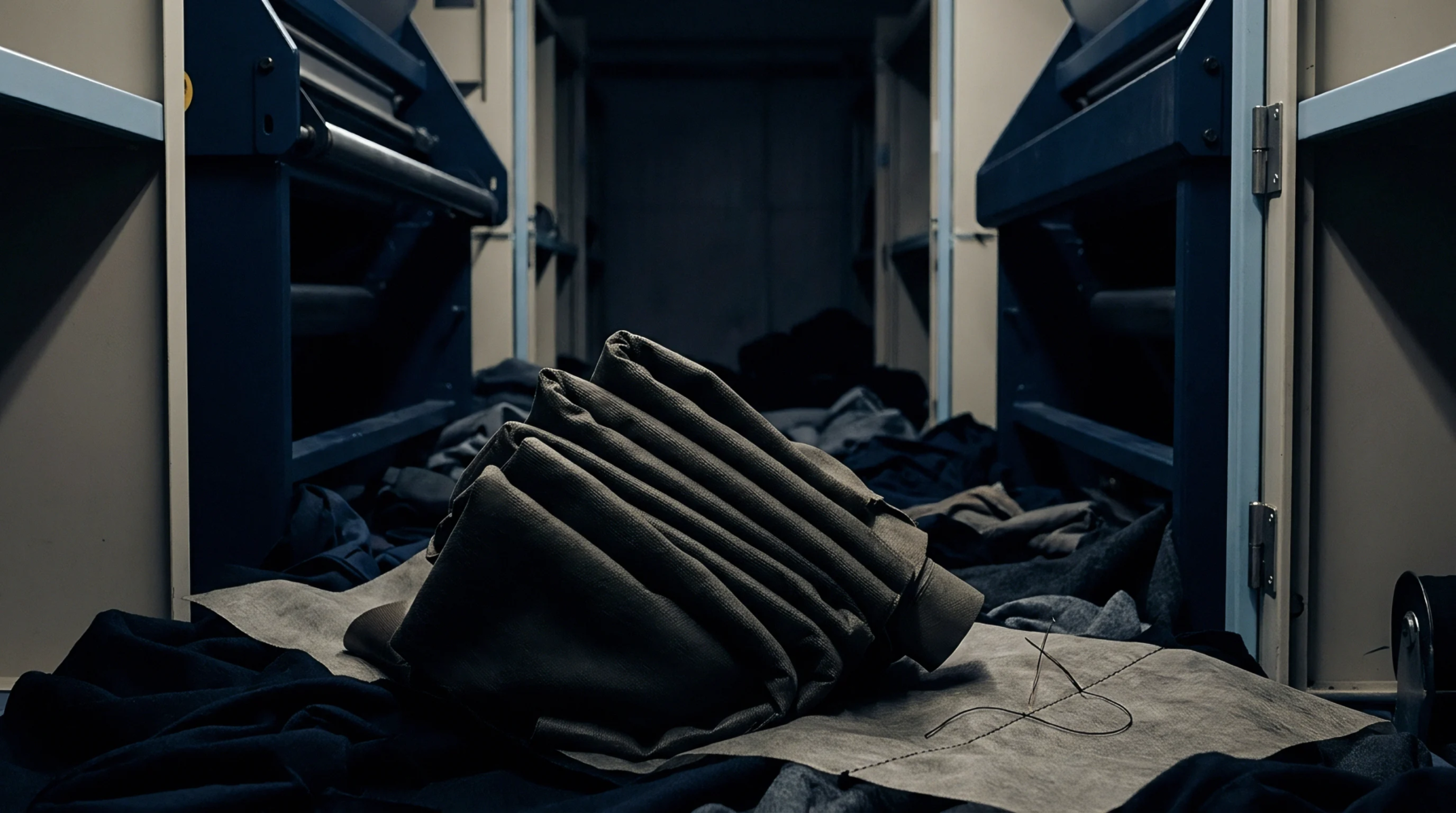
Commercial mass scales anhydrous oven-dry textile mass by adding standardized official moisture and extractable allowances for accurate settlement and customs declarations.
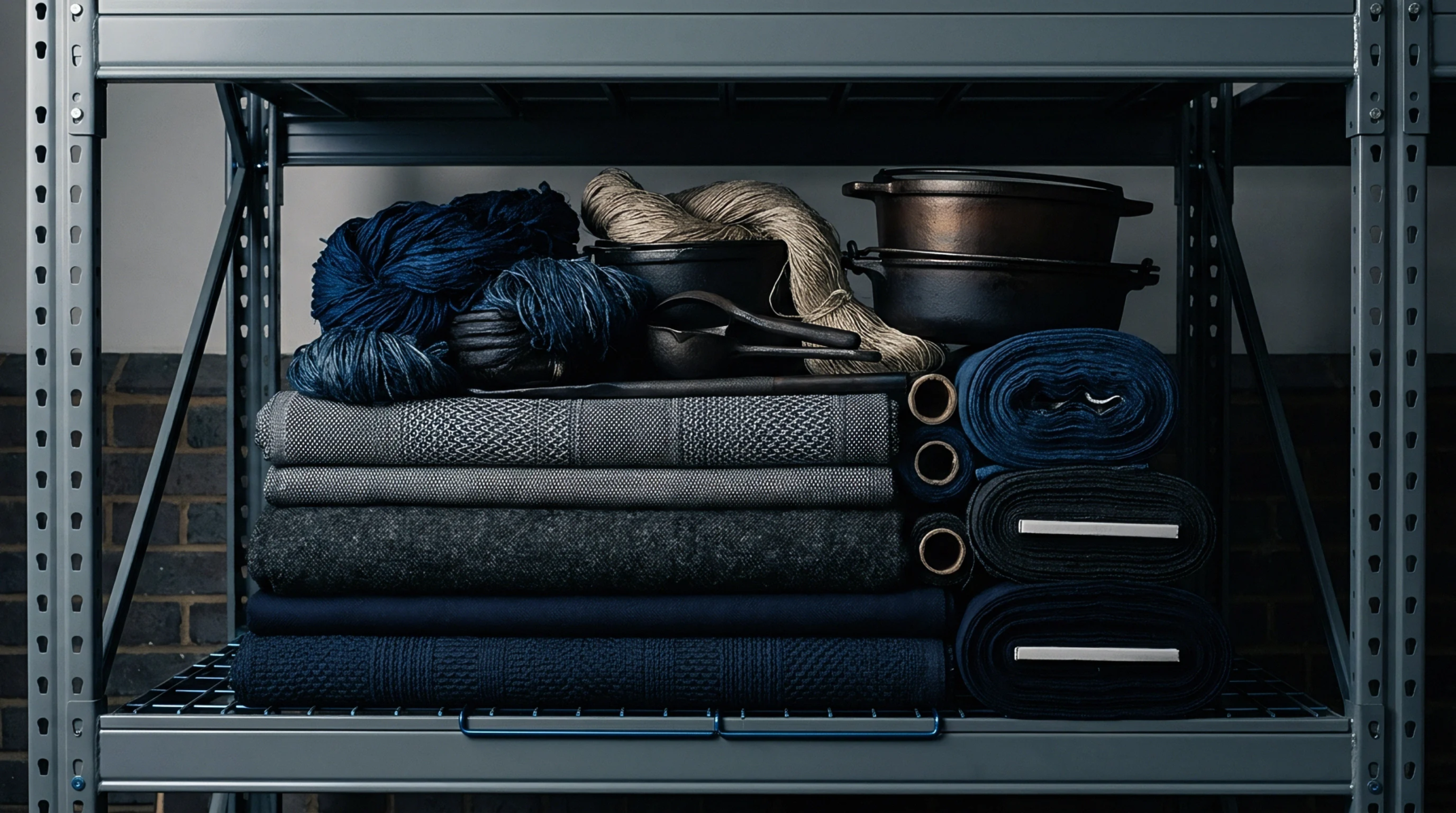
Resolve denim heavy metal false positives by enforcing collision cell ICP-MS or alternative emission lines to eliminate iron and salt matrix overlaps.

Maintain creel tension variance under eight percent to eliminate differential yarn elongation and prevent warp barre across high-speed sectional beaming runs.

Dynamic boundary equations dictate progressive alkali dosing to prevent surface ring dyeing in heavy ring spun cottons.

Inter-yarn wicking in dense twills depends on float geometry and effective hydraulic radius, driving directional transport rates across woven structures.
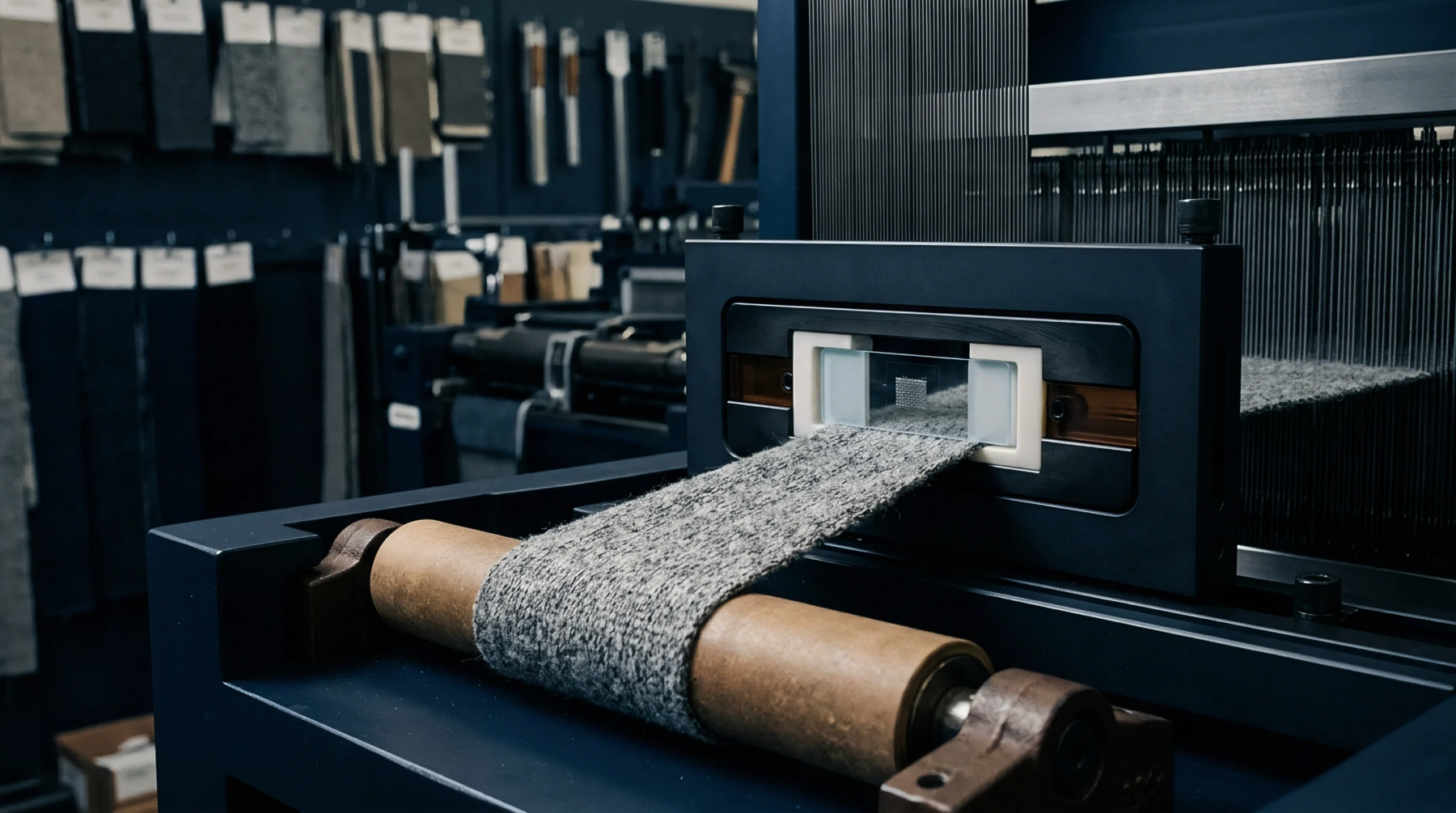
Flake aerodynamic flutter causes line-scan pixel misregistration, generating high false eject rates and polymer cross-contamination in textile flake lots.

Enforce strict chemical rosters and pre-shipment ISO 18254-1 testing on subcontracted dye batches to prevent nonylphenol ethoxylate border detentions.
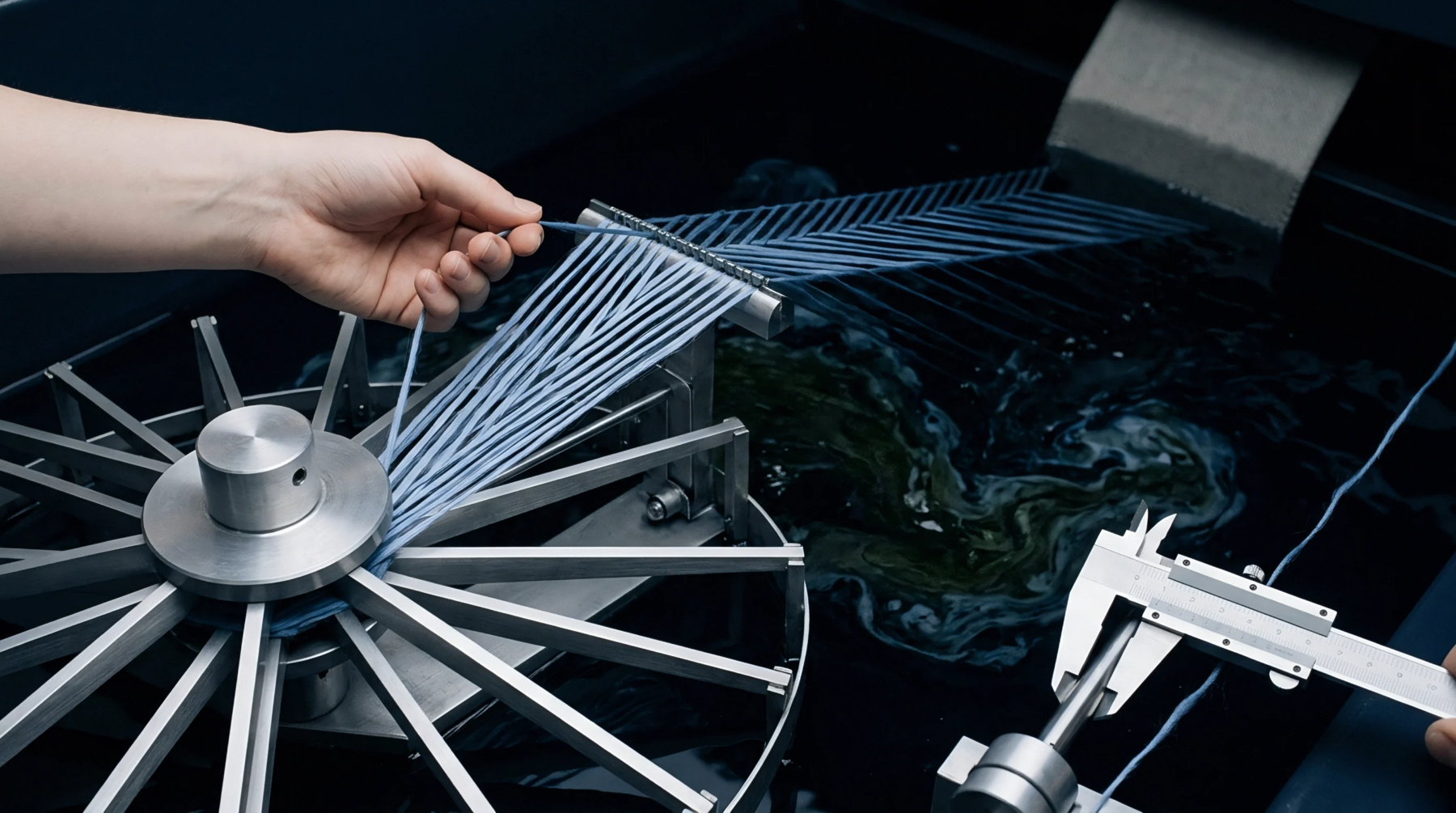
Controlling subcontracted wash auxiliaries demands locked positive chemical lists, barrel tamper seals, and machine-side testing before garment lot immersion.
Expertise is a utility, not a secret. sentiention™ publishes its working knowledge as open reference: intelligence layer covering the materials it sources, the markets it enters, and the reference that serves both.