Tensile Requirement
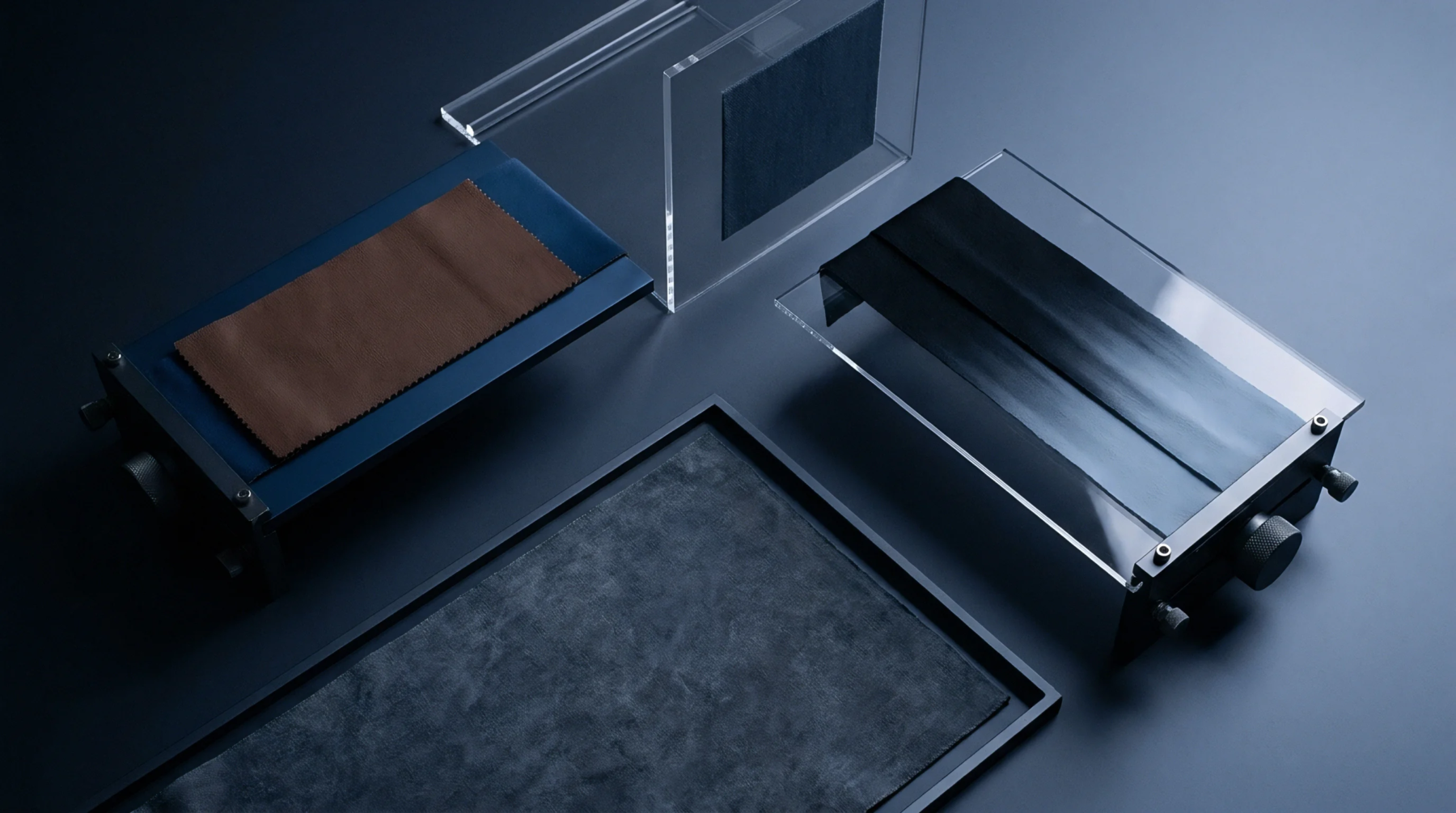
Standardisation protocol governing mechanical strength parameters specifies exact load limits for woven fabrics within industrial apparel orders. Testing laboratories evaluate ISO 22744 during final quality verification before commercial shipment release to confirm load bearing capacity meets specification thresholds. Mill production lines adjust yarn tensioning controls when preliminary sample breaks reveal variance exceeding acceptable tolerances.
Load Distribution
Stress distribution across warp and weft directions determines whether structural integrity holds under sustained mechanical pull. Fabric samples undergo controlled elongation until rupture occurs under constant velocity testing machines. Elongation percentages recorded during the procedure establish baseline durability metrics for bulk garment manufacturing batches.
Specification Boundary
Technical applicability applies exclusively to woven textile constructions intended for heavy duty industrial wear rather than lightweight consumer apparel. Knit fabrics and non woven materials fall outside the jurisdiction of this standard due to differing structural elongation characteristics. Verification procedures verify physical performance parameters exclusively within conditioned laboratory environments maintaining standard atmospheric humidity and temperature levels.
Commercial Enforcement
Buying houses reject entire production lots failing to achieve minimum breaking load thresholds specified within the procurement contract. Mill operators absorb financial penalties resulting from substandard mechanical performance discovered during independent third party audits. Contractual compliance depends entirely upon verifiable test reports confirming successful completion of elongation trials prior to final invoice settlement.