Tensile Span
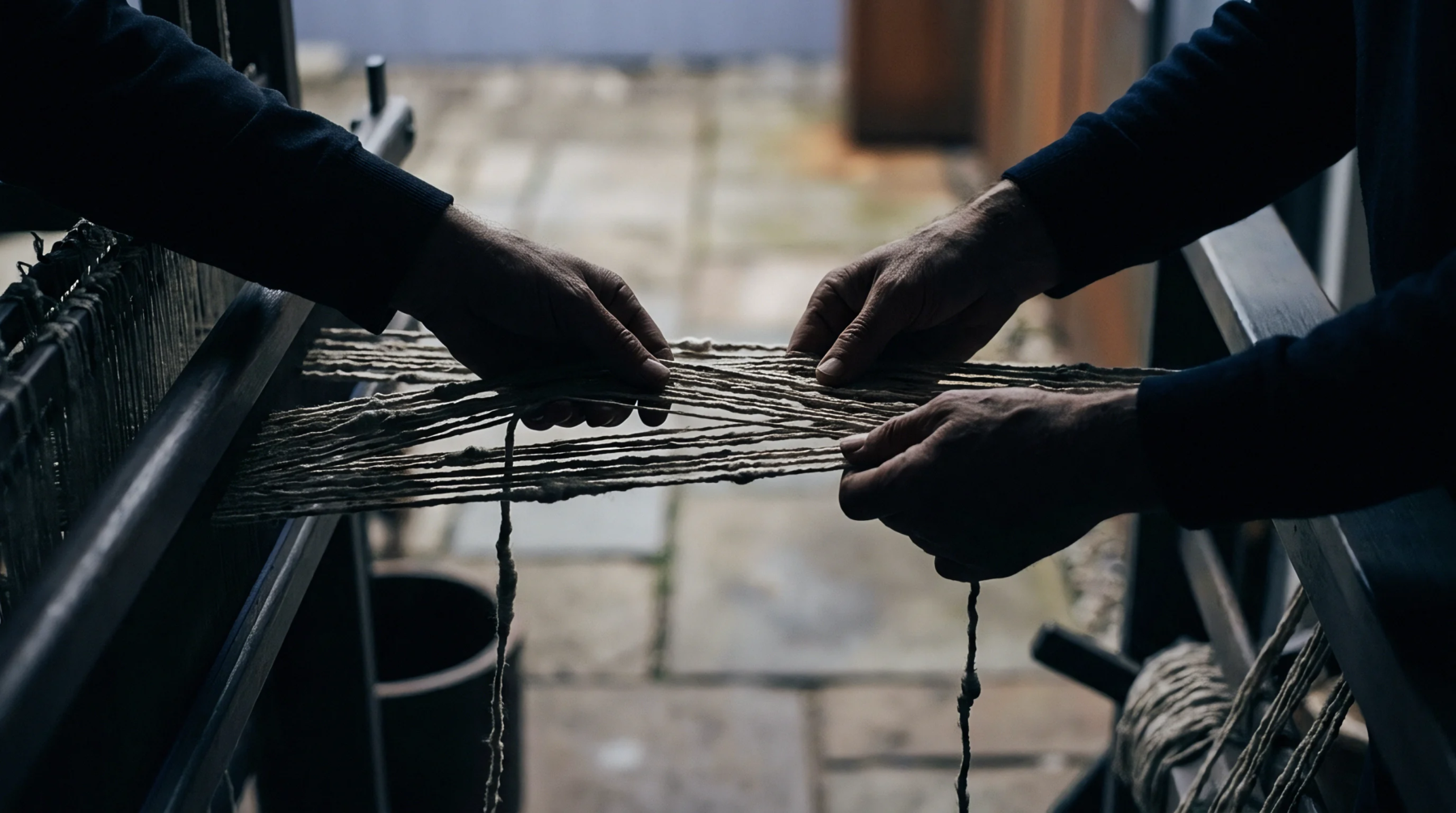
Strain measurement begins across a designated span between machine grips during textile testing. Technicians fix yarn or fabric strips into pneumatic jaws at a set starting distance before applying a constant rate of extension. This gauge length establishes the baseline for calculating elongation percentage and breaking load.
Incorrect jaw spacing introduces slippage errors that invalidate the recorded tenacity values.
Load Extension
Tension builds linearly as the motorized crosshead pulls the specimen apart. Load cells record force increments against crosshead travel until rupture occurs. Shorter intervals increase observed breaking strength because smaller test pieces contain fewer flaws prone to failure.
Raw output curves convert into stress strain diagrams once the initial grip separation factor is applied.
Staple Variance
Natural fibers introduce inherent length variations that complicate baseline setup procedures. Cotton lots require careful comb sorting to align staple distributions before testing begins on single fibers. Synthetic filaments bypass this irregularity because extrusion produces uniform continuous strands without variable clamping domains.
Technicians adjust the clamp separation distance manually when switching from staple spun yarns to filament cords.
Standard Compliance
Regulatory bodies mandate specific jaw distances to ensure test results remain comparable across global laboratories. Commercial yarn contracts reference ASTM or ISO protocols that dictate exact machine setups for quality verification. Buyers reject shipments carrying tensile certificates derived from nonstandard grip separations because data comparison becomes impossible.