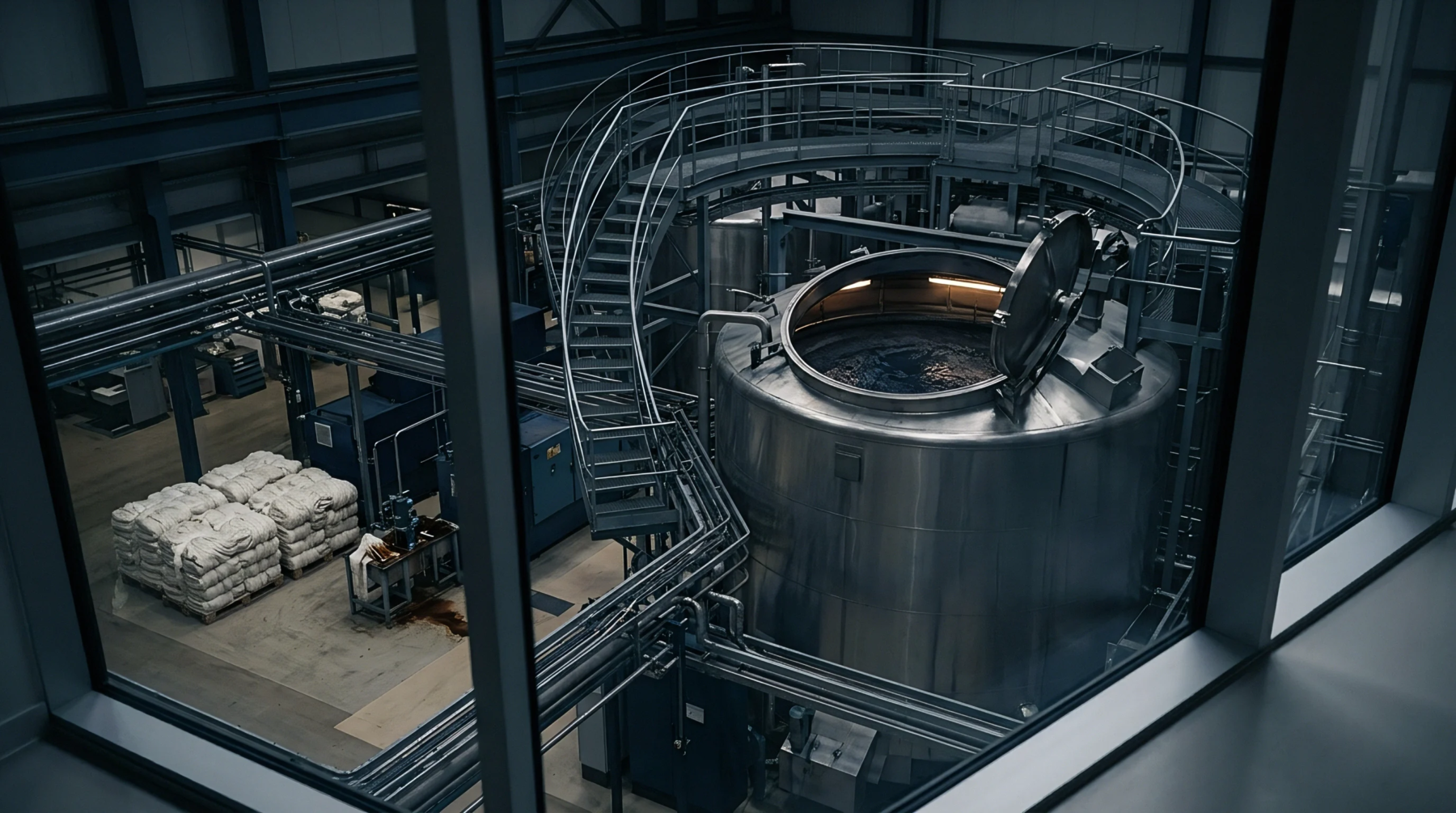
Surfactant Dispersion
Surfactant aggregates trap hydrophobic substances within their core to increase the solubility of molecules in an aqueous solution. Micellar solubilization proceeds when the concentration of amphiphilic compounds exceeds the critical micelle concentration, thereby allowing nonpolar materials to partition into the interior of these spherical structures. The process enables the movement of oils and fats into a water phase without the formation of a separate layer.
Process Mechanism
Molecular diffusion drives the uptake of guest molecules into the hydrophobic center of a micelle. Stable equilibrium occurs once the system saturates, maintaining the dissolved state of agents that would otherwise precipitate. Textiles practitioners rely on this chemical behavior to remove organic contaminants during the scouring phase of fabric production.
Scouring baths maintain efficacy through this precise control over particle dispersion, as the suspended impurities remain trapped inside the micelles until they are rinsed away from the fiber surface.
Chemical Limitation
Temperature fluctuations alter the size and aggregation number of the micelles, which can disrupt the stability of the solution. Excessive loading of guest molecules forces the transition from spherical to rod shaped structures, often causing the solution to cloud or lose its effectiveness. Technical fabric finishing requires careful monitoring of these phase transitions because the formation of larger aggregates restricts the penetration of dyes into synthetic yarns.
Manufacturers observe that ionic strength changes also inhibit the performance of the nonionic surfactants employed in wet processing.
Verification Protocol
Labs measure the turbidity of aqueous baths to determine the saturation point of the solubilized substance. This quantitative check establishes the maximum capacity of the surfactant to hold additives before the solution reaches its limit of stability. Production managers verify the quality of the bath by monitoring the surface tension of the liquid, which falls as surfactants become available for cleaning duty.
Effective control over this physical state ensures uniform treatment results across large batches of manufactured goods.