Sensitivity Boundary
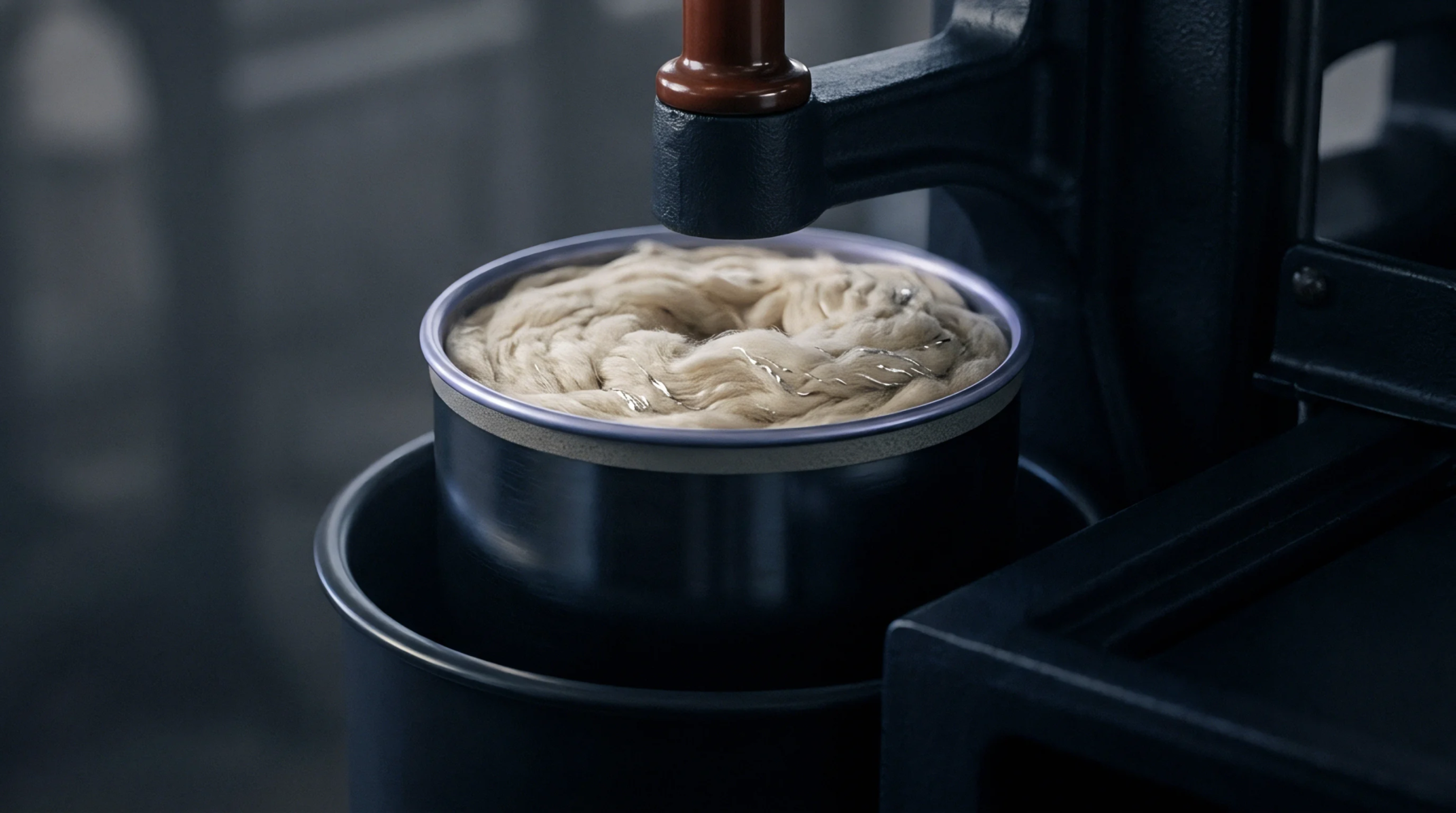
Continuous camera inspection systems installed in blowroom tuft cleaning lines capture surface images of falling fiber tufts to identify non-lint contaminants. An optical sorter detection limit defines the smallest physical area or lowest color contrast differential that high-resolution camera sensors can reliably register at production feed rates. Contaminants below this boundary pass through the cleaning line undetected, entering downstream carding and spinning processes.
Detection Mechanism
Line-scan camera units illuminate tuft streams with intense light-emitting diode arrays, transmitting image frames to image-processing hardware. Algorithm parameters analyze pixel brightness values against baseline fiber color, triggering targeted high-pressure air nozzles when contrast anomalies appear. Particle speed, camera pixel density, frame rates, and lighting intensity dictate the ultimate sensitivity of the optical system.
Operational Limit
High production throughput accelerates fiber tuft speed, reducing the optical exposure time available for camera sensors to capture individual particle edges. Fine transparent film shards and white polypropylene twine fragments match natural cotton coloration, rendering them invisible to standard optical spectrum sensors.
Industrial Impact
Contaminants exceeding the optical sorter detection limit are diverted into waste collection hoppers, preserving raw fiber purity. Small plastic fragments that bypass optical detection fragment further during carding, multiplying foreign particle counts across miles of yarn. Spinning mills assess cleaning line efficiency by measuring waste composition and inspecting card sliver webs under ultraviolet illumination.
Quality assurance agreements specify acceptable defect counts per metric ton of processed cotton lint.