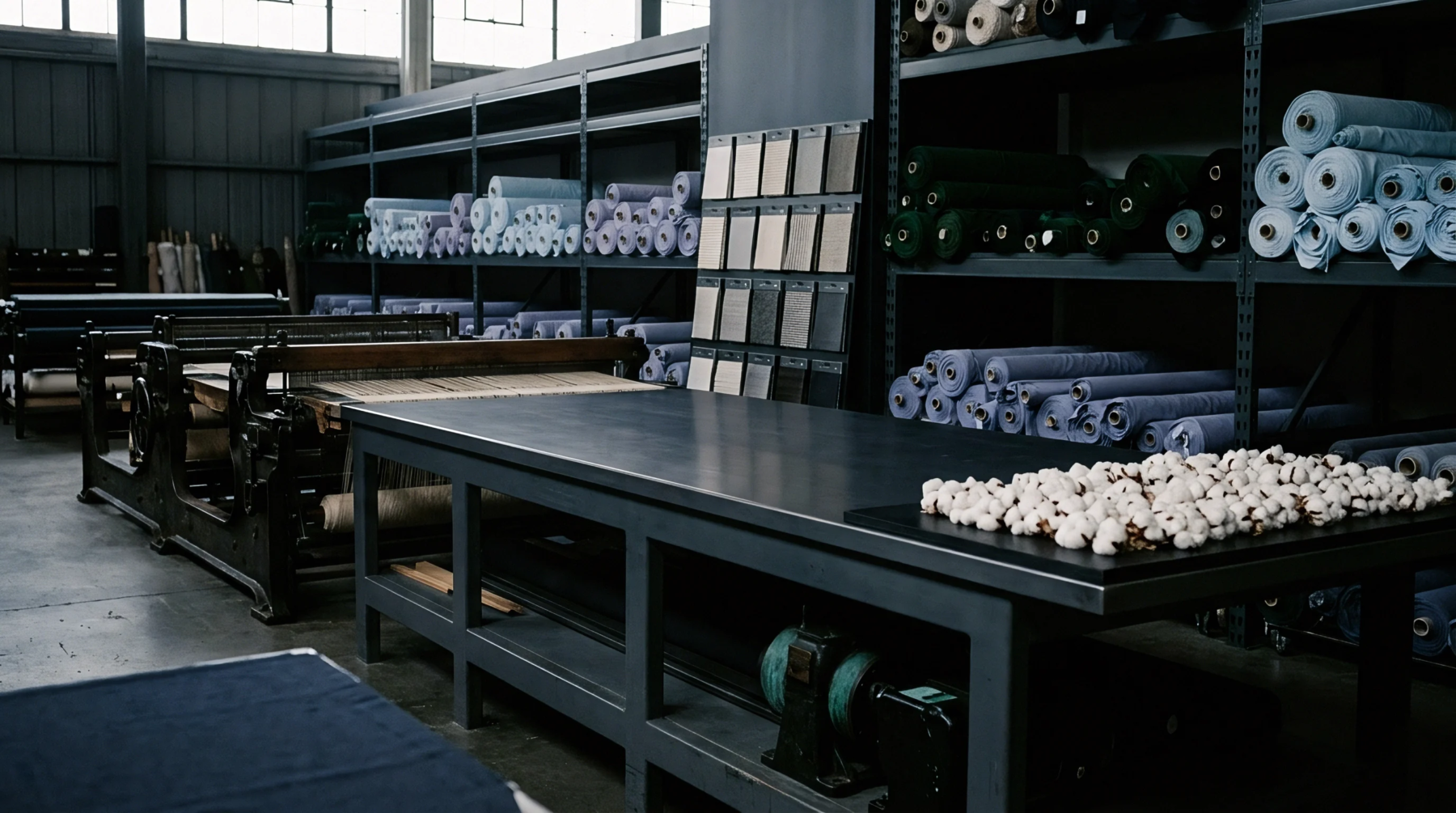
Cross Sectional Dye Exhaustion Dynamics in Heavy Cotton Duck
Cross-sectional dye exhaustion in heavy cotton duck demands high liquor velocity and slow bath exhaustion to eliminate core ring dyeing and surface crocking.

Cross-sectional dye exhaustion in heavy cotton duck demands high liquor velocity and slow bath exhaustion to eliminate core ring dyeing and surface crocking.
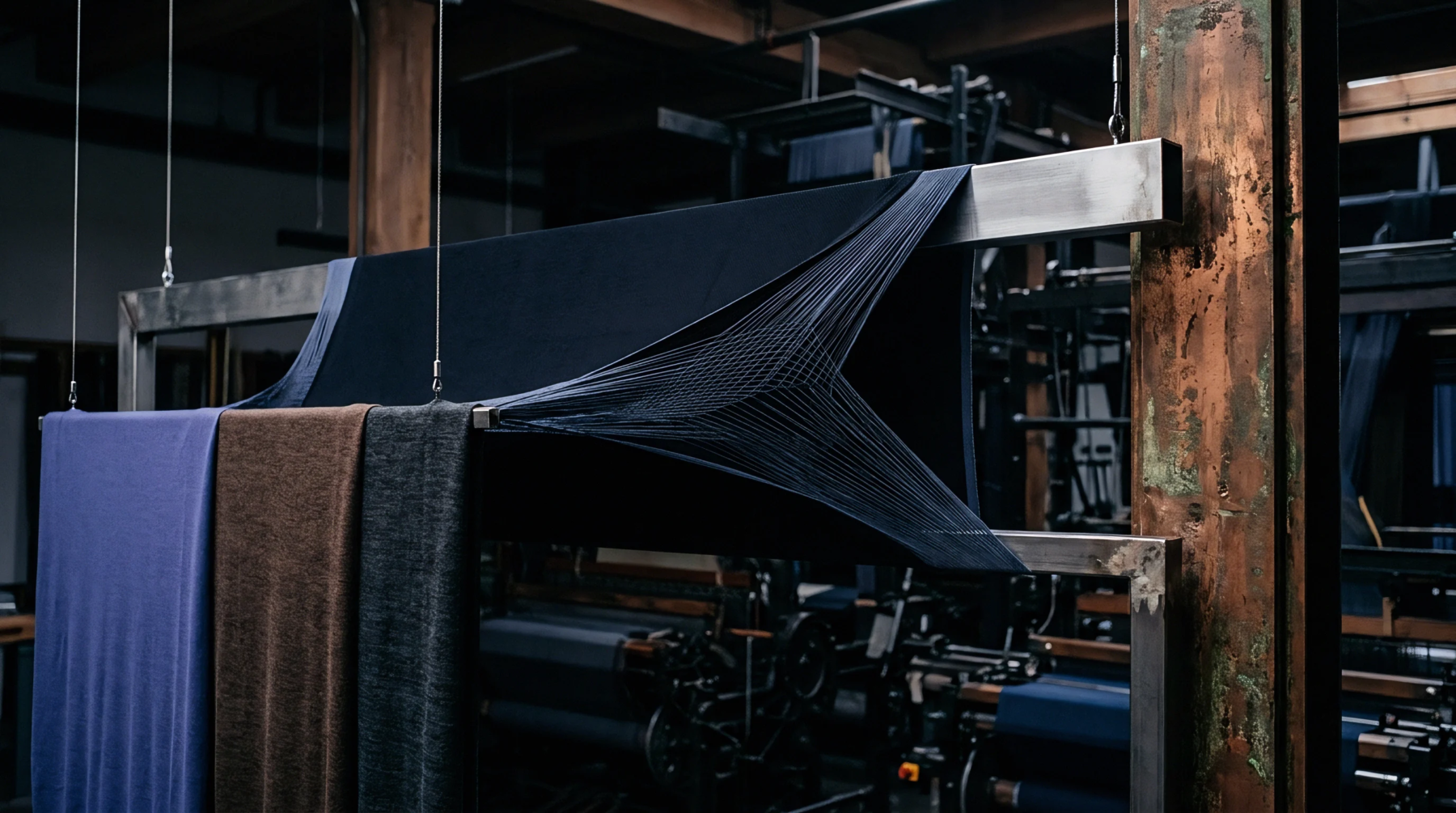
Fine warp swelling contracts interstice radii during padding, driving sharp radial pressure decay that blocks core liquor penetration within 150 milliseconds.

Differentiating elastane thermal degradation from regulated aromatic amines requires extraction without sodium dithionite to isolate true azo cleavage.
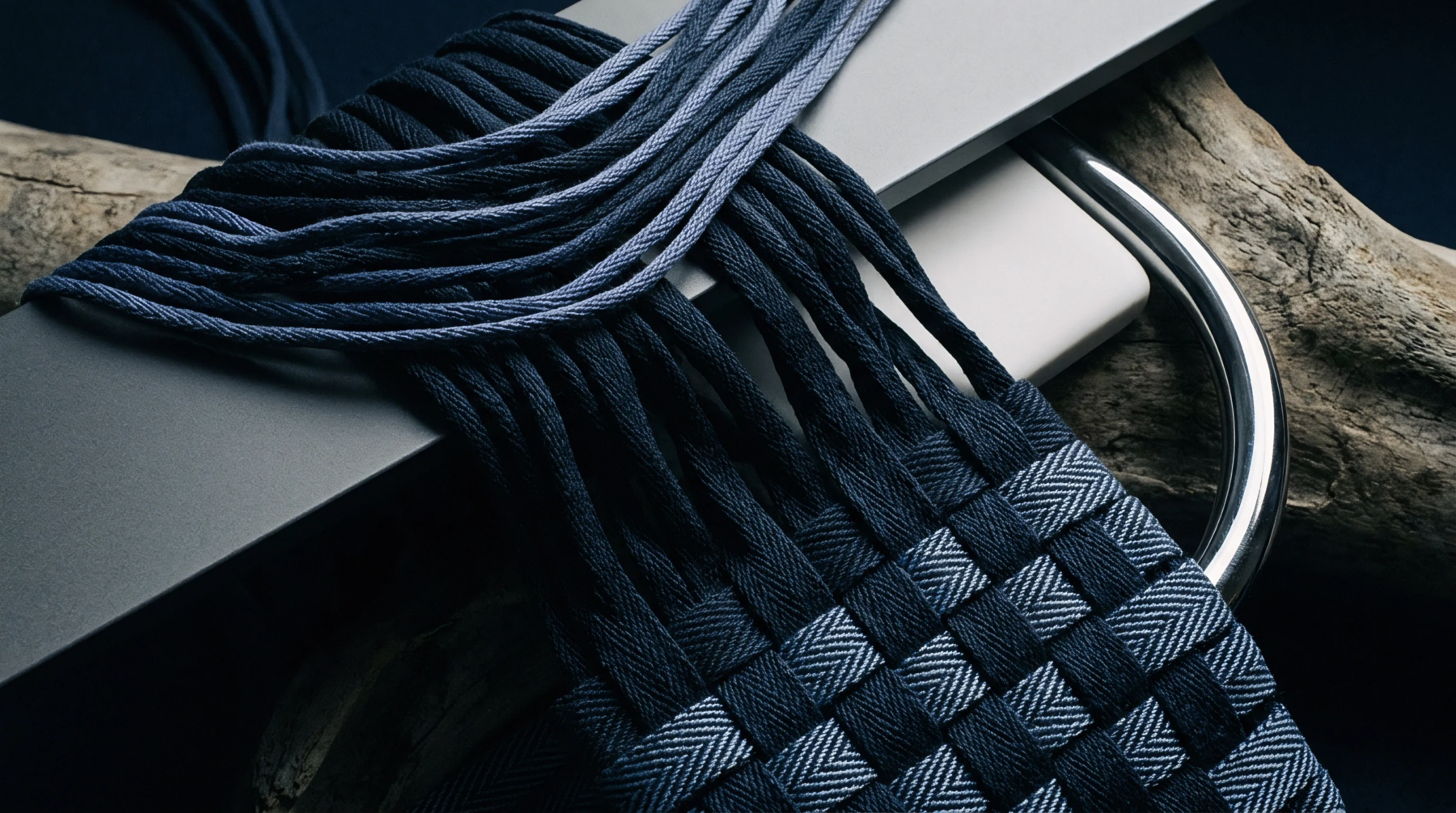
Fluid transport in dense wovens decays through chemical finish stripping and intra-yarn pore collapse, requiring multichannel yarns to maintain post-wash wicking.
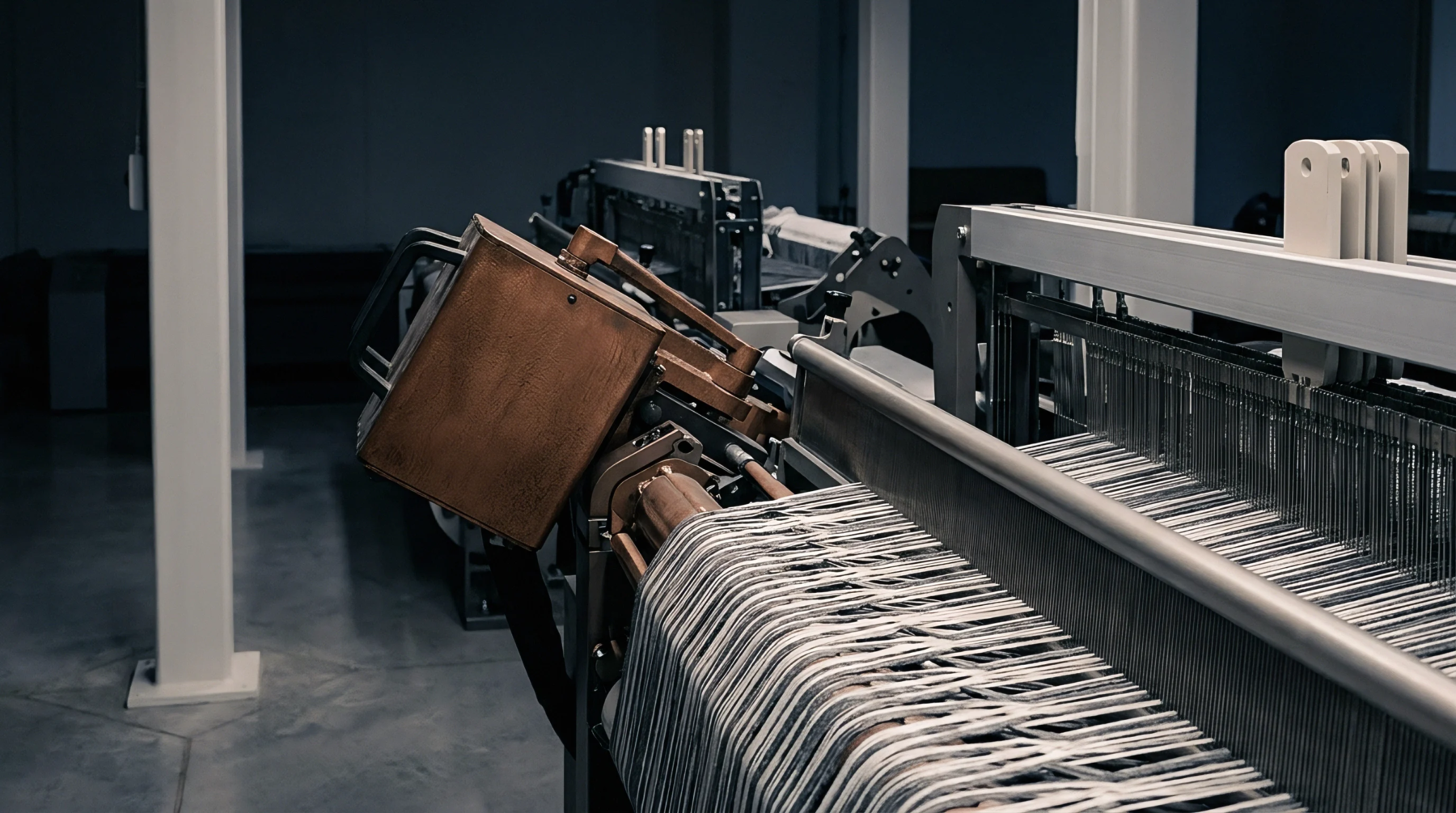
High warp cover limits dye liquor core penetration in continuous padding, requiring lower line speeds, specialized wetting agents, and calibrated IR drying.
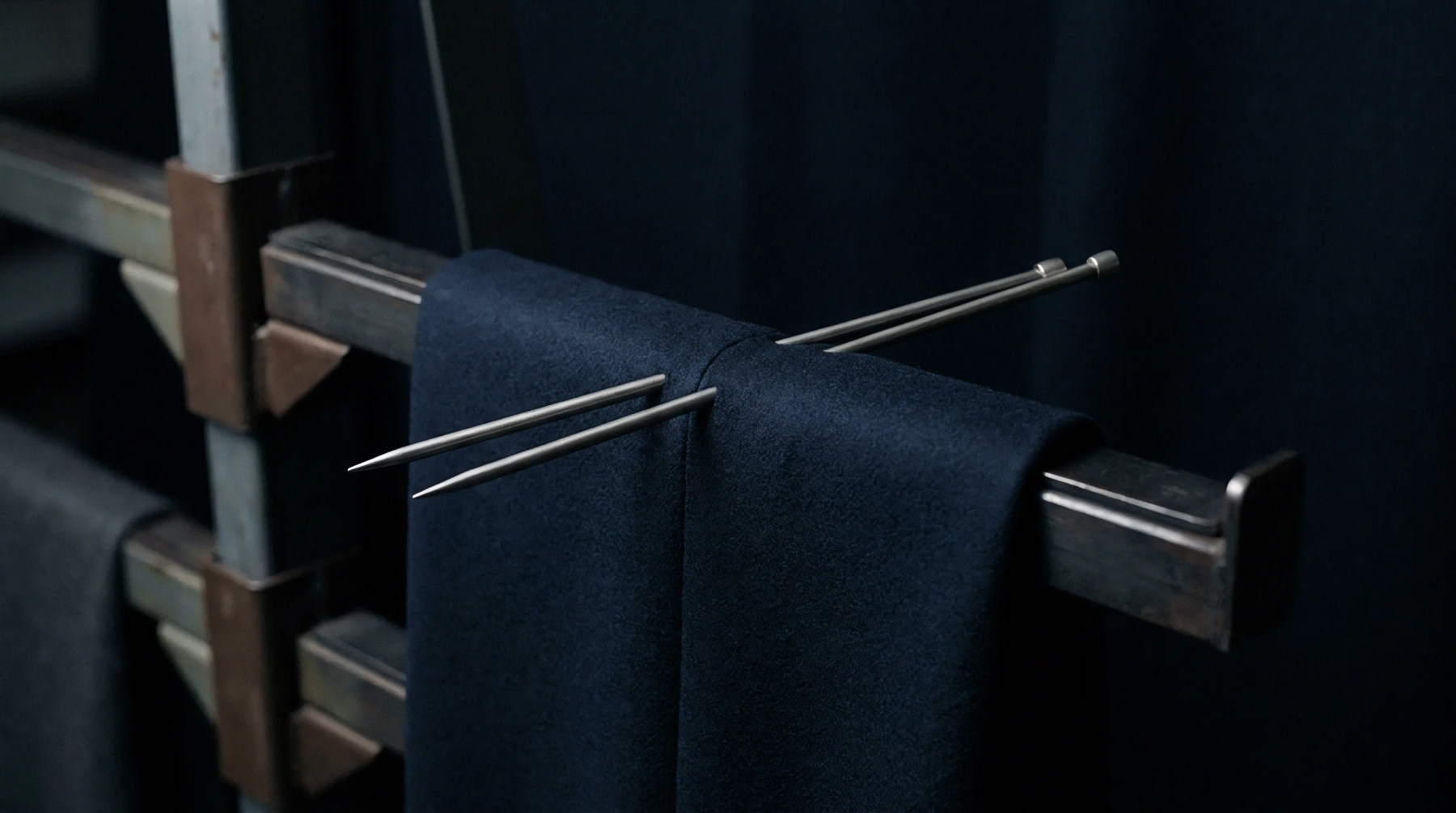
Quantification of banned aromatic amines in PET requires solvent extraction, chemical reduction, and GC-MS SIM analysis against a 20 mg/kg limit.
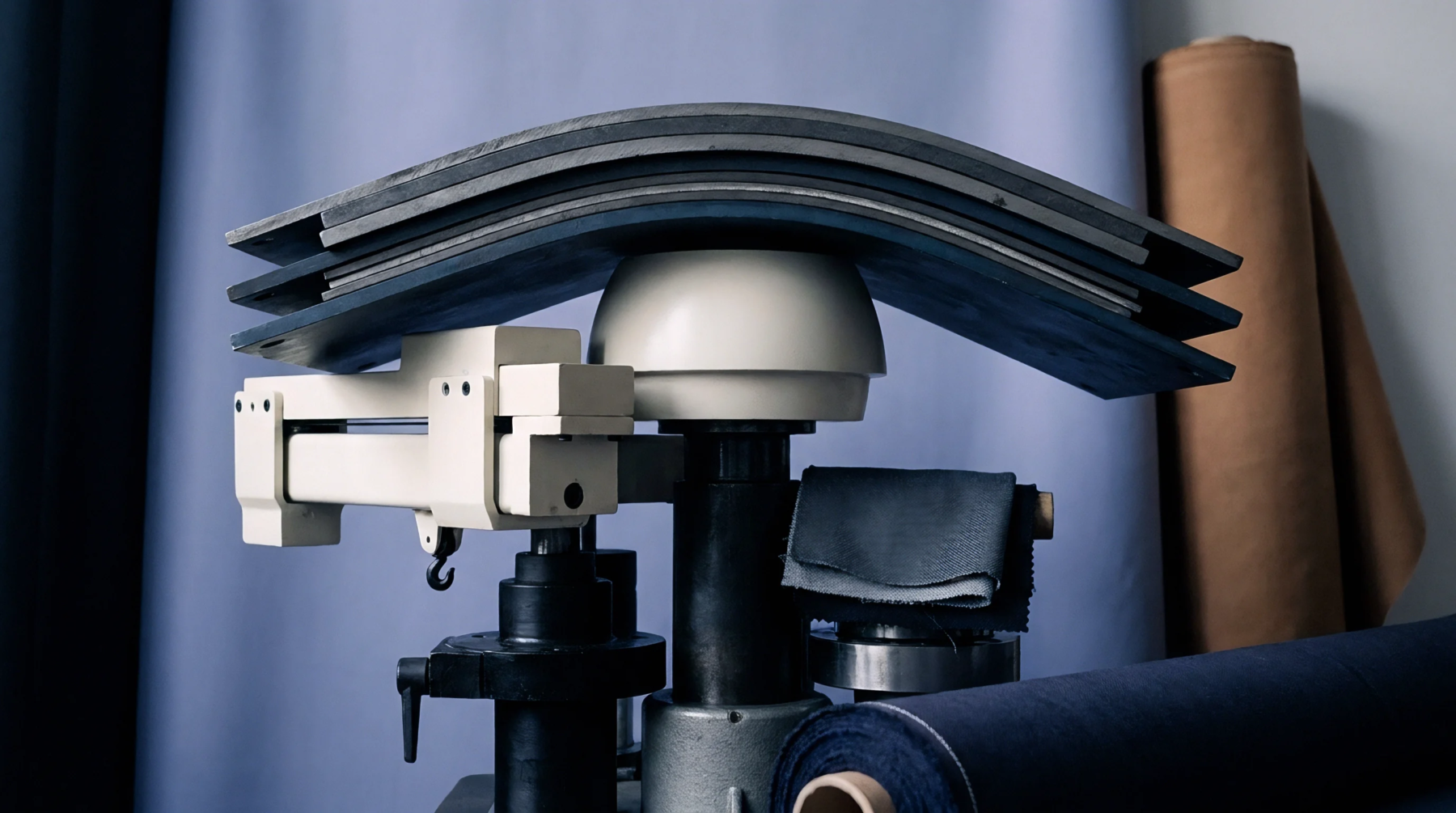
Textile import compliance requires batch-specific EN ISO 14362 testing confirming regulated aromatic amines remain below 30 mg/kg before port departure.

Greige elastomeric contraction models calculate reed width and overfeed dynamics to target finished weight and width across high-density technical weaves.
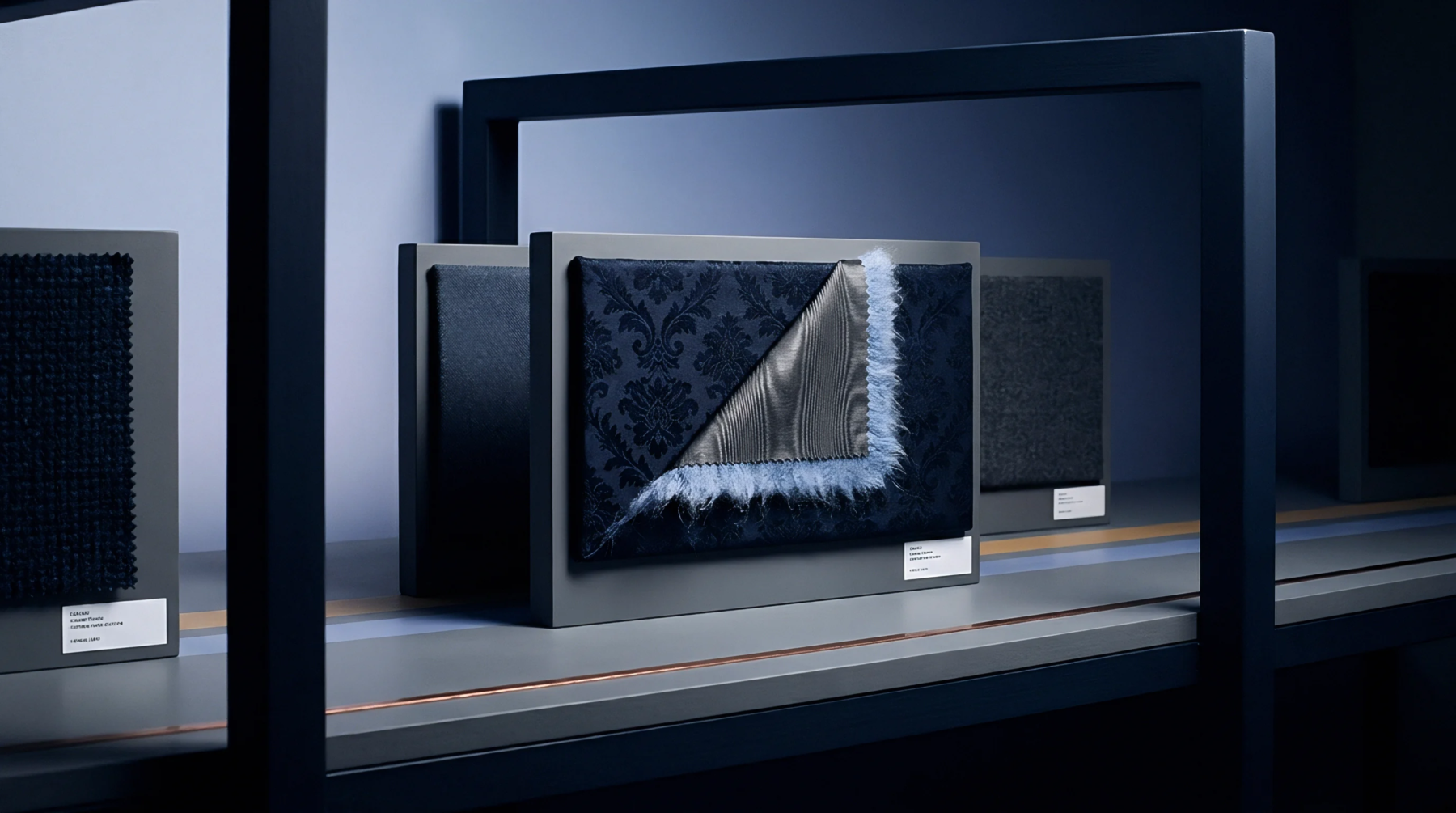
Importers of record carry immediate terminal detention liability when fabric shipments clear customs without required transaction certificates.
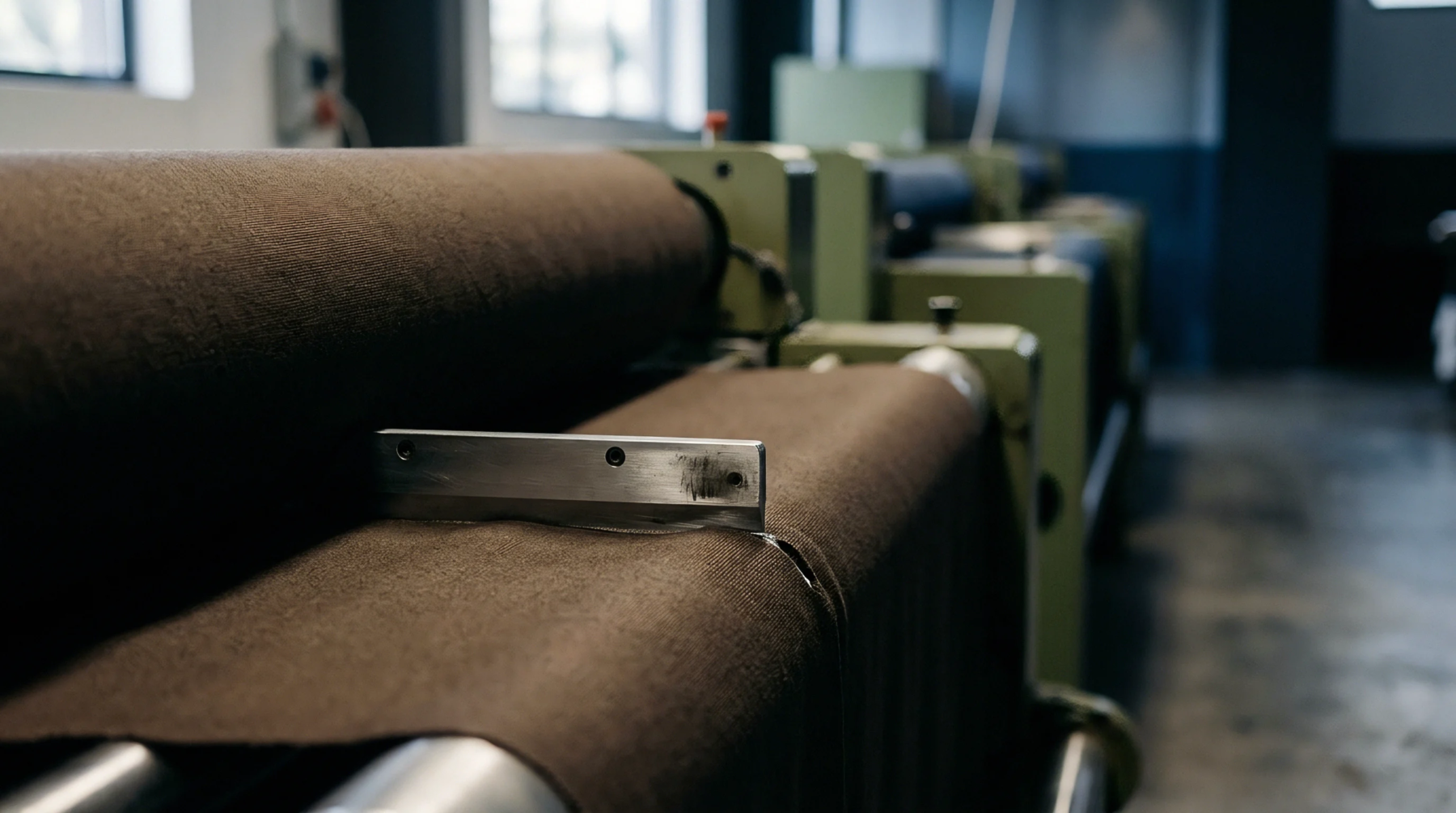
Split textile batches dispatched after scope certificate expiration forfeit transaction certificate eligibility unless dispatched during active licensing.
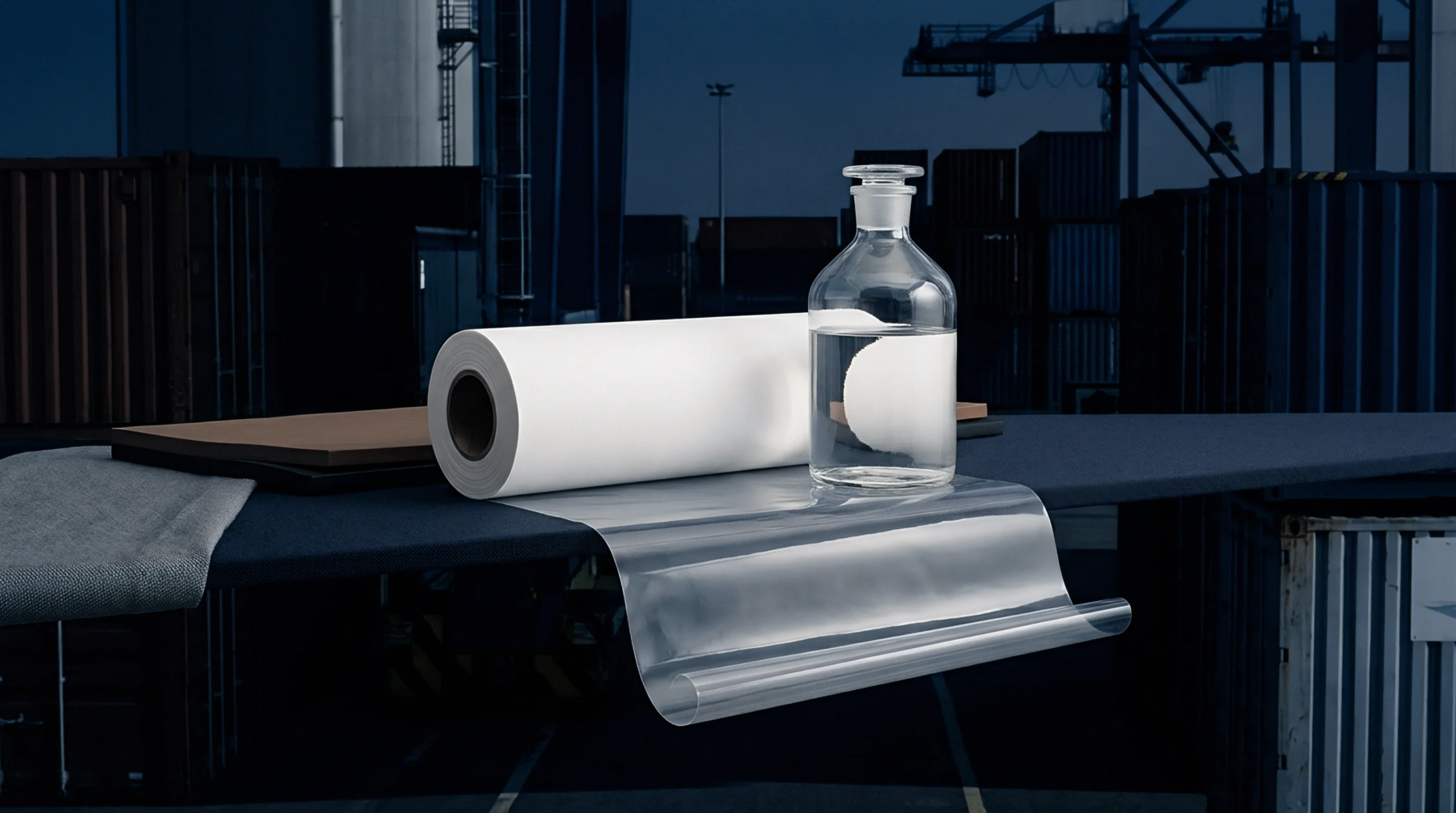
Resolving non-equilibrium dissolution kinetics in crystalline microfiber cellulosics prevents quantitative mass bias and customs reclassification risk.
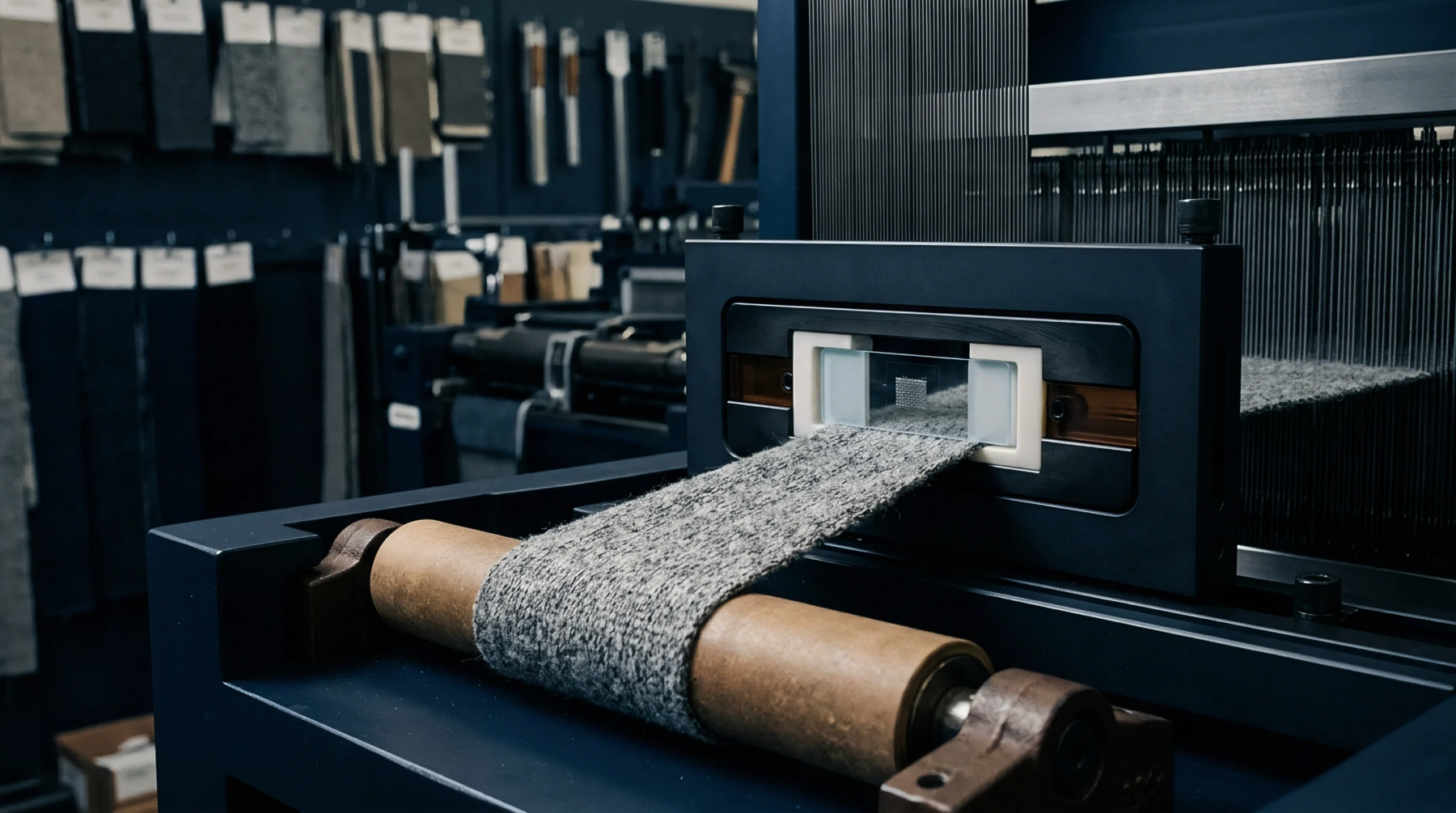
Scope certificate validity depends on the bill of lading date, requiring pre-dispatch transaction certificate filing to prevent port detention.
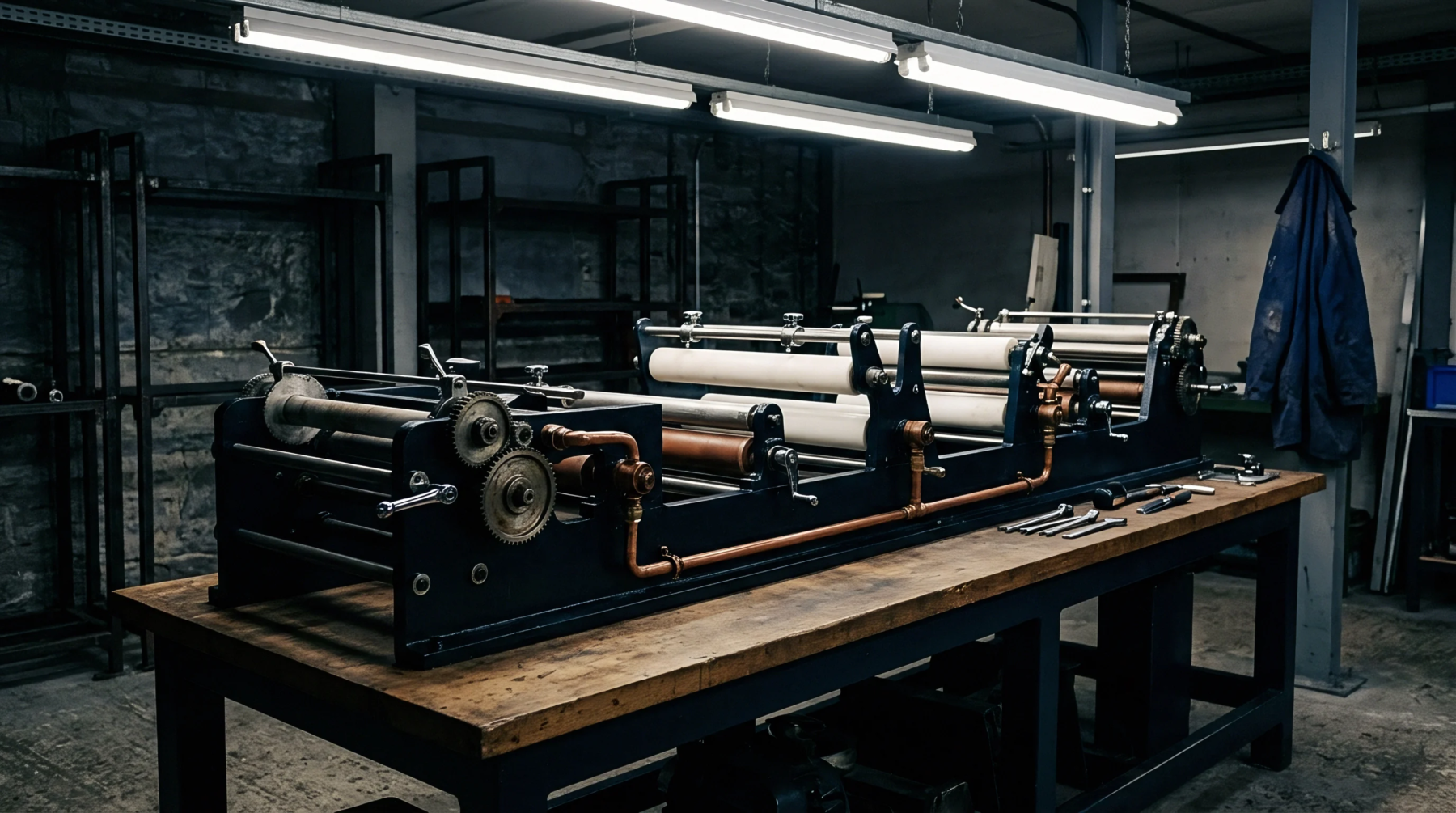
Standardizing cellulosic regain adjustments transforms ambient transit weight to official commercial mass, locking correct Harmonized System tariff classifications.

Quantifying binary cellulosic blend extraction kinetics prevents analytical misclassification, securing accurate customs tariff lines and landed cost calculations.
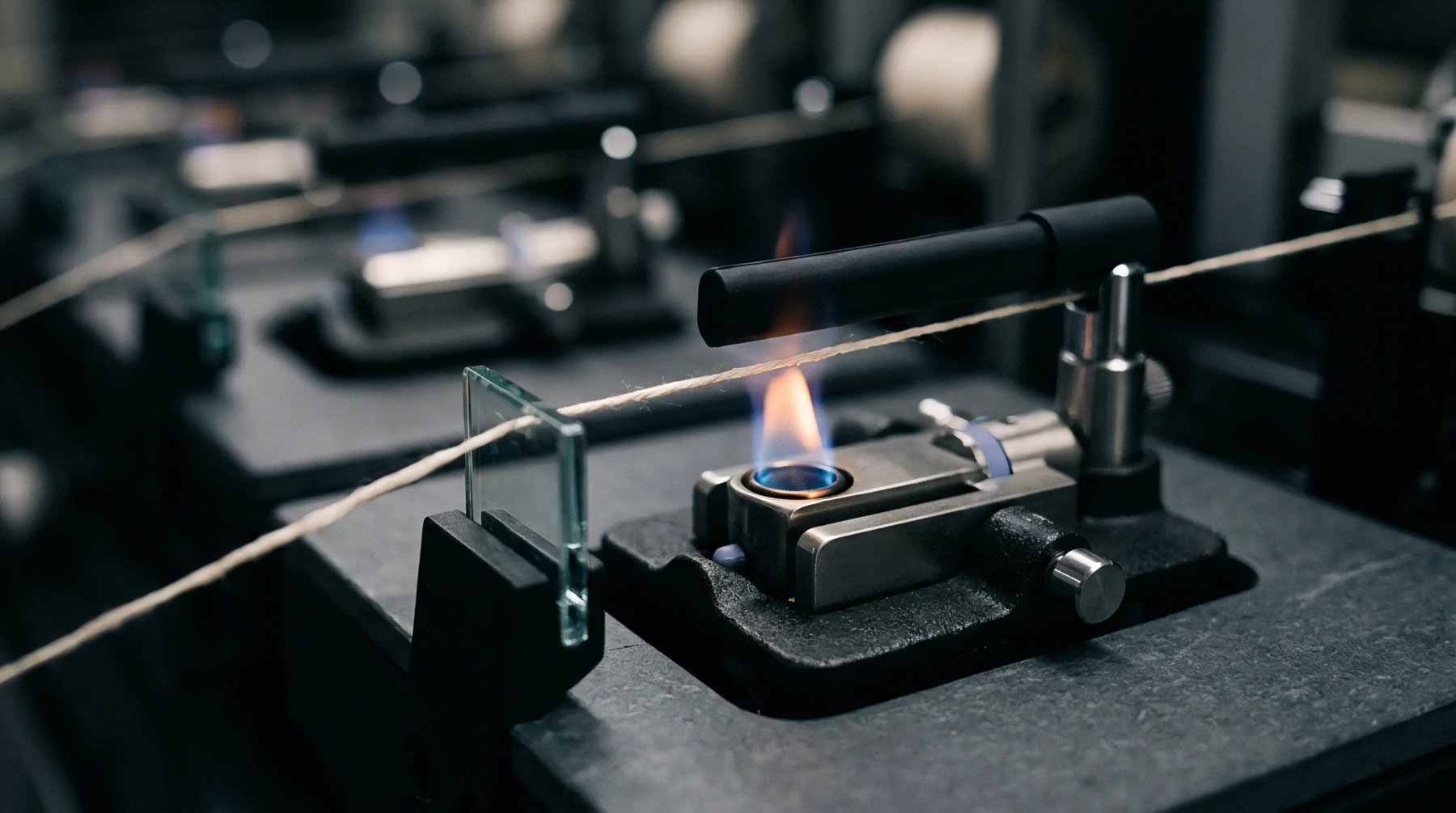
Empirical verification of chemical degradation factors prevents customs reclassification penalties on regenerated cellulosic fiber imports.
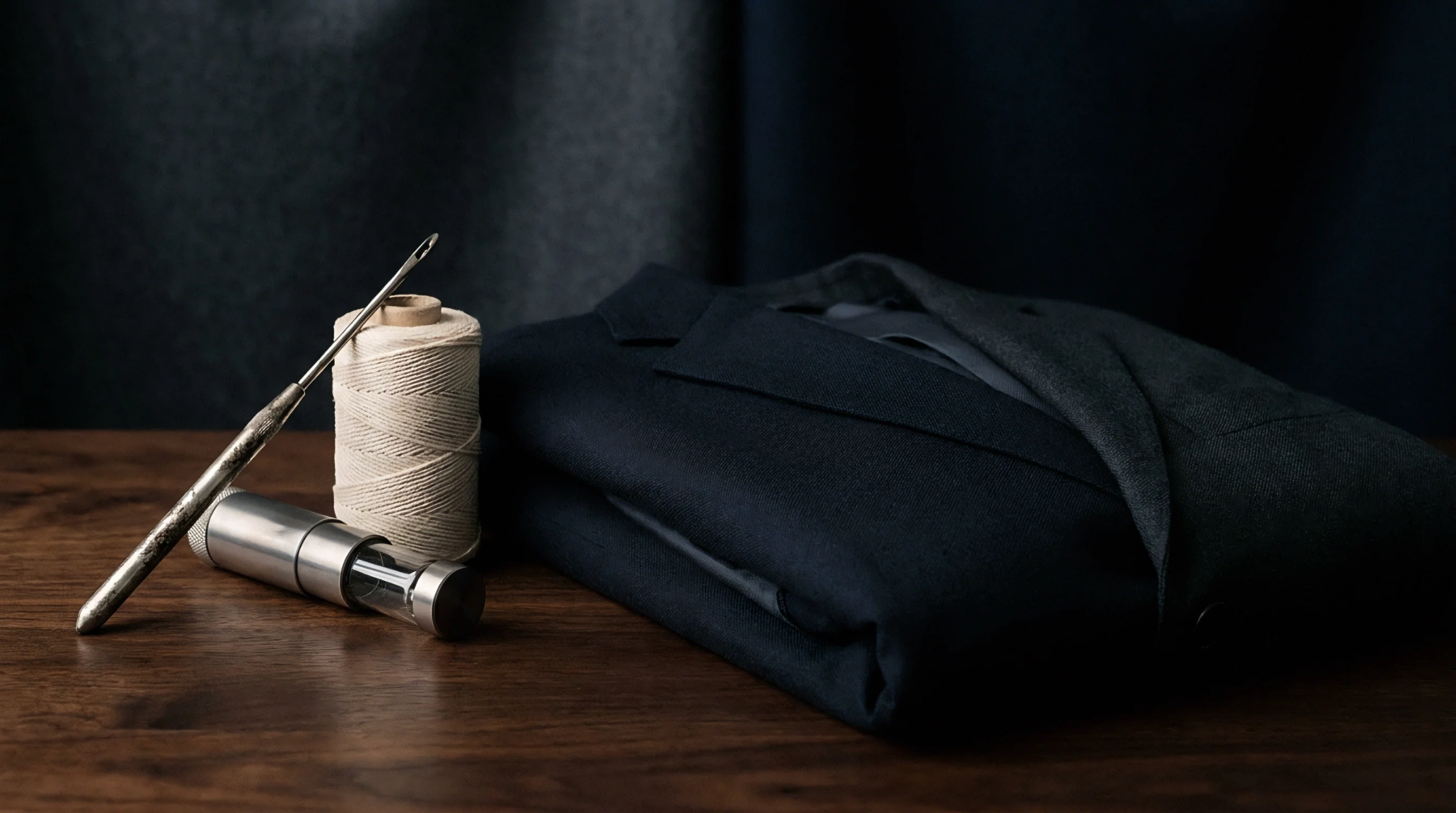
Greige thread density shifts inversely with finished width and length relaxation, requiring exact warp overfeed and reed contraction compensation.

Calibrating empirical d-factors prevents residue over-dissolution from shifting 50 percent cotton-polyester customs declarations.
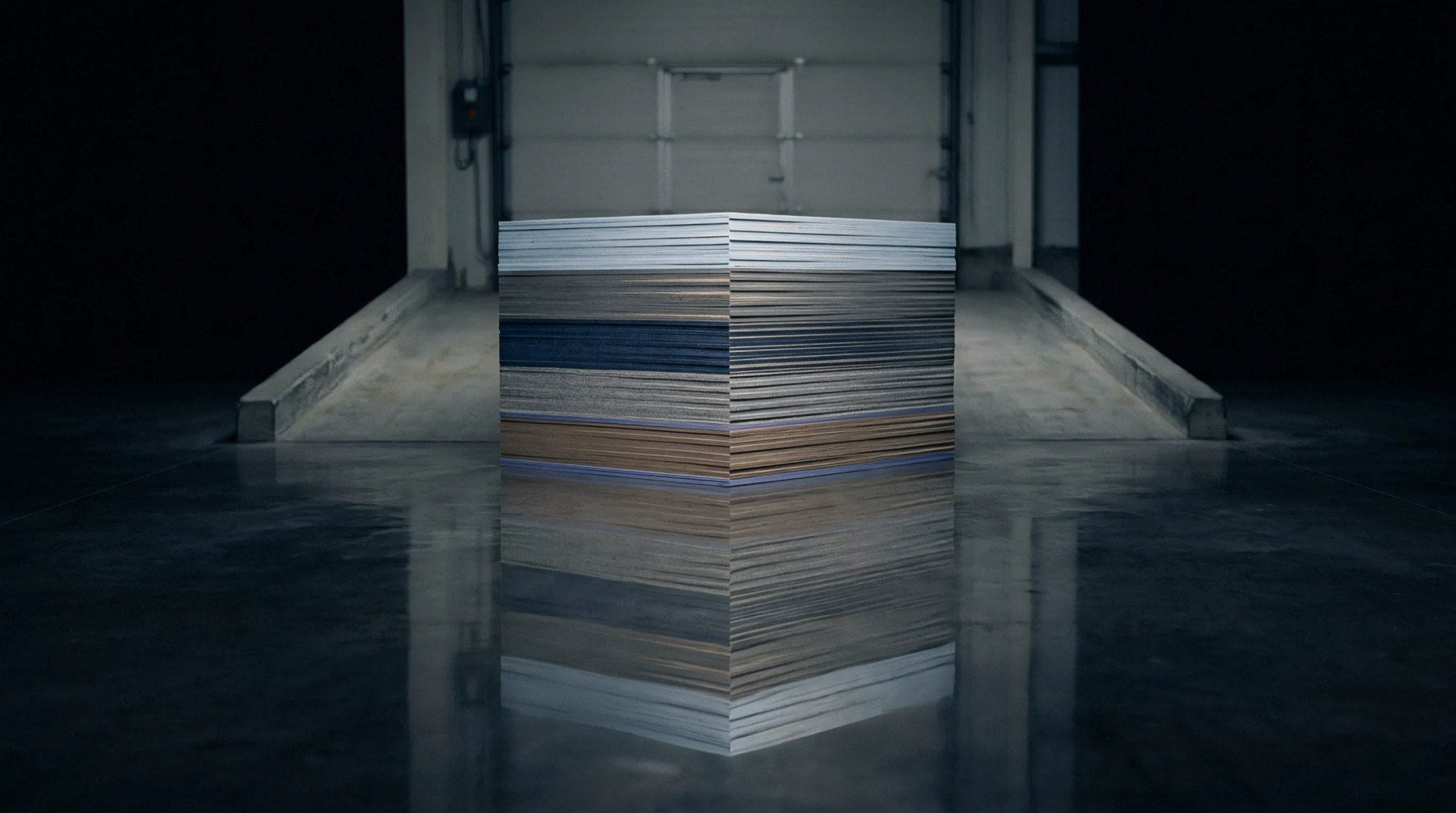
Dense polyurethane solvent testing requires standardized methanol extraction at 70°C to capture latent NMP and DMFa before regulatory market surveillance audits.

Non-equilibrium solvent extraction transients skew coated fabric testing; controlling dwell kinetics and edge boundary transport secures reliable eco-certification.

Binary blend mercerized cotton testing pairs chemical solvent removal of non-cottons with Barium Activity Number analysis to isolate treated fiber percentages.
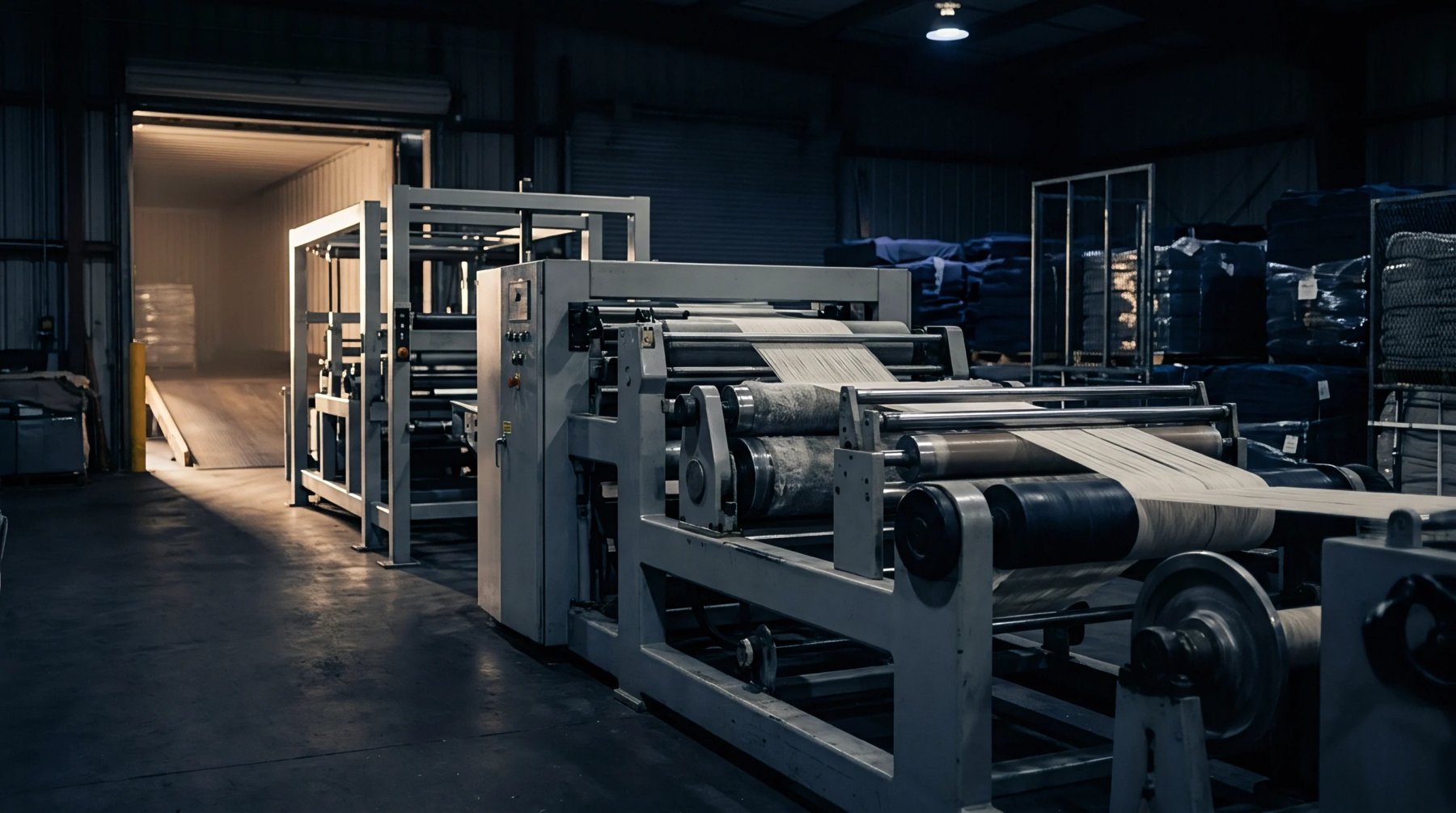
Verify loom state greige by measuring conditioned sett, sizing add-on, crimp ratios, and defect points to ensure structural stability before wet processing.

Dynamic vapor sorption hysteresis loop area directly predicts long term polyurethane laminate delamination by measuring trapped interfacial moisture clustering.
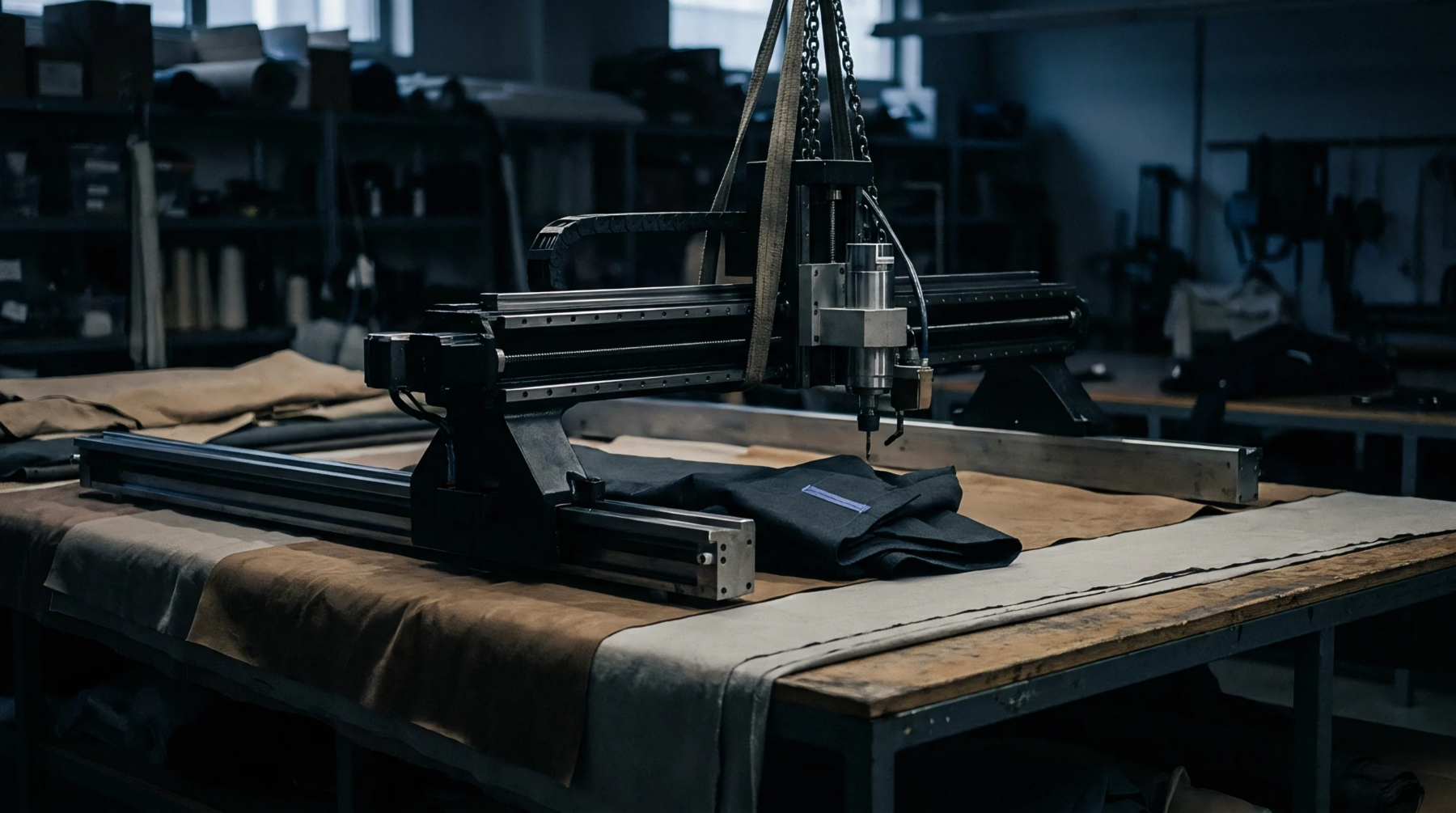
Port rapid drying systems systematically under-report moisture regain versus ISO reference ovens, requiring pre-agreed calibration offsets in mass settlements.

Polyurethane membrane compliance requires ultrasonic methanol extraction under EN 17131 to liberate bound polar solvents trapped during wet coagulation.
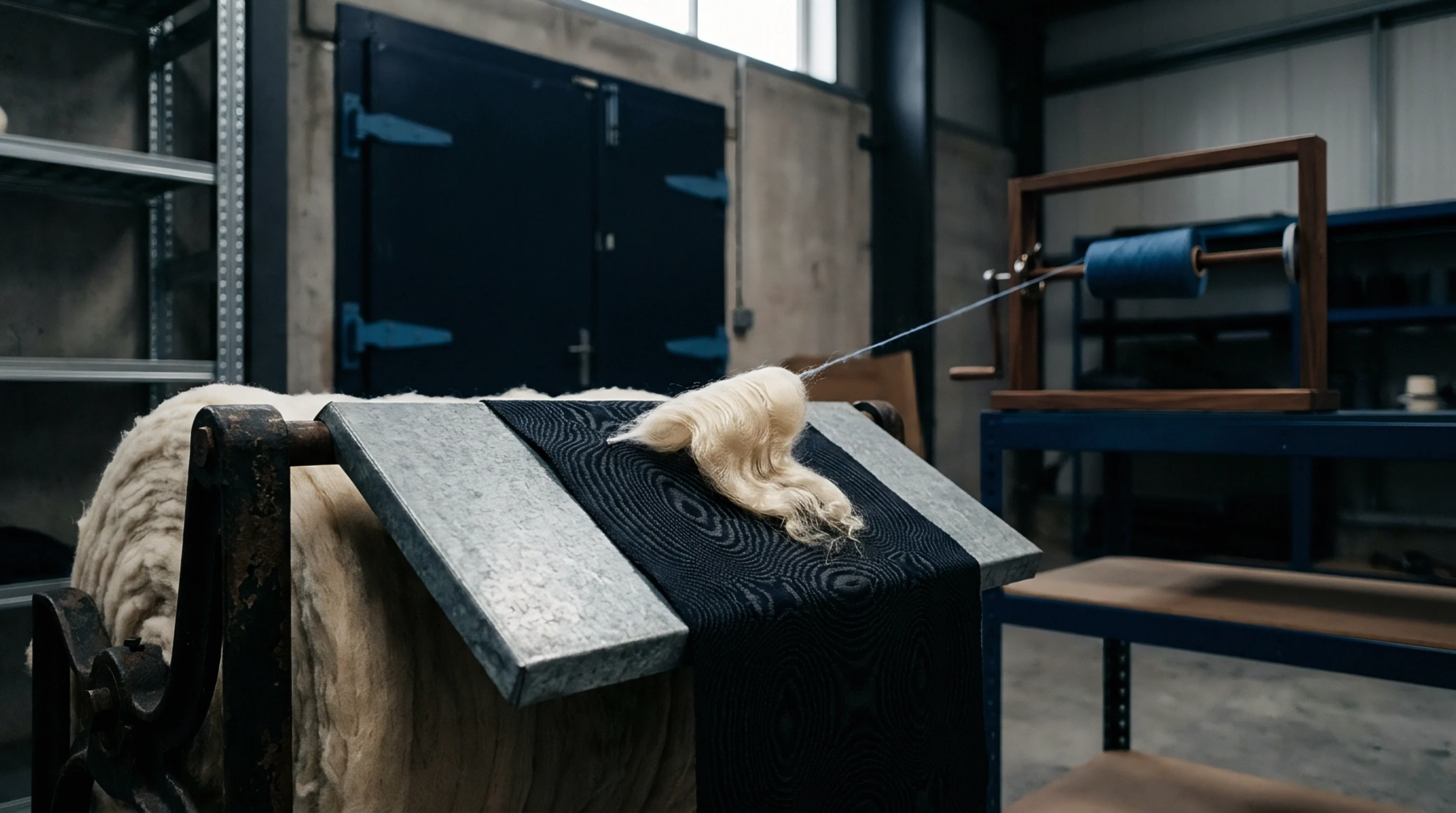
Commercial fiber mass demands adjusting gross scale weight to oven dry mass plus standard regain allowances per ISO 6741 to avoid paying for transit water.
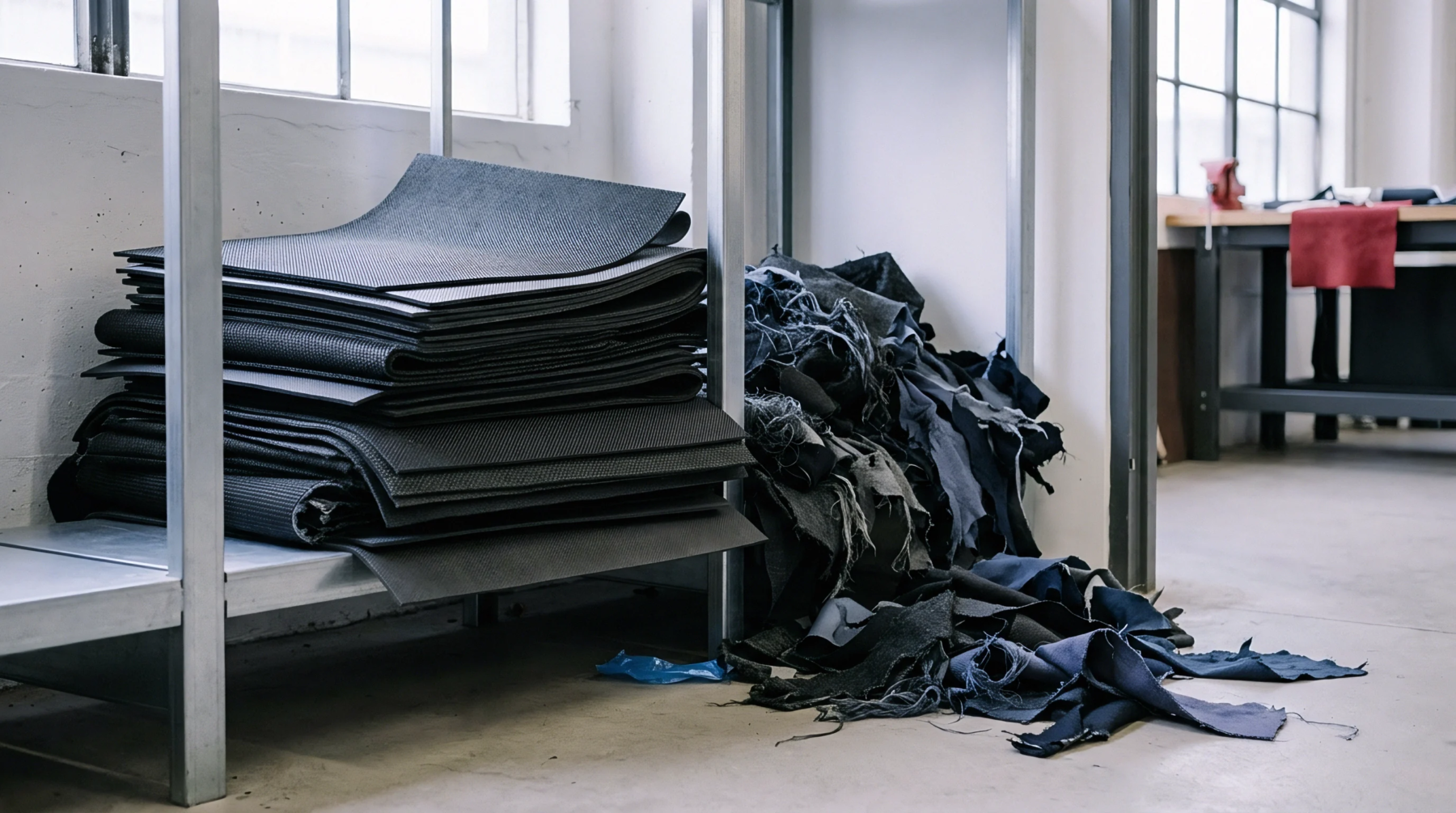
Polyisocyanate crosslinked tie layers fail when hydrolytic cleavage drops peel strength below fifteen Newtons per fifty millimeters under tropical aging.

Commercial moisture regain testing converts variable raw scale weights into standard commercial mass to prevent excess water charges on fiber invoices.
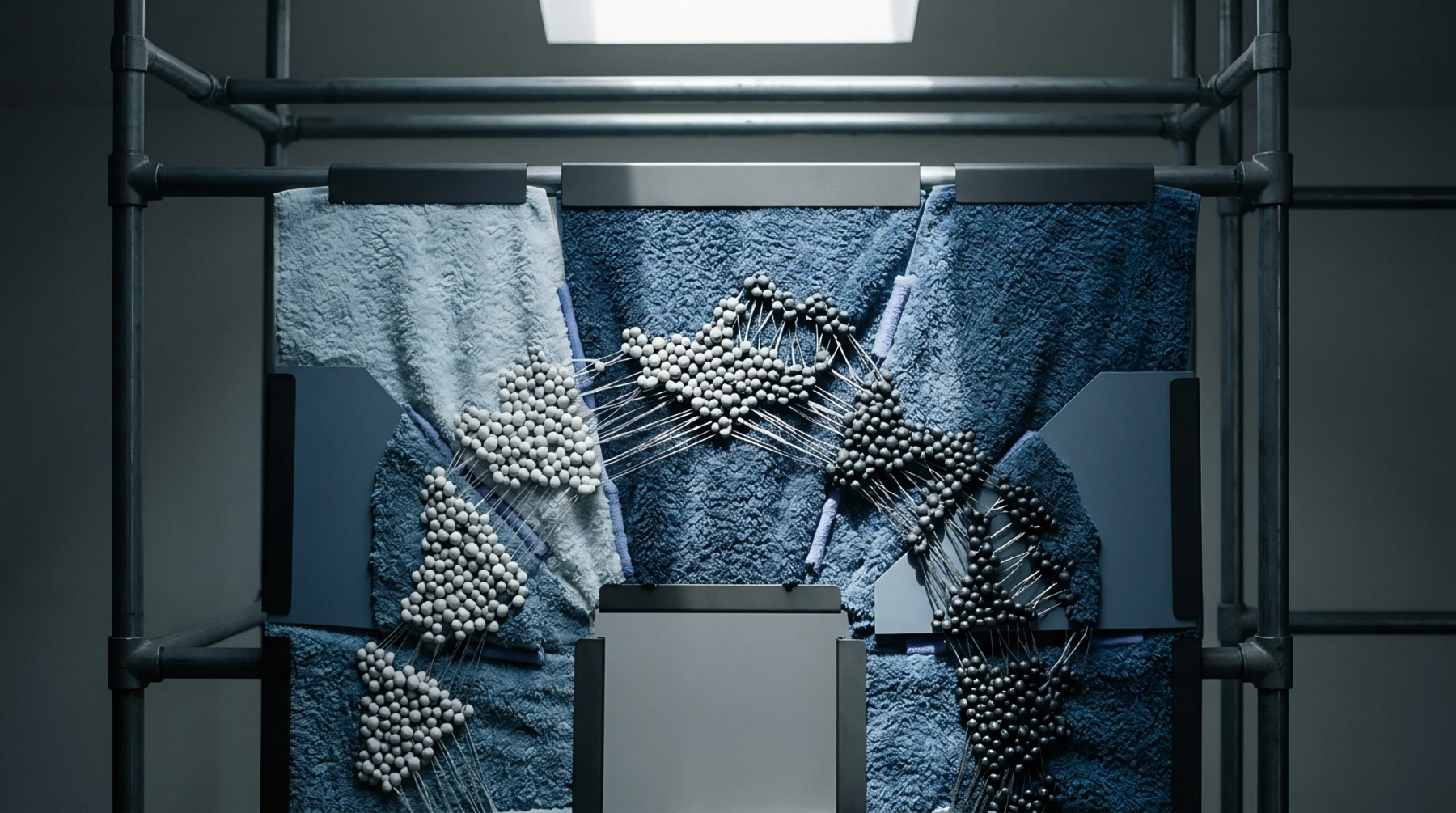
Hydrophilic membrane moisture retention stems from polyether bound-water storage, requiring dynamic desorption bounds in specifications to avoid wet-out chill.

Interlaboratory variance near low formaldehyde limits requires strict 40 °C control, dark incubation, extract blank subtraction, and foil swatch packaging.

Commercial mass calculations based on oven-dry testing resolve landed weight discrepancies caused by hydrothermal shifts in cross-border synthetic staple bales.
Expertise is a utility, not a secret. sentiention™ publishes its working knowledge as open reference: intelligence layer covering the materials it sources, the markets it enters, and the reference that serves both.