
ISO 17025 Scope Schedules for Chemical Testing Laboratories
Validate ISO 17025 scope schedules against exact substrate matrices, analytes, and test methods to eliminate customs detentions and illegal scope claims.

Validate ISO 17025 scope schedules against exact substrate matrices, analytes, and test methods to eliminate customs detentions and illegal scope claims.

Bayesian inversion of attenuated infrared depth scans isolates subsurface plasticizer gradients from polymer degradation noise to verify chemical compliance.
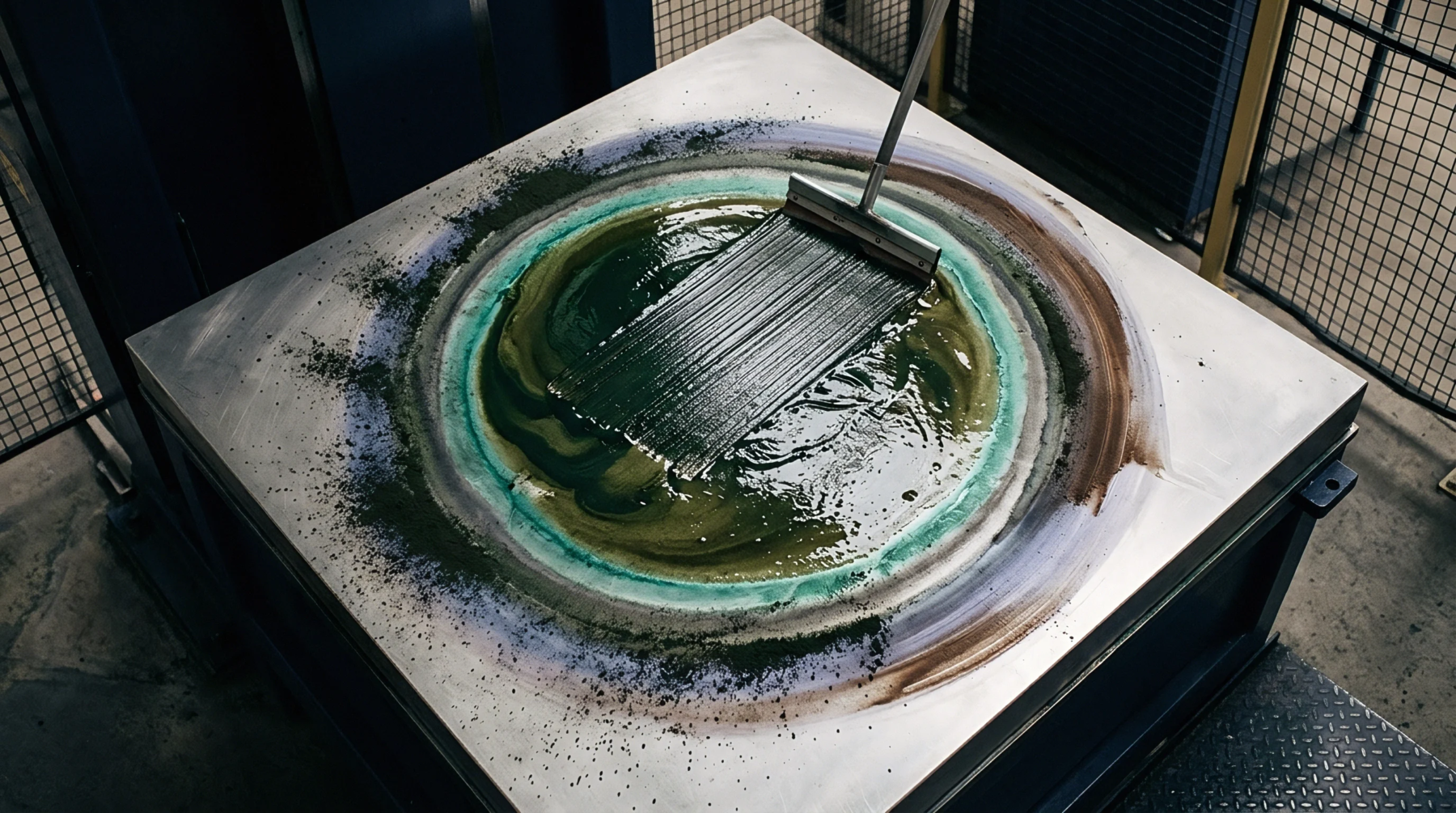
Dynamic viscosity between 3 and 14 mPa·s at high shear rates governs droplet jetting stability and prevents satellite defects in piezo textile printing.

Plasticizer gradients drive legacy phthalate migration from recycled PVC cores through wear layers, demanding barrier crosslinking and strict GC-MS batch verification.

Methanol Soxhlet extraction isolates polyamide oligomers for HPLC analysis to prevent cyclic trimer plate-out and yarn breakage in texturing.

ATR-FTIR combined with EDXRF rapidly isolates non-compliant phthalate and heavy-metal packages in recycled vinyl sheet before pyrolysis GC-MS confirmation.

Dynamic cellulosate anion generation in dense cotton wovens requires binary alkali buffers to balance capillary diffusion against core-shell shade fastness.

Precise quantification of caprolactam monomer in virgin PA6 yarn via HPLC or GC prevents process weight loss, fuming defects, and commercial invoice disputes.
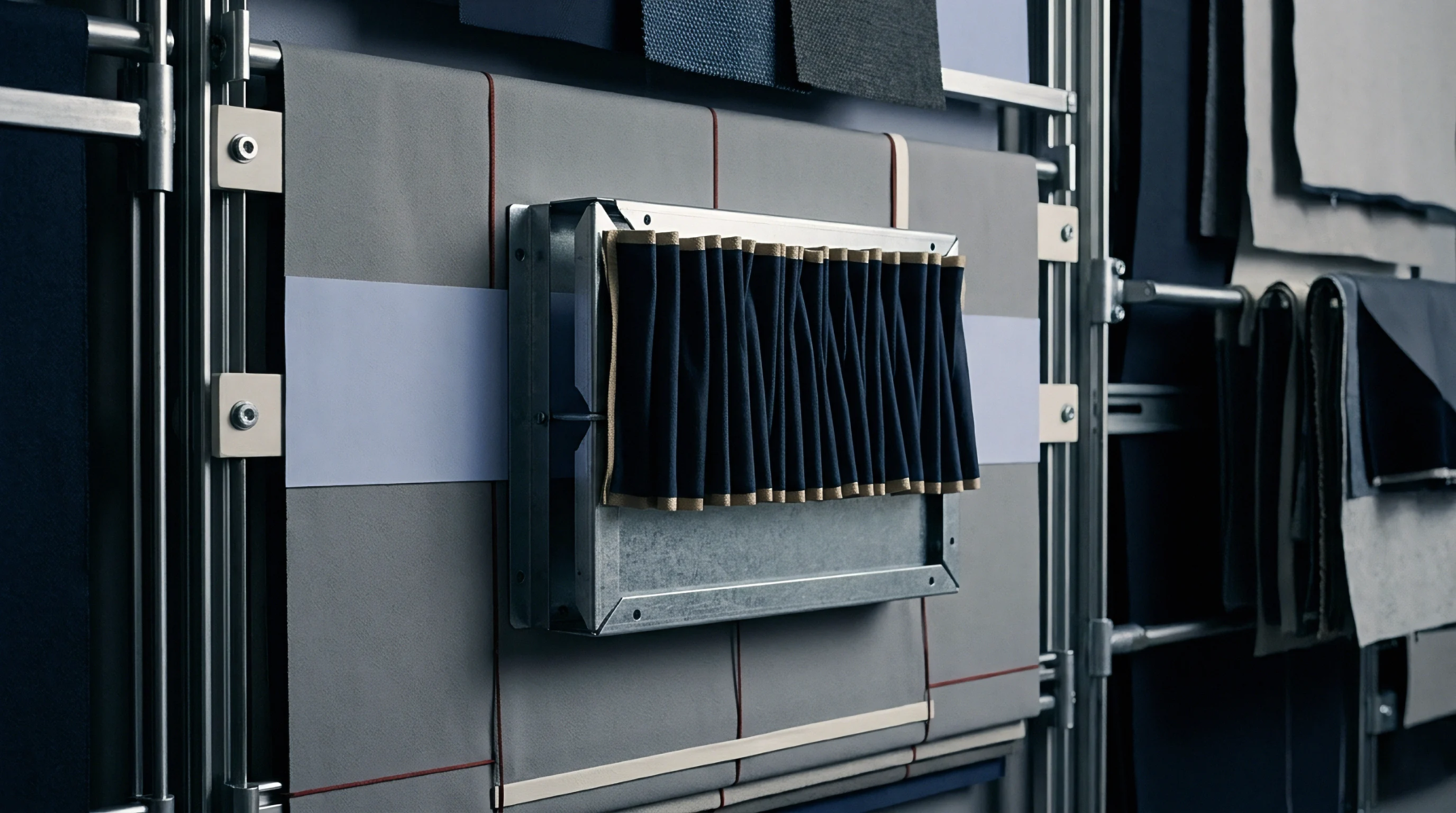
Probabilistic interfacial modeling predicts thermal migration risks, ensuring multi-layer laminates comply with REACH and OEKO-TEX chemical limits before shipment.
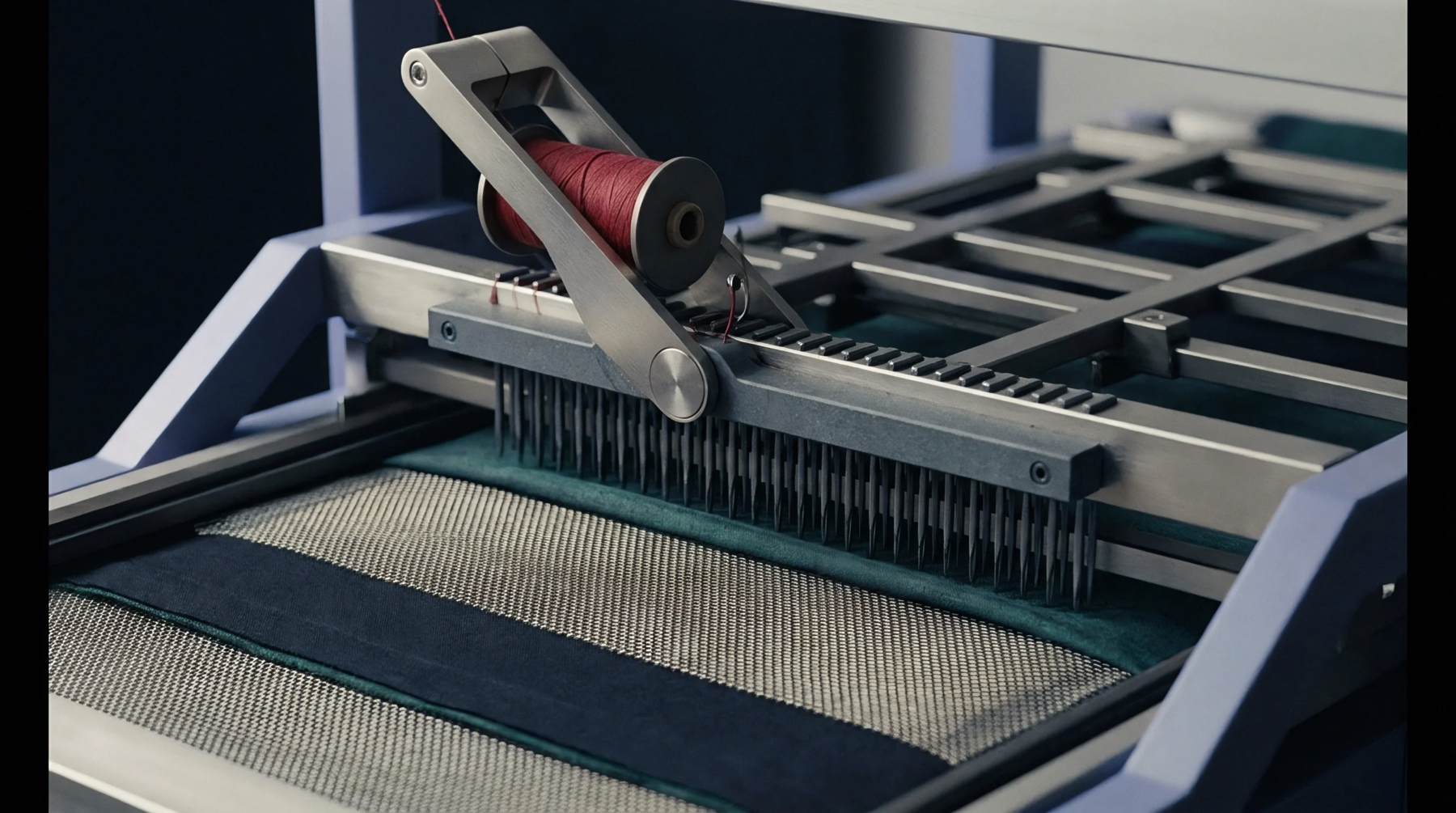
Plasticizer migration risk is controlled by matching resin solubility, enforcing barrier layers, and verifying lot compliance below 0.1 percent limits via GC-MS.

Heterobifunctional reactive dye control demands dual-stage pH management, tight nip pickup tolerances, and rapid saturated steaming to maximize fixation yield.

Thermogravimetric isothermal holds separate volatile alkoxylated finish monomers from polymer hydrolysates, preventing false solvent extraction claims.

Solvent pre-extraction isolates volatilized spin finishes from true polyether backbone degradation markers during thermal gas chromatography analysis.

Spectrophotometry measures total residual colour, but chromatographic or membrane separation is required to quantify hydrolyzed dye in high-electrolyte liquors.
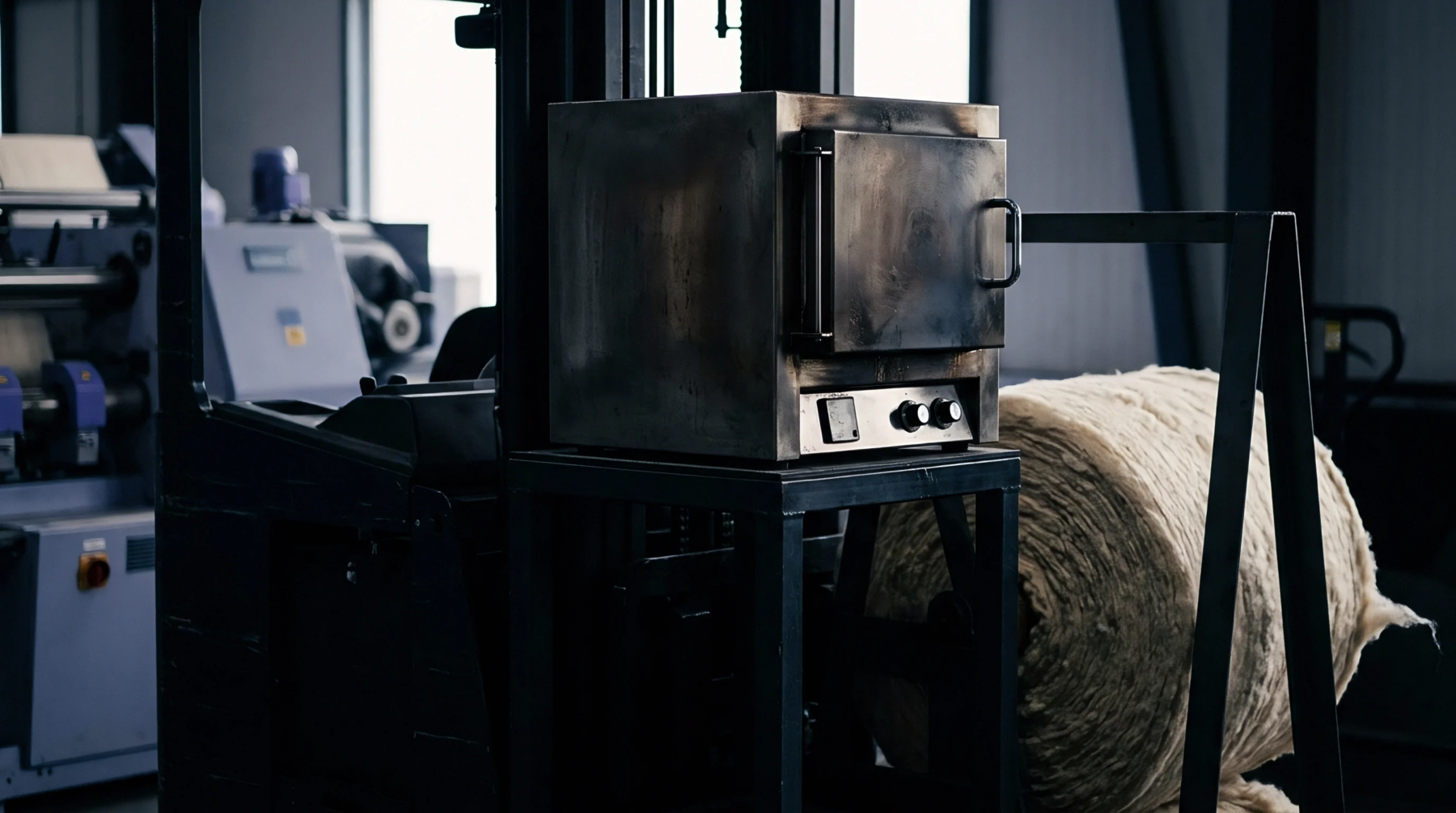
High-temperature exhaust processing of regenerated cellulosics requires limiting viscosity drop to under 15 percent to prevent catastrophic fabric strength loss.

Progressive alkali dosing balances cellulosate generation with dye diffusion, maximizing covalent fixation while preventing catastrophic cellulose chain scission.

Bayesian inversion calibrates layer-specific diffusion coefficients and partition ratios from transient permeability data to quantify barrier shelf-life uncertainty.

Analytical variance in recycled PVC membrane extraction stems from solvent selection and sample particle size; THF total dissolution eliminates matrix shielding.
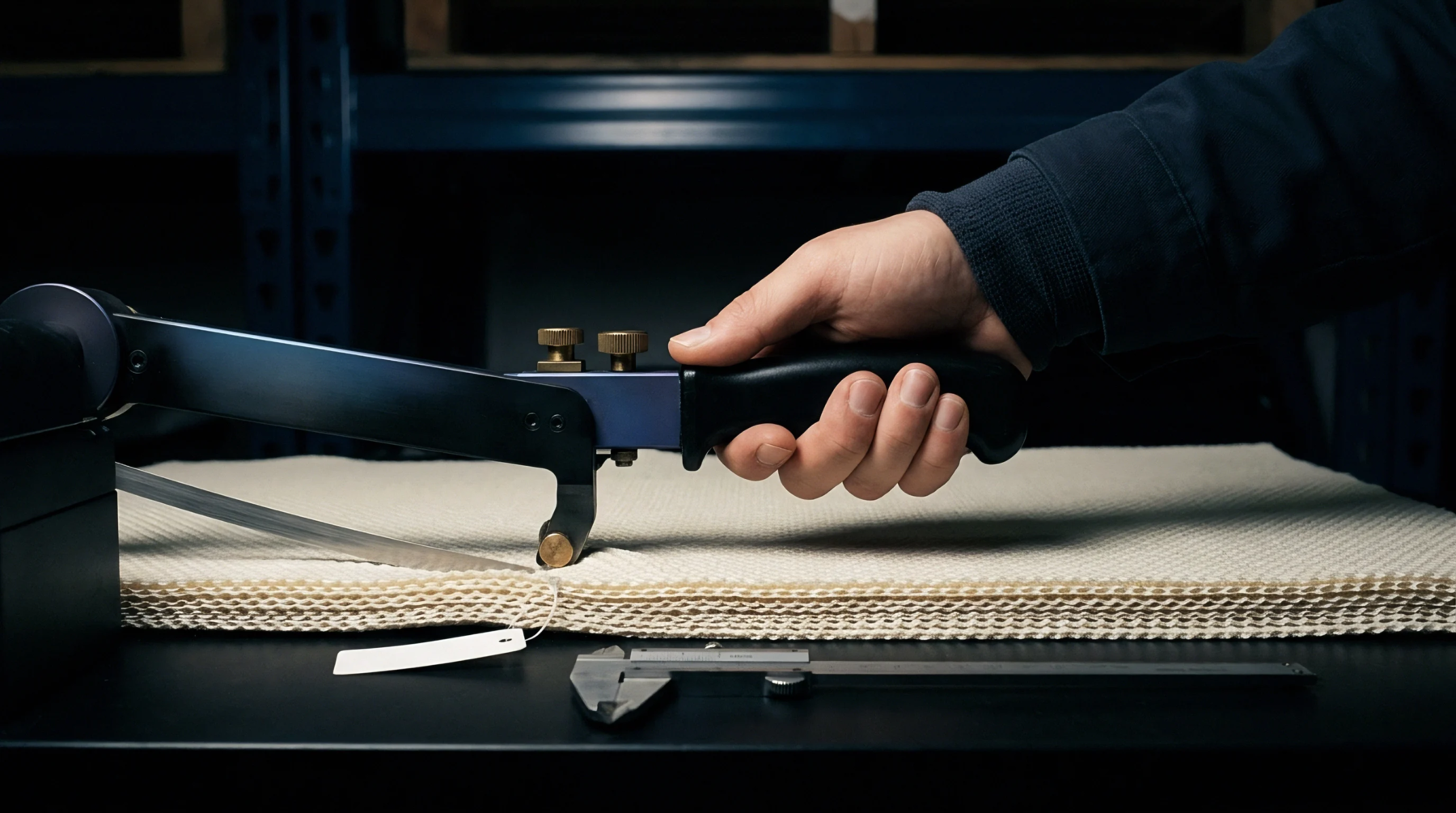
Variables sampling under ISO 3951-1 reduces required test swatches by seventy percent while verifying lot hydrostatic head compliance via standard deviation.

Calculating spectral reflectance integrals against retail diode emission profiles identifies metameric shifts before bulk dye application commits yardage.
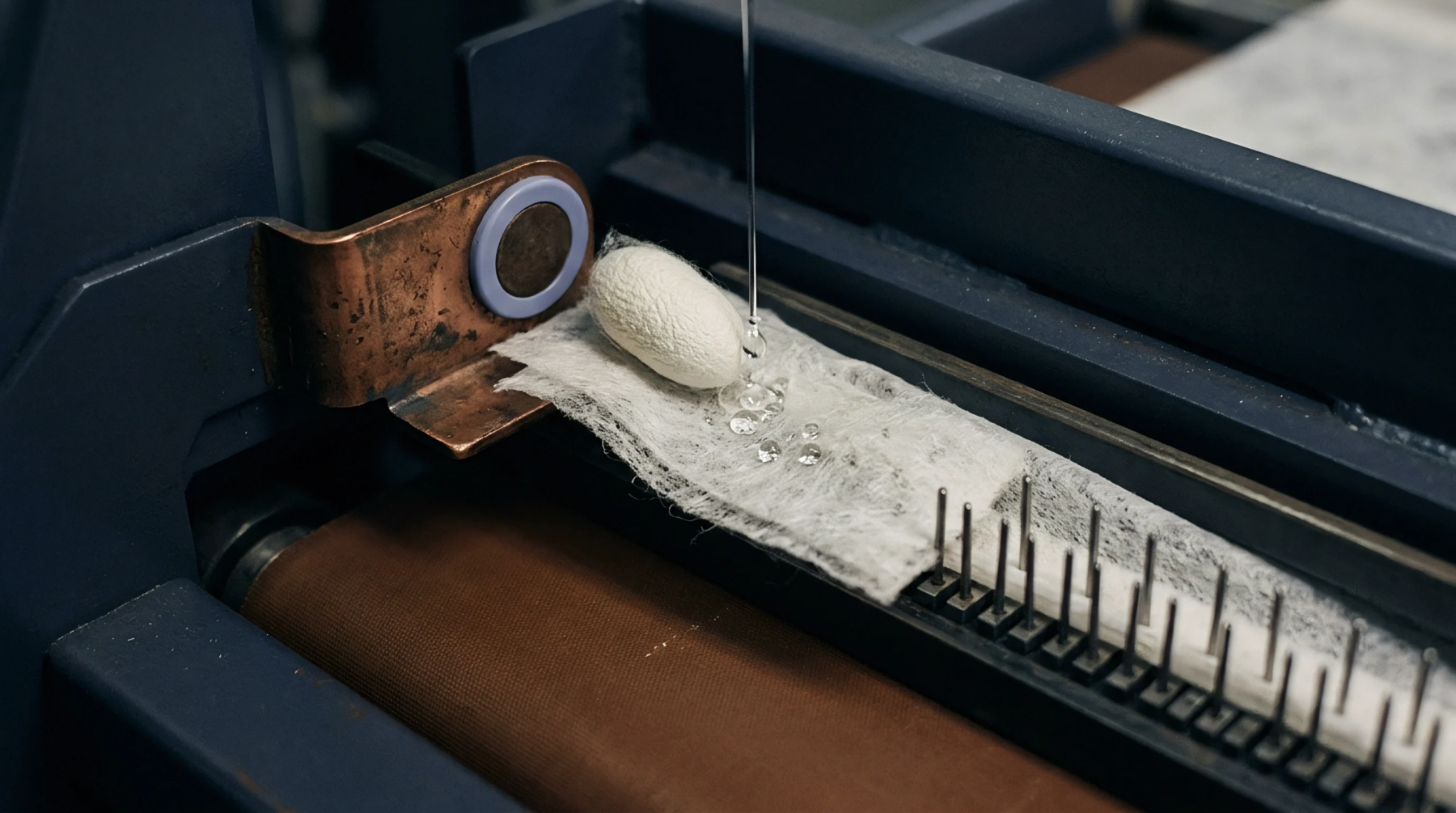
Polyether extraction bias requires gravimetric mass correction to prevent polyether matrix dissolution from corrupting quantitative blend ratios and duty lines.

Exhaust scouring requires controlled caustic dosage and chelating agents to prevent cellulosic depolymerization and preserve fabric tensile strength.

Spectroscopic baseline deconvolution isolates synthetic oligomer loss from spin finish mass, preventing multi-point blend shifts across customs duty thresholds.

Verifying woven coated fabrics demands combining ASTM D5430 visual grading with ISO 2859-1 statistical sampling and strict composite dilution limits.

Align disperse and reactive dyestuff reflectance spectra across D65 and F11 illuminants to keep metamerism index below 0.50 CIEDE200 across trim assemblies.

Reversed-phase chromatography resolves polyester cyclic trimer from higher rings, isolating the extractable fraction that causes spinning deposits and yarn dye defects.
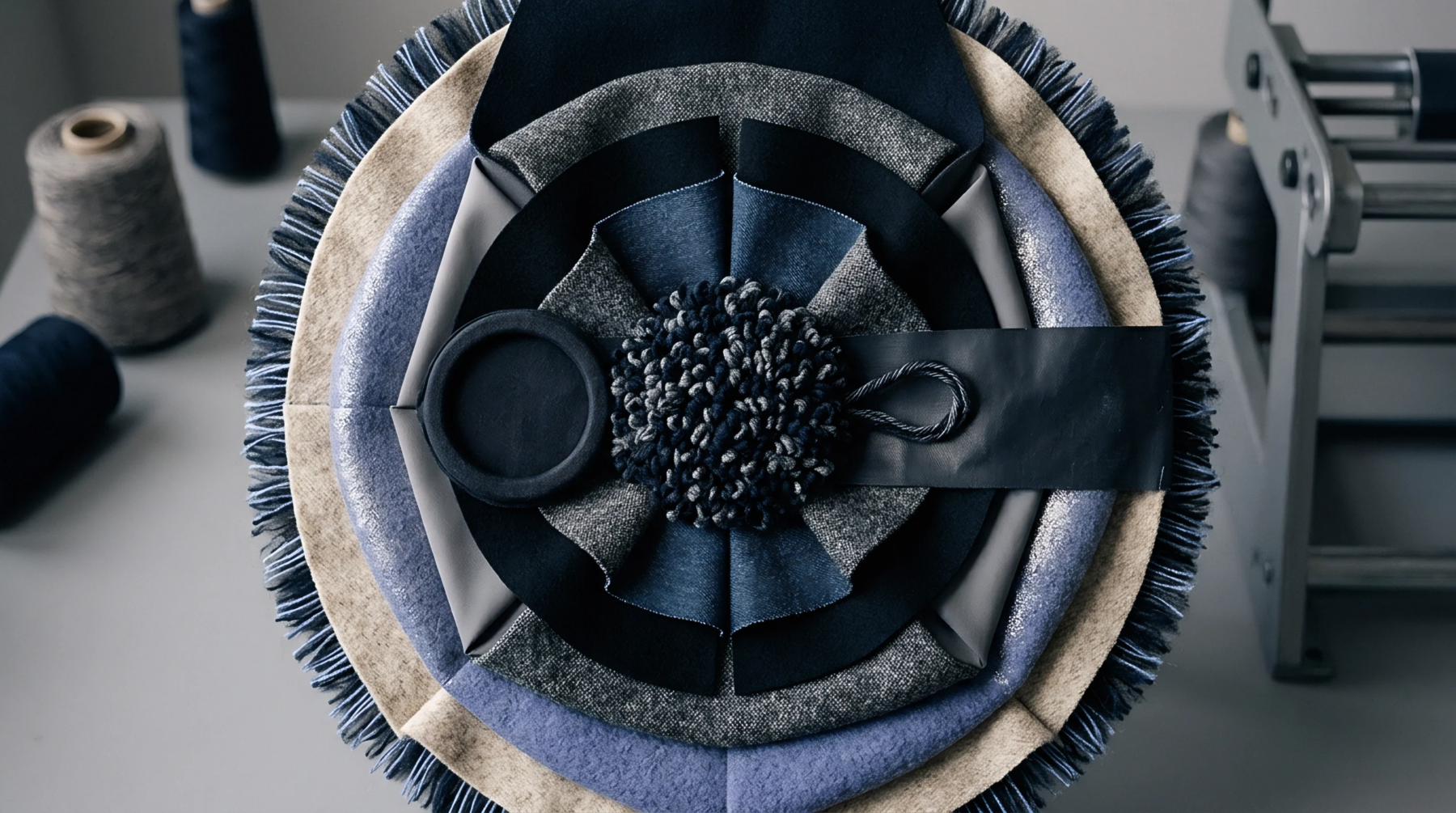
Contractual allocation clauses assign port demurrage, referee testing, and cargo destruction costs to upstream wet processors when border retests fail.

Spectrophotometric garment batch evaluation requires d/8 degree specular-included reflectance measurement and CIEDE2000 tolerance limits.

Selective solvent extraction quantifies synthetic yarn blend ratios by isolating insoluble fractions to establish clean dry mass and customs tariff classification.
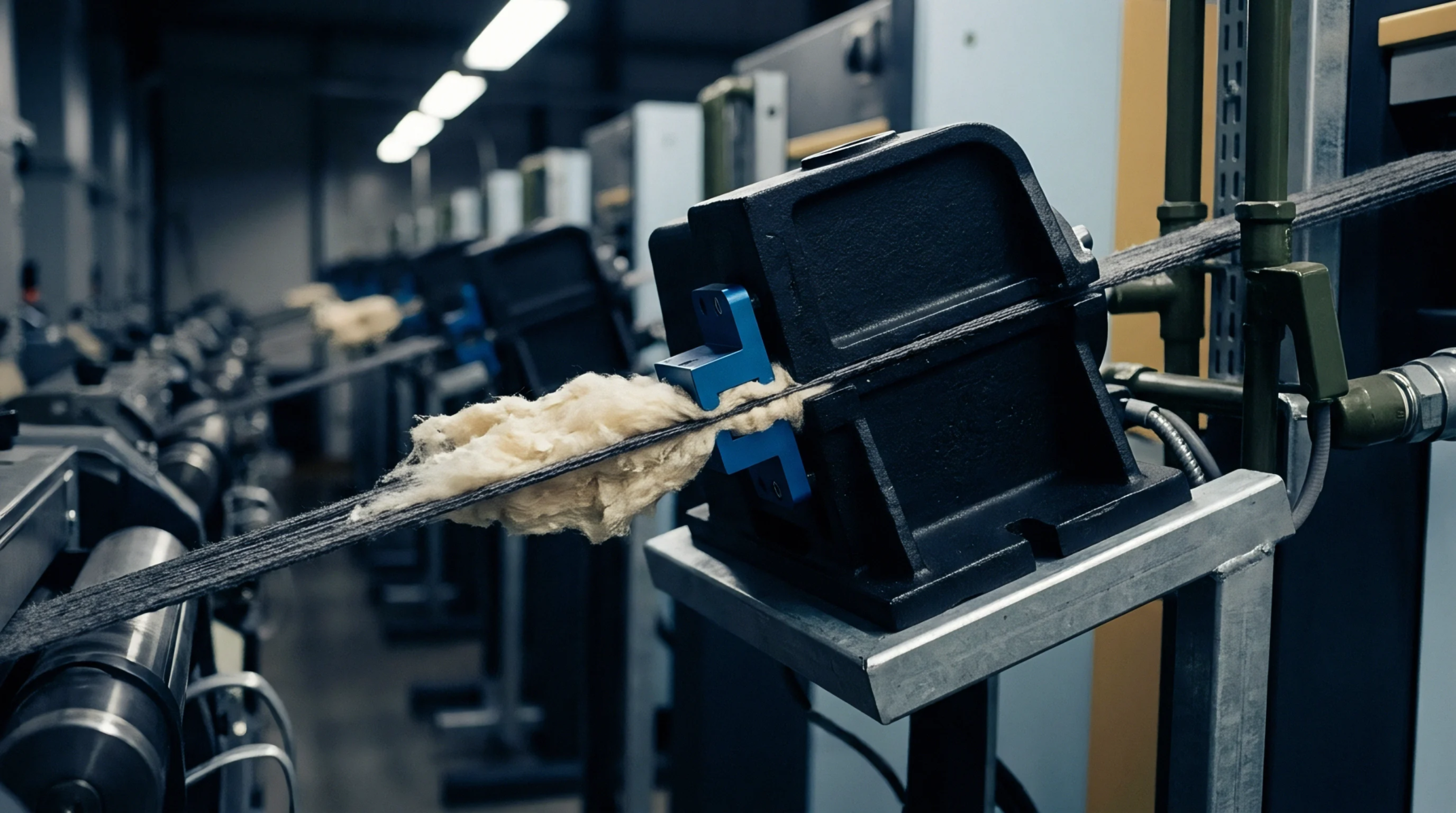
Profilometric matrix corrections decouple surface height shading from fluorescent emission to align CIE Whiteness readings across tiered mill instruments.
Expertise is a utility, not a secret. sentiention™ publishes its working knowledge as open reference: intelligence layer covering the materials it sources, the markets it enters, and the reference that serves both.