Polymer Degradation
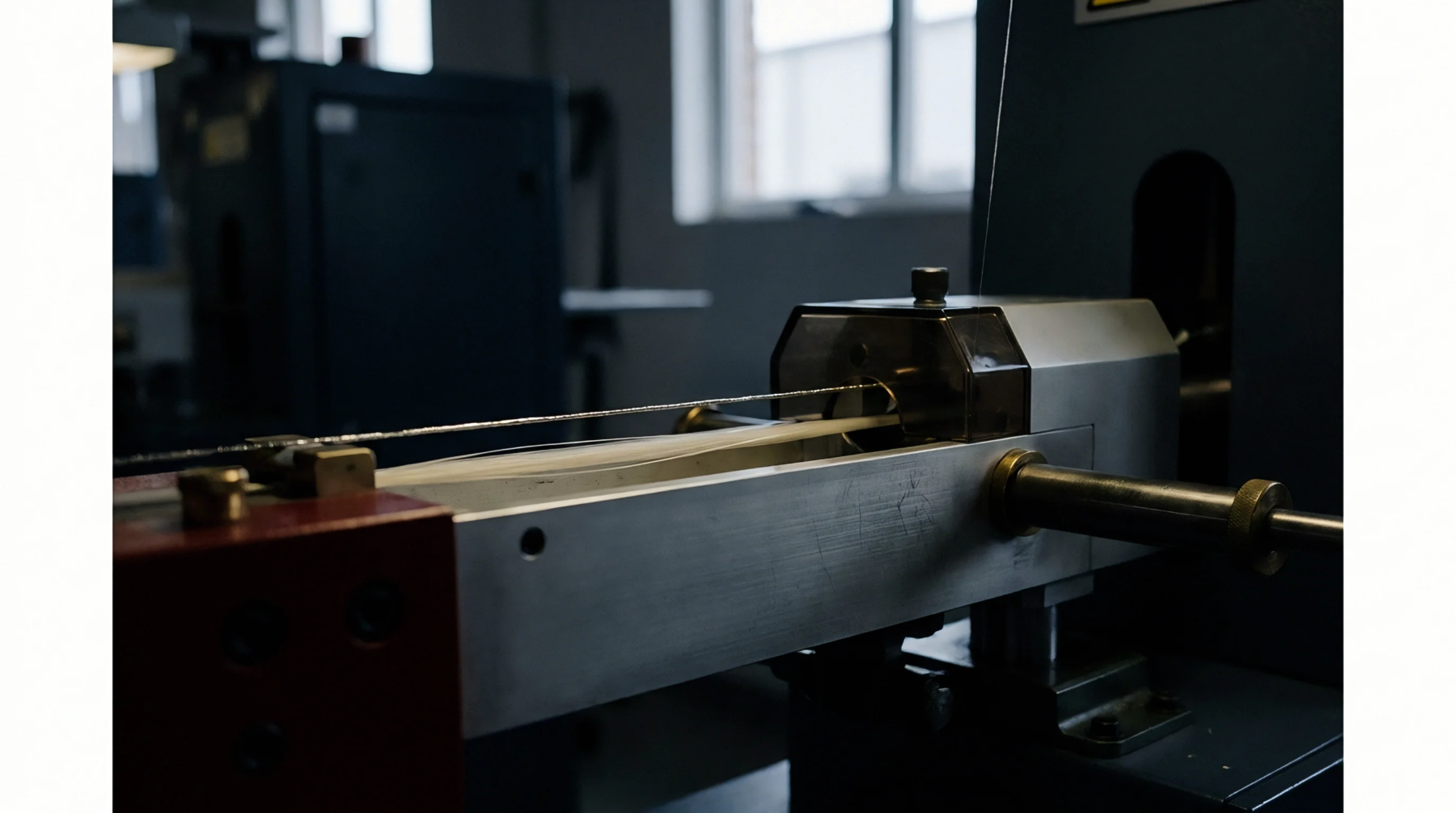
Plasticizer migration is the physical transfer of low molecular weight additives from a flexible substrate into an adjacent medium upon prolonged contact. Mill laboratories measure this phenomenon during thermal exposure testing of coated technical textiles intended for automotive interiors and protective apparel. Additives diffuse outward along concentration gradients because external solvents or contacting layers dissolve the mobile fraction at the surface.
Elevated ambient temperatures accelerate molecule motion inside the polymer matrix. Phthalate esters and alternative liquid softeners escape through microscopic voids in the molecular structure. Molecular size dictates diffusion rates.
Shorter chain length accelerates movement toward the boundary layer. Temperature fluctuations amplify vapor pressure differentials across the interface. Polyvinyl chloride films lose mechanical flexibility when additive depletion occurs inside the bulk material.
Coated fabrics destined for upholstery undergo accelerated aging chambers to quantify mass loss before shipment. Contact staining ruins adjacent white panels during warehouse storage if formulation ratios fail. Regulatory limits restrict specific additive concentrations in consumer goods.
Environmental stress cracking appears once internal lubrication departs the polymer matrix. Surface tackiness develops immediately after additive bleed reaches the outer boundary.
Diffusion Kinetics
Solvent extraction procedures simulate contact with human sweat or cleansing agents during standardized durability trials. Laboratory technicians press absorbent pads against coated fabric samples under fixed loads inside heated ovens. Weight differentials before and after exposure quantify the exact mass transferred across the boundary.
Chemical composition of the contacting surface alters extraction speeds significantly. Porous substrates absorb migrating liquids much faster than impermeable barrier films. Molecular weight distribution within the softener blend controls how quickly the fraction reaches the outer edge.
High humidity levels inside the testing chamber alter diffusion rates by swelling the polymer chains.
Additive Compatibility
Solubility parameters dictate whether a specific softening compound remains stable inside the host resin over multi-year lifespans. Formulators select additives whose polarity closely matches the base polymer to minimize outward propulsion. Excessive loading causes phase separation during high-speed calendering operations.
Liquid plasticizers migrate rapidly if polymer chains lack sufficient crosslinking density. Polymeric alternatives exhibit superior retention inside finished goods due to their bulky molecular architecture.
Thermal Excursion
Heat setting temperatures applied during fabric finishing determine initial additive distribution uniformity across the web. Subsequent heat exposure inside vulcanization tunnels reactivates dormant molecules trapped near crystalline regions. Finished rolls left in direct sunlight on loading docks experience internal temperature spikes that trigger rapid surface staining.
Cooling rates established immediately after extrusion lock additives into temporary equilibrium states. Long-term storage stability depends entirely on minimizing thermal stress during garment assembly.