Caprolactam Cyclic Monomer Quantification in Virgin Polyamide Six Yarns
Precise quantification of caprolactam monomer in virgin PA6 yarn via HPLC or GC prevents process weight loss, fuming defects, and commercial invoice disputes.
Melt
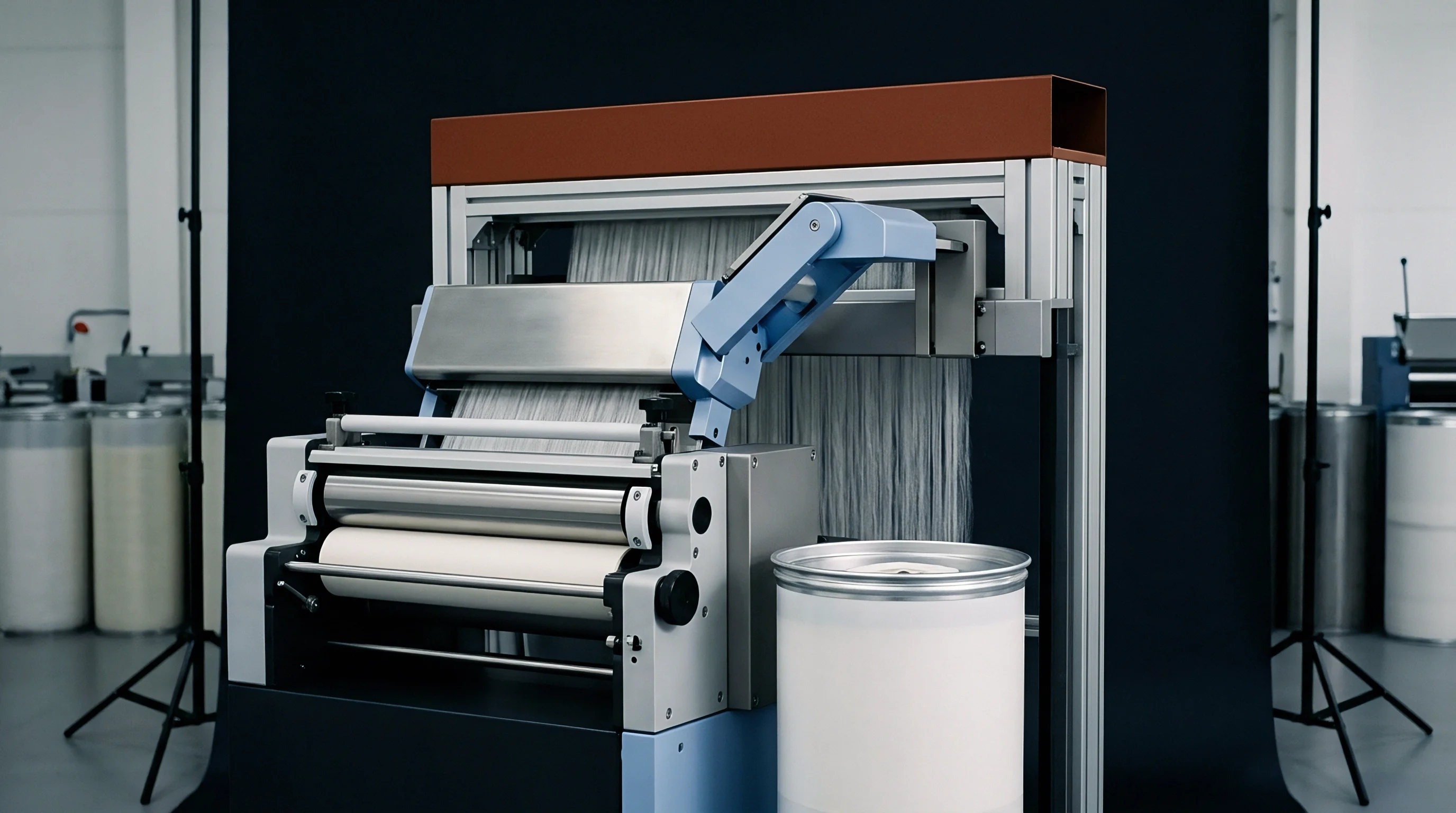
Polycaprolactam yarn extrusion begins with solid polymer chips heated past their crystalline transition point. Ring-opening polymerization of epsilon-caprolactam uses water as an initiator at temperatures between 240°C and 270°C, establishing a reversible thermodynamic balance between fully extended polymer chains, unreacted lactam monomer, and low-mass cyclic structures.
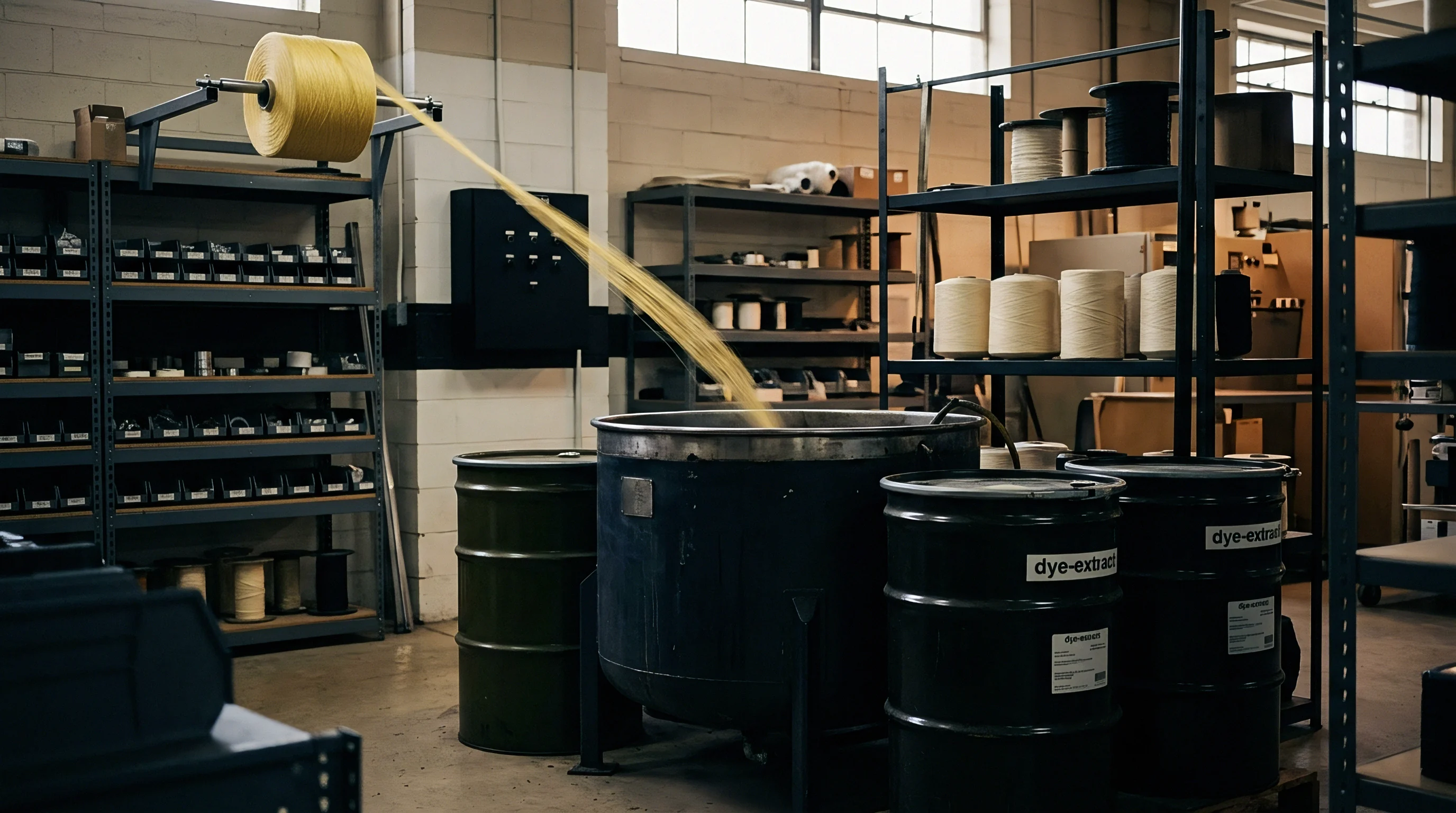
Polymer chips leaving a continuous polymerization reactor carry approximately 8% to 10% extractable low-molecular-weight material by weight. Industrial hot-water leaching columns wash raw chips to reduce total extractables below 0.5% for industrial filament or under 1.2% for general textile spinning grades before drying. Thermal processing during yarn formation alters this clean baseline.
Thermodynamic Equilibrium in Ring Opening Polymerization
At reaction equilibrium, the distribution of chemical species follows a statistical pattern governed by temperature and moisture content. Free caprolactam monomer dominates the low-molecular-weight fraction alongside cyclic oligomers spanning from dimer to hexamer. In unwashed polymer, cyclic dimers, trimers, and tetramers account for roughly 15% to 20% of total extractable mass, while the cyclic monomer represents the remaining 80% to 85%.
| Material Form | Extrusion Temperature (°C) | Free Monomer (% w/w) | Cyclic Dimer (% w/w) | Cyclic Trimer-Hexamer (% w/w) | Total Extractables (% w/w) |
|---|---|---|---|---|---|
| Virgin Leached Chip | Unprocessed | 0.12 | 0.04 | 0.09 | 0.25 |
| Extruded Filament Yarns | 265 | 0.38 | 0.06 | 0.11 | 0.55 |
| Extruded Filament Yarns | 280 | 0.62 | 0.08 | 0.14 | 0.84 |
| Extruded Filament Yarns | 295 | 0.91 | 0.11 | 0.18 | 1.20 |
While end-group polycondensation builds molecular weight and water extraction removes residual monomer, high melt temperatures drive depolymerization through thermal cleavage. Terminal amine or carboxyl groups attack the amide backbone ~ a mechanism known as back-biting ~ to regenerate cyclic structures. Higher melt temperatures accelerate this reverse reaction, increasing residual monomer concentrations in the final yarn even when starting from ultra-clean virgin chips.

Thermal Regeneration during Extrusion
Inside a heated extruder barrel, chain ends attack adjacent peptide bonds in dried virgin chips. Back-biting rates depend heavily on barrel residence time, melt temperature, moisture content, and residual catalyst concentration, which standard phosphoric or organic acid chain terminators can modify. A residence time of five minutes at 285°C elevates monomer content by several tenths of a percent above chip baseline values.
Virgin PA6 chips extruded at 285°C with 0.08% moisture experience a monomer regeneration increase of 0.35% by weight.
Polymer degradation generates free monomer while shifting the entire molecular weight distribution downward. Moisture accelerates thermal hydrolysis: extruding chips with moisture levels exceeding 0.06% triggers rapid chain scission, producing shorter chains with higher end-group density. This elevated end-group density provides more reaction sites for cyclic monomer reformation within the spinning pack.
Controlling moisture before extrusion limits both molecular weight loss and monomer regeneration.
Is thermal regeneration of caprolactam during high-speed spinning fully preventable through chain-end capping, or does thermal cleavage of mid-chain amide bonds bound the minimum achievable monomer content in virgin yarns?


Solvent
Determining residual low-molecular-weight compounds requires complete isolation from the insoluble nylon matrix. Standard analytical frameworks separate monomer testing into total water-extractable matter and specific chromatographic identification. Liquid extraction relies on solvent penetration into the solid polymer structure, dissolving target molecules without degrading the high-molecular-weight backbone.
Specimen preparation dictates quantitative accuracy, as yarn denier, orientation, and surface spin finishes influence extraction kinetics.

Soxhlet Extraction Mechanics and Solvent Choice
Boiling water reflux techniques extract caprolactam monomer and cyclic oligomers over extended timeframes. Standard test procedures such as ISO 6427 Method A specify Soxhlet extraction using distilled water for 16 hours. Water dissolves caprolactam monomer and higher cyclic oligomers through polar amide interactions.
Low solubility of cyclic dimers in cold water requires maintaining near-boiling temperatures throughout the siphon cycle to prevent premature precipitation inside the extraction thimble.
Solvent extraction water baths require continuous reflux temperature control to prevent partial crystallization of cyclic oligomers on extraction tube walls.
ISO 6427 Method B offers an alternative solvent route using methanol, which penetrates the polyamide matrix faster than water and reduces extraction duration to 3 hours under reflux. Lower solvent boiling points (64.7°C for methanol versus 100°C for water) minimize thermal degradation of the extracted sample during concentration steps. Methanol dissolves free caprolactam efficiently while leaving spin finishes and topical lubricants partially soluble, demanding secondary cleanup steps prior to instrumental analysis.
- Incomplete Matrix Penetration occurs when thick yarn bundles or high-draw monofilament samples are extracted without prior mechanical grinding, leaving encapsulated monomer trapped inside crystalline domains.
- Spin Finish Co-Extraction introduces fatty acid esters, ethoxylated oils, and antistatic agents into the solvent phase, creating baseline interference during downstream chromatographic integration.
- Thermal Monomer Degradation happens when concentrated extract solutions undergo prolonged evaporation at temperatures above 80°C under atmospheric pressure without nitrogen purging.
- Solvent Evaporation Loss skews quantitative mass calculation when volumetric flask calibrations fail to account for ambient temperature shifts in the testing laboratory.

Accelerated Solvent Extraction Parameters
Pressurized liquid extraction systems employ elevated temperatures and pressures to shorten sample preparation cycles. Operating at 100°C to 120°C under 1500 psi forces solvent into amorphous regions of the yarn within 15 to 20 minutes. Maintaining solvent below polymer melting temperature prevents core matrix dissolution while maximizing extraction yield.
Rapid extraction cycles limit solvent consumption and reduce analyst exposure to organic vapors.
Granulating yarn specimens prior to extraction normalizes surface area across different deniers. Fine textile yarns below 50 dtex extract rapidly without mechanical shredding, whereas heavy industrial cords above 1000 dtex demand cryo-milling to pass through a 1 mm sieve. Uniform particle sizes eliminate diffusion-limited extraction rate variances.
Laboratory technicians achieve consistent recovery figures by standardizing grinding protocols across incoming yarn shipments.
Thorough washing of extracted polymer residues eliminates solvent entrapment errors during gravimetric determination.

Chromatography
Instrumental separation converts gross extract mass into discrete compound figures. Gravimetric extraction yields total extractable percentages but cannot differentiate between caprolactam monomer and cyclic oligomers. High-Performance Liquid Chromatography (HPLC) and Gas Chromatography (GC) deliver compound-specific quantification necessary for technical yarn validation.
Chromatographic resolution relies on sharp band separation between caprolactam, valerolactam internal standards, and cyclic oligomers spanning dimer through hexamer.
High Performance Liquid Chromatography Parameters
Reversed-phase HPLC combined with ultraviolet detection at 210 nm serves as the primary standard method under ISO 15993. A stationary phase consisting of octadecylsilane (C18) carbon-loaded silica particles provides separation based on compound polarity with an acetonitrile and water mobile phase. Isocratic elution using 10% to 15% acetonitrile in water resolves free caprolactam within five minutes, while gradient elution extending to 60% acetonitrile elutes cyclic dimers, trimers, and tetramers in a single analytical run.
- De-gas HPLC grade water and acetonitrile through a 0.22 micron nylon membrane filter under vacuum.
- Dissolve 1.000 gram of ground virgin yarn in 20 milliliters of absolute methanol under ultrasonic agitation for 45 minutes at 40°C.
- Filter the liquid extract through a PTFE syringe filter directly into a Class A volumetric flask.
- Inject 10 microliters of filtered extract onto a C18 column maintained at 35°C with a mobile phase flow rate of 1.0 milliliter per minute.
- Calibrate the UV detector at 210 nanometers using a five-point external standard curve ranging from 5 to 500 milligrams per liter of pure caprolactam.
- Integrate the target caprolactam peak area at its specific retention time and compute mass concentration against the standard linear regression curve.
| Parameter / Condition | ISO 6427 Method A (Gravimetric Water) | ISO 15993 (HPLC-UV) | GC-FID Internal Standard |
|---|---|---|---|
| Solvent System | Deionized Water | Methanol / Acetonitrile-Water | Methanol or Dichloromethane |
| Extraction Temperature | 100°C (Reflux) | 40°C to 65°C (Solvent) | 60°C (Ultrasonic) |
| Extraction Duration | 16 Hours | 45 Minutes | 30 Minutes |
| Target Analyte | Total Water Extractables | Caprolactam + Individual Oligomers | Free Caprolactam Monomer |
| Detection Limit (LoD) | 0.05% w/w | 0.001% w/w (10 ppm) | 0.0005% w/w (5 ppm) |
| Relative Standard Deviation | ± 5.2% | ± 1.1% | ± 0.8% |
Quantifying caprolactam via HPLC-UV requires careful baseline monitoring. Caprolactam absorbs strongly near 210 nm due to its carbonyl amide structure. Spin finish components containing aromatic rings or unsaturated double bonds co-elute near the monomer retention window, generating false elevated readings.
Utilizing diode array detection (DAD) allows spectral purity confirmation, comparing the ultraviolet absorbance spectrum of the sample peak against pure reference caprolactam standards.

Gas Chromatography Flame Ionization Detection Methods
Gas chromatography delivers rapid quantification of volatile monomer species without eluting heavy cyclic oligomers. Direct injection of methanol yarn extracts onto a polar capillary column (such as polyethylene glycol or fused silica coated with wax phases) separates caprolactam cleanly from solvent peaks. Flame Ionization Detection (FID) provides high sensitivity and linear response across four orders of magnitude.
Internal standardization using e-caprolactam derivative analogs like 2-piperidone or valerolactam compensates for injection volume variations.
Column temperature programming optimizes separation efficiency: starting at an initial oven temperature of 100°C held for one minute, the temperature ramps at 15°C per minute up to 240°C to elute caprolactam sharply. Injector port temperatures must be restricted to 230°C, as excessive heat degrades dissolved oligomers inside the liner, generating artificial caprolactam peaks that overstate free monomer content.
While HPLC separates individual oligomers, gas chromatography provides fast monomer quantification, and methanol remains the preferred solvent for dissolving free caprolactam.
Selecting an unvalidated extraction solvent or operating GC injectors above thermal cleavage limits generates false high monomer values, triggering unnecessary commercial lot rejections and lab re-test claims.


Breakage
Residual caprolactam monomer degrades processing efficiency and finished yarn physical properties. Caprolactam molecules act as low-molecular-weight plasticizers within amorphous domains of PA6, disrupting inter-chain hydrogen bonding, increasing segment mobility, and altering thermal performance. Quantifying monomer concentration provides direct insight into expected yarn performance during downstream drawing, texturing, and wet processing operations.

Glass Transition Shift and Yarn Plasticization
Free monomer depresses the glass transition temperature (Tg) of virgin PA6 yarn. Pure dry nylon six exhibits a Tg near 47°C, but a residual monomer content of 1.0% by weight depresses this thermal transition to 35°C under dry conditions. Lower glass transition temperatures increase yarn elongation at break while reducing initial tensile modulus.
Yarn packages stored in warm environments suffer from package deformation and differential shrinkage when monomer content fluctuates across production lots.
High monomer levels alter drawing behavior on high-speed spin-drawing lines and increase draw breaks. Un-extracted monomer causes drawn filaments to yield prematurely at lower stress levels, shifting the optimal draw ratio required to achieve target tenacity. Filaments experiencing uneven monomer distribution exhibit localized necking defects, yielding irregular linear density (denier variation) along the yarn length.

Fuming Deposits on Godet Rolls
Volatilization of residual monomer occurs when yarn contacts heated processing surfaces. Heat-setting zones, draw rolls, and texturing heaters operating between 160°C and 220°C cause caprolactam to vaporize rapidly out of the polymer matrix. Vaporized monomer condenses on cooler machine surfaces, forming white crystalline crusts on godet rolls, thread guides, and tenter frame exhausts.
These deposits foul spinneret holes and increase surface friction on godet rolls, scoring filament surfaces and inducing micro-flaws that coalesce into breaks during high-speed warping or circular knitting. Cleaning deposit buildup requires machine downtime, reducing overall plant operational efficiency.
What Causes Unlevel Dyeing in High Monomer Yarns?
Uneven monomer distribution creates localized variations in dye site accessibility. Acid dyes bind to terminal amine groups within the amorphous phase of PA6. Higher monomer concentration increases local amorphous fraction mobility, accelerating dye diffusion rates relative to regions with lower monomer content.
When monomer concentrations vary across a yarn lot, acid dye uptake becomes uneven, producing barre stripes and shade variation in finished woven or knitted fabrics.
ISO 15993 test compliance requires yarn extraction within four hours of spinning to prevent ambient moisture equilibrium from skewing monomer recovery values.
Unwashed yarn loses weight in dye baths. Monomer leaches out into aqueous dye liquors at elevated temperatures, changing yarn linear density mid-process. A 100 dtex yarn carrying 1.2% extractable monomer drops to 98.8 dtex after scouring and dyeing, shifting fabric basis weight outside specified commercial tolerances.
High monomer content represents normal thermal re-equilibration inherent to high-speed spinning equipment that cannot be modified.

Margin
Quantifying caprolactam monomer directly dictates the financial yield of virgin PA6 yarn contracts. Yarn purchase agreements define commercial mass based on scoured, dry weight adjusted by standard moisture regain factors. Un-extracted monomer lost during wet processing represents net mass loss paid for by the buyer but absent in the final converted fabric.
Precise laboratory testing establishes the basis for commercial price adjustments and weight claim settlements.

Commercial Mass Adjustments and Regain Calculations
Calculating commercial mass requires applying standard conventions defined under ISO 6741. Commercial mass combines dry yarn mass with official moisture regain allowances (typically 5.75% for virgin polyamide 6) and commercial allowance for processing oils. Residual monomer behaves as extractable dry mass.
If a yarn delivery contains 1.5% water-extractable monomer, scouring removes this mass entirely, leaving the buyer with less usable fiber than invoiced.
A buyer purchasing 50,000 kilograms of virgin PA6 filament yarn at 3.20 USD per kilogram pays 160,000 USD. If verified caprolactam monomer content measures 1.20% against a contract spec limit of 0.50%, the excess monomer accounts for 350 kilograms of non-fibrous, soluble weight. Direct financial loss equals 1,120 USD in missing material, excluding additional costs incurred from dye-bath contamination and machine downtime.

Yield Discrepancies on Scoured Fabric Deliveries
Fabric yield calculations rely on stable linear density from yarn through finished cloth. High monomer yarns experience linear density reduction during boiling water scouring and dyeing processes. The loss of extractable monomer reduces yarn tex, altering fabric weight per square meter (g/m2).
Mill managers calculating yarn consumption requirements must factor in extractable monomer loss to prevent fabric under-weight rejections at garment inspection tables.
| Financial & Technical Variable | Contract Spec Baseline | Measured Delivery Condition | Variance / Exposure |
|---|---|---|---|
| Invoiced Gross Weight | 50,000 kg | 50,000 kg | 0 kg |
| Verified Caprolactam Monomer (% w/w) | 0.40% | 1.15% | + 0.75% Excess Monomer |
| Net Extractable Monomer Weight | 200 kg | 575 kg | + 375 kg Non-Fiber Weight |
| Contract Base Unit Price | 3.40 USD / kg | 3.40 USD / kg | 0.00 USD / kg |
| Direct Material Cost Loss | 680 USD | 1,955 USD | 1,275 USD Net Overpayment |
| Dye House Yield Loss (Scour Loss) | 0.40% Mass Loss | 1.15% Mass Loss | 375 kg Fabric Weight Deficit |
| Estimated Re-Dyeing / Defect Scrap Exposure | 0 USD | 2,800 USD | 2,800 USD Downstream Risk |
- Specify Maximum Monomer Limits in raw yarn purchase contracts, fixing strict caps for free caprolactam monomer (e.g. maximum 0.50% by weight via ISO 15993) separate from total water extractables.
- Mandate Pre-Shipment HPLC Testing from accredited third-party laboratories for every spinning lot exceeding 10 tonnes before authorizing shipment release.
- Incorporate Net Scoured Mass Billing Clauses that automatically deduct measured solvent extractable content exceeding target thresholds from final invoice weight totals.
- Establish Temperature-Capped Storage Protocols for transit and warehousing to prevent post-spinning thermal regeneration and moisture equilibrium shifts.
Purchasers may reject yarn shipments or apply mandatory price deductions when verified free caprolactam monomer content exceeds contract limits by more than 0.15% by weight as determined by ISO 15993 testing.
Dossier
Verification dossiers protect buyers against mislabeled yarn grades and unverified monomer claims. A complete technical dossier links raw chip certificates with post-spinning analytical test reports. Technical managers compile analytical verification evidence into formal quality records that validate compliance with international eco-label standards, toxicological bounds, and high-performance processing specifications.

Acceptance Limits in Technical Yarn Procurement
Technical yarn applications enforce stricter monomer caps than commodity apparel. Tire cord, automotive airbag yarns, and fine denier monofilaments demand residual monomer levels below 0.30% by weight. Monomer concentrations above 0.30% compromise rubber adhesion in tire casings and create volatility risks during automotive airbag high-temperature deployment tests.
Standardizing testing protocols across procurement contracts ensures yarn quality matches end-use mechanical demands.
Laboratory reports must explicitly declare the analytical method used to generate monomer values. Gravimetric Soxhlet results must not be substituted for chromatographic monomer figures. Declarations carrying vague “water extractable” values mask high free monomer concentrations beneath overall oligomer mass totals.

Standard Reference Test Dossier Requirements
A comprehensive test dossier includes verified chain-of-custody documentation alongside instrument outputs. Laboratory testing documentation must record sample preparation dates, extraction solvent purity grades, HPLC column serial numbers, and calibration curve linearity coefficients (R2 ge 0.999). Attaching raw chromatographic charts displaying clear separation between solvent, caprolactam, and internal standard peaks confirms testing validity.
Excess residual monomer acts as an unacknowledged lubricant during spinning that turns into airborne resin when meeting the heat of the draw zone.
Compiling historical monomer data across multiple yarn shipments establishes mill performance baselines. Statistical process control tracks monomer regeneration trends across different extrusion lines and supplier polymer chip batches. Technical teams identify degraded screw heaters, worn barrel zones, or improper drying operations by monitoring monomer spikes across incoming yarn shipments.
Audit verification depends on disciplined record retention. Test dossiers stored alongside physical yarn retain samples enable rapid dispute resolution when downstream weaving or dyeing mills report batch processing failures. Rigorous laboratory qualification transforms caprolactam monomer measurement from a passive lab exercise into an active quality assurance tool for cross-border fiber procurement.