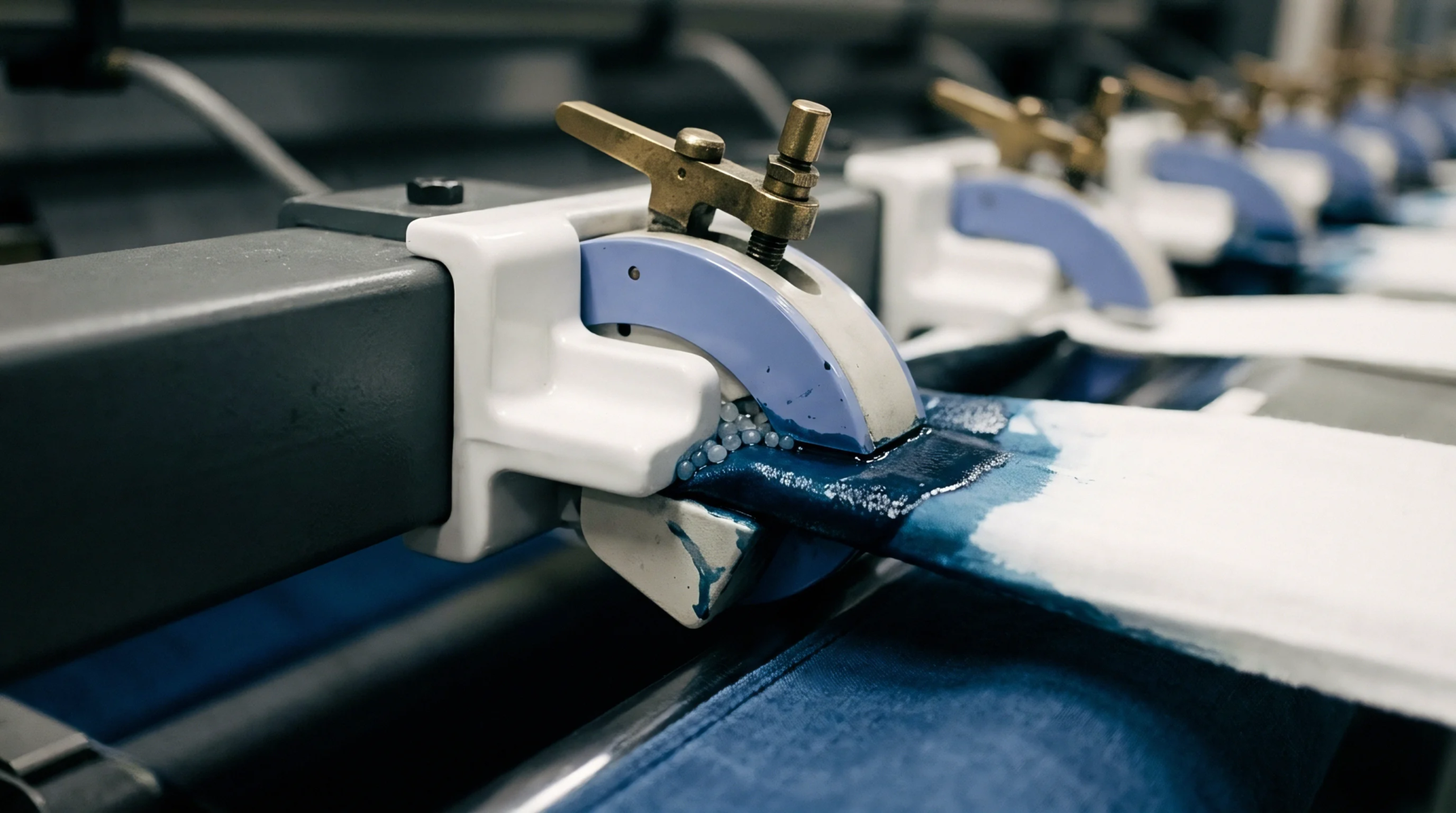
Coloration Defect
Shade variation across the surface of a fabric occurs when dye is deposited unevenly during the coloration process. This unlevel dyeing is one of the most common reasons for the rejection of finished textile goods. Quality control inspectors run spectrophotometric scans across the width of the fabric to identify these color shifts, which can make the fabric unusable for garment manufacturing.
Root Cause
Uneven heat distribution, rapid chemical addition, incorrect pH and poor liquor circulation are typical triggers for this defect. When unlevel dyeing occurs, it is often due to the dye migrating too quickly before the fabric is properly saturated. Dyehouse operators must carefully regulate the temperature and chemical dosing to prevent it.
Corrective Action
Stripping the dye with chemical reducing agents and re-dyeing the fabric is the standard remediation method. However, this process weakens the fibres, consumes extra water, extends cycle time and increases production costs. Mills prefer to avoid this by using levelling agents from the beginning of the cycle.
Inspection Procedure
Visual grading under standard lighting conditions provides the first line of detection in the finishing mill. Technicians compare samples from different parts of the roll to ensure that the color is uniform from edge to edge. This inspection happens before the roll is packed for shipment.