Thermodynamic Crystallization Control in Vortex Spun Polyurethane Yarns
Controlling quenching thermal gradients during vortex spinning prevents premature hard-segment crystallization and secures stable polyurethane core elasticity.
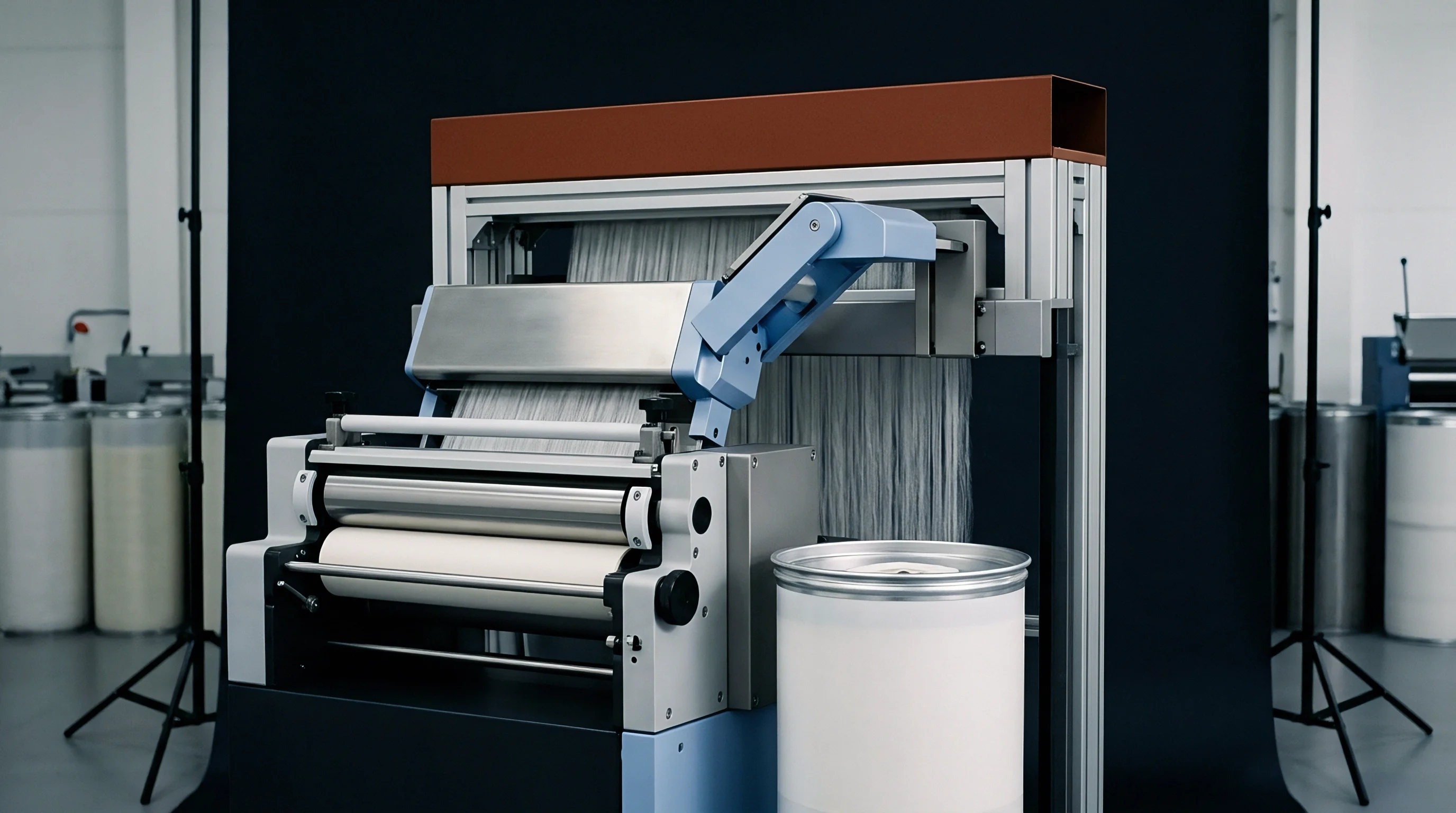
Nucleation
Polyurethane block copolymers rely on microphase separation between soft polyol chains and hard diisocyanate sequences to generate structural elasticity. During yarn spinning, the polymer exits the melt state and enters a thermal window where hard-segment domains aggregate into paracrystalline regions. These regions serve as physical crosslinks within the continuous matrix.
The thermodynamic driving force for phase separation stems from the chemical incompatibility between the non-polar soft blocks and the polar, highly hydrogen-bonded hard blocks. When cooling occurs too rapidly, hard-segment chains freeze into an amorphous distribution. This improper phase distribution prevents the formation of well-defined crystalline domains, lowering the elastic recovery of the extruded filament.
Conversely, excessively slow cooling allows soft segments to crystallize, creating rigid domains that reduce maximum elongation and cause permanent deformation under tension.
The rate of crystallization depends directly on temperature, molecular weight distribution, and hard-segment mass fraction. Differential scanning calorimetry shows distinct thermal transitions for both phases. The soft-segment glass transition temperature sits well below ambient conditions, typically between minus 40 degrees Celsius and minus 60 degrees Celsius.
Soft-segment melting occurs near ambient temperature depending on the polyol block length. Polyether polyols such as polytetramethylene ether glycol maintain lower crystallization tendencies than polyester polyols, making polyether-based formulations preferred for high-frequency elastic recovery. Hard-segment glass transition occurs between 50 degrees Celsius and 80 degrees Celsius, with hard-segment melting spanning 180 degrees Celsius to 220 degrees Celsius.
Precision cooling inside the spinning zone isolates soft-segment mobility while driving hard-segment phase separation.
Polyurethane Phase Architecture and Domain Kinetics
The physical performance of elastomeric fibers relies on the incompatibility between flexible polyether or polyester chains and rigid diisocyanate blocks. Hard segments, composed of 4,4′-methylene diphenyl diisocyanate and short-chain diol extenders like 1,4-butanediol, stack into ordered lamellae through inter-chain hydrogen bonding. Polyol chains form the flexible matrix that uncoils under mechanical strain.
Polymer structure dictates elastic response. The degree of phase separation governs the elasticity modulus, tensile strength, and thermal resilience of the core yarn. Higher hard-segment ratios raise the modulus and thermal deformation threshold, though excessive hard-segment concentration causes phase inversion where the elastomeric core loses its compliance.
Crystallization kinetics follow the Avrami equation, where the rate constant incorporates both nucleation speed and crystal growth geometry. In static melt processing, homogeneous nucleation dominates at high supercooling levels, producing small, dispersed hard-segment crystallites. In vortex spinning, strong temperature gradients inside the spinning chamber accelerate heterogeneous nucleation along oriented polymer chains.
Controlling the temperature of the cooling air stream allows spin-line operators to dictate whether hard segments form small, tightly packed crystallites or large, irregular spherulites. Small, tightly packed crystallites yield optimal elastic recovery by concentrating physical crosslinks across uniform spatial intervals.
| Hard Segment Mass Fraction (%) | Quench Rate (°C/s) | Hard Segment Tg (°C) | Hard Segment Tm (°C) | Soft Segment Crystallization Enthalpy (J/g) | Elastic Recovery at 100% Strain (%) |
|---|---|---|---|---|---|
| 25 | 150 | 52 | 185 | 4.2 | 96.5 |
| 25 | 450 | 48 | 178 | 1.8 | 91.2 |
| 35 | 150 | 64 | 202 | 8.6 | 94.8 |
| 35 | 450 | 59 | 194 | 3.1 | 88.4 |
| 45 | 150 | 76 | 218 | 14.5 | 91.0 |
| 45 | 450 | 71 | 210 | 6.4 | 83.7 |
Stress Induced Soft Segment Alignment
Stretching elastomeric filaments during high-speed processing forces flexible polyol chains out of their random coil state. High mechanical draft ratios pull the soft segments into parallel alignments, inducing stress-induced crystallization. This strain-induced phase change temporarily stiffens the core strand during the wrapping process.
Stress-induced crystallization raises the effective melting point of the soft polyol phase, shifting crystallization onset to higher temperatures while under tension. Hydrogen bonds form physical crosslinks.
Soft-segment crystallization enthalpy below 18 Joules per gram reduces elastic recovery under ISO 2062 testing by 14 percent.
When tension drops after core wrapping, the soft segments attempt to revert to their entropically favored coiled conformation. If the hard segments have not fully crystallized into stable physical crosslinks prior to tension release, the polymer chains slip past one another. Slippage converts elastic energy into permanent set, permanently damaging the recovery power of the core yarn.
Inadequate crystallization kinetics during soft-segment orientation cause core slippage inside the finished yarn structure, leading to uneven stretch performance and fabric barre defects post-finishing.
Vortex
Pneumatic spinning systems pull staple fibers into a swirling air field around a continuous elastomeric center strand. High-velocity air currents generated inside the spinning nozzle create a spiral flow pattern that wraps loose fiber tails around the core elastomer. The air flow generates intense frictional shear and thermal exchange along the yarn path.
Compressed air expands rapidly upon exiting the nozzle orifices, causing adiabatic cooling within the primary spinning zone. This sudden drop in ambient air temperature cools the elastomeric core strand during core insertion, altering its thermal profile right at the moment of core encapsulation.
The aerodynamic drag inside the vortex chamber exerts axial strain on the polyurethane core strand alongside the mechanical draft applied by input rollers. Air pressure drives fiber swirl. Varying nozzle pressure between 0.35 Megapascals and 0.55 Megapascals changes both the rotational torque on the sheath fibers and the heat dissipation rate from the core filament surface.
High nozzle pressures speed up heat loss, freezing hard-segment domain formation before the core reaches the false-twist zone. This thermal imbalance creates structural variance along the core strand, affecting sheath adherence and yarn density.
Pneumatic Nozzle Aerodynamics and Thermal Drift
Compressed air entering the spinning jet expands rapidly through tangential injectors to create high-velocity air currents. The expansion creates a localized pressure drop and a temperature decline of up to 12 degrees Celsius inside the nozzle core. This cooling effect changes the viscoelastic state of the polyurethane core as it passes through the twisting chamber.
Core tension prevents staple slippage. The surface layer of the polyurethane filament experiences rapid cooling while the core interior remains warm, creating a thermal gradient across the core cross-section.
This temperature differential alters the friction coefficient of the polyurethane surface. A colder surface increases sticky frictional drag against the wrapping staple fibers, while a warmer surface allows the staple fibers to slide along the core axis. Proper thermal management of the inlet air maintains surface temperature stability, preventing irregular staple fiber distribution.
Heat exchangers installed on the primary air compressed lines stabilize the air supply temperature to within plus or minus 0.5 degrees Celsius of target operational settings.
- Core Thermal Shock occurs when cold compressed air causes surface hardening of the polyurethane core before sheath fibers bind, preventing sheath anchoring and causing core-sheath slippage.
- Asymmetric Domain Freezing stems from uneven air velocity profiles across the nozzle jet, inducing directional variance in core elasticity.
- Mechanical Shear Degradation arises when excess jet velocity forces the elastic core against nozzle walls, causing surface abrasion and physical micro-voiding.
- Staple Migratory Voiding happens when rapid core cooling alters core friction, causing wrapping fibers to bunch up into slubs instead of forming a uniform sheath.

Staple Fiber Wrapping Defect Mechanisms
Improper balance between draft ratios and air pressure causes structural instability along the continuous core. When the elastomeric core surface cools below its soft-segment glass transition temperature during pneumatic twisting, wrapper fibers cannot press into the polymer matrix. The sheath fibers form a loose tube around the core rather than a integrated composite structure.
Subsequent mechanical stress during winding or weaving strips the cotton or synthetic sheath away from the core strand.
Adjusting the nozzle geometry and air pressure profile counteracts heat loss within the spinning zone. Heated air injection systems maintain the core temperature above 35 degrees Celsius, preserving soft-segment mobility during false twisting. This thermal setting permits wrapper fibers to embed securely into the polyurethane surface without causing thermal degradation to the core material.
Maintaining positive thermal control inside the pneumatic chamber eliminates sheath stripping failures across high-speed knitting lines.
Suppliers often attribute core exposure and uneven yarn linear density to mechanical vibration in the drafting cradle rather than heat transfer variations within the pneumatic twisting nozzle.

Melt
Thermal extrusion of thermoplastic polyurethane demands precise viscosity management inside the barrel to prevent random chain scission. Polymer melts exit the extrusion die at temperatures ranging from 190 degrees Celsius to 230 degrees Celsius, depending on hard-segment mass fraction and molecular weight. Extrusion temperatures alter polymer flow.
The melt flow index must remain stable across bulk production batches to guarantee uniform core strand diameters. Fluctuations in melt temperature alter the viscosity profile, causing core diameter variance that directly impacts draft consistency during subsequent vortex yarn spinning operations.
Extruded filaments pass directly from the die into a liquid quench bath or a forced-air cooling tower to initiate phase separation. Quench bath temperatures maintained between 15 degrees Celsius and 30 degrees Celsius extract thermal energy from the core strand at rates exceeding 300 degrees Celsius per second. Rapid cooling freezes amorphous domains.
This rapid heat extraction traps the polyurethane matrix in a non-equilibrium state, requiring subsequent thermal storage aging on bobbins to reach baseline domain equilibrium before yarn processing begins.
Extrusion Thermal Profiles and Domain Stability
Polymer processing temperatures dictate the degree of hydrogen bond disassociation within rigid polyurethane blocks. At melt conditions above 200 degrees Celsius, inter-chain hydrogen bonds break completely, allowing polymer molecules to flow freely. As the melt cools through the crystallization window, hydrogen bonds reform between urethane linkages.
If the melt temperature profile fluctuates, incomplete disassociation leaves residual crystalline clusters that act as stress concentration points during filament drawing.
| Polyurethane Hardness Grade (Shore A) | Extrusate Temperature Range (°C) | Melt Viscosity at 200°C (Pa·s) | Quench Bath Water Temperature (°C) | Post-Spinning Conditioning Duration (Hours) | Baseline Core Tenacity (cN/dtex) |
|---|---|---|---|---|---|
| 70A | 185 – 195 | 420 | 18 | 48 | 0.85 |
| 80A | 195 – 205 | 580 | 22 | 48 | 1.12 |
| 85A | 200 – 210 | 650 | 25 | 72 | 1.35 |
| 90A | 210 – 220 | 820 | 28 | 72 | 1.58 |

Quench Bath Cooling Mechanics
Rapid cooling of the extruded strand freezes soft-segment chains before complete phase separation finishes. Water temperature inside the quench tank acts as the primary control lever for initial core crystallinity. Cold water tanks operating at 15 degrees Celsius suppress soft-segment crystallization, producing flexible, soft cores with high elongation.
Warmer quench tanks operating at 30 degrees Celsius provide thermal energy that promotes hard-segment migration into organized domains, yielding stiffer filaments with higher elastic recovery values.
Higher hard-segment content shifts the optimum heat setting temperature closer to the thermal degradation point.
Filament residence time inside the quench bath relies on line speed and tank dimensions. Modern high-speed extrusion lines operate at take-up speeds exceeding 800 metres per minute, giving filaments less than 0.2 seconds of immersion time. Heat transfer modeling confirms that water turbulent velocity within the quench channel determines the boundary layer thermal resistance.
High water turbulence speeds up core heat removal, standardizing baseline core crystallinity prior to bobbin winding.
Core filaments processed through uniform thermal quenching require less post-spinning relaxation time before mechanical drafting.

Tension
Mechanical stretching applied to the elastomeric core prior to air-jet encapsulation dictates both the yarn elastane content and the final fabric stretch ratio. Core draft ratio, defined as the ratio of delivery roller speed to core feed roller speed, typically ranges between 2.8 and 4.2. High draft increases orientation stress.
As draft increases, the polyurethane core thins, reducing its linear density within the composite yarn structure. Tensile forces align the polymer chains along the fiber axis, inducing phase reorganization that alters the elasticity modulus during dynamic extension cycles.
Dynamic stretch testing reveals that higher core draft ratios increase initial power while reducing ultimate extension at break. The tension imparted by the drafting unit forces the hard-segment domains to rotate and align parallel to the mechanical draw direction. Cyclic fatigue degrades elastic modulus.
If the core draft ratio exceeds the plastic deformation limit of the hard-segment domains, individual hydrogen bonds rupture permanently, causing mechanical yield failure and core breakage inside the vortex spinning chamber.
Core Draft Mechanics and Elastic Yield
Feeding the elastomeric filament through positive-drive rollers determines the stretch ratio imparted during pneumatic wrapping. Positive-drive gear systems eliminate slippage, delivering consistent core length per revolution of the main spinning front roller. Machine calibration requires precision speed matching between the core unwinding unit and the drafting rollers.
Variances in roller friction or core bobbin unwinding tension cause linear draft fluctuations that manifest as thick and thin elastic spots along the core-spun yarn.
- Mount the elastomeric core bobbins onto the positive-drive unwinding creel, verifying alignment across all yarn positions.
- Thread the core strand through the tension-control guide assemblies, adjusting mechanical pre-tension stops to 0.05 centinewtons per dtex.
- Set the feed roller gear ratio to achieve the target mechanical core draft value based on finished fabric stretch requirements.
- Engage the front delivery rollers, monitoring core insertion position to ensure central placement within the staple fiber drafting ribbon.
- Verify dynamic running tension using an electronic tension meter positioned between the drafting exit and the pneumatic jet inlet.

Does Core Draft Speed Alter Crystal Orientation?
Increasing the velocity of the elastomeric core through the spinning jet subjects soft segments to elevated mechanical shear. Higher delivery speeds reduce the residence time of the core strand inside the drafting zone, giving polymer chains less time to relax under tension. Fast core movement locks in strain-induced crystallization patterns before the core receives its protective fiber sheath.
This frozen-in orientation raises initial fabric modulus but accelerates stress relaxation over repeated stretch cycles.
Testing elastic recovery under DIN 53835 without prior thermal conditioning yields falsely elevated modulus values.
Oriented hard-segment domains align under high-speed draft, increasing elastic recovery up to a critical threshold speed. Beyond this threshold, shear forces disassociate hard-segment domains, decreasing maximum recovery power. Testing confirms that spinning core filaments at delivery speeds exceeding 450 metres per minute requires lowering the core draft ratio by 8 percent to prevent strain-induced structural damage within the polyurethane lattice.
Contracts for elastomeric core-spun yarns must specify tensile recovery tolerances measured according to ISO 2062, requiring minimum elastomeric recovery of 90 percent after five cyclic extensions to 50 percent strain.


Annealing
Thermal setting on a stenter frame allows distorted polymer lattices within the elastomeric core to achieve equilibrium configuration. Woven or knitted greige goods carrying vortex-spun elastomeric yarns harbor internal mechanical stresses locked in during yarn spinning and fabric forming. Heat setting exposes the fabric to air temperatures between 180 degrees Celsius and 195 degrees Celsius for dwell times ranging from 30 to 45 seconds.
Dwell time determines final shrinkage. Thermal setting softens hard-segment crystallites, allowing strained polymer chains to relax, re-establish hydrogen bonding networks, and eliminate residual stress gradients.
Heat setting temperature selection requires balancing domain perfection against thermal degradation. Heat setting restores lattice stability. Temperatures below 175 degrees Celsius fail to disassociate strained hard-segment crosslinks, leaving the fabric vulnerable to uncontrolled dimensional shrinkage during garment washing.
Temperatures exceeding 200 degrees Celsius induce thermal oxidation, yellowing the polyurethane core and cleaving polyether soft-segment backbones. Precise temperature zones inside the stenter chamber stabilize fabric dimensions while preserving structural elasticity.
Stenter Temperature Control and Domain Realignment
Exposing grey cloth to elevated heat relaxes internal strains stored in the polyurethane core during spinning. Stenter chambers utilize high-velocity air nozzles to deliver uniform convective heat across both fabric faces. Overfeed settings between 10 percent and 25 percent allow the fabric to shrink along the warp and weft directions during thermal treatment.
Shrinkage allows the elastomeric core to recoil into a stable, low-stress spatial orientation inside the surrounding sheath fiber structure.
- Temperature Precision must remain within plus or minus 1.0 degree Celsius across the entire stenter width to avoid shade variations and stretch gradient stripes.
- Fabric Overfeed Control balances dimensional relaxation against fabric weight requirements, establishing target grams per square metre figures.
- Moisture Content Management prevents steam generation within the polyurethane core, avoiding hydrolytic degradation during high-temperature exposure.
- Cooling Zone Extraction freezes the newly formed hard-segment crystal structure before the fabric exits the stenter pins or clips.

Fastness and Wash Shrinkage Stabilization
Dimensional control of elastomeric fabrics relies on stable crystalline networks that resist thermal contraction during laundering. Thermal processing permanently fixes fabric width and weight, reducing residual wash shrinkage under ISO 6330 testing to less than 3 percent. Thermally relaxed hard segments form stable paracrystalline domains that lock the core geometry in place, preventing elastomeric degradation when exposed to domestic wash water up to 60 degrees Celsius.
Uneven heat distribution across the stenter width causes local variance in hard-segment domain density. Regions exposed to lower thermal energy retain unrelaxed internal stresses, exhibiting higher wash shrinkage and lower elastic power in finished garments. Standardized qualification procedures require multi-point thermal logging across all stenter heating bays to verify heat distribution prior to running bulk elastomeric fabric lots.
Whether metastable hard-segment crystallites reformed during low-temperature stenter dwell can survive multiple high-temperature commercial laundering cycles without losing elastic recovery remains open to investigation.
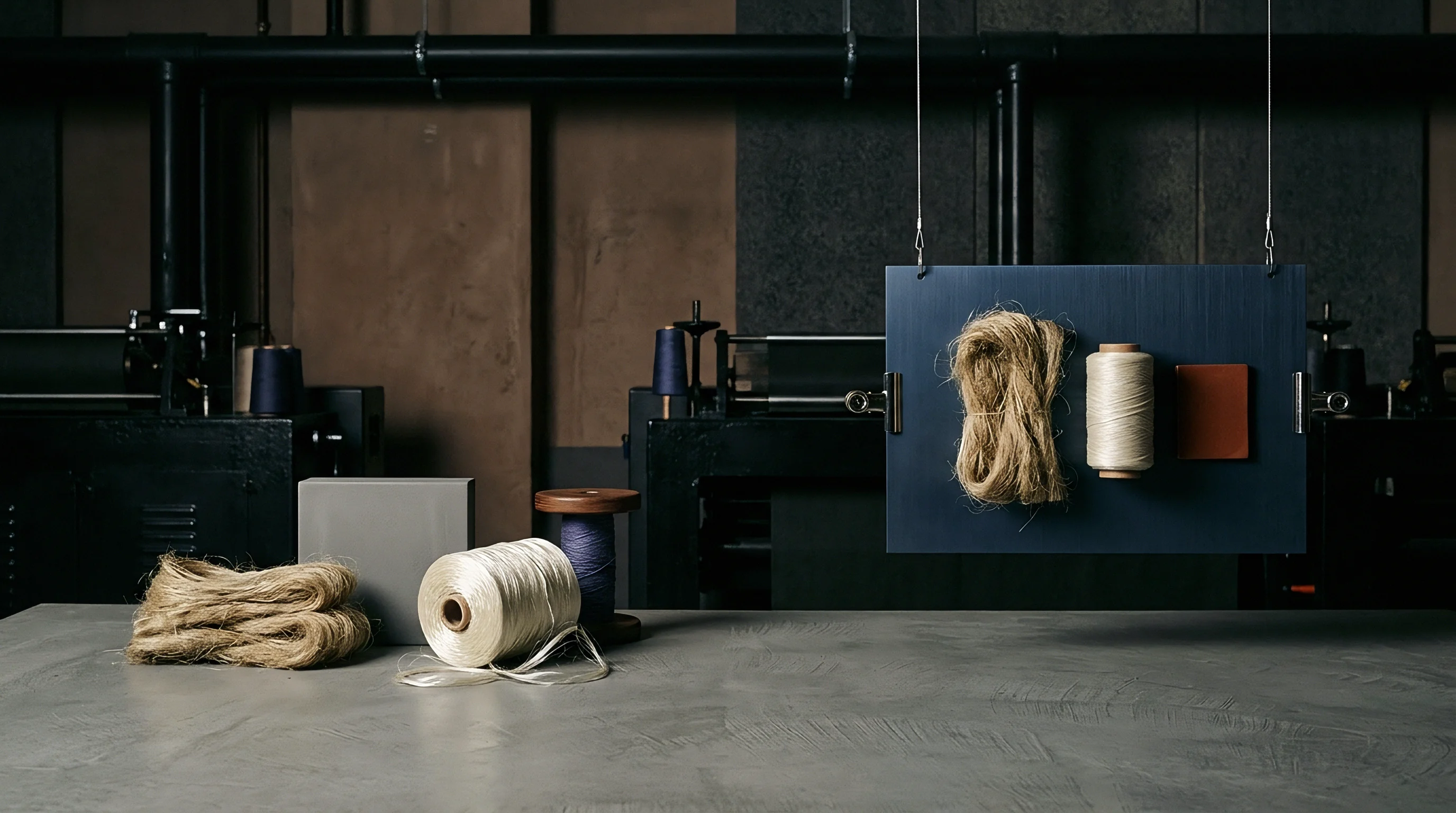

Dossier
Technical specifications for elastomeric core-spun yarns define mechanical, thermal, and dimensional criteria to protect garment production contracts. Sourcing managers evaluate yarn linear density, core content percentage, elastic recovery power, and thermal setting resilience before releasing purchase orders. Specifying vortex-spun polyurethane yarns requires setting strict tolerance windows for core draft consistency, yarn tenacity, and sheath coverage to avoid costly fabric rejections downstream.
Lab dips fail without thermal control.
Quality assurance protocols require testing yarn samples from both the inner and outer layers of wound bobbins. Inner bobbin layers often experience higher radial pressure, which accelerates physical aging and alters soft-segment orientation prior to knitting. Standard testing specifications mandate conditioning yarn bobbins at 20 degrees Celsius and 65 percent relative humidity for 24 hours prior to dynamic tensile testing under ISO 2062 or DIN 53835 conditions.
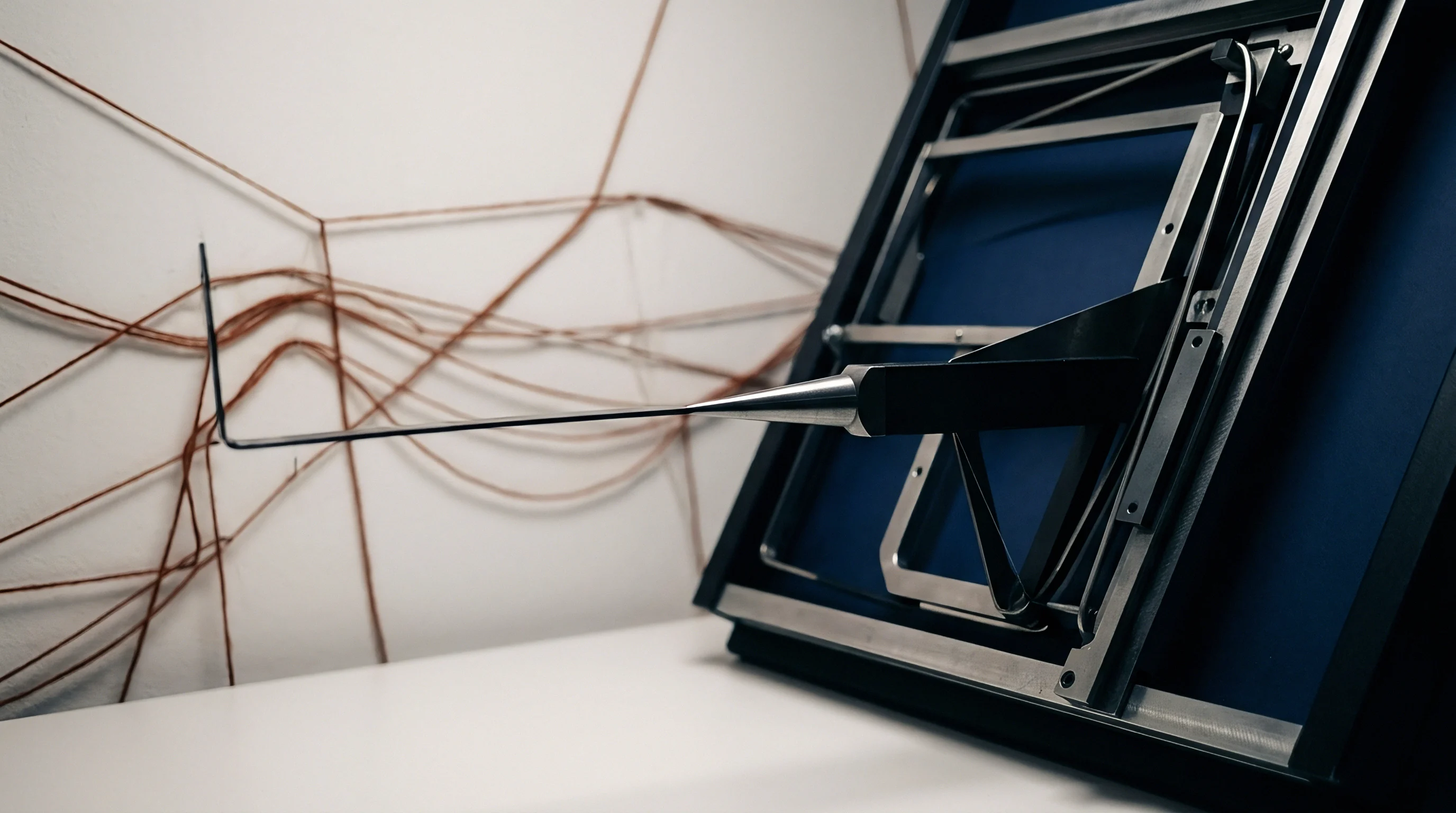
Quality Control Standards and Tolerance Limits
Laboratory testing of core-spun yarns measures force-elongation behavior across repeated extension cycles. The initial modulus reflects fabric hand stiffness, while unrecovered elongation after cyclic loading indicates permanent set potential. Elastic core continuity is verified using optical fast-Fourier transform yarn clearers mounted directly on winding frames, detecting thin spots where core drafting failed or thick spots where core grouping occurred.
| Performance Parameter | Test Standard | Target Benchmark | Acceptable Tolerance Window | Failure Mode Impact |
|---|---|---|---|---|
| Linear Density (Ne / dtex) | ISO 2060 | 30s Ne / 44 dtex TPU | ± 2.5 % | Fabric weight variance, shade banding |
| Tenacity at Break (cN/tex) | ISO 2062 | 18.5 cN/tex | – 5.0 % maximum | Yarn breakage in high-speed knitting |
| Elongation at Break (%) | ISO 2062 | 14.2 % | ± 8.0 % | Altered fabric stretch capacity |
| Elastic Recovery (50% Strain) | DIN 53835 | 92.5 % recovery | – 2.0 % absolute limit | Garment bagging, premature sag |
| Boiling Water Shrinkage (%) | ISO 5077 | 6.8 % shrinkage | ± 1.2 % absolute | Finished garment sizing variation |
| Sheath Slippage Force (N) | ASTM D4848 | 2.4 N force | – 10.0 % maximum | Core stripping, grin-through defects |
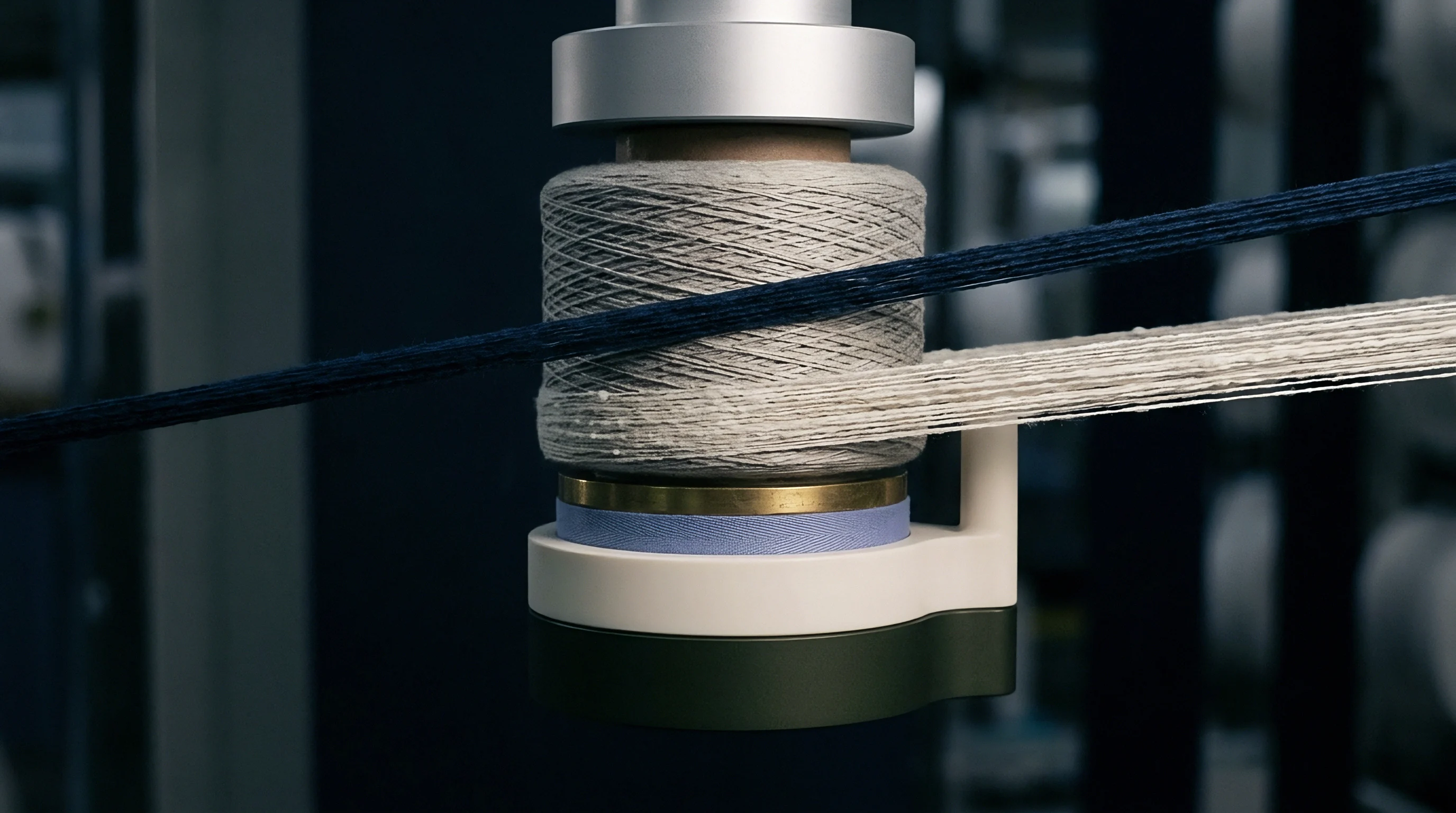
Landed Cost Arithmetic and Commercial Waste Controls
Fabric production calculations balance raw material expenses against yarn yield and processing efficiency. Yield variance impacts landed cost. Incorporating a 44 dtex polyurethane core into a 30s Ne cotton yarn increases raw yarn production costs by approximately 0.42 USD per kilogram.
Poor thermodynamic control during spinning increases core breakage rates, elevating yarn waste from a benchmark 1.5 percent up to 4.8 percent across bulk production runs.
Consider a fabric production order requiring 20,000 kilograms of finished elastomeric single jersey fabric. Assume a baseline yarn cost of 4.50 USD per kilogram for standard core-spun yarn. An increase in yarn waste due to unoptimized core crystallization kinetics adds direct raw material expenses, while low elastic recovery forces mills to increase fabric weight to meet stretch targets.
Uncontrolled thermal history during yarn spinning forces higher stenter temperatures during fabric finishing.
Calculating the landed fabric cost per metre requires accounting for greige yarn yield, wet processing scrap rates, stenter heat-setting energy usage, and defect rejections. Running unconditioned elastomeric core yarns through high-speed vortex frames increases sheath stripping defects, raising four-point inspection penalty rates at the finishing mill. Securing mill commitments to verified thermal quenching profiles and core tension logs ensures consistent fabric stretch performance while protecting target commercial margins across complex textile supply chains.