Defect Evaluation
Visual quality assessment of finished textile rolls relies on a standardized scoring method to classify and quantify material flaws. Under the four-point fabric inspection system, penalty points are assigned based on the length of each individual defect detected during the winding process. This method does not consider the width of the fabric when calculating the total penalty points.
The evaluation stops and the roll is rejected if the score exceeds the buyer’s maximum threshold, ensuring only high-quality fabric enters the cutting room.
Grading System
Penalty allocations range from one point for small defects up to four points for major damage or holes. A single defect measuring up to three inches receives one point, while a flaw exceeding nine inches is assigned four points. This simple scale ensures consistency across different inspectors in the warehouse.
Continuous defects like running soil marks are automatically given the maximum value.
Inspection Process
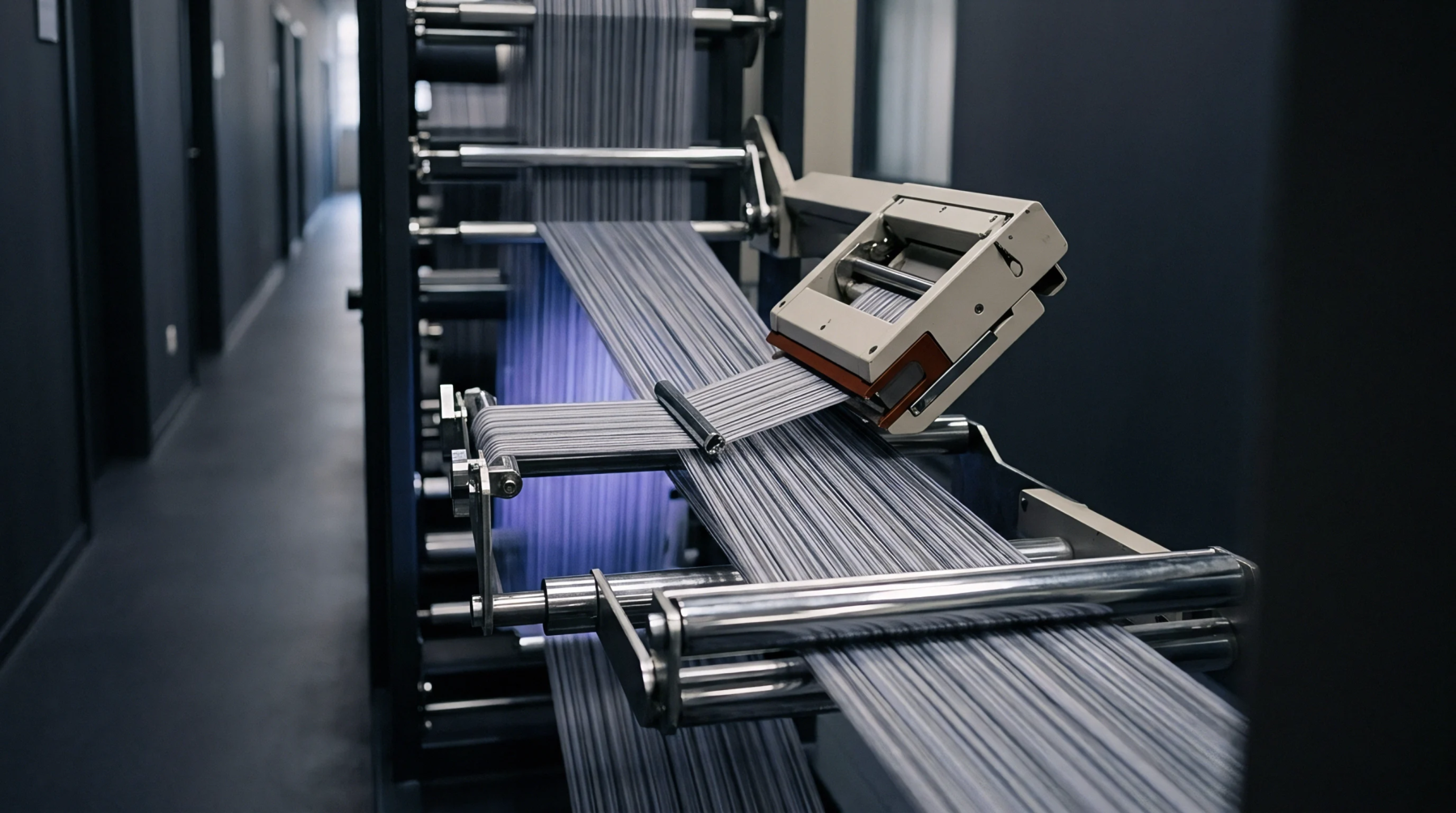
Manual inspection involves pulling the fabric across a backlit table at a constant speed to locate flaws. The inspector must examine the cloth from a distance of about one meter. This physical check is crucial before the fabric is cut into garment panels.
Commercial Settlement
Calculated totals are expressed as points per one hundred square yards to determine the grade of the roll. If the fabric has fewer than forty points per hundred square yards, it is classified as first-quality material. This quantitative metric provides the contractual basis for price adjustments and return authorizations between the garment factory and the textile mill.