Polymerization Precursor
Small ring-structured molecules function as high-efficiency reaction starters in the chemical synthesis of synthetic fibres and performance resins used by textile manufacturers to improve heat resistance. A cyclic monomer acts as a reactive building block that opens its ring structure under specific thermal or catalytic conditions to join a linear chain. This process allows the production of polymers with distinct mechanical properties such as increased tensile strength or modified crystalline structures.
Textile mills utilize these precursors to formulate specialized finishings that alter the drape or durability of synthetic fabrics. Heat stability remains the primary reason for selecting these agents in high-performance polymer extrusion lines. Production engineers verify the purity of these compounds through gas chromatography before the material enters the reactor vessel to prevent chain termination or side reactions that weaken the final fibre.
Reaction Geometry
Rapid ring-opening pathways define the transformation from cyclic state to the extended macromolecular chain required for fibre extrusion. Energy barriers determine the speed at which the cyclic monomer transitions into a stable polymer during the extrusion cycle. Low-strain rings require higher activation energy while high-strain counterparts break readily to initiate the polymerization chain.
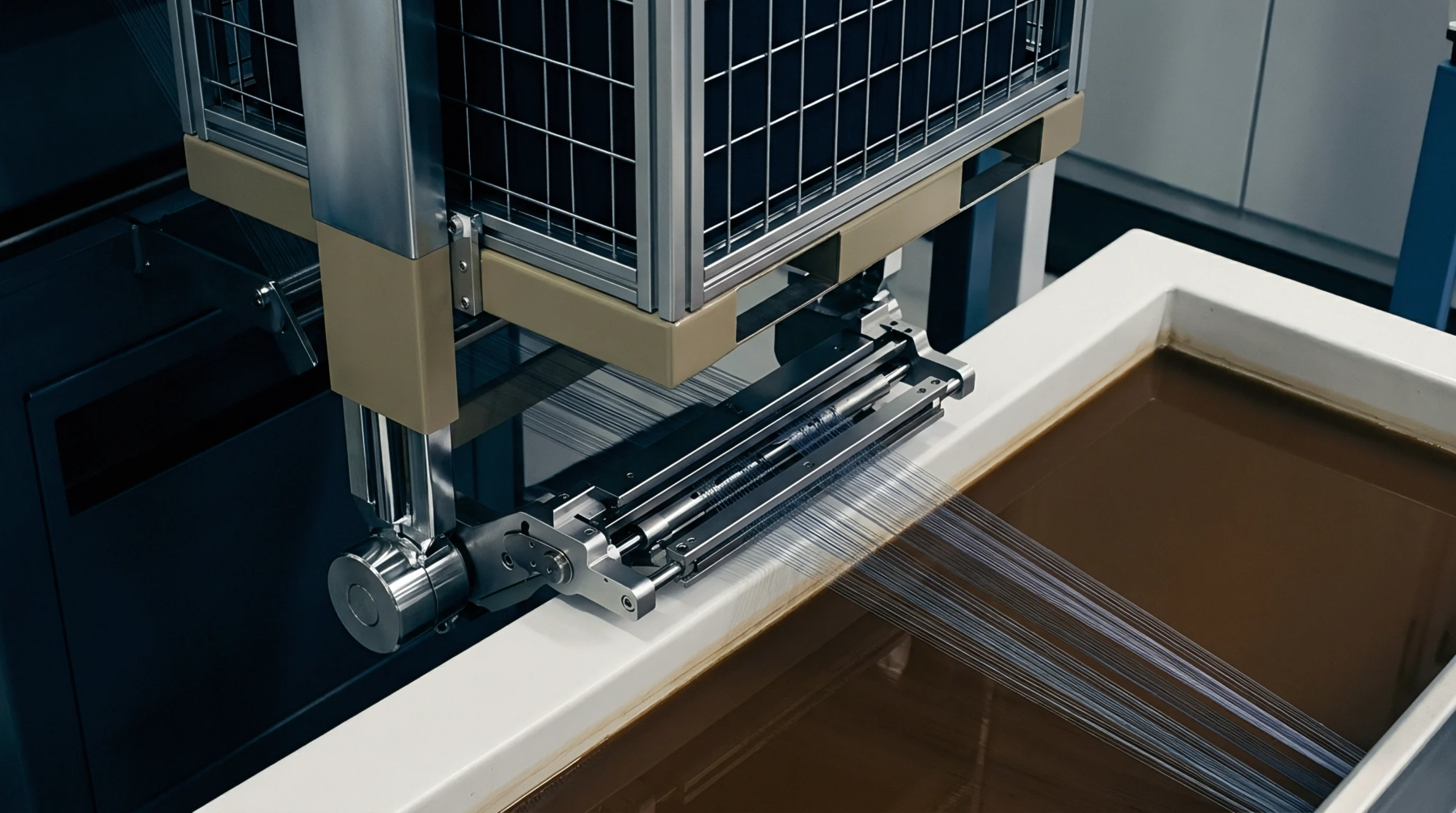
Operators adjust the temperature profile of the spinneret to match the specific strain profile of the selected precursor. Consistent monomer quality ensures the resulting filament maintains uniform diameter and strength across large production batches. Variations in the ring integrity lead to inconsistent molecular weights that disrupt the downstream spinning process.
Material Tolerance
Contaminant levels inside a batch of cyclic monomer alter the mechanical performance of finished technical textiles. Trace moisture or acidic impurities interfere with the ring-opening reaction and produce inconsistent chain lengths within the finished fibre. Quality control laboratories at the fibre plant test for specific trace levels to ensure the precursor meets the threshold required for industrial spinning.
Any deviation from the established purity grade creates brittleness or uneven dye uptake in the final fabric output. Fibre manufacturers perform batch inspections to verify that these inputs contain no substances that degrade under high heat conditions or interfere with common solvent systems used in dyeing.
Processing Impact
Molecular stability during the heating phase dictates how effectively the cyclic monomer integrates into the fibre extrusion process. High purity levels prevent premature carbonization that causes defects in finished garments and technical rolls. Producers monitor the conversion rate to confirm that the precursor forms a complete polymer network without leaving residual fragments that soften the final product.
Complete conversion remains necessary because unreacted molecules cause leaching or surface tackiness during the finishing stages. Proper control of the chemical reaction guarantees the mechanical integrity of the synthetic textile throughout the service life of the garment. High-quality output depends on the precise alignment between the chemical reactivity of the precursor and the thermal settings of the production equipment.
Residual content within the material determines the ultimate chemical resistance of the hardened fibre.