
Pneumatic Channel Velocity and Ejection Timing Calibration
Calibrating duct air velocity and valve timing aligns sensor triggers with blast nozzles to remove foreign fibres while minimizing good lint loss.

Calibrating duct air velocity and valve timing aligns sensor triggers with blast nozzles to remove foreign fibres while minimizing good lint loss.

Inline line scan camera calibration requires mapping high-speed web RGB or multispectral data to benchtop spectro d/8 optics using regularized matrices.

Residual solvent extraction in polyurethane fabrics demands complete matrix swelling to release trapped dipolar polar solvents for accurate quantitative chromatography.
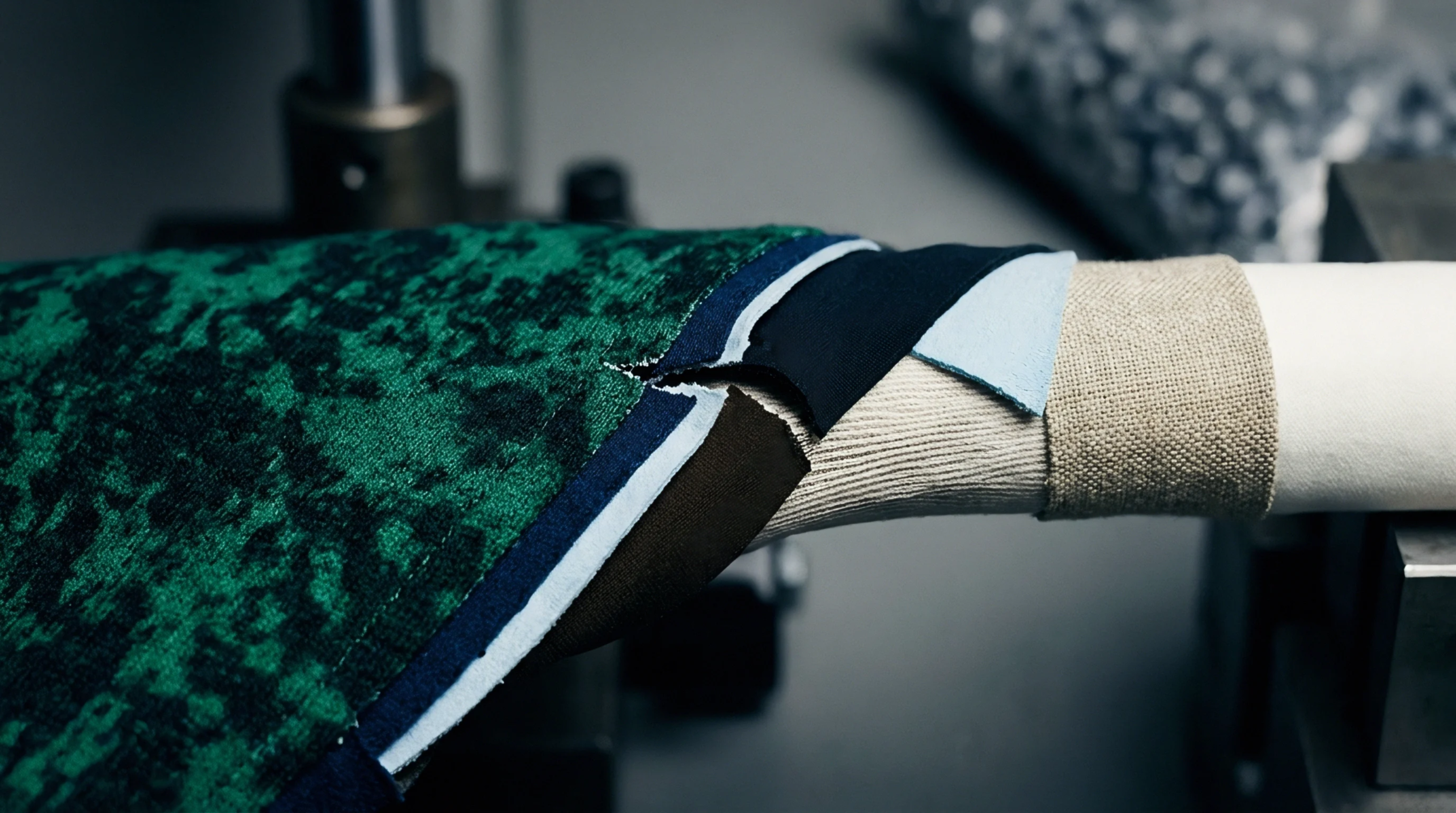
Polyurethane thermal breakdown creates false solvent signals, requiring extraction under 100°C or HRMS mass accuracy to verify REACH compliance.

Polyurethane matrix interference distorts mass spectrometry signals, requiring stable isotope dilution or accurate mass corrections to prevent false compliance passes.

Lock multi-illuminant spectral tolerances and binder crosslinker dwell times into mill specifications to prevent metameric shade flare and wet crocking failures.

Verifying residual solvent compliance in coated synthetic fabrics demands EN 17131 liquid extraction GC-MS to measure deeply entrapped coating carrier solvents.
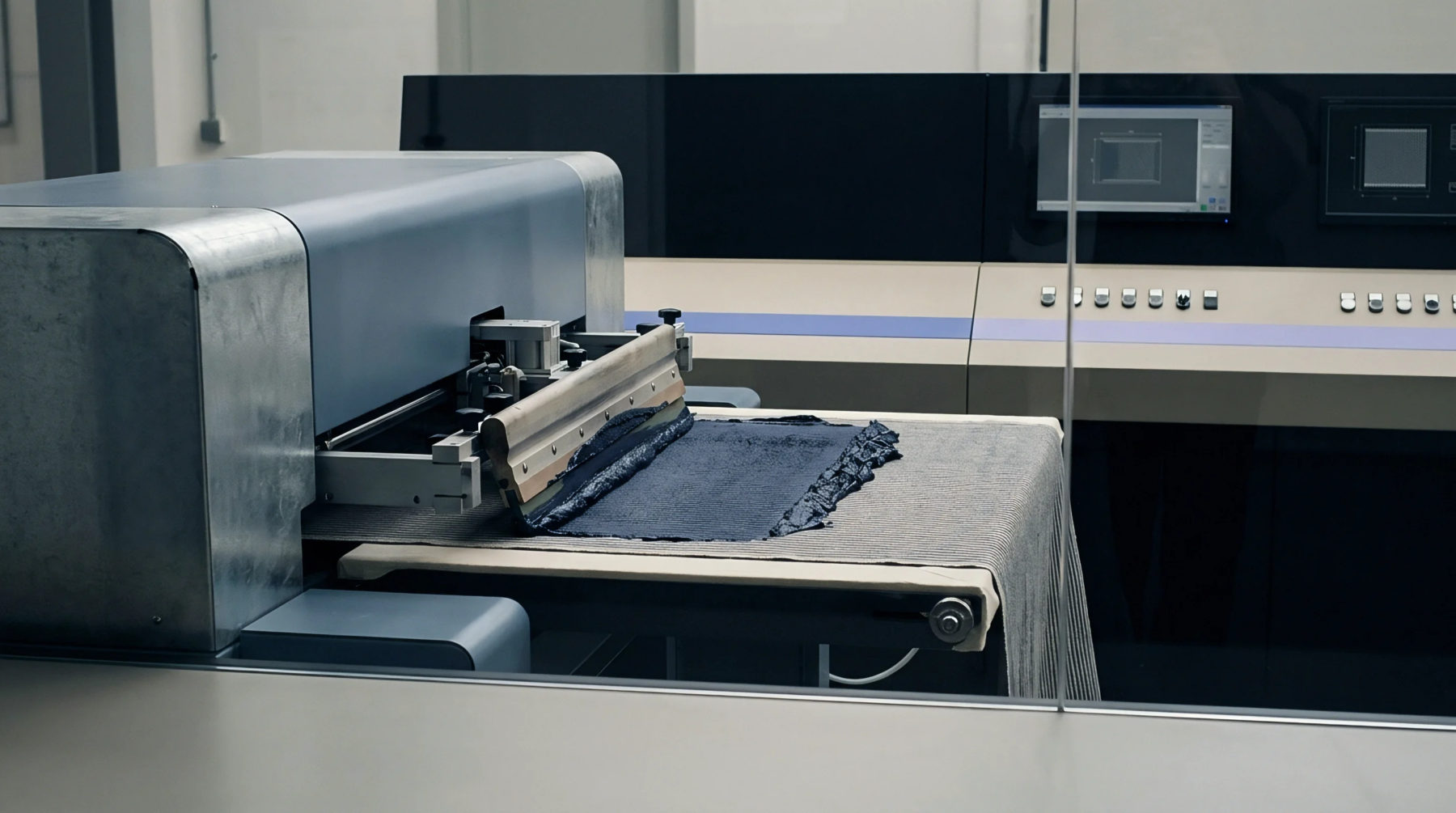
Mathematical alignment between screen and digital textile runs requires Kubelka-Munk spectral K/S matching and CIEDE2000 tolerance limits under dual illuminants.
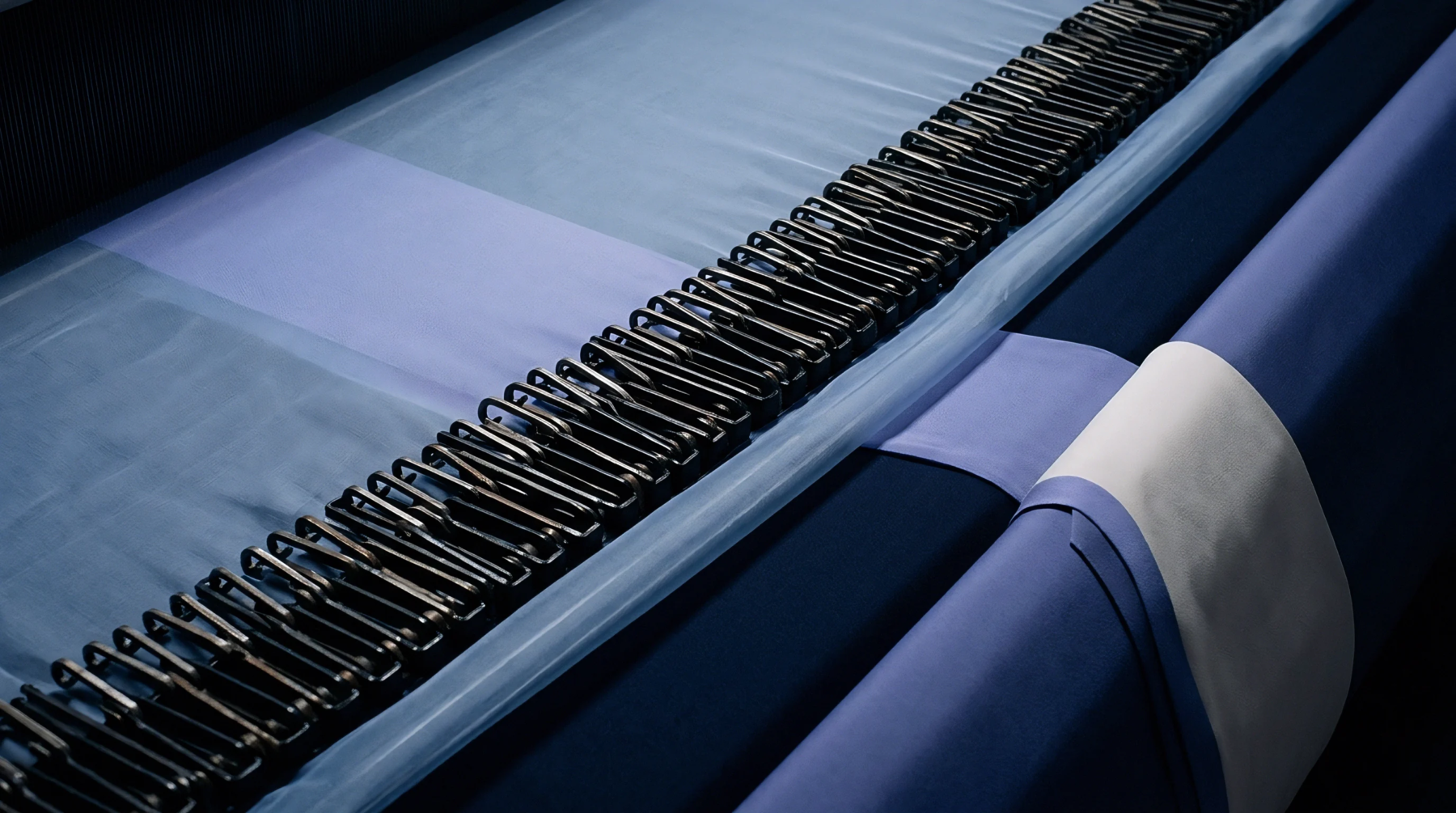
Calibrating blowroom plucker depth and beater tip speeds controls tuft size, preventing nep growth and staple breakage while optimizing cleaning efficiency.

Standardizing textile print color tolerances requires CIE2000 equations, 20mm d/8° diffuse sphere geometry, and strict multi-illuminant metamerism caps.

Analytical resolution of residual coagulation solvents requires matrix-matched calibration and cryo-milling to prevent substrate retention errors.

Calibrating inline spectral sensors against benchtop CIEDE2000 readings requires real-time moisture compensation matrices to correct optical water interference.

Validating GC-MS for coated textiles requires dissolution extraction, deuterated internal standards, and SIM ion selectivity to clear border chemical audits.
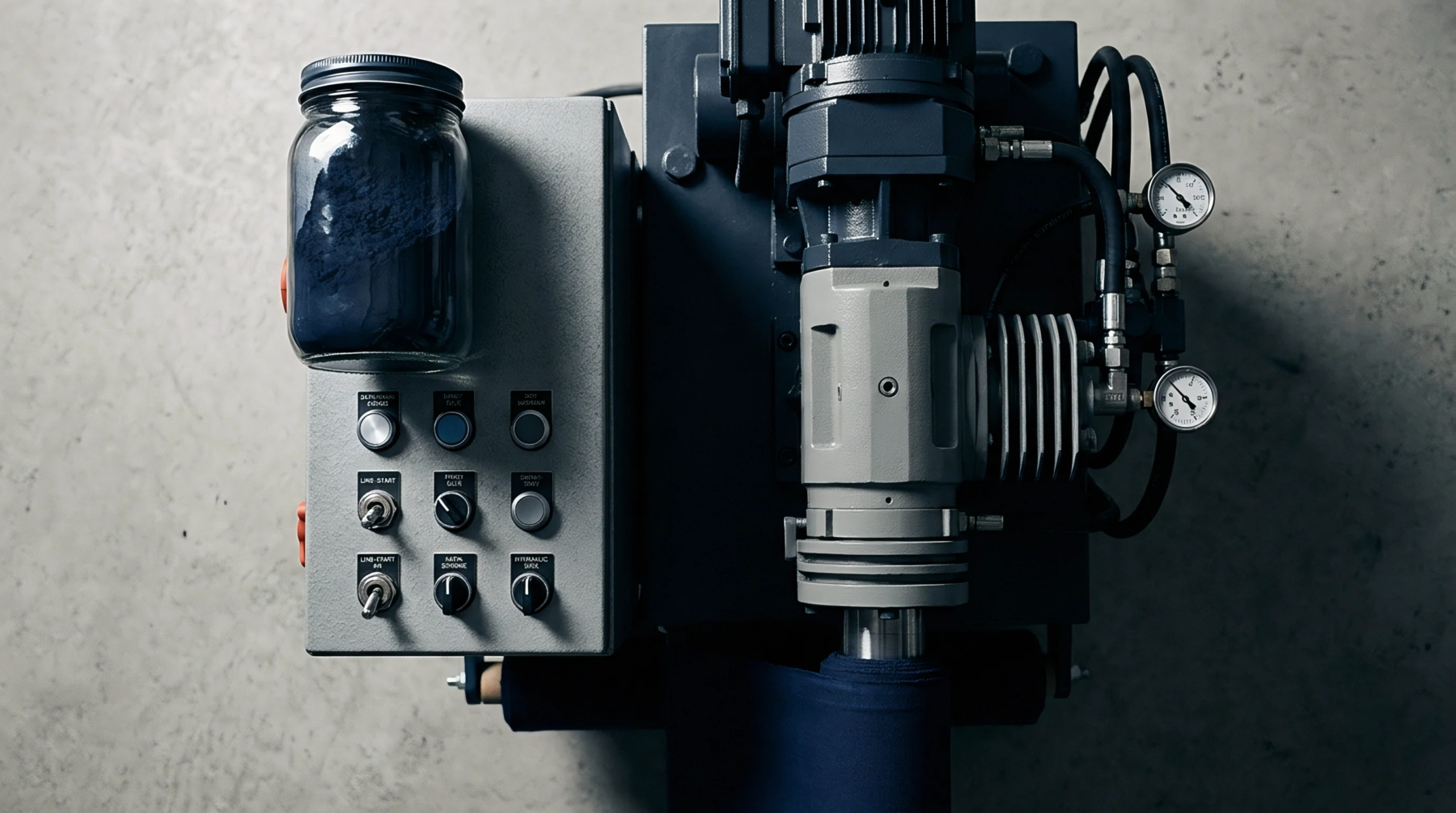
Dynamic threshold tuning continuously adjusts optical gating against rolling background averages, cutting good lint carry-over in waste chutes below 45 percent.

Quantifying residual solvents in coated textiles requires liquid extraction or matrix-matched headspace GC-MS to verify compliance below statutory limits.

Standardizing ionization efficiency corrections via isotope dilution LC-MS/MS prevents false-negative azo amine compliance failures in recycled polymer blends.
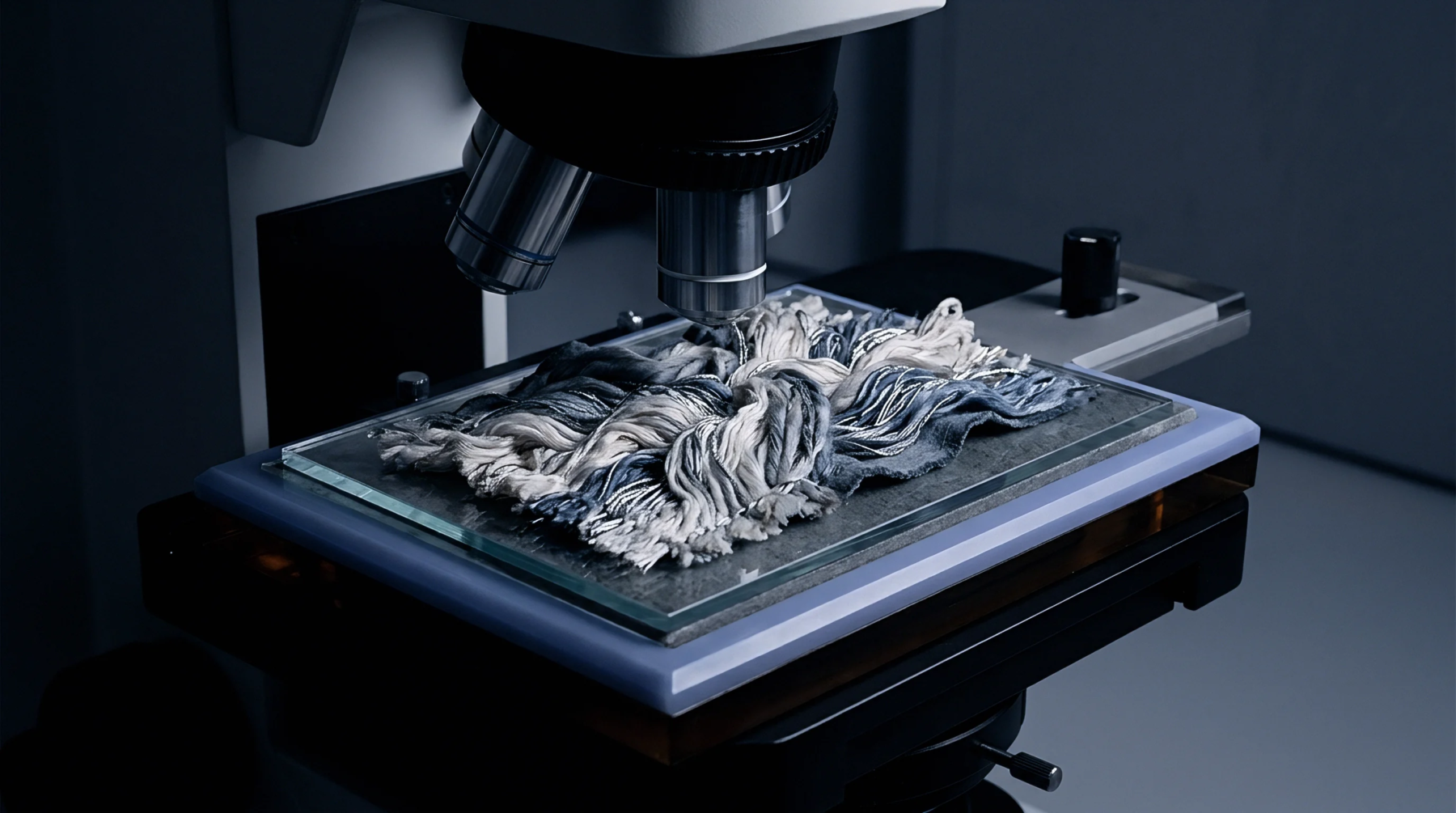
Multi-spectral NIR imaging at 1690 nm detects clear polypropylene in 20 m/s cotton streams, triggering pneumatic ejections to prevent yarn spinning defects.
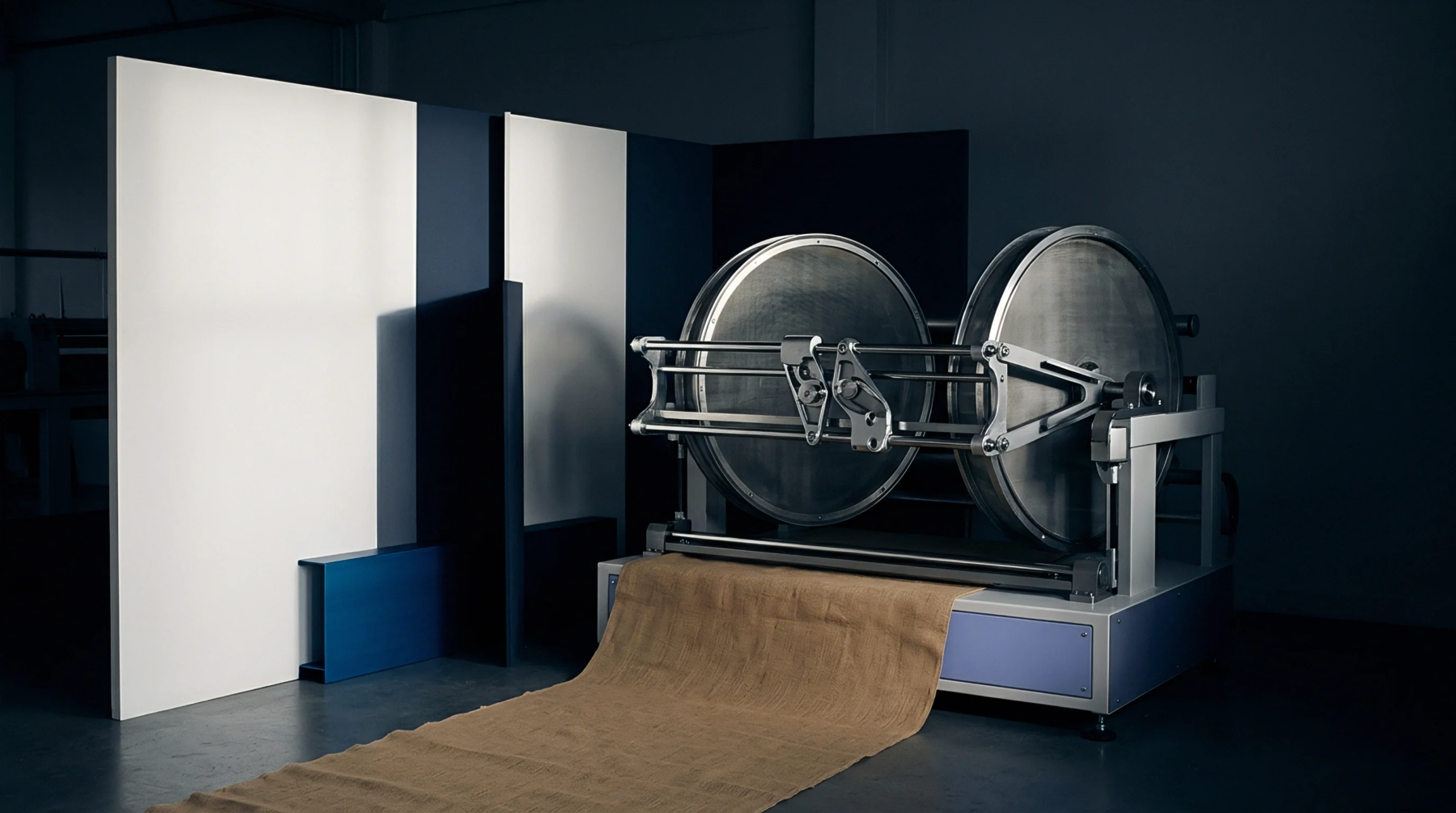
Dual route spectral tolerances control rotary print metamerism by setting narrow reflectance curve limits across daylight and store illuminants.

Optical blowroom sorters combine multi-wavelength sensors and millisecond pneumatic valves to eject foreign synthetics before carding shreds them into yarn.

Establishing textile print color tolerances requires defining spectrophotometer geometry, CIEDE2000 metrics, dual illuminants, and substrate sample prep.

Balancing jetting shear-thinning ink viscosity with multivalent salt pretreatment add-on controls dynamic capillary absorption, eliminating strike-through while maximizing optical density.

High-speed drawing of sub-denier polyester shifts glass transition temperatures by elevating orientational entropy and altering crystalline equilibrium.

Controlling PET texturing oligomers requires low trimer chips, thermal zone optimization below 210C, and high stability spin finish surfactants.
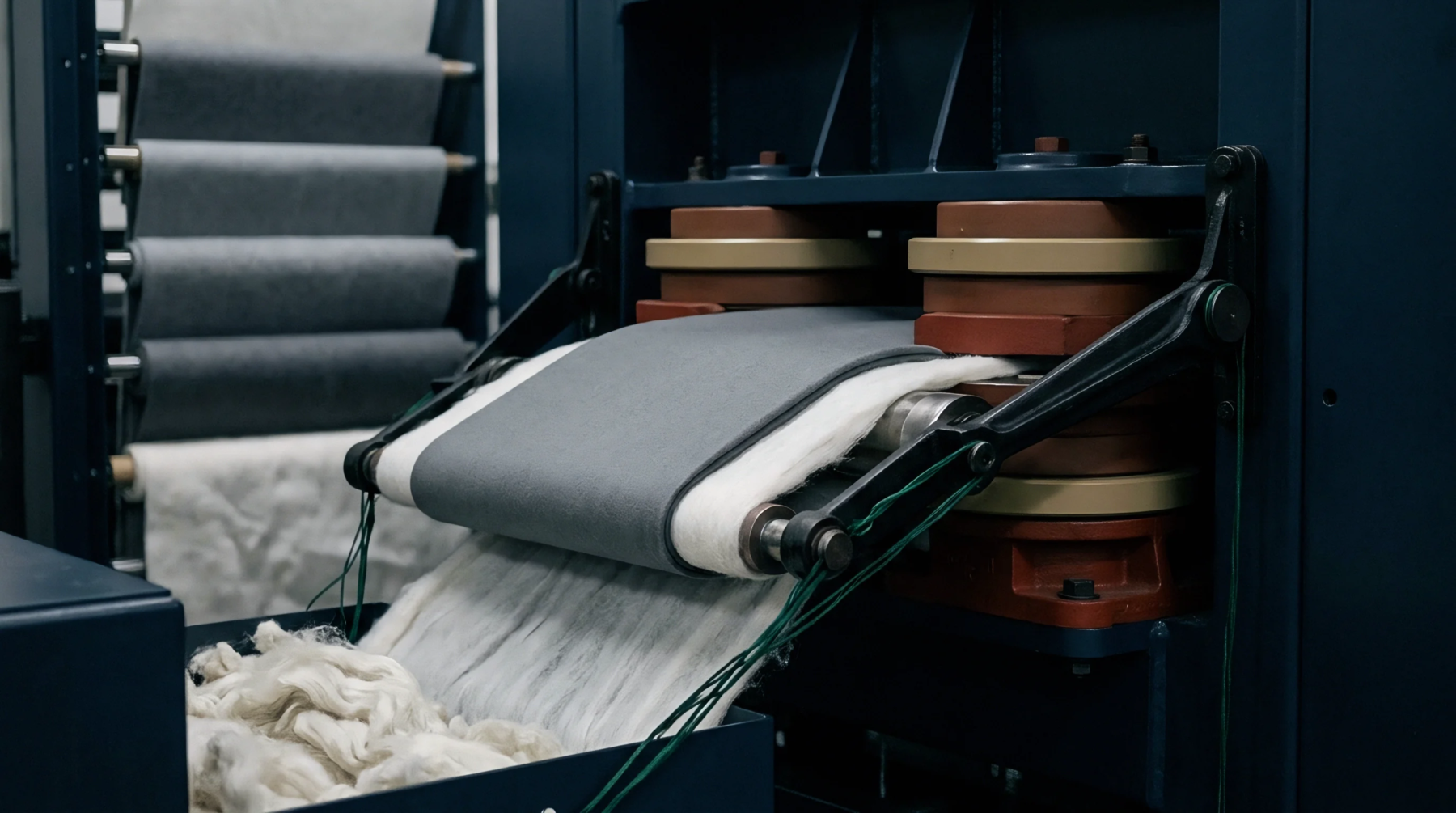
Optimizing solid-phase extraction cleanup removes interfering polyester oligomers, securing accurate mass spectrometry quantification for REACH compliance.

Quantifying cyclic trimer in textured PET yarn demands distinguishing surface deposits from bulk content using pre-washed HPLC-UV surface solvent extraction.

Matrix interferents in recycled synthetic fibers distort chromatographic baselines, requiring targeted solid-phase clean-up to prevent false positives.
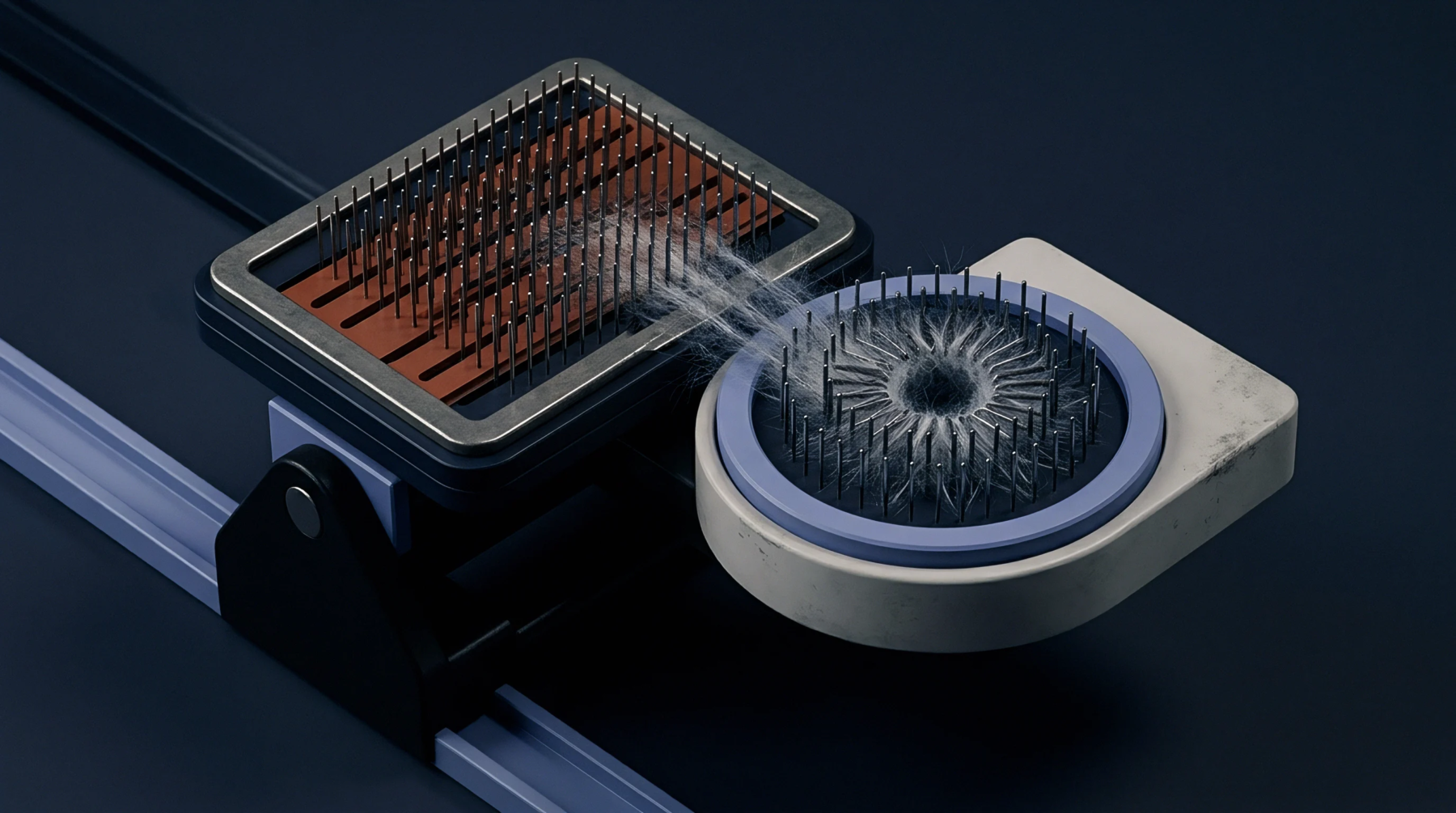
High temperature liquid chromatography isolates macrocyclic polyamide oligomers above 140 C to prevent processing precipitation and filament breakage.
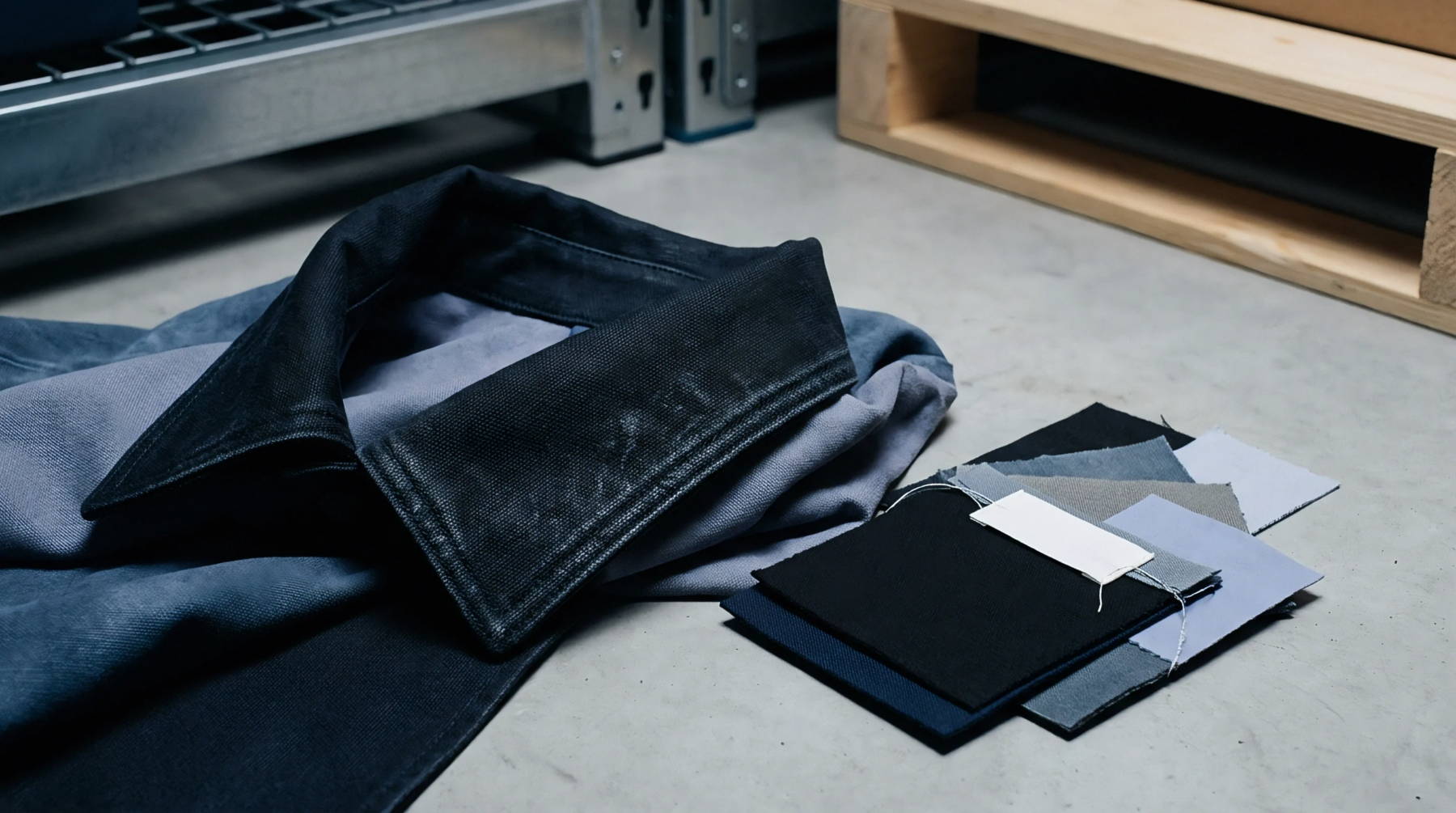
Optimal pad pick-up balances chemical penetration against surface migration, directly dictating print edge acuity, color yield, and rubbing fastness grades.

Unaccredited laboratory scope exclusions invalidate technical dossiers, shifting container detention costs and market withdrawal risks directly to buyers.

Verifying matrix specificity through sample-matched spike recoveries under ISO 17025 eliminates analytical false positives that stall textile shipments.
Expertise is a utility, not a secret. sentiention™ publishes its working knowledge as open reference: intelligence layer covering the materials it sources, the markets it enters, and the reference that serves both.