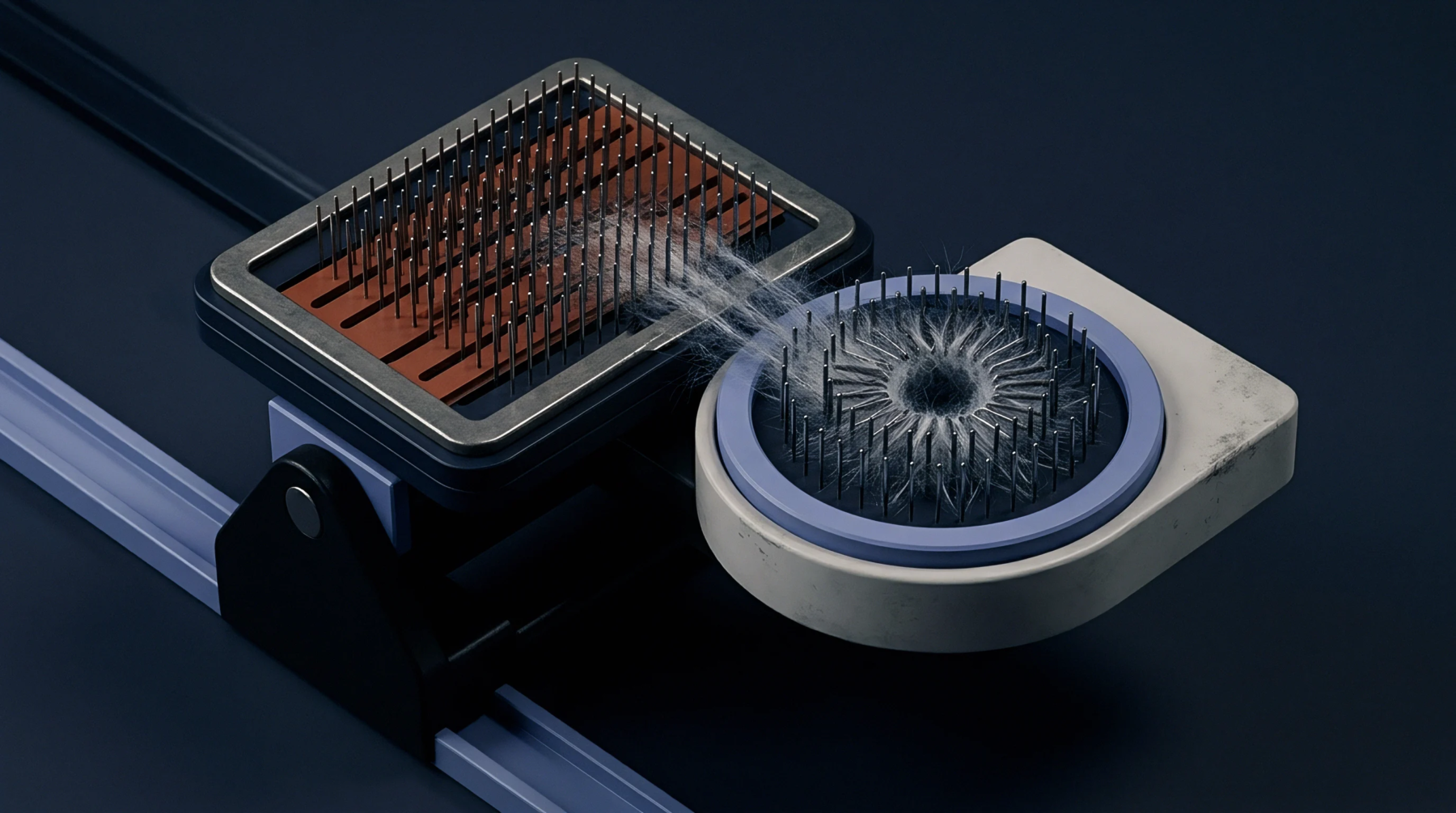
Thermomechanical Filament Transformation
Continuous synthetic filaments processed through simultaneous stretching and heat-setting in a false-twist texturing environment produce draw texturing yarn. The transformation converts partially oriented yarns into bulky, elastic textile structures with modified surface morphology. High thermal energy softens the synthetic polymer while mechanical spindle or multi-disc friction units insert high rotational twist.
Immediate cooling freezes helical molecular memory into individual filaments before untwisting releases crimped yarn bundles.
False Twist Kinematics
Feed yarn passes across an input godet into a primary electric or vapor-phase heating chamber maintained between one hundred eighty and two hundred thirty degrees Celsius. Friction aggregates fitted with ceramic or polyurethane discs impart rotational torque, propagating false twist upstream into the heated zone where plastic deformation occurs. Internal polymer chains reorient around helical axes before travelling across a cooling plate to drop yarn temperature below glass transition.
Untwisting downstream creates three-dimensional bulk through individual filament separation and mechanical loop formation.
Process Stability Parameter
Tenacity and elongation at break represent primary tensile quality parameters verified through automated yarn pull testing. Package crimp contraction, crimp stability and boiling water shrinkage determine structural performance during subsequent circular knitting or water-jet weaving operations. Uniform texturing temperature remains mandatory, because thermal shifts across single positions induce dye uptake deviations that show as streaks or barre banding in finished dyed fabrics.
Elasticity Performance Ceiling
Structural bulk generated through false twisting decreases under excessive winding tension or continuous high-temperature finishing operations. Secondary heating zones allow production of set yarns with reduced torque and low residual shrinkage, yet total elastic recovery remains lower than that of chemically crosslinked elastomeric filaments.