Flow Resistance
Non-Newtonian liquid behavior occurs when the viscosity of a fluid decreases under the application of mechanical stress. Rheological shear thinning defines this state where long-chain polymer structures align along the direction of flow, which reduces internal friction and allows the material to move more easily through piping or narrow nozzle apertures. Lab technicians verify this property during chemical dispensing processes to ensure that coatings or binders maintain proper deposition rates.
Viscosity Dynamics
Molecular entanglement dictates how a fluid responds to varying degrees of force during industrial finishing. Rheological shear thinning acts as the mechanism for controlled application because the internal resistance drops as the fluid speed increases within an extrusion head or a print screen mesh. Pressure changes along a supply line force the fluid molecules into a parallel orientation, which temporarily lowers the apparent viscosity to a fraction of the resting value.
Production Utility
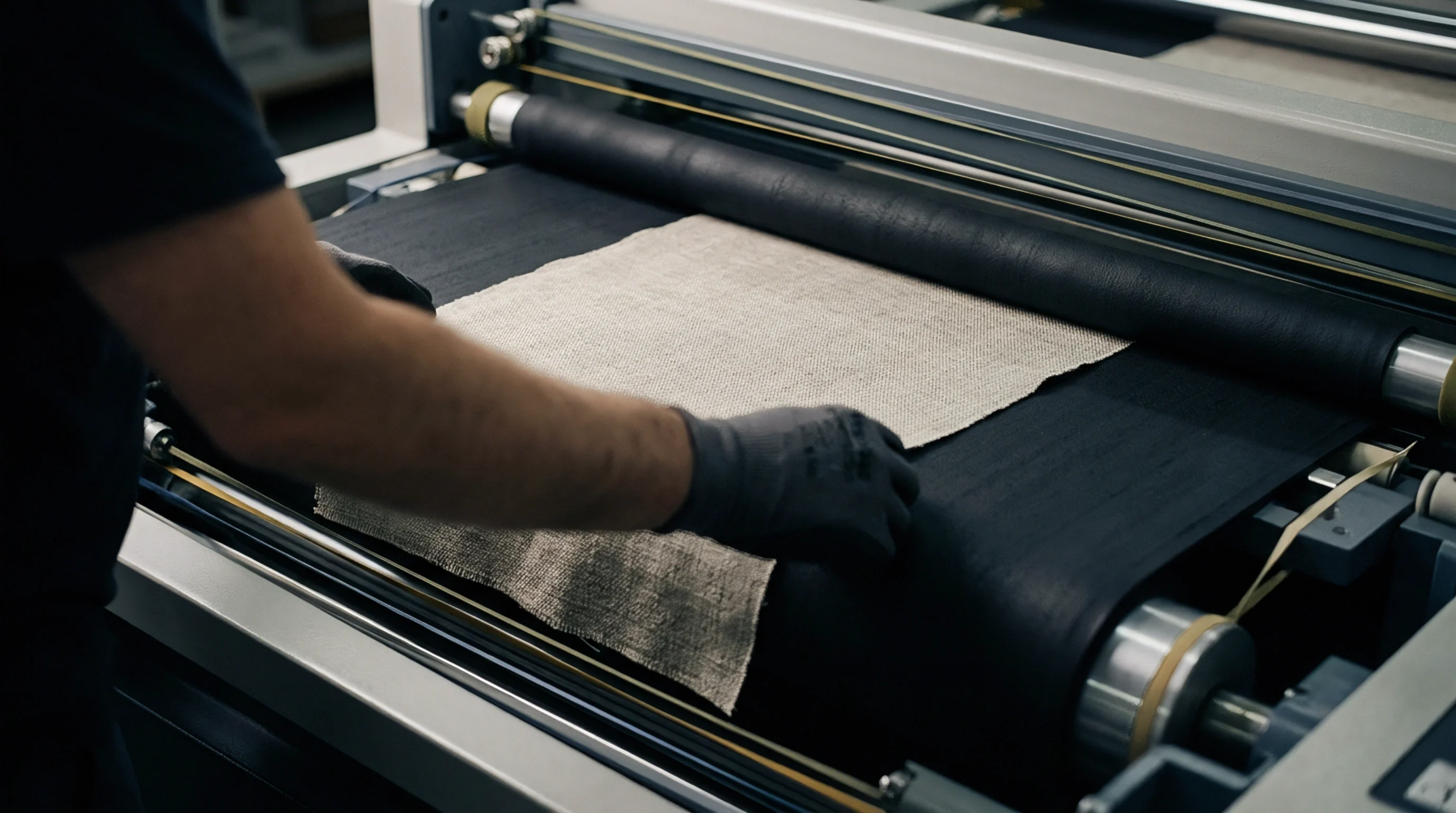
Textile finishing requires precise control over paste delivery to ensure uniformity across broad rolls of fabric. Rheological shear thinning permits high-viscosity formulations to remain stable within a storage vat while becoming fluid enough to pass through fine apertures during the printing or coating stage. Operators observe this behavior when a dense resin paste flows smoothly from a pump head despite its high solid content at rest.
Performance Boundaries
Material science determines the limits of this behavior based on the specific molecular weight and concentration of the solute within the carrier solvent. Rheological shear thinning ceases when the fluid reaches its critical shear rate, at which point the structure of the suspension can no longer align further to reduce resistance. Excessive velocity beyond this point causes the fluid to behave as a standard liquid where the viscosity remains constant regardless of additional force.