Venturi Shear Thresholds and Lubricant Emulsification in High Temperature Jets
High venturi shear and superheated dyebath temperatures destabilize greige lubricants, requiring controlled nozzle velocities and high-cloud-point emulsifiers.

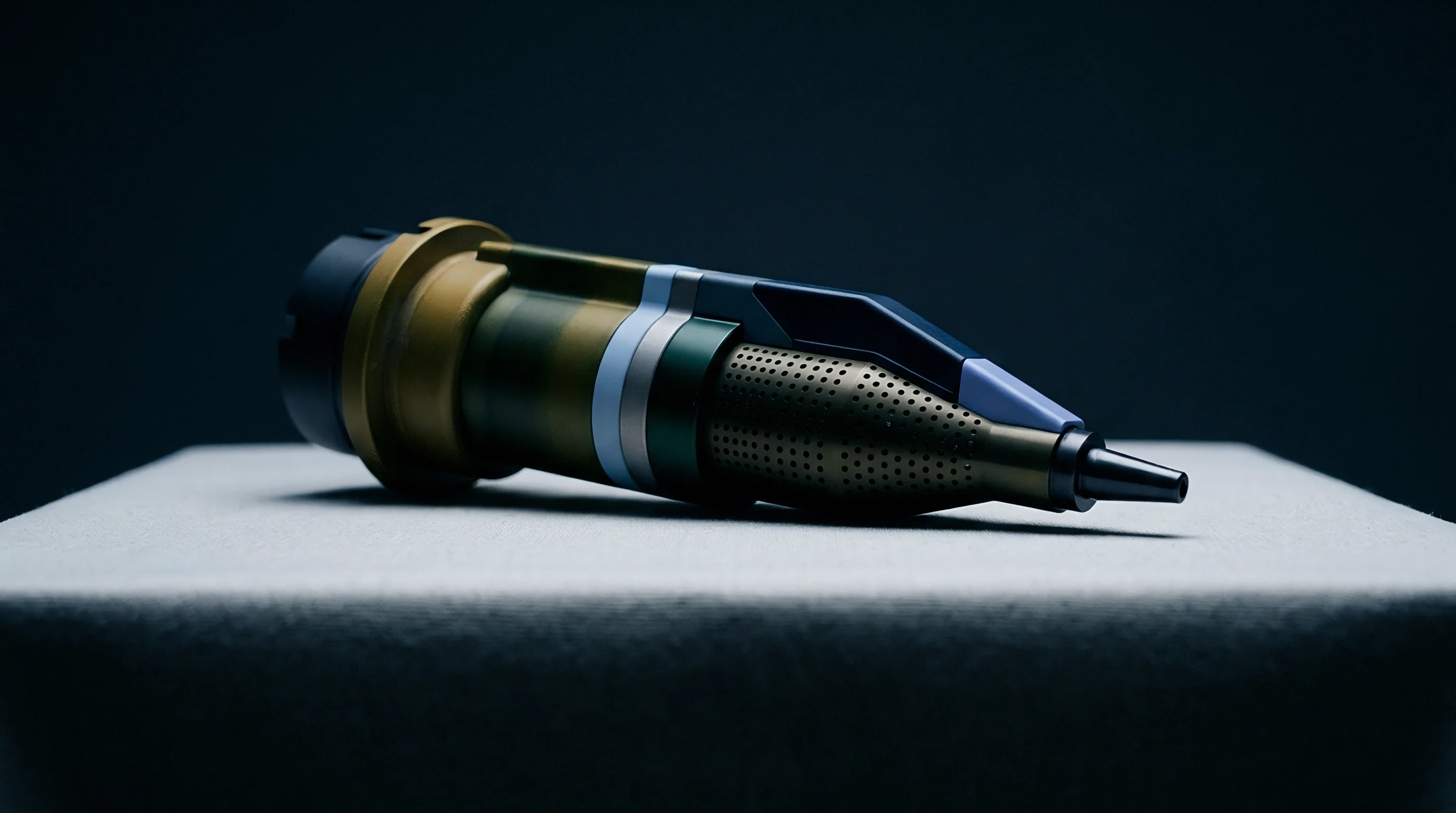
Nozzle
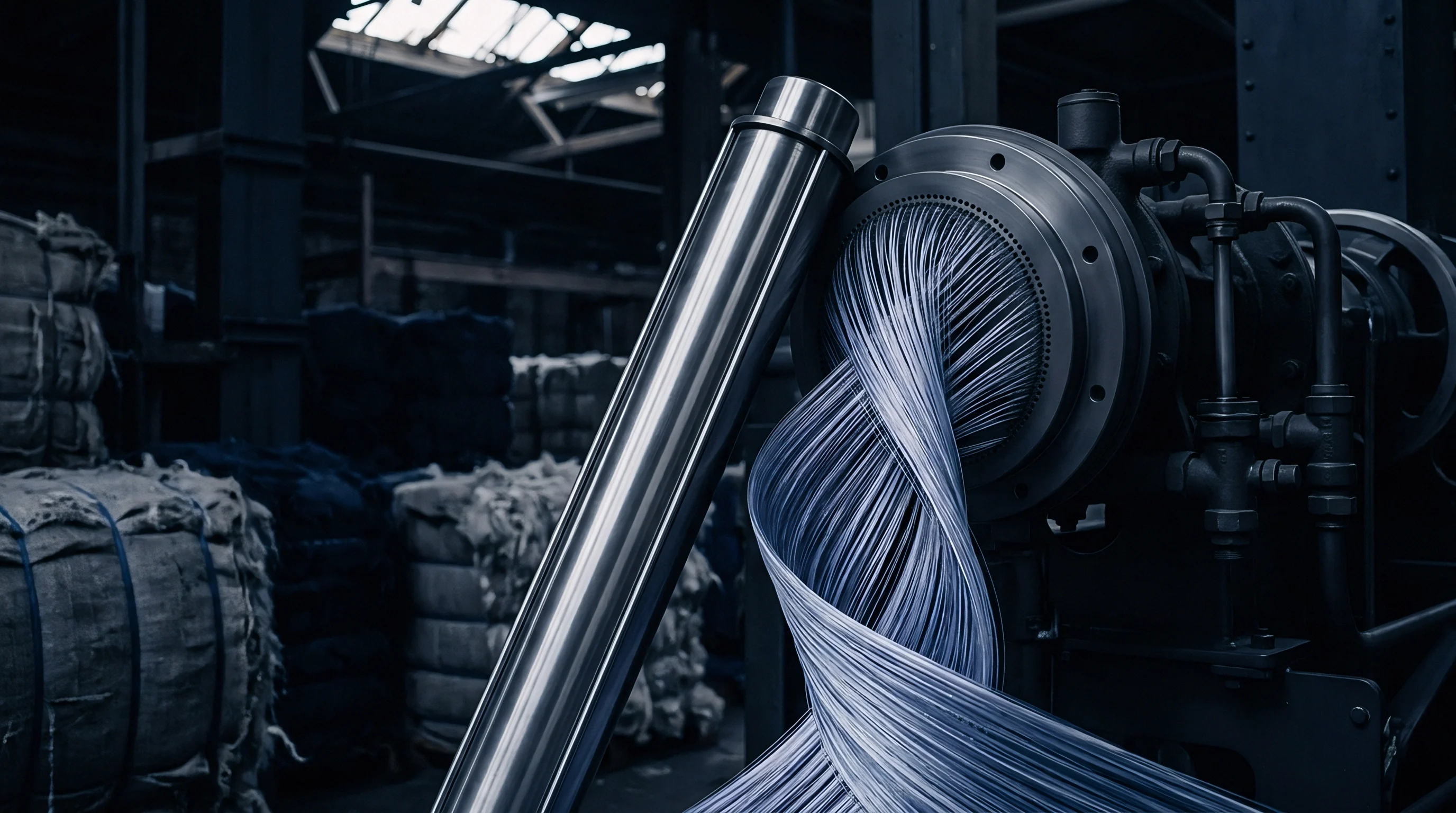
Jet dyeing vessels rely on high-velocity fluid conduits to transport fabric ropes through superheated liquor. Inside these conduits, fluid acceleration drives both fabric movement and chemical exchange between the bath and the textile substrate. Dynamic fluid pressure converts into kinetic energy as liquor enters the restricted throat of a venturi system, creating high shear rates along the boundary layer where moving yarn bundles contact the fluid stream.
When a circular fabric rope passes through a narrow aperture alongside high-volume liquor, localized shear rates reach extreme levels. Synthetic fabric finishes, including knitting oils, texturing spin finishes, and coning lubricants, experience mechanical displacement under these conditions. The forces stripping these oil compounds off the yarn fibers depend directly on fluid velocity gradients across the nozzle orifice.
Hydrodynamic Gradient in Jet Throats
Liquor acceleration within the constricted flow zone generates steep velocity profiles. The highest velocity occurs at the centerline of the fluid stream, while viscous drag creates a slower boundary layer near the inner wall of the pipe. Fabric ropes moving through this environment experience differential hydraulic drag across their cross-section.
Round venturi nozzles compress fabric ropes uniformly, producing symmetric shear forces. Rectangular or overflow nozzles generate asymmetrical velocity distributions, altering the mechanical impact on the yarn bundle. As liquor pressure rises to propel heavier fabrics, fluid velocity through a 60-millimeter throat often exceeds 300 metres per minute.
This high-velocity movement creates intense mechanical agitation, forcing bath liquor into the interior voids of the moving textile bundle.
Increasing liquor velocity without enlarging the jet throat gap accelerates mechanical degradation of bath emulsifiers.
Shear Rate Calculations across Flow Profiles
Quantifying localized shear forces involves analyzing fluid viscosity, volumetric flow rate, and pipe cross-sectional area. Shear stress (τ) acting on the liquid interface relates directly to the dynamic viscosity (μ) and the velocity gradient (fracdudy) perpendicular to the flow wall:
τ = μ · left(fracdudyright)
In standard high-temperature jet applications operating at 130 degrees Celsius, water viscosity drops to approximately 0.22 centipoise. This reduction in dynamic viscosity alters fluid mechanics inside the throat. Reynolds numbers rise significantly, pushing the system into fully turbulent flow regimes where localized shear rates (dotγ) frequently exceed 5 × 10⁴ s-1.
Mechanical stress triggers specific operational responses during jet processing cycles:
- Velocity differentials generate steep tangential forces where liquor contacts moving yarn bundles.
- Throat constriction ratios amplify fluid acceleration, compressing fluid volume within milliseconds.
- Turbulent eddy formation ruptures protective surfactant sheaths around oil droplets.
- Boundary layer drag strips weakly bound paraffinic lubricants off filament synthetic surfaces.
Matching the nozzle aperture to the fabric rope volume prevents fluid turbulence from stripping lubricants into the bulk dyebath.

Phase
Thermal energy within closed dyeing systems at 130 degrees Celsius alters liquid interface stability. At ambient temperatures, synthetic lubricants on greige cloth remain suspended via surfactant formulations supplied by fiber extruders or knitters. When dyebath temperatures exceed ambient levels, chemical interactions between water, oils, and emulsifiers change fundamentally.
As heat rises, fluid viscosity drops rapidly and surface tension alters, causing non-ionic surfactants used to stabilize mineral oils and fatty acid esters to undergo desolvation. The hydrophobic tail of the surfactant molecule retains its oil affinity, but the hydrophilic ethylene oxide chain loses its hydration shell. This loss of hydrogen bonding with surrounding water molecules destabilizes the emulsion balance inside the liquor phase.

Surfactant Cloud Point under Pressure
Non-ionic emulsifier systems possess a defined cloud point temperature (Tcp). Beyond this thermal limit, the emulsifier loses water solubility, causing clear solutions to turn turbid as surfactant molecules aggregate into macro-micelles.
Non-ionic ethoxylated emulsifiers experience cloud point depression of up to 18 degrees Celsius when dyebath salt concentrations reach 2 grams per litre.
Pressure vessels maintain liquid phase state at 130 degrees Celsius, but pressure does not prevent cloud point precipitation. Dyebath additives like ammonium sulfate or acetic acid lower the cloud point temperature further through electrolyte salt-out mechanisms. When the operating bath temperature passes the adjusted cloud point, the emulsifier matrix collapses, allowing free oil molecules to coalesce into droplets that lack surface protection.
Coalescence Kinetics in Superheated Liquor
Stripped lubricants suspended in superheated dyebaths collide constantly due to violent hydro-jet circulation. Without protective electrostatic or steric repulsions provided by active surfactants, collision leads to immediate coalescence as small oil droplets merge into larger globules.
High mechanical shear inside the venturi throat initially chops large oil globules into sub-micron droplets, creating a temporary micro-emulsion. Once these droplets exit the high-shear nozzle zone and enter the lower-velocity main storage chamber, coalescence kinetics accelerate. Thermally destabilized oil drops coalesce into macro-droplets that float on the liquor surface or adhere to the vessel walls.
Spot formation stems from improper greige washing as well as heat-induced emulsion breakdown.
Defect
Unstable lubricant dispersion manifests on dyed cloth as distinct visual irregularities that lower commercial grade. When coalesced oil droplets redeposit onto synthetic fibers during high-temperature dyeing, they create barriers that impede dyestuff diffusion. Disperse dyes dissolve preferentially into free hydrocarbon oil droplets rather than exhausting uniformly into polyester or polyamide matrices.
Light-colored or un-dyed spots appear across the fabric surface where oil deposits blocked dye uptake. Conversely, if free oil droplets carry concentrated disperse dye particles, dark oily stains form on the fabric. These spots resist standard reduction clearing cycles because the oil matrix protects the entrapped dye from chemical reduction by sodium hydrosulfite and caustic soda.
Why Do Synthetic Spin Finishes Emulsify under Venturi Shear?
Synthetic spin finishes contain complex mixtures of mineral oils, ester lubricants, antistatic agents, and non-ionic emulsifiers designed for fiber processing rather than high-temperature wet processing. During jet dyeing, mechanical shear forces in the venturi throat strip these finishes off the yarn. High thermal energy breaks down the non-ionic emulsifiers included in the finish formulation.
Deprived of stable emulsification, the stripped hydrophobic components recombine with polyester cyclic trimers floating in the dyebath, forming dense, sticky oil-oligomer complexes.
Oil spots present distinct physical and chemical characteristics depending on their origin:
- Dye resist spots manifest as pale, un-dyed patches where concentrated hydrophobic barriers prevent disperse dye exhaustion.
- Silicone spot aggregation forms sticky, translucent film patches that permanently alter fabric hand and accept no dyestuff.
- Oligomer tar deposits merge cyclic polyester trimers with broken lubricant emulsions, generating dark oily spots inside jet pipes.
- Shade streakiness occurs when free oil droplets float on the liquor surface and deposit unevenly during bath drainage.
Quantification of Solvent Extractables
Identifying the precise chemical nature of fabric defects requires standardized laboratory extraction protocols. Standard test method ISO 3071 guides pH measurements, while solvent extraction methods measure total non-structural organic matter on greige or dyed goods. Dichloromethane (DCM) or Soxhlet petroleum ether extractions quantify residual spin finish mass.
| Defect Type | Visual Aspect Under UV Light | Chemical Composition | Solvent Extraction Verification |
|---|---|---|---|
| Paraffinic Oil Spot | Yellow-Blue Fluorescence | Mineral Oil, Coning Oils | Soluble in Hexane and DCM |
| Ester Finish Stain | Faint White Fluorescence | Polyol Fatty Acid Esters | Soluble in Isopropanol and DCM |
| Silicone Elastomer Spot | Non-Fluorescent Dull Mark | Polydimethylsiloxane (PDMS) | Insoluble in Hexane, Soluble in Xylene |
| Oligomer-Oil Complex | Crystalline Specks in Spot | Cyclic Polyester Trimer + Oil | Partial Solubility; Leaves White Ash |
Failure to meet the maximum 0.5 percent extractable content under ISO 3071 allows buyers to reject entire bulk dye lots.
Unidentified oil spots discovered after fabric cutting cause complete garment batch rejections and unrecoverable cutter downtime penalties.

Remediation
Corrective actions on the dyehouse floor involve balancing mechanical shear against chemical dispersion stability. Managing jet dynamics alongside specialized bath auxiliaries prevents lubricant coalescence even under elevated temperatures and high fluid velocities.
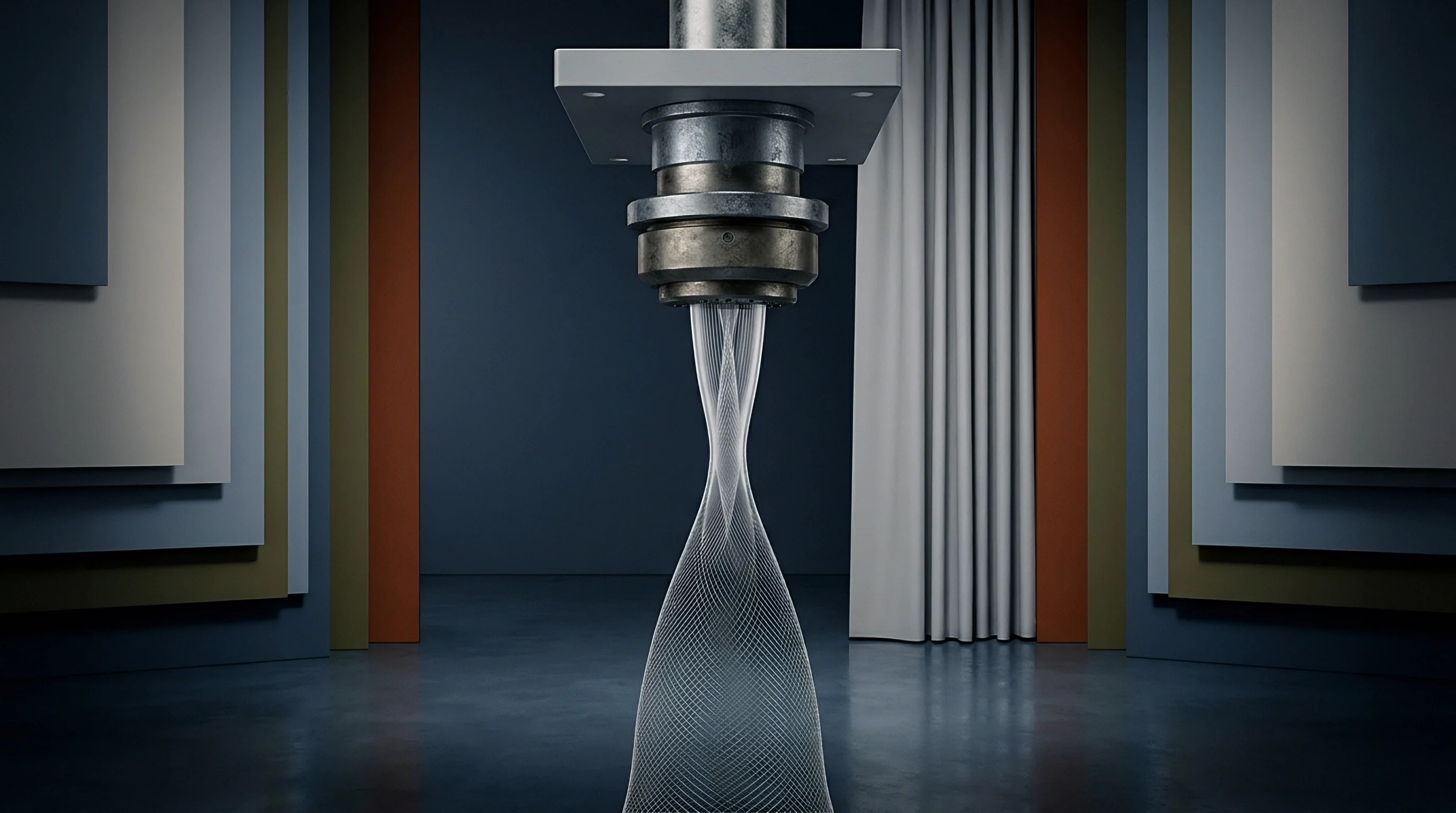
Widening the venturi nozzle gap lowers localized fluid velocity, reducing mechanical shear rates below critical emulsification breakdown limits. Increasing the liquor ratio from 1:6 to 1:10 dilutes the concentration of stripped spin finishes in the bath, lowering droplet collision frequency.
Mechanical Adjustments to Fluid Velocity
Jet dyeing equipment allows operators to tune pump rotation speed (measured in Hertz) and variable nozzle apertures. Reducing pump frequency from 50 Hz to 38 Hz decreases fluid flow volume while maintaining adequate fabric rope speed via reel drive synchronisation. This adjustment prevents excessive mechanical shear stress inside the nozzle without risking rope blockages or mechanical fabric chafing.
Pre-scouring greige fabric removes up to 95 percent of spin finishes before high temperature jet shear can break the emulsion.
Auxiliary Chemistry Selection Criteria
Chemical intervention requires high-temperature stable emulsifiers and polymeric dispersants that maintain activity above 130 degrees Celsius. Anionic dispersants, such as naphthalenesulfonate formaldehyde condensates, impart negative electrostatic charges to free oil droplets. This charge creates electrostatic repulsion, preventing droplet coalescence even when thermal conditions cloud out non-ionic surfactants.
Executing an effective pre-scour routine minimizes downstream jet defects:
- Sample incoming greige fabric for Soxhlet dichloromethane extraction to quantify total non-aqueous content before batching.
- Pre-scour high-risk polyester knits at 80 degrees Celsius using a high-cloud-point non-ionic detergent combined with soda ash.
- Select a venturi nozzle diameter that maintains liquor velocity below 250 metres per minute for sensitive microfiber constructions.
- Inject high-temperature emulsifying agents capable of maintaining emulsion integrity at 135 degrees Celsius throughout the hold time.
- Drain dyebath at temperatures above 85 degrees Celsius to prevent re-emulsified lubricants from redepositing during cooling cycles.

Worked Jet Parameter Tuning
Consider a 500-kilogram batch of 70-denier polyester microfiber jersey processed in a single-tube high-temperature jet vessel with a 1:8 liquor ratio (total bath volume of 4,000 litres). The greige fabric carries 1.2 percent on weight of fabric (o.w.f.) mineral-based texturing oil, representing 6.0 kilograms of total lubricant entering the vessel.
Operating a standard 55-millimeter nozzle at full pump output yields a liquor flow rate of 480 litres per minute, resulting in a throat velocity (v) of 3.36 metres per second and a calculated shear rate (dotγ) of 6.8 × 10⁴ s-1. Under these conditions without pre-scouring, emulsifier breakdown occurs at 118 degrees Celsius, producing significant oil redeposition.
Installing a 75-millimeter nozzle increases the cross-sectional throat area from 2,376 square millimeters to 4,418 square millimeters. At the same volumetric pump flow rate, fluid velocity through the throat drops to 1.81 metres per second, reducing localized shear rate to 2.4 × 10⁴ s-1. This lower shear rate remains below the mechanical breakdown threshold of high-temperature bath dispersants, suppressing oil droplet coalescence throughout the 45-minute hold time at 130 degrees Celsius.
| Nozzle Size (mm) | Liquor Flow Rate (L/min) | Throat Velocity (m/s) | Calculated Shear Rate (s⁻¹) | Emulsion Breakdown Risk |
|---|---|---|---|---|
| 50 | 500 | 4.24 | 8.5 x 10⁴ | Severe Oil Coalescence |
| 60 | 450 | 2.65 | 5.3 x 10⁴ | Moderate Defect Risk |
| 70 | 400 | 1.73 | 3.4 x 10⁴ | Low Defect Risk |
| 80 | 350 | 1.16 | 2.1 x 10⁴ | Negligible Shear Impact |
| Calculations based on dynamic viscosity of water at 130 degrees Celsius (0.22 cP) and circular nozzle cross-sections. | ||||
Inserting a mandatory greige extractable tolerance clause into purchase agreements shifts financial responsibility for oil spotting back to the knitting mill.
Audit
Verification protocols at commercial mills ensure that both fabric grey state and wet processing settings match quality standards. Sourcing practices must enforce technical compliance before greige lots enter high-temperature dyeing vessels. Establishing clear boundary metrics prevents high-shear emulsification failures during production runs.
Specifying maximum allowable oil content on raw yarn or knit goods forces yarn spinners and knitters to utilize scours or lower finish add-on levels, reducing overall chemical load. Dyehouse audits verify machine configurations, nozzle inventories, and auxiliary dosing systems against approved manufacturing dossiers.
Sourcing Specifications for Greige Lubricant Limits
Purchase contracts for synthetic knits and wovens require strict chemical specifications. Greige fabric containing excess coning oil demands mandatory aqueous pre-scouring, increasing processing costs by approximately 0.12 to 0.22 USD per finished metre depending on utility rates and batch cycle times.
| Fabric Type | Yarn Composition | Max Solvent Extractable (% o.w.f.) | Mandatory Pre-Scour Requirement |
|---|---|---|---|
| Circular Knit Jersey | 100% Textured Polyester | 0.80 | Required above 0.50% |
| Warp Knit Tricot | Polyamide / Elastane | 0.60 | Required above 0.40% |
| Microfiber Interlock | Polyester Micro-Denier | 0.45 | Mandatory for all lots |
| Woven Water-Jet Fabric | Filament Polyester | 0.30 | Optional if jet velocity |
Dyehouse Qualification Protocol
Qualifying a wet-processing mill involves auditing physical equipment and quality control lab capabilities. Technicians evaluate whether the facility monitors nozzle diameters, pump frequencies, and bath chemical stability at 130 degrees Celsius. Standard operating procedures must detail clear protocols for cleaning oligomer and oil residues from jet vessel internal walls using heavy-duty caustic soda and sodium hydrosulfite boil-outs.
Establishing rigorous incoming greige standards alongside continuous monitoring of jet nozzle flow rates eliminates lubricant spotting risks before fabric enters high temperature dyeing.