Residue Quantification
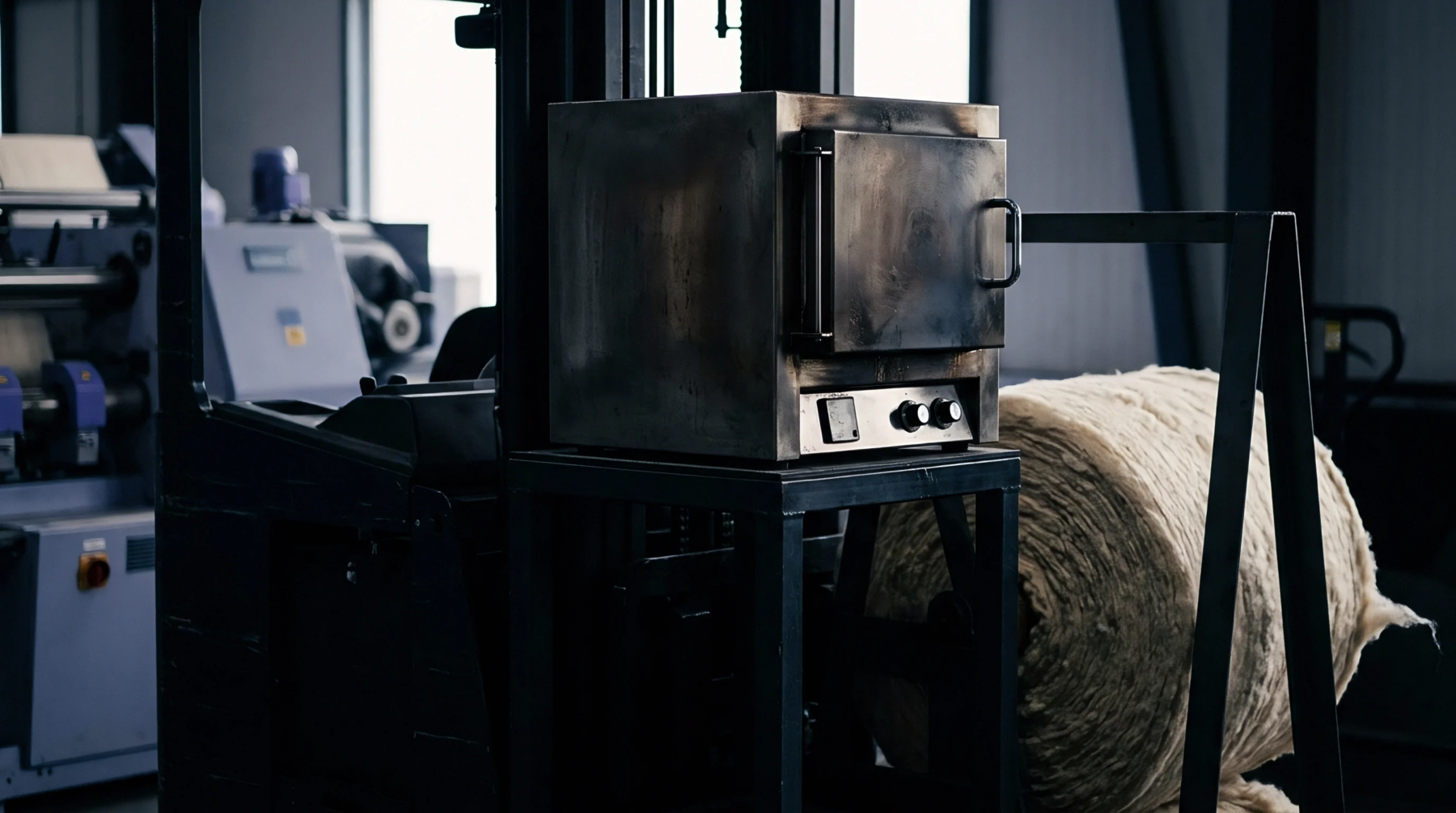
Quantitative extraction of non-polar soluble matter from textile materials measures the total content of waxy and oily substances present on fibres or fabrics. Laboratory solvents like dichloromethane or petroleum ether dissolve residual processing lubricants, spinning oils, natural waxes, and synthetic finishing agents from the specimen. The measurement of solvent extractables provides essential verification of scouring efficiency and fabric cleanliness prior to dyeing or printing operations.
Excess organic residue impairs dye levelness and causes undesirable odours in finished soft goods.
Soxhlet Extraction
Refluxing condensed organic solvent through a porous thimble containing the test sample repeatedly washes out soluble matter over multiple cycles. Heating the distillation flask vaporizes the solvent, which condenses and fills the extraction chamber until siphon action discharges the dissolved fats back into the flask. Distilling off the solvent leaves the dried non-volatile residue for gravimetric weighing.
Finishing Evaluation
Evaluating residual extractable matter helps mills determine if scouring removed sufficient raw grease or knitting lubricants. Inadequate extraction levels indicate clogged washing ranges or insufficient detergent dosing. High residual lubricant concentrations cause needle smoking during sewing and cause spotty dye uptake during package dyeing.
Specification Enforcement
Buyer specifications define strict maximum percentages for extractable matter on yarn packages and finished piece goods. Laboratory test reports verify compliance before technical textiles proceed to coating or laminating steps. Lots exceeding allowable extractable limits require re-scouring to prevent lamination failure in final products.