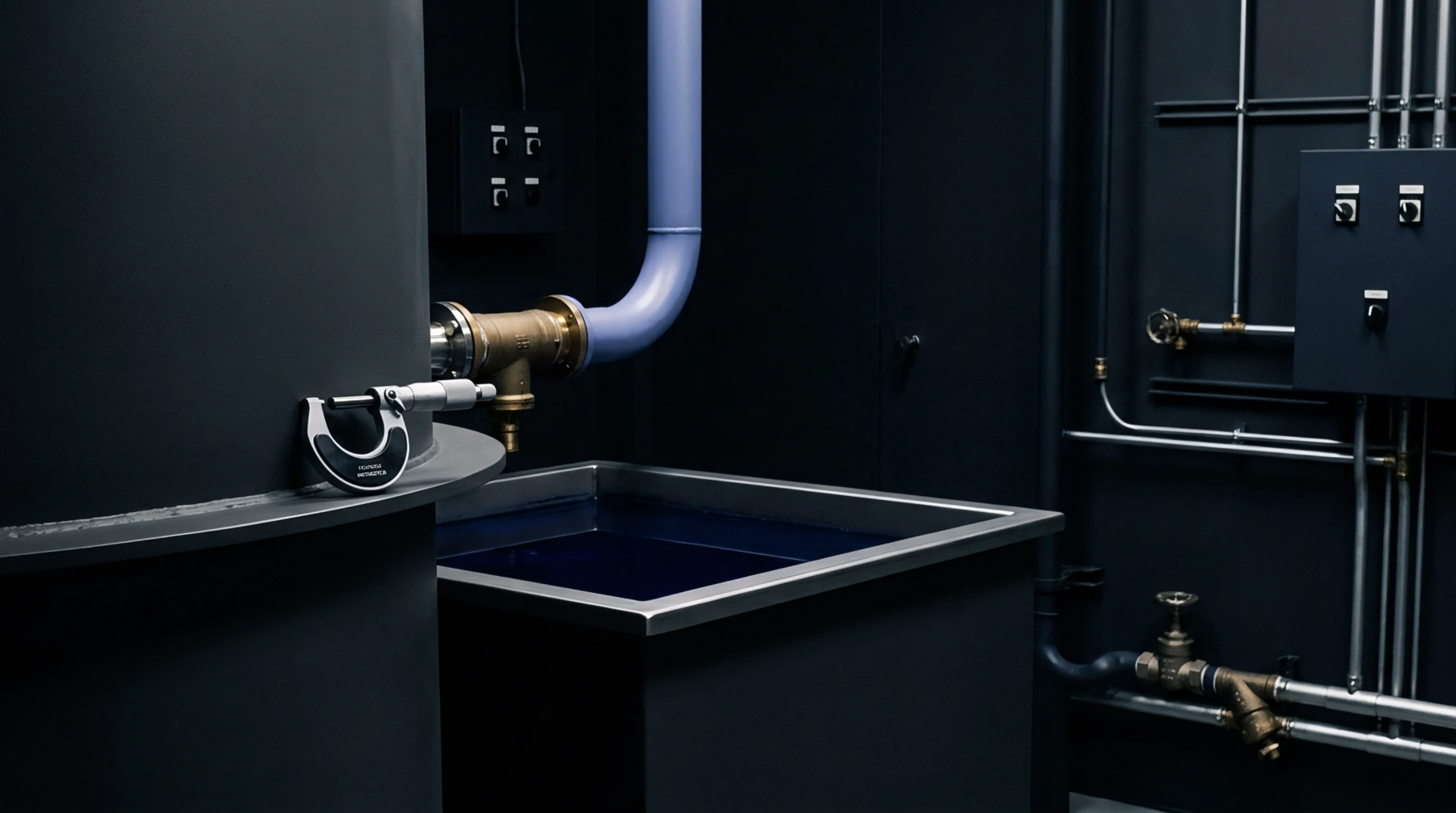
Dyehouse Vessel Hydraulics and Dye Lot Conversion Schedule Reconciliation
Dye lot conversion schedule reconciliation requires matching greige bulk density and nozzle hydraulics to vessel capacity, preventing pump cavitation and shade drift.
Pressure based batch processing enables modern mills to dye synthetic fibres like polyester with great efficiency by operating at temperatures well above the normal boiling point of water. Utilizing high temperature jet dyeing allows the textile strands to open their molecular structure, creating space for large colorant molecules to migrate deep into the core of the filament. This technique involves placing fabric ropes into a toroidal vessel where they are propelled by a high-velocity stream of dye liquor through a focused nozzle system.
By maintaining internal pressures around three bar, the equipment can safely achieve temperatures of one hundred and thirty degrees celsius without the water turning into steam. This creates the optimal kinetic environment for fast dye uptake and high exhaustion rates, which minimizes the quantity of expensive pigment left in the effluent. The closed design of the vessel ensures that thermal energy is recycled internally, reducing the overall utility footprint per kilogram of cloth processed.
Moving the fabric smoothly through the narrow nozzles depends on the force of the liquor being greater than the resistance of the folded fabric inside the machine. In high temperature jet dyeing, the liquor performs the dual role of chemical carrier and physical transport medium, eliminating the need for aggressive mechanical winches that could snag delicate materials. This gentle propulsion relies on high volume centrifugal pumps that maintain a steady stream of fluid even when the fabric becomes heavy after absorbing moisture.
Successful operation hinges on avoiding knots or blockages at the entry point of the nozzle which can stop the fabric movement while the hot liquid continues to pour in one spot. Technicians monitor this flow carefully as any interruption at extreme temperatures can lead to permanent creases or uneven color spots on the final garment. Advanced sensors now use infrared trackers to monitor fabric speed and adjust the hydraulic pressure automatically to prevent these common manufacturing defects.
Executing a successful cycle requires a carefully planned temperature ramp that prevents thermal shock and allows the dye molecules to arrive at the fibre surface at a manageable rate. During the typical high temperature jet dyeing procedure, the liquor is heated at a rate of one to two degrees per minute until the target threshold is reached at the top of the curve. Once established, this plateau is maintained for thirty to sixty minutes depending on the desired color depth and the thickness of the substrate being treated.
This dwell period allows the small particles of polyester to bond permanently with the dye through secondary chemical forces that become active only under intense heat. After the hold phase, a gradual cooling cycle returns the fabric to ambient levels, effectively locking the color inside the filament before the kier is opened to the atmosphere. This precision in timing ensures that every square meter of cloth from the start of the rope to the finish matches perfectly in tone.
Ensuring the longevity of the stainless steel vessel requires managing the chemical properties of the bath to avoid corrosion at high thermal energy levels. Because every high temperature jet dyeing machine operates under significant internal force, maintaining the health of the pressure seals and mechanical relief valves is a standard part of daily safety checks. Mills that utilize these powerful systems must also implement filtration steps to catch the loose lint that can build up inside the heat exchangers and lower the heating efficiency over time.
Regular descale routines remove mineral deposits that might otherwise enter the bath and alter the sensitive ph balance required for specific dye ranges. These maintenance efforts guarantee that the machine remains a productive asset capable of delivering high quality results for thousands of cycles without unplanned downtime. Robust machine health remains the primary driver of profitability in a sector where turnaround speed is the main competitive advantage.
Dye lot conversion schedule reconciliation requires matching greige bulk density and nozzle hydraulics to vessel capacity, preventing pump cavitation and shade drift.
Expertise is a utility, not a secret. sentiention™ publishes its working knowledge as open reference: intelligence layer covering the materials it sources, the markets it enters, and the reference that serves both.