Velocity Gradient
Velocity gradients in a moving fluid describe the speed at which adjacent layers of liquid move past each other during the mixing of textile chemicals. Technicians define the shear rate as the velocity of the fluid divided by the gap through which it flows. This value is expressed in reciprocal seconds and directly affects the viscosity of non-Newtonian substances like printing gums.
Mathematical Basis
Calculating the force required for pumping depends on knowing the resistance of the fluid. Higher speeds through narrow pipes increase the mechanical stress on the polymer chains.
Extreme Stress
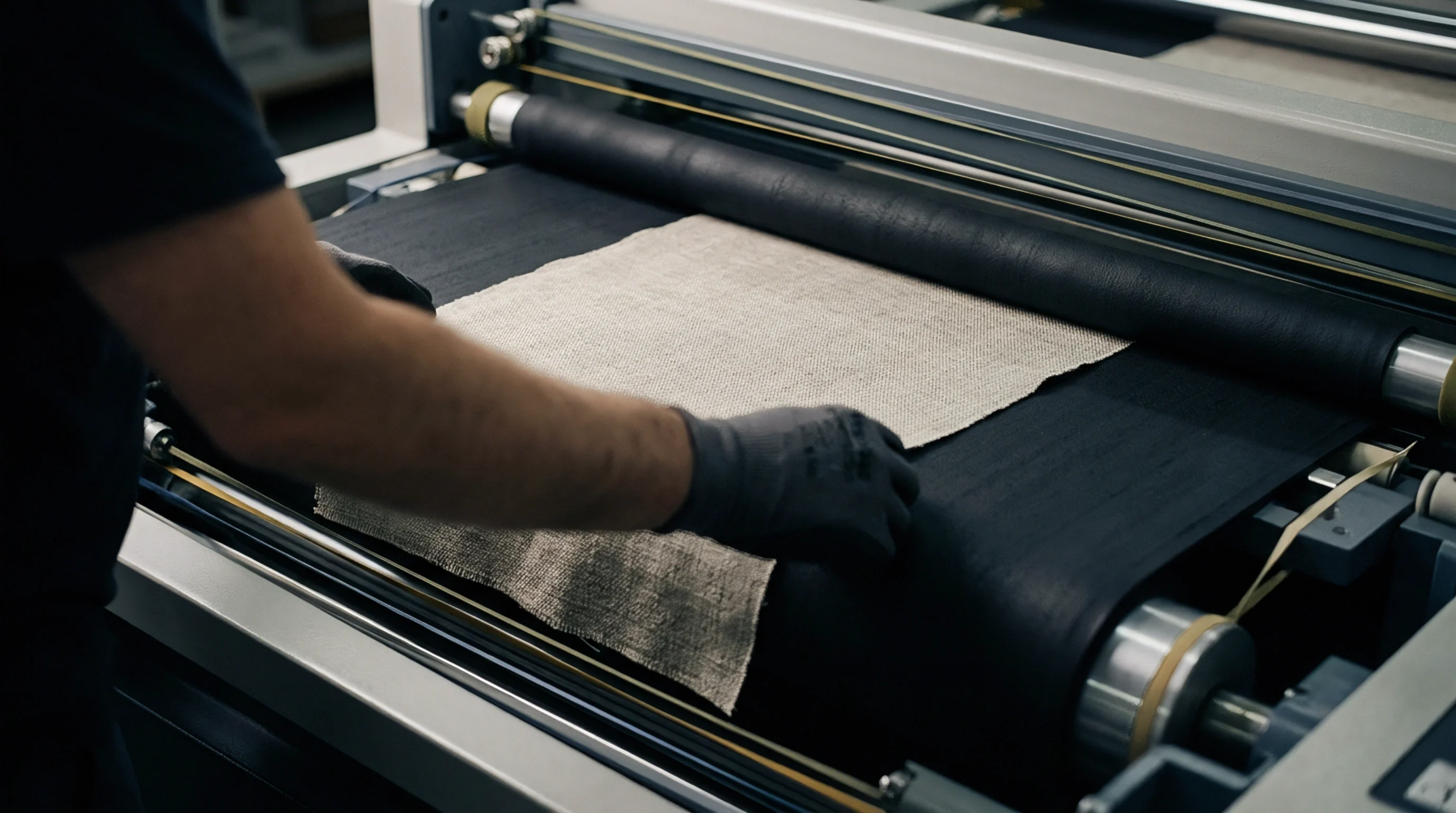
Extreme shear rate conditions exist when a coating is squeezed between a roller and a fabric web or forced through a narrow jet. These forces can break down the molecular structure of certain thickeners, changing the hand-feel of the finished cloth. Engineers must account for these forces when designing pumps and piping systems to avoid permanent degradation of the chemicals.
Mixing blades are also designed to limit these gradients to prevent overheating the chemical batch.
Lab Verification
Viscometers measure how a substance reacts to a varying shear rate to create a flow curve. Understanding this relationship is necessary for scaling up a formulation from a small lab beaker to a large production vat.