
Evaluating Thermodynamic Sorption Isotherms for Polyester Regenerated Cellulose Yarns
Dynamic vapour sorption isotherms quantify non-linear moisture uptake in polyester-cellulosic yarns, dictating precise mass corrections and tariff liabilities.
Dynamic vapour sorption isotherms quantify non-linear moisture uptake in polyester-cellulosic yarns, dictating precise mass corrections and tariff liabilities.

Greige moisture shifts plasticization kinetics, forcing biaxial stenter adjustments to prevent differential shrinkage and cross-web yield collapse.

Controlled positive stenter overfeed above three percent neutralizes high-speed loom decrimping to lock finished pick density and prevent wash shrinkage.

Dynamic vapor sorption hysteresis loop area directly predicts long term polyurethane laminate delamination by measuring trapped interfacial moisture clustering.
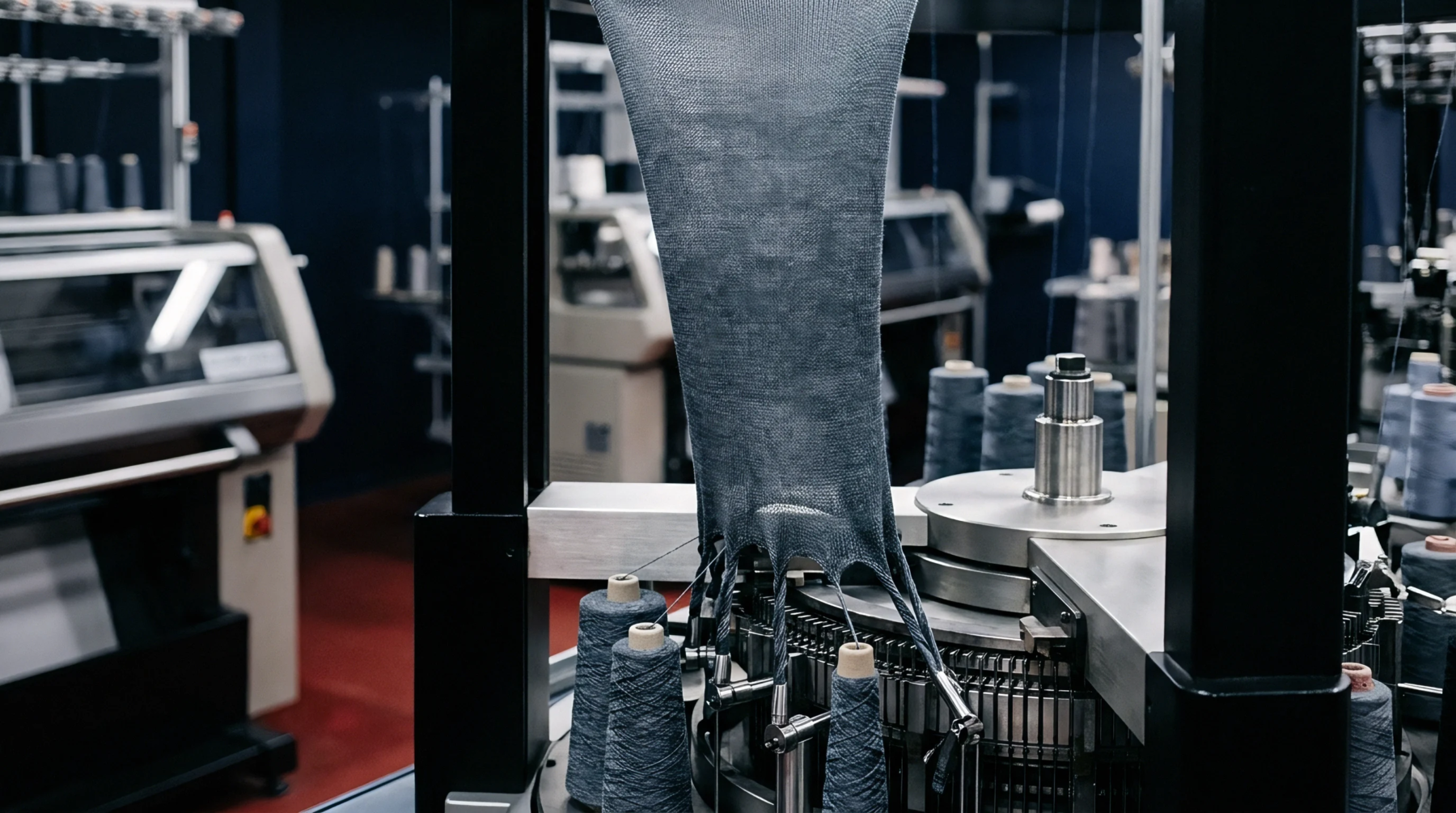
Thermodynamic sorption isotherms control regenerated cellulosic yarn shrinkage by plasticizing amorphous domains, triggering anisotropic radial swelling and entropic stress relaxation.

Dynamic moisture sorption hysteresis shifts blended fabric commercial weights up to three percent depending on preconditioning history and transit humidity.

Controlled depressurization below 1 MPa per minute prevents cavitation and mass loss during elevated pressure extraction of polyurea elastomer matrix finishes.
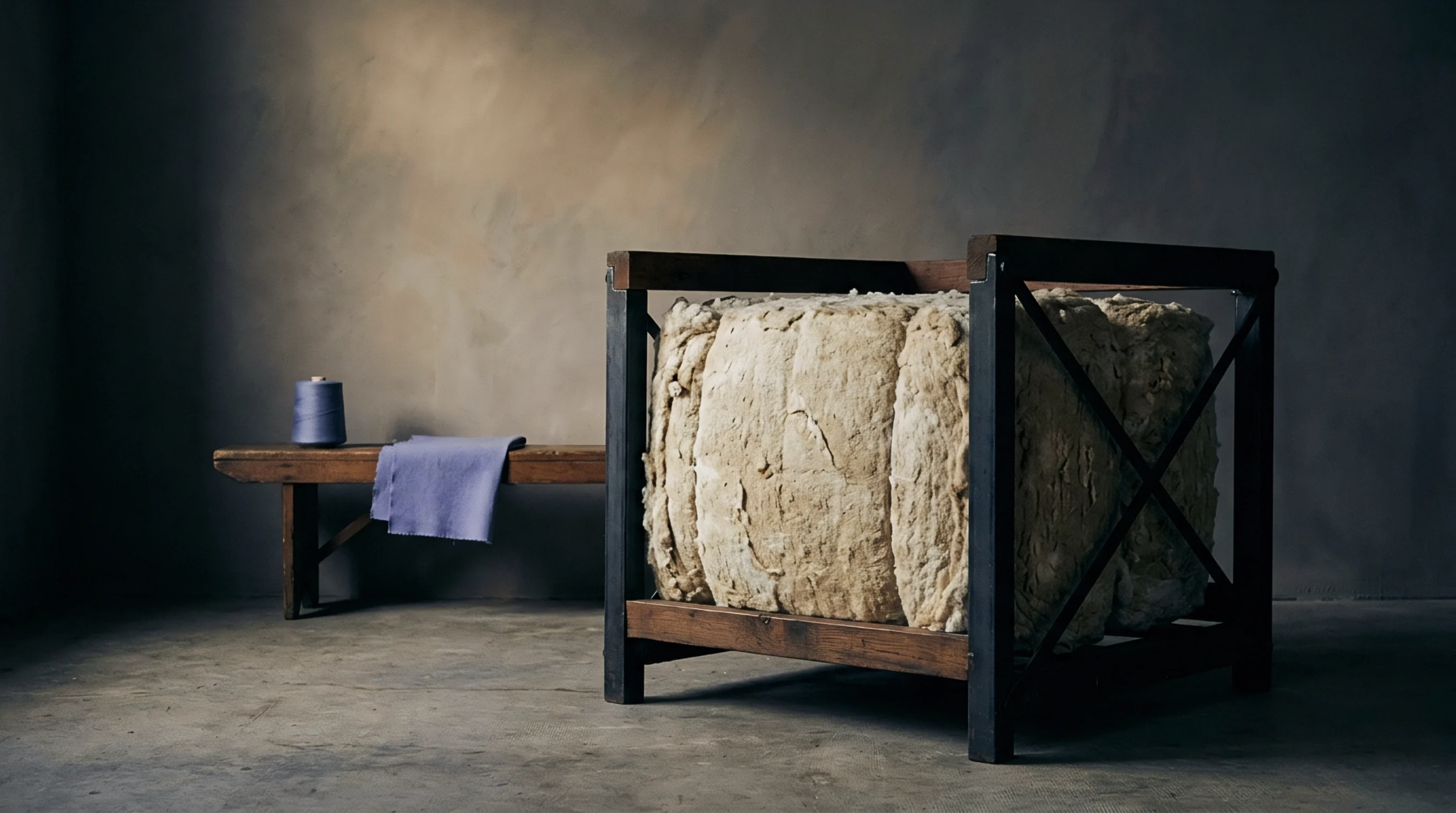
Predictive modeling of inter-yarn friction decay under steam enables precise line overfeed synchronization to lock finished dimensional stability and yield.
Expertise is a utility, not a secret. sentiention™ publishes its working knowledge as open reference: intelligence layer covering the materials it sources, the markets it enters, and the reference that serves both.