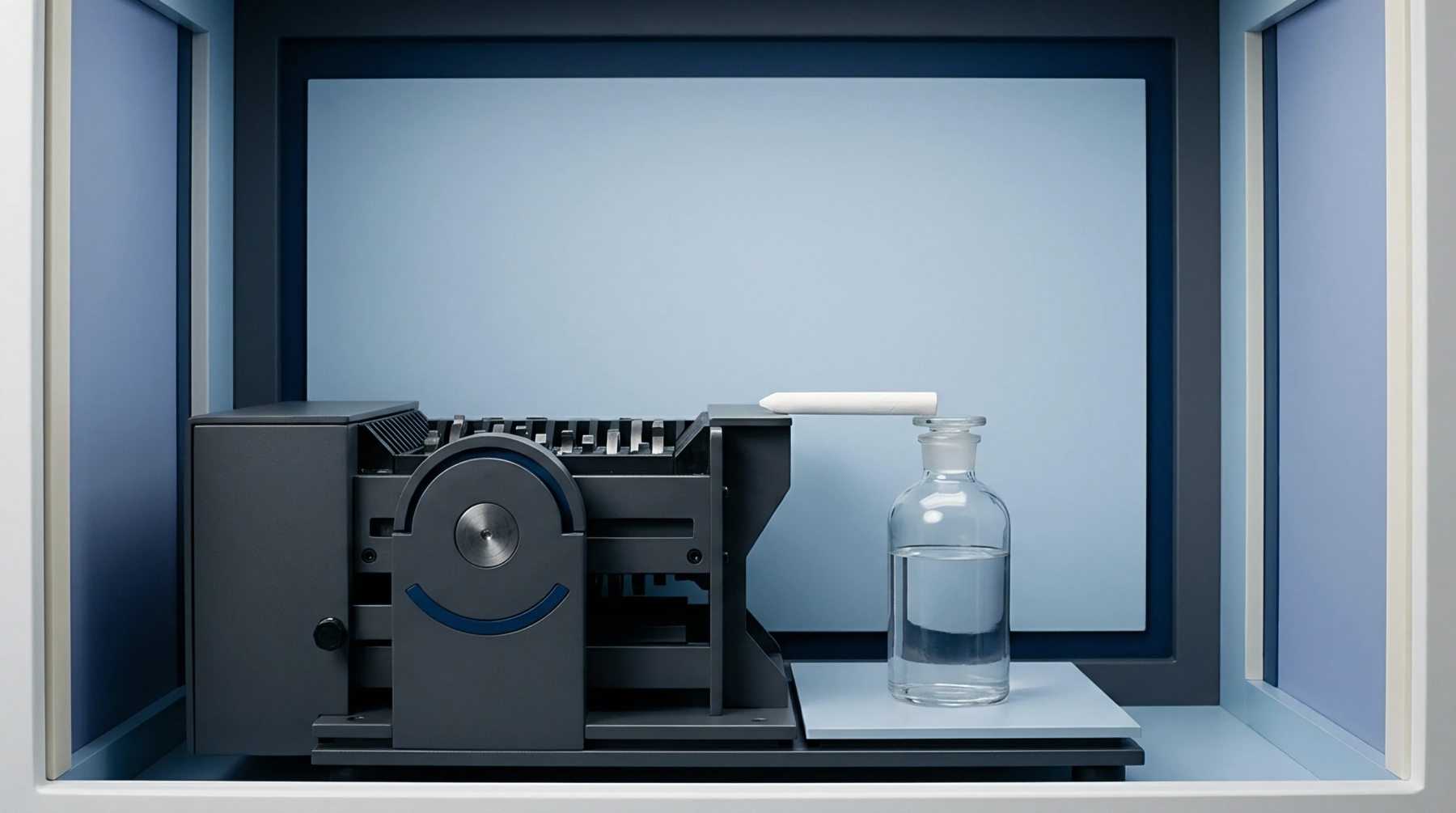
Filtration Structure
Polymeric semipermeable barriers separate dissolved solutes from industrial process streams through selective pore size exclusion and diffusive transport mechanisms. Modern textile wastewater recovery plants utilize the dialyzer membrane to extract caustic soda, dye residues and dissolved salts from effluent discharge prior to recirculation. The physical scope of this filtration media covers synthetic hollow fiber bundles, operating up to designated pressure limits without structural distortion.
Permeability Mechanism
Molecular weight cut-off values determine which chemical compounds pass through the membrane pores into the permeate stream. Polysulfone, polyether sulfone or regenerated cellulose polymers form asymmetric physical walls with dense active layers supported by porous substrate structures. High molecular weight dye aggregates, suspended size agents and lint particles remain in the retentate stream, while water molecules and small inorganic ions pass across the barrier.
Cross-flow velocity prevents rapid accumulation of solids on the active surface, maintaining uniform flux rates during continuous operation. Transmembrane pressure adjustments compensate for gradual boundary layer concentration changes during extended filtration runs.
Fouling Resistance
Surface modification techniques reduce organic adhesion to the polymer matrix. Hydrophilic polymer coatings prevent hydrophobic dye molecules from adsorbing onto internal pore surfaces, maintaining hydraulic throughput over multiple washing cycles.
Separation Boundary
Chemical compatibility limits define the operational life of synthetic polymer membranes exposed to aggressive textile processing chemicals. Prolonged exposure to concentrated alkali baths or strong oxidizers degrades the polymer backbone, causing pore enlargement and loss of solute selectivity. A dialyzer membrane stops functioning effectively when pore degradation permits target contaminants to bypass the filtration wall into recycled wash water.