Contaminated Lint
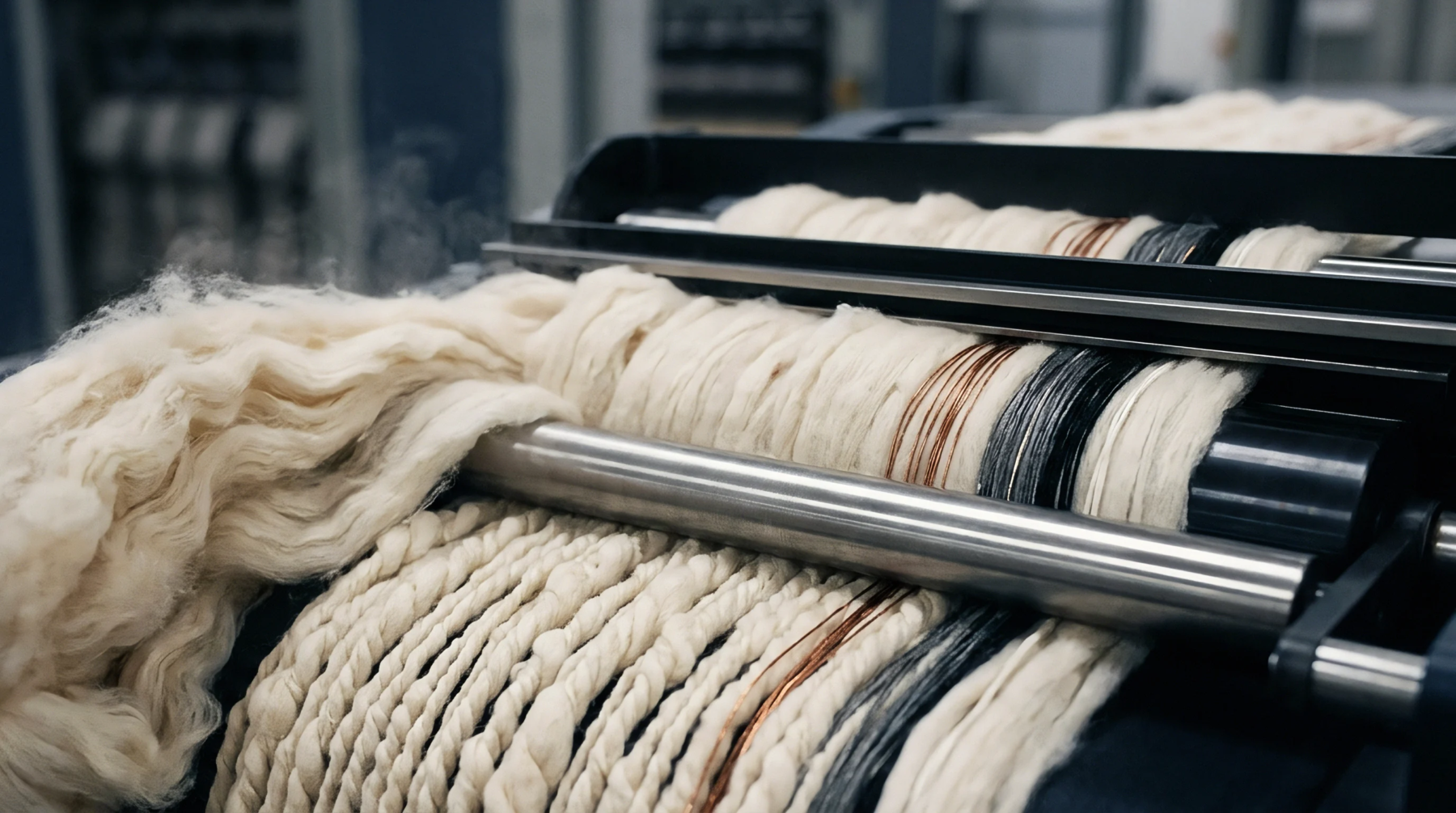
Raw cotton bales contaminated with honeydew excretions or elevated physiological carbohydrates disrupt high-speed spinning operations. Processing sticky cotton releases tacky deposits that adhere to metallic card clothing and drafting rollers. The condition reduces yarn production efficiency and increases end breaks across ring and open-end spinning lines.
Scope covers raw cotton lint classification from ginning through mechanical yarn formation.
Adhesion Mechanism
Frictional heat generated during carding and drafting softens sugar deposits on individual fibre surfaces. When processing sticky cotton, low-melting-point sugars such as trehalulose absorb ambient moisture and form adhesive films on machine parts. Droplet transfers occur continuously, accumulating into thick layers that catch trailing fibres and break the carding web.
Spinning Disruption
Residue buildup on drafting rollers causes sliver laps, uneven drafting and frequent yarn breaks during ring spinning. Processing sticky cotton forces spinning mills to reduce machine operating speeds, increase operator cleaning intervals and lower room relative humidity to suppress sugar tackiness. Rotor spinning operations suffer from deposit accumulation inside rotor grooves, altering yarn twist insertion and causing periodic thin spots.
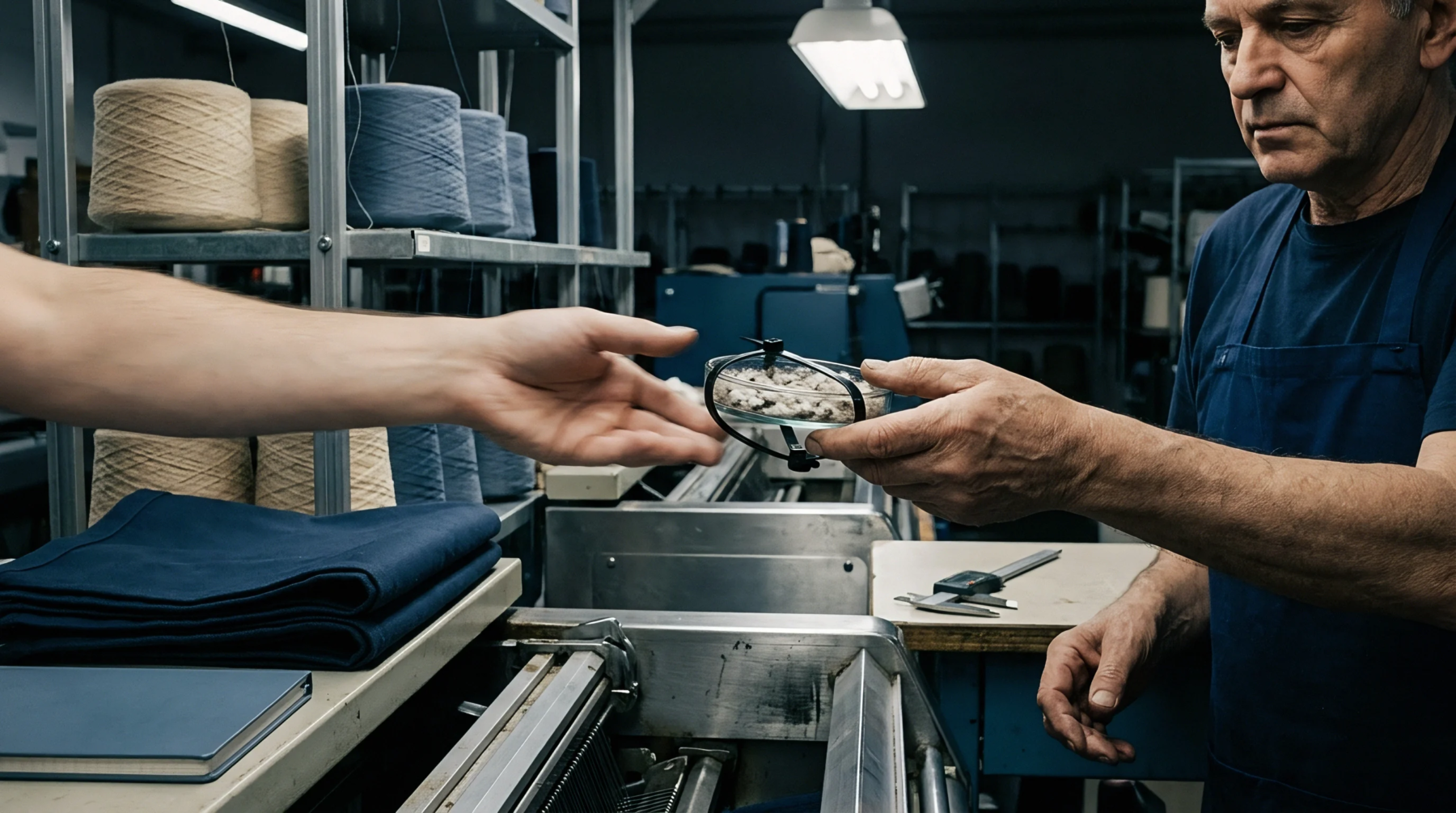
Commercial contracts apply price discounts or reject shipments when thermomechanical testing reveals stickiness levels above acceptable mill thresholds.
Mitigation Protocol
Mill management mitigates contamination risk through systematic laydown blending and chemical overspraying. Handling sticky cotton requires blending high-count sticky bales with clean lint to dilute sugar concentration below critical machine tolerance limits. Enzymatic sprays or anti-tack additives applied at the opening line help neutralize surface sugars before carding.