Physical Property
The tendency of a material surface to adhere to another object upon contact is a measurable characteristic that influences fibre handling. Surface tackiness in textiles often arises from the presence of natural waxes or biological sugars applied during processing. This property determines the frictional resistance encountered by the material as it moves through various machine components.
Influence Factor
Ambient temperature and humidity levels significantly alter the intensity of the bond formed between the fibre and the contact surface. When surface tackiness increases, the likelihood of fibres clinging to the drafting rollers or metal guides also rises. Control of the factory environment is the primary method for managing this effect during bulk production.
Testing Application
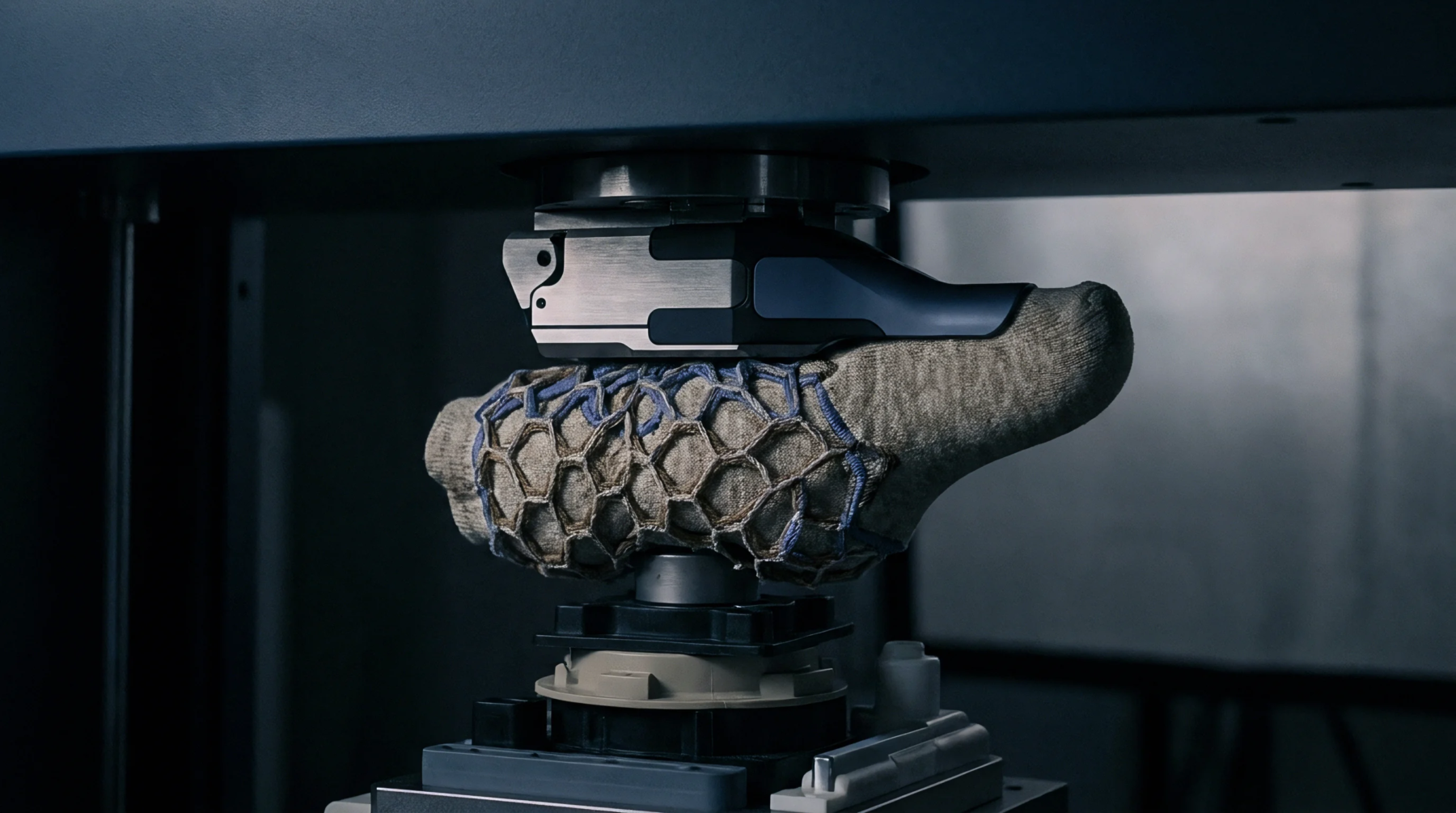
Mechanical tests quantify this behavior by measuring the force needed to pull a standardized probe away from the specimen. In the context of cotton processing, surface tackiness is often linked to the presence of entomological honeydew which becomes more viscous under the heat of friction. Measuring this force helps in selecting the appropriate lubricants or cot materials for the spinning frame.
A reduction in these adhesive forces directly improves the efficiency of the drafting process and minimizes the accumulation of lint on the machinery.
Material Finish
Chemical softeners or antistatic agents are frequently applied to modify the exterior characteristics of the yarn or fabric. These treatments are designed to reduce surface tackiness so that the textile can be easily unwound or cut during garment assembly. Proper dosage is required to avoid making the material too slippery for stable package formation.