Hydrocarbon Substance
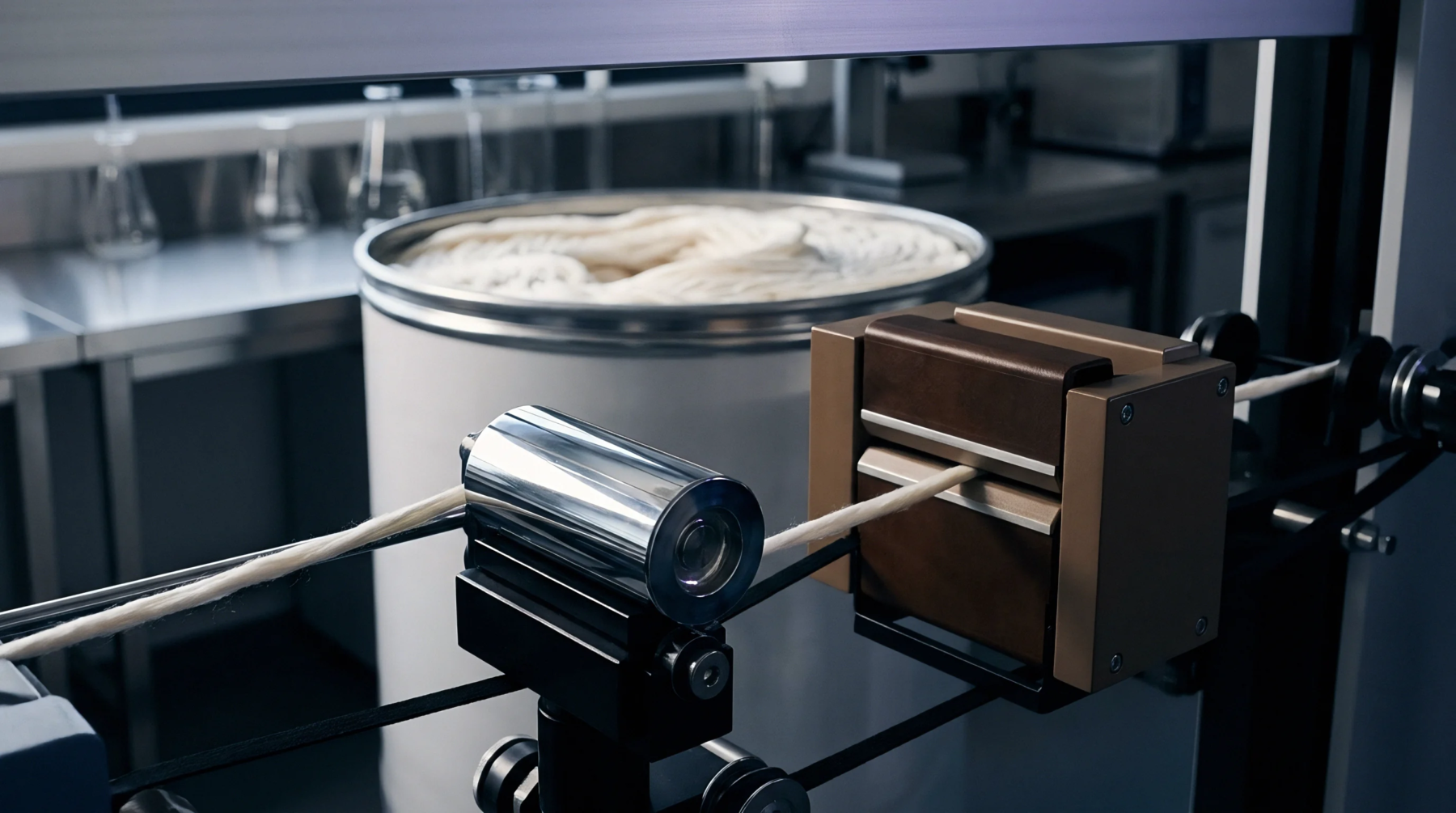
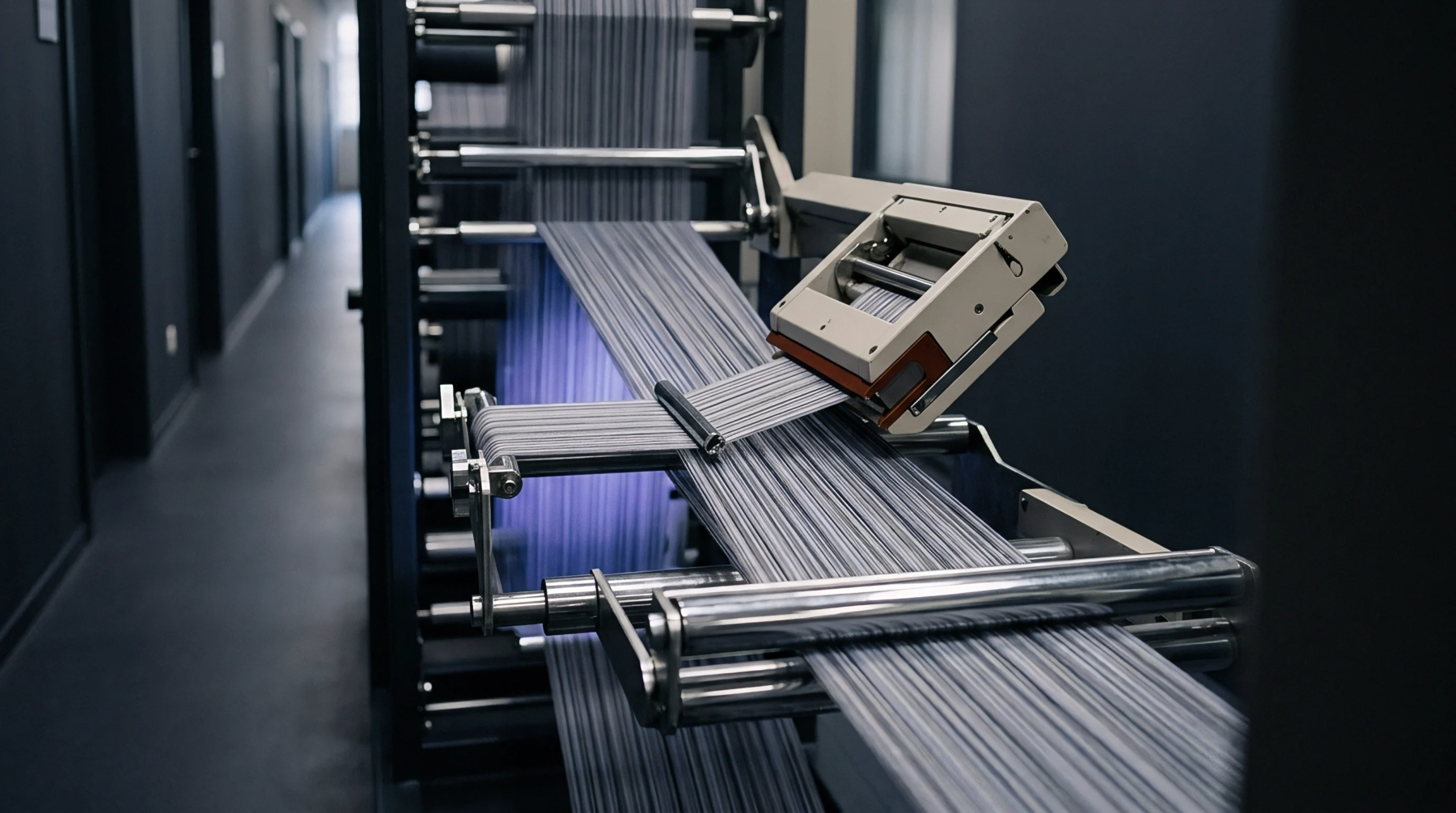
Waxy solids derived from petroleum provide lubrication and water resistance to yarns and fabrics during the manufacturing process. The use of paraffin wax in the spinning process reduces friction as the fiber moves through the knitting or weaving machinery. This prevents yarn breakage and improves the efficiency of high speed equipment which reduces the cost of the final textile.
Yarn Lubrication
Small amounts of the substance are applied to the surface of the thread during the winding stage to create a smooth finish. When a mill uses paraffin wax, it helps the yarn slide through needles without snagging or generating excessive static electricity. This treatment is temporary and is usually removed during the scouring process before the fabric is dyed to ensure even color uptake.
Water Repellency
Heavier applications of the material can create a permanent barrier on industrial fabrics like canvas used for bags or covers. The molecules of paraffin wax are naturally hydrophobic and prevent liquid water from soaking into the textile fibers even under light pressure. This makes it a cost effective choice for outdoor goods such as tents or protective covers for agricultural equipment.
Physical Barrier
Thick layers of the coating provide a shield against moisture while remaining flexible enough for folding.