Standardizing Split Sample Testing Protocols for Repeat Textile Shipments
Standardized split sample protocols reduce cross-border detention by harmonizing swatch cutting, conditioning, and interlaboratory variance thresholds.


Strand
Representative physical sampling of roll goods across consecutive production runs demands strict geometric and environmental controls. Sampling from fabric rolls requires removing damaged outer wraps before selecting test swatches. Moisture distorts fabric mass.
Physical properties shift when ambient conditions vary, which changes mass per unit area and tensile performance across repeat shipments.

Swatch Geometry and Cut Location
Sampling from fabric rolls requires removing damaged outer wraps before selecting test swatches. Technicians discard the first three full wraps of a textile roll to eliminate surface contamination and tension distortion incurred during winding. Specimen extraction occurs at least 150 millimeters inward from the selvage edge to avoid lateral density variations caused by pin stenter clamping during finishing.
For repeat shipments, cutting specimens diagonally across the fabric width according to ISO 5084 ensures that warp and weft yarns from different production positions enter the test batch.
Full-width swatches cut to a minimum longitudinal length of 1 meter supply sufficient surface area for parallel physical and chemical evaluations. Dyes migrate during transit. Dividing this master swatch into equal quadrant sections creates physical duplicates representing identical lot history.

Atmospheric Conditioning Rules
Textile physical properties shift when relative humidity and ambient temperature fluctuate on the mill floor. ISO 139 specifies standard conditioning atmospheres at 20 degrees Celsius with 2 degrees variance, and 65 percent relative humidity with 4 percent variance. Testing unconditioned swatches causes specimen weight drift, skewing mass-per-unit-area calculations under ISO 3801 by up to 3.5 percent in hygroscopic fibers like cotton or viscose.
Uncalibrated ovens alter weight values. Synthetic substrates like nylon or polyester exhibit less moisture regain but display severe dimensional shifts if tension relief conditioning is omitted prior to dimensional stability testing under ISO 6330.
Consistent physical specimen conditioning eliminates mass measurement errors caused by ambient humidity variations across repeat manufacturing lots.
Physical sampling failures in repeat shipment tracking stem from inconsistent mill execution during specimen extraction:
- Selvage Sampling Errors occurs when technicians harvest material within 50 millimeters of the fabric edge, capturing unrepresentative yarn packing densities and localized chemical finishing concentrations.
- Outer Wrap Selection involves cutting specimens from exposed roll surfaces that suffered atmospheric oxidation, mechanical abrasion, or localized moisture absorption during warehouse storage.
- Asymmetrical Specimen Geometry arises when swatches lack orthogonal alignment with warp and weft directions, altering tensile strength measurements under ISO 13934-1.
- Omission of Conditioning Period happens when laboratories bypass the mandatory 24-hour equilibration window, generating false failures for fabric mass and yarn count.
- Inadequate Lot Frequency occurs when testing relies on one swatch per ten rolls, missing dye lot transitions and finishing bath exhaust cycles within continuous bulk runs.
Dyeing houses often assert that variations in water mineral content across seasons account for colorfastness drops between repeat shipments.


Extraction
Chemical testing of repeat textile shipments frequently yields divergent results across accredited laboratories due to subtle variations in analytical preparation. Solvents degrade synthetic fibers. Extractable heavy metals, free formaldehyde, and restricted phthalates bind to textile substrates through complex ionic or covalent bonds.
Temperature alters chemical recovery.

Solvent Matrices and Temperature Controls
Target analytes like alkylphenol ethoxylates and restricted phthalates bind differently within synthetic fiber matrices. ISO 1833-1 sets baseline parameters for fiber preparation, but chemical extraction for restricted substance lists requires targeted solvent systems. ISO 14362-1 governs azo dye cleavage into aromatic amines, specifying citrate buffer solutions at pH 6.0 maintained precisely at 70 degrees Celsius.
Deviations of 2 degrees during heating alter the reductive cleavage yield of carcinogenic amines like 4-aminobiphenyl or benzidine.
Extracting organotin compounds via EN ISO 22744-1 mandates derivatization with tetraethylborate. Solvents like tetrahydrofuran or methanol must achieve complete polymer swelling without fully dissolving elastomeric fibers. Cold solvents reduce phthalate yield.

Standardized Analytical Laboratory Sequence
Execution of split specimen testing follows a defined technical order to preserve chemical integrity across paired lots.
- Mill technicians harvest a 2-meter full-width master swatch from the center of a designated production lot.
- Operators cut the master swatch into four identical specimens using clean, solvent-washed stainless steel shears.
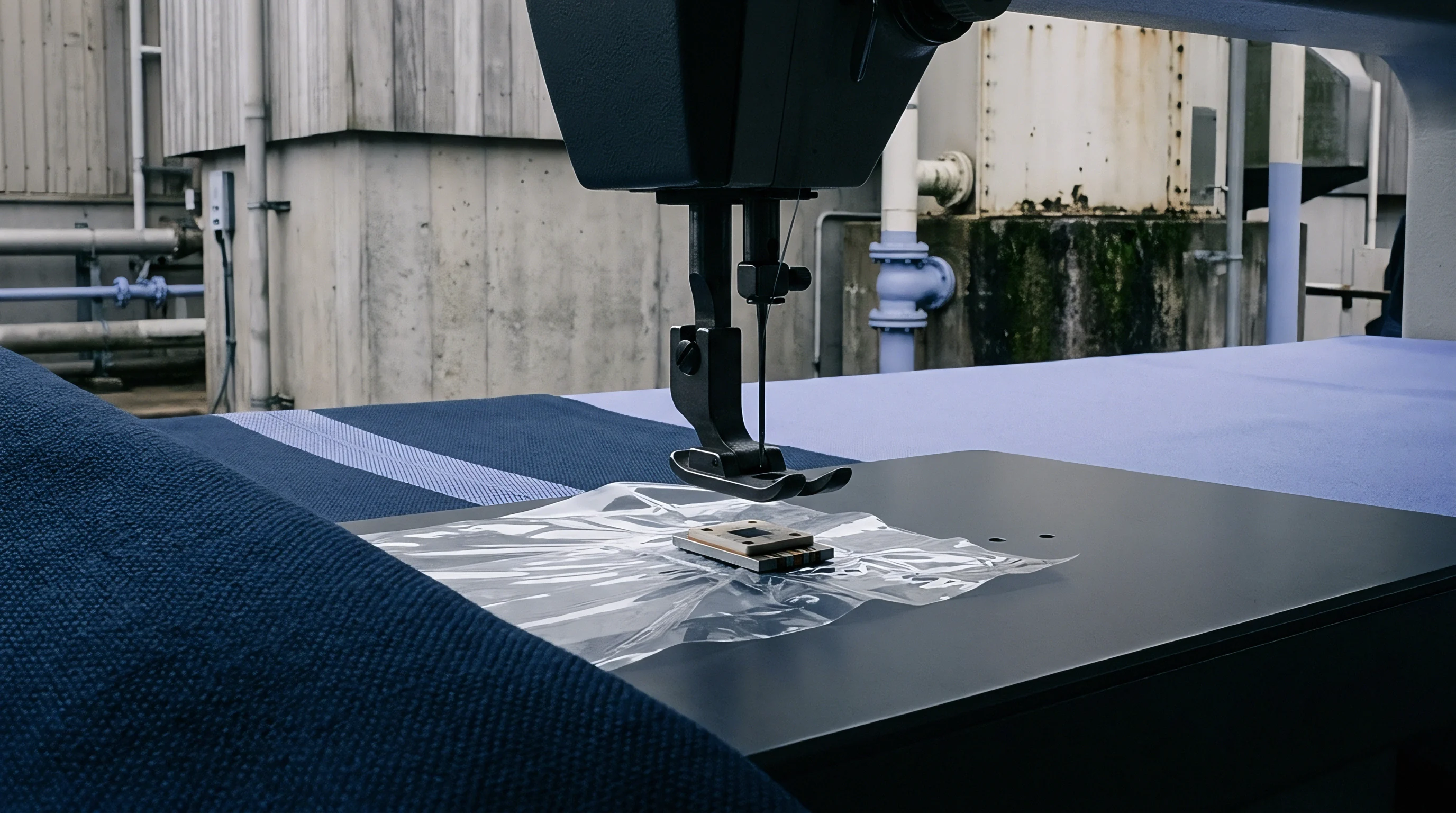
- Technicians place each specimen into an airtight, fluorinated ethylene propylene lined aluminum pouch to prevent volatile organic loss.
- Operators apply tamper-evident serial security seals across pouch closures before routing specimens to separate laboratories.
- Receiving laboratories record seal integrity, unseal pouches under nitrogen atmosphere, and record initial specimen weight under ISO 139 conditions.
- Laboratory analysts execute parallel solvent extraction, chromatographic separation, and mass spectrometry analysis according to standardized testing protocols.
Quantifying extractable metals under EN 16711-2 involves artificial acidic sweat solutions maintained at 37 degrees Celsius. Dyes leach under alkaline conditions. Small shifts in extraction fluid pH skew heavy metal dissolution figures, generating false positives for lead, cadmium, or chromium VI in repeat shipments.
| Target Analyte | Standard Test Method | Extraction Solvent Matrix | Target Temp (C) | Lab Variance Limit |
|---|---|---|---|---|
| Azo Aromatic Amines | EN ISO 14362-1 | Citrate Buffer (pH 6.0) / Ether | 70 | +/- 15% |
| Extractable Heavy Metals | EN 16711-2 | Acidic Synthetic Sweat (pH 5.5) | 37 | +/- 12% |
| Restricted Phthalates | EN ISO 14389 | Tetrahydrofuran / n-Hexane | 60 | +/- 18% |
| Organotin Compounds | EN ISO 22744-1 | Methanol / Ethanol Buffer | 50 | +/- 20% |
| Free Formaldehyde | ISO 14184-1 | Deionized Water Matrix | 40 | +/- 10% |
| Methods note: Interlaboratory variance limits represent acceptable relative standard deviation across ISO 17025 accredited facilities. | ||||
Improper solvent selection during pre-shipment screening leads to unexpected container rejections at import destinations and severe financial penalties.


Band
Setting pass or fail boundaries for repeat bulk orders involves applying statistical decision rules to account for test instrument error. Band limits define acceptable operational noise. Zero tolerance invites systemic dispute.
Without guardbanding, routine analytical variability turns compliant shipments into commercial disputes.
Measurement Uncertainty Budgeting
Every analytical test result carries an associated numerical margin reflecting laboratory expanded uncertainty. Standard ISO/IEC 17025 mandates that accredited facilities calculate expanded measurement uncertainty using a coverage factor of k=2, corresponding to a 95 percent confidence interval. In phthalate quantification via gas chromatography mass spectrometry, an expanded uncertainty of 15 percent means a reported value of 850 milligrams per kilogram actually sits between 722 and 978 milligrams per kilogram.
When buyer specifications mandate a ceiling of 1000 milligrams per kilogram, a reported figure of 920 milligrams per kilogram carries a finite probability of exceeding the regulatory threshold. Labs disagree on pH limits.
Statistical Guardband Calculations
Applying ISO 10576-1 guidelines creates a narrow acceptance window within upper regulatory limits. Calculating the guardband width involves multiplying the combined standard uncertainty by an acceptance factor chosen to control consumer risk. ILAC-G8 provides the industry framework for binary decision rules where guardbands reduce false acceptance risk below 2.5 percent.
Consider a repeat polyester woven shipment tested for extractable lead under EN 16711-2 with a buyer limit of 90 milligrams per kilogram. Assume the accredited testing laboratory operates with an expanded uncertainty of 12 percent at this concentration level. The absolute uncertainty equals 10.8 milligrams per kilogram.
Subtracting this expanded uncertainty from the 90 milligram ceiling establishes an operational upper acceptance limit of 79.2 milligrams per kilogram.
Assume the initial split sample returns a lead concentration of 84 milligrams per kilogram. The raw numerical result falls below the legal specification of 90 milligrams per kilogram. Applying the guardband shifts the result into the guardband zone.
Under strict ILAC-G8 non-binary decision rules, this batch cannot achieve an unqualified pass. The buyer rejects or re-tests the batch because the consumer risk of false acceptance exceeds 5 percent.
| Reported Value | Expanded Uncertainty | Upper Specification | Guardband Status | Compliance Decision |
|---|---|---|---|---|
| 72 mg/kg | +/- 8.6 mg/kg | 90 mg/kg | Below Acceptance Limit | Pass / Clear Release |
| 84 mg/kg | +/- 10.0 mg/kg | 90 mg/kg | Inside Guardband Zone | Conditional / Retest |
| 93 mg/kg | +/- 11.1 mg/kg | 90 mg/kg | Inside Guardband Zone | Conditional / Reject |
| 105 mg/kg | +/- 12.6 mg/kg | 90 mg/kg | Above Specification | Fail / Batch Rejection |
Statistical guardbanding protects textile buyers from accepting non-compliant shipments that fall within laboratory measurement uncertainty zones.
Structuring guardband protocols requires evaluated decision parameters before releasing repeat production lots:
- Confidence Interval Selection mandates establishing a coverage factor that defines acceptable statistical risk for consumer exposure.
- Uncertainty Budget Audit requires reviewing the testing laboratory scope of accreditation to confirm reported analytical uncertainty values.
- Upper Specification Mapping matches regulatory limits across destination markets to select the most stringent threshold.
- Consumer Risk Limits sets the maximum allowable statistical probability of passing a non-compliant textile batch.
Standard purchase contracts incorporating ILAC-G8 clause 4.2 shift full compliance liability to the vendor whenever test results enter the guardband guard zone.

Split
Dividing a master lot sample into identical specimens ensures that buyer, supplier, and archive facilities test interchangeable substrate. Retests demand matching swatches. Physical partitioning protocols protect trade partners when initial screening generates ambiguous chemical counts.
Split samples protect trade margins.

Tamper Evident Custody Protocols
Chain of custody documentation protects sample identity from the moment of cutting through physical bench testing. Each split specimen receives an identical barcoded serial number linked to the specific master roll ID and batch lot number. Sealing specimens inside oxygen-impermeable, moisture-proof barrier bags prevents degradation during transit to third-party testing sites.
Storage conditions degrade organic finishes. Custody logs record ambient temperatures during transit and track every transfer of custody with timestamped electronic signatures.
Do Interlaboratory Method Variances Produce False Retest Failures?
Slight procedural deviations between testing facilities routinely create numerical gaps in restricted substance reporting. Interlaboratory comparisons governed by ISO 13528 show that variation in instrument calibration, column age, and reagent purity generates z-score spreads up to 2.0 between ISO 17025 accredited labs.
When lab A identifies 80 milligrams per kilogram of free formaldehyde via ISO 14184-1 and lab B identifies 110 milligrams per kilogram on the paired split specimen, method execution differences are usually responsible. Variance in water extraction bath agitation rates or spectrophotometer baseline calibration accounts for the 30 milligram delta. Umpire testing protocols resolve these discrepancies by submitting the third sealed archive split sample to a mutually agreed reference facility.
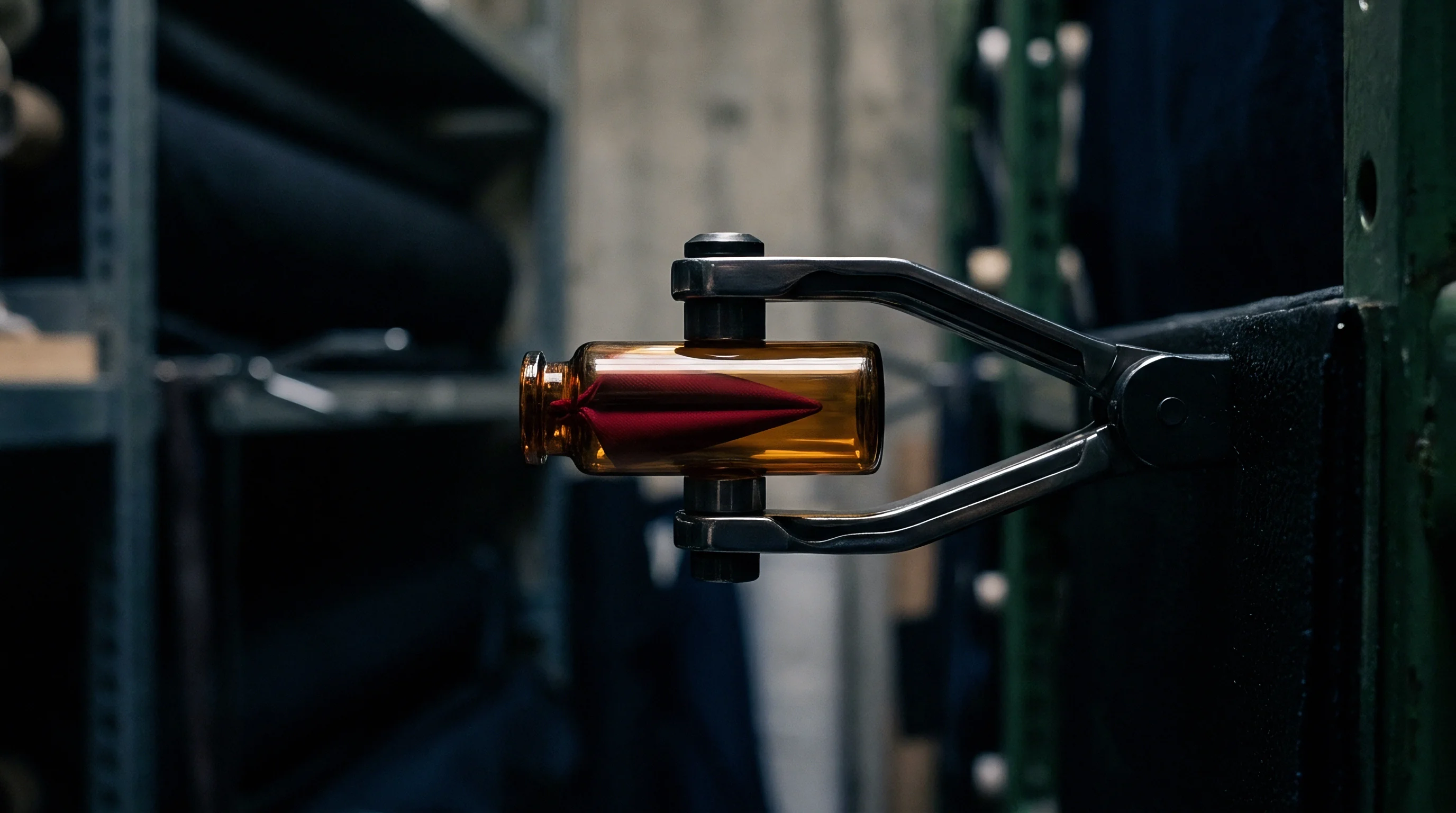
An archive split sample maintained under controlled conditions serves as the legal baseline during interlaboratory testing disputes.
A third sample stored in sealed foil prevents commercial impasses when buyer and supplier laboratory reports produce conflicting chemical counts.

Reconciliation
Commercial contracts for repeat fabric deliveries specify financial responsibilities when retest results contradict initial mill screenings. Retest results override initial screenings. Clear liability distribution prevents supply chain stalls during compliance disputes.

Cost Assignment Frameworks
Testing fees and storage expenses shift between transaction parties depending on the final z-score calculated during umpire testing. If umpire analysis confirms the original mill passing result, the buyer covers all secondary testing costs and associated port demurrage charges. When umpire testing validates the initial failure report, the supplier absorbs retest fees, port detention expenses, and scrap material liability.
Establishing numeric variance triggers in purchase agreements eliminates negotiation delays during active disputes. Contracts stipulate that delta values under 10 percent between paired split tests trigger an automated average calculation rather than an expensive third-party umpire routine.
| Initial Result | Retest Result | Delta Variance | Umpire Action | Financial Liability Holder |
|---|---|---|---|---|
| Pass (Mill) | Fail (Buyer) | Within Uncertainty | Submit Archive Split | Shared Testing Costs |
| Pass (Mill) | Fail (Buyer) | Exceeds Uncertainty | Umpire Test Decisive | Losing Party Pays All Costs |
| Fail (Mill) | Pass (Buyer) | Within Uncertainty | Accept Average Value | Buyer Pays Retest Fee |
| Fail (Mill) | Fail (Buyer) | Not Applicable | No Umpire Required | Supplier Absorbs Full Scrap |
Executing split sample retests requires complete documentation sets to validate claims across international commercial jurisdictions:
- Master Sampling Record contains signed confirmation of roll numbers, cut locations, and original swatch dimensions harvested at the mill.
- Chain of Custody Certificate details tamper-evident seal serial numbers, transit temperature logs, and laboratory receipt timestamps.
- Raw Spectrogram Data includes baseline calibration curves, chromatograms, and mass spectra outputs from both testing facilities.
- Accreditation Scope Sheets proves ISO 17025 certification and specific method competency for the disputed analyte at both laboratories.
The threshold at which minor lab instrument bias becomes legal negligence remains an unresolved dispute across international commercial courts.


Customs
Border authorities inspect incoming textile containers to enforce regional chemical safety regulations and REACH restrictions. Border holds stall port delivery. Port clearance requires seamless alignment between physical shipment contents and split sample testing dossiers.

Port Clearance Dossier Structuring
Container release depends on presenting linked split-sample test reports that match specific commercial invoice line items. Regulatory surveillance programs, such as US CPSC enforcement or EU Safety Gate monitoring, sample incoming textile goods at customs terminals. Port inspectors re-sample randomly.
Discrepancies between certified test reports and physical lot markings trigger immediate port holds, quarantine storage, or mandatory re-export orders.
Dossiers must present matching bill of lading numbers, fiber composition breakdowns under ISO 2076, and traceability records connecting bulk fabric rolls to accredited laboratory split test reports. Providing pre-cleared split test documentation with verified guardband compliance reduces customs inspection hold times from weeks to hours.
Border clearance relies on verifiable traceability links between container lot codes and accredited laboratory split test reports.
Matching mill lot codes to split test records allows port authority agents to verify container contents without destroying commercial swatches.