Hydraulic Resistance
Fluid mechanics dictates that maintaining an intentional counter-force upstream of a discharge orifice stabilizes downstream flow velocity across closed pressurized circuits. Dyeing machinery and chemical dosing systems rely on backpressure regulation to prevent liquor cavitation, suppress boiling inside high-temperature circulation loops, and deliver uniform chemical mass flow to delivery nozzles. When fabric packages undergo aqueous processing at one hundred and thirty degrees Celsius, maintaining system pressure above saturation vapor pressure prevents pump impeller stalling.
This controlled mechanical resistance ensures that liquid remains in an unyielding single phase throughout cyclic flow reversals.
Valve Mechanism
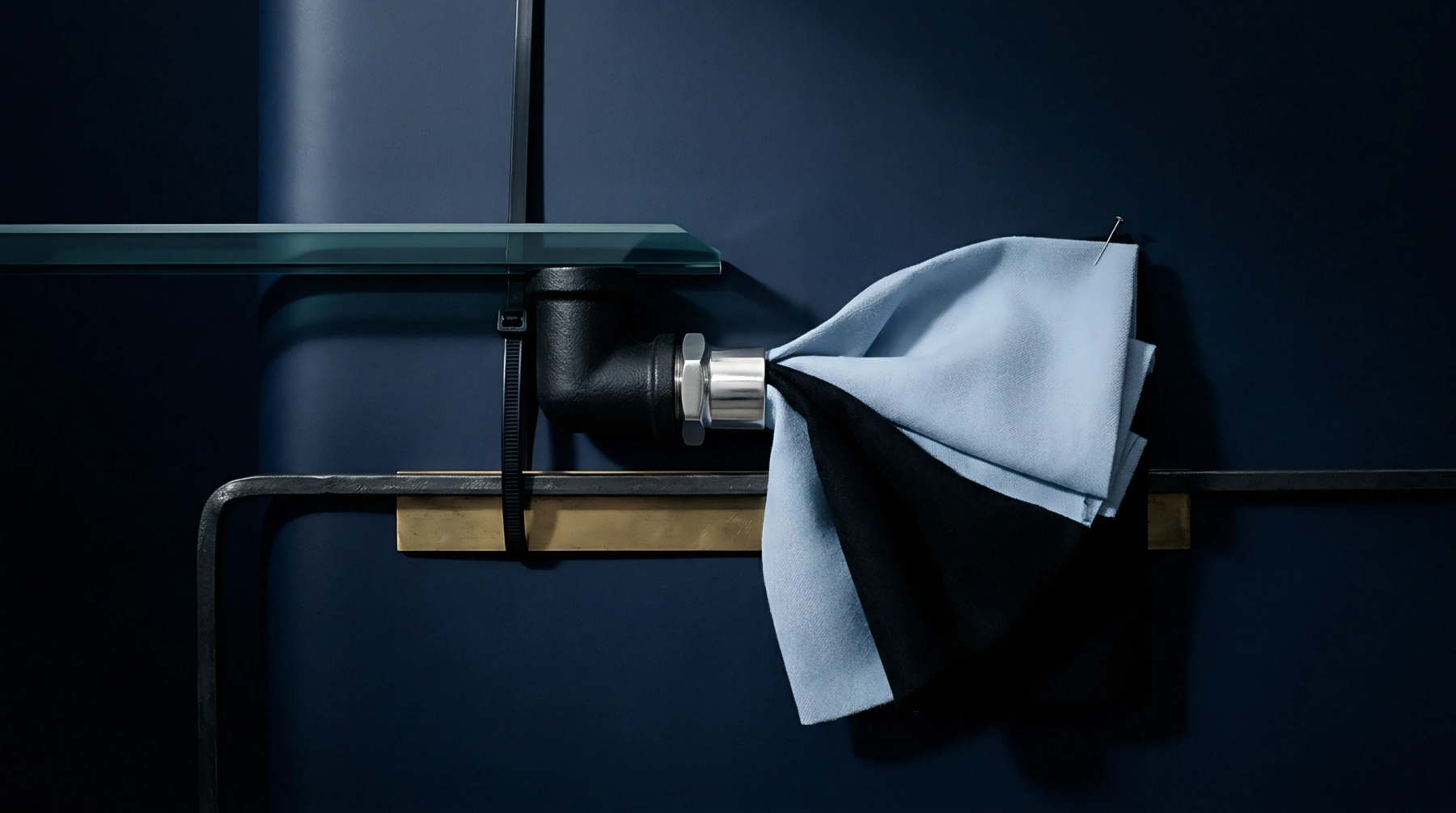
Mechanical diaphragm assemblies and spring-loaded throttling valves provide the physical resistance required to sustain upstream pressure regardless of delivery fluctuations. Within a chemical dosing line, backpressure regulation prevents liquid siphoning whenever supply vessels sit at higher elevations than the receiving dye vessel. The regulating valve stays seated until dosing pump discharge pressure exceeds preset spring tension, opening precisely enough to release liquid at the programmed rate.
Diaphragm surfaces made of fluoropolymers resist corrosive auxiliary chemistry, maintaining steady opening thresholds through millions of pump strokes.
Fluid Stabilization
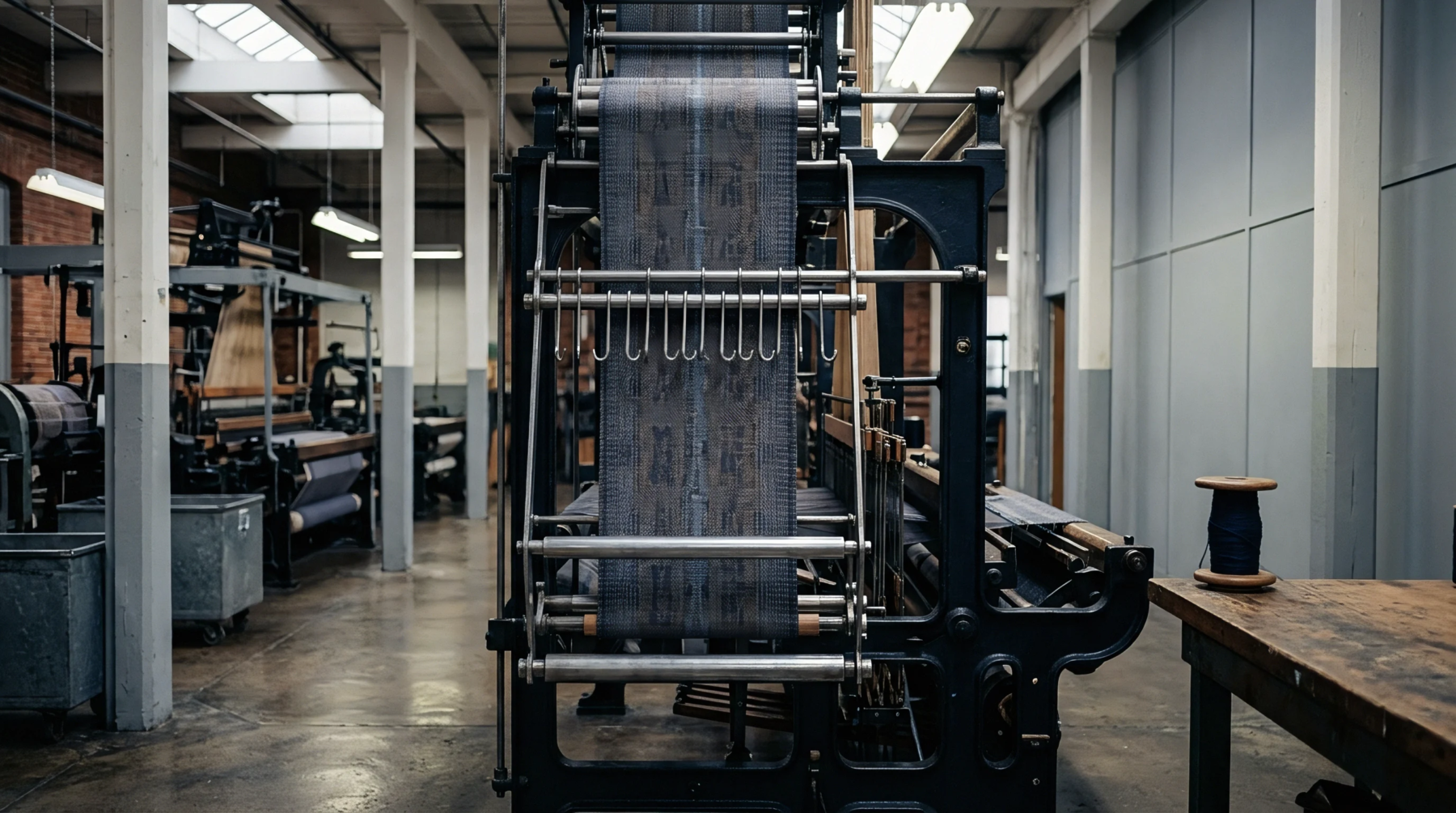
Uniform chemical delivery collapses whenever line pressures fluctuate downstream of positive displacement dosing pumps. In continuous dyeing pad ranges, backpressure regulation dampens the pulsing delivery spikes generated by reciprocating pistons, feeding dyestuff into the mixing block at a steady fluid velocity. Without this counter-force, intermittent pressure drops yield cyclic color shading along the length of running fabric yardage.
Bulk dyeing mills verify line pressure stability via upstream digital transmitters linked directly to automated dosing consoles.
Process Stability
Elevated static line pressure eliminates entrapped air pockets that otherwise distort fluid metering readouts. Differential pressure transmitters produce unstable output when micro-bubbles pass their diaphragms, introducing volume calculation errors into recipe management systems. Enforcing continuous hydraulic backpressure compresses free gases, maintaining predictable fluid density across measuring zones.
Stable upstream resistance guarantees that chemical dosing pumps operate against known head pressure, securing recipe repeatability between initial laboratory strike-offs and multi-kier dye lots.