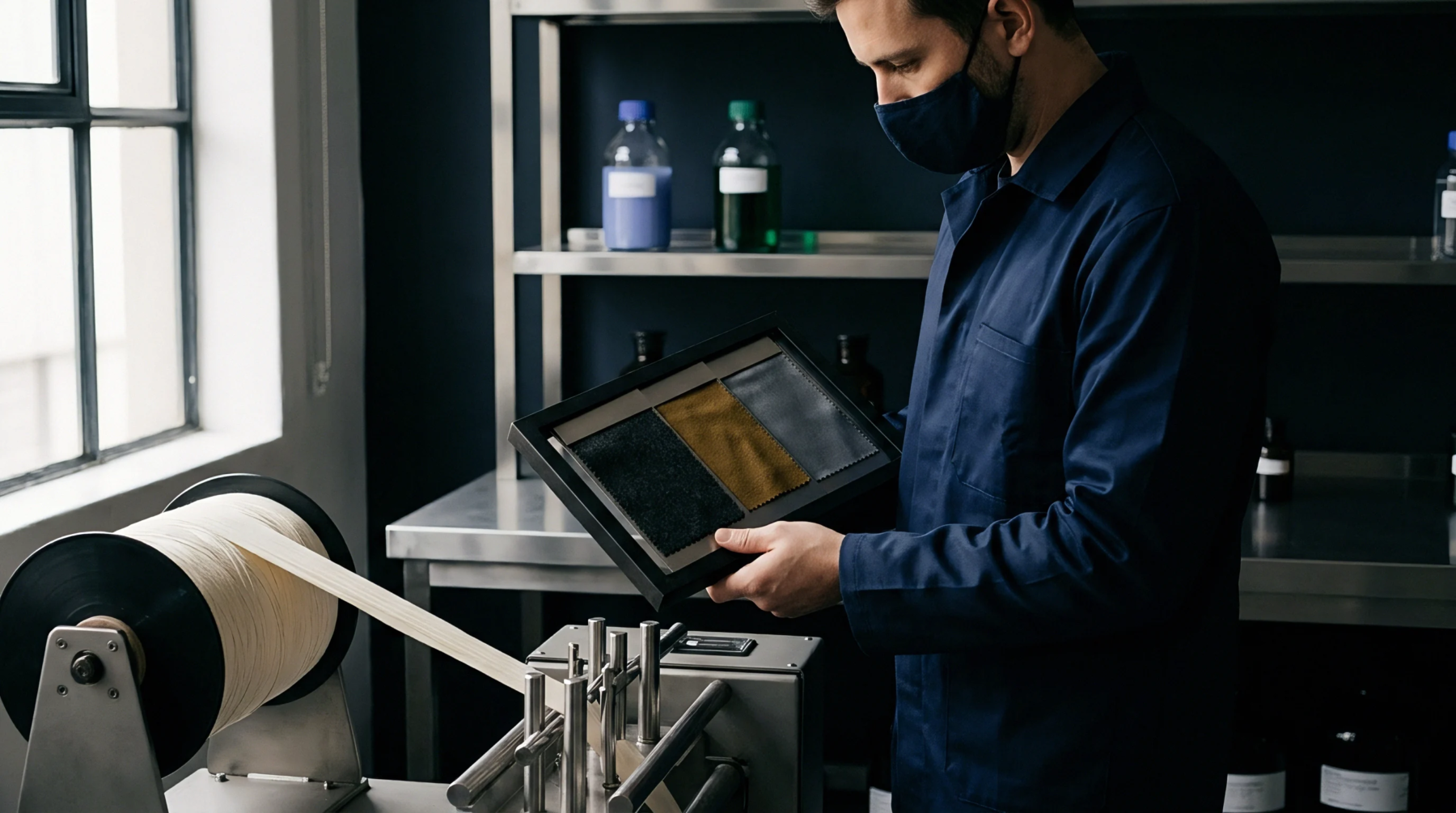
Chemical Compound
Fluorinated chemical compounds are used in technical textiles to provide resistance against water, oil, and soil. The perfluorohexane sulfonic acid belongs to a class of persistent organic pollutants known as perfluoroalkyl substances, which do not break down in the environment and can accumulate in human tissue. This specific chemical is restricted under international regulations due to its long-term health and environmental risks.
Water Repellency
Industrial mills apply chemicals to outdoor apparel fabrics to create a durable water repellent finish. Historically, perfluorohexane sulfonic acid was used or found as an impurity in these treatments, allowing rain to bead up and roll off jackets without wetting the fabric. However, because of its persistent nature, the compound rubs off the fabric over time and washes into water supplies.
Regulatory Ban
International treaties and local laws have set strict limits on the presence of this chemical in finished garments. The global ban on perfluorohexane sulfonic acid means that textile manufacturers must test their water repellent treatments to ensure that any trace amounts are below the legal limit. Brands face heavy fines and import rejections if their outdoor gear is found to contain this compound.
Safe Alternative
Transitioning to non-fluorinated finishes allows fabric mills to meet water repellency requirements without using hazardous substances. Designers are now selecting wax-based or polyurethane-based finishes that offer good rain protection without using perfluorohexane sulfonic acid or other long-chain fluorinated compounds. This shift towards safer chemistry helps clothing brands meet environmental standards while still offering high-performance outdoor jackets to their customers.