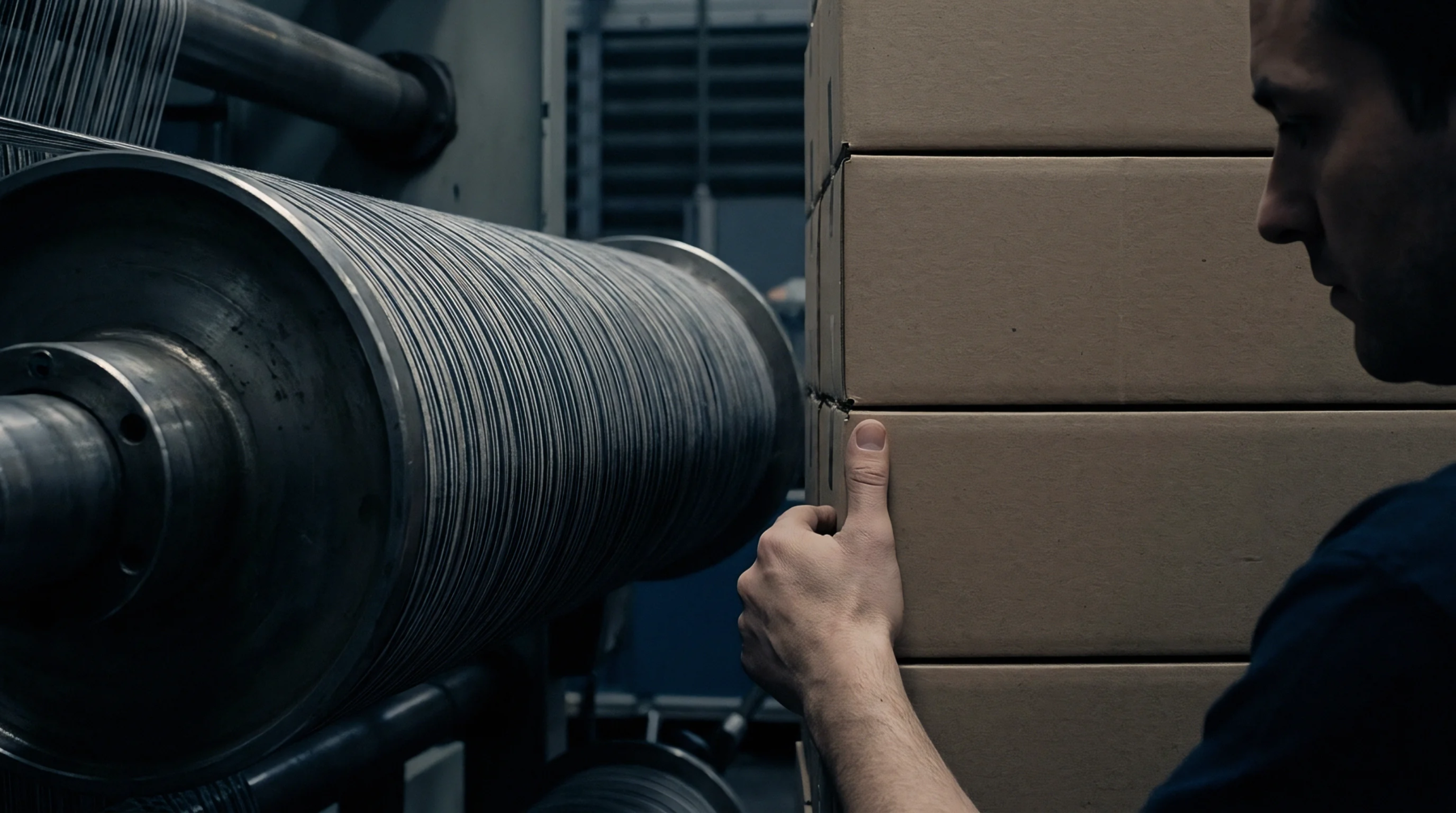
Verification Protocol
Physical storage requirements dictate the preservation of production output for future evaluation. Quality control departments use retain samples to compare subsequent batches against initial master standards. These pieces undergo periodic inspection to ensure stability in colour fastness and dimensional integrity over time.
Auditors pull these items during site visits to confirm that original production runs align with provided specifications.
Retention Duration
Manufacturers define the length of time items remain in storage based on product risk profiles and contractual obligations. Standard practice for textile goods often covers a window of one to three years to cover potential claims or product recalls. Storage environments require climate control to prevent degradation from humidity or temperature fluctuations.
Light exposure must be restricted to stop premature fading of the dyed substrate.
Laboratory Evidence
Chemical analysis and physical testing rely on these stored articles to establish baseline properties. Forensic investigation of customer complaints starts with these references to determine if failure stems from raw material defects or post-production handling. Technicians perform destructive testing on segments of the preserved inventory when a dispute involves internal construction faults or prohibited finishes.
Results from these procedures provide a data set that clarifies whether a manufacturing deviation exists.
Regulatory Compliance
Government bodies and industry associations mandate that certain categories of apparel maintain documented proof of production standards for safety validation. Documentation accompanies each stored unit to link the item to its specific mill lot and laboratory report. Such accountability prevents the substitution of inferior materials during long lead time contracts.
Systematic archival of these units provides the final objective proof of product quality within the supply chain.