Chemical Correction
Alkaline treatment adjusts the pH of aqueous effluent containing acetic acid to prevent corrosion in wastewater piping or discharge non-compliance. Acetic acid neutralization relies on the controlled addition of sodium hydroxide or calcium carbonate to raise the hydrogen ion concentration until the liquid reaches a neutral state. This reaction converts acidic components into acetate salts and water.
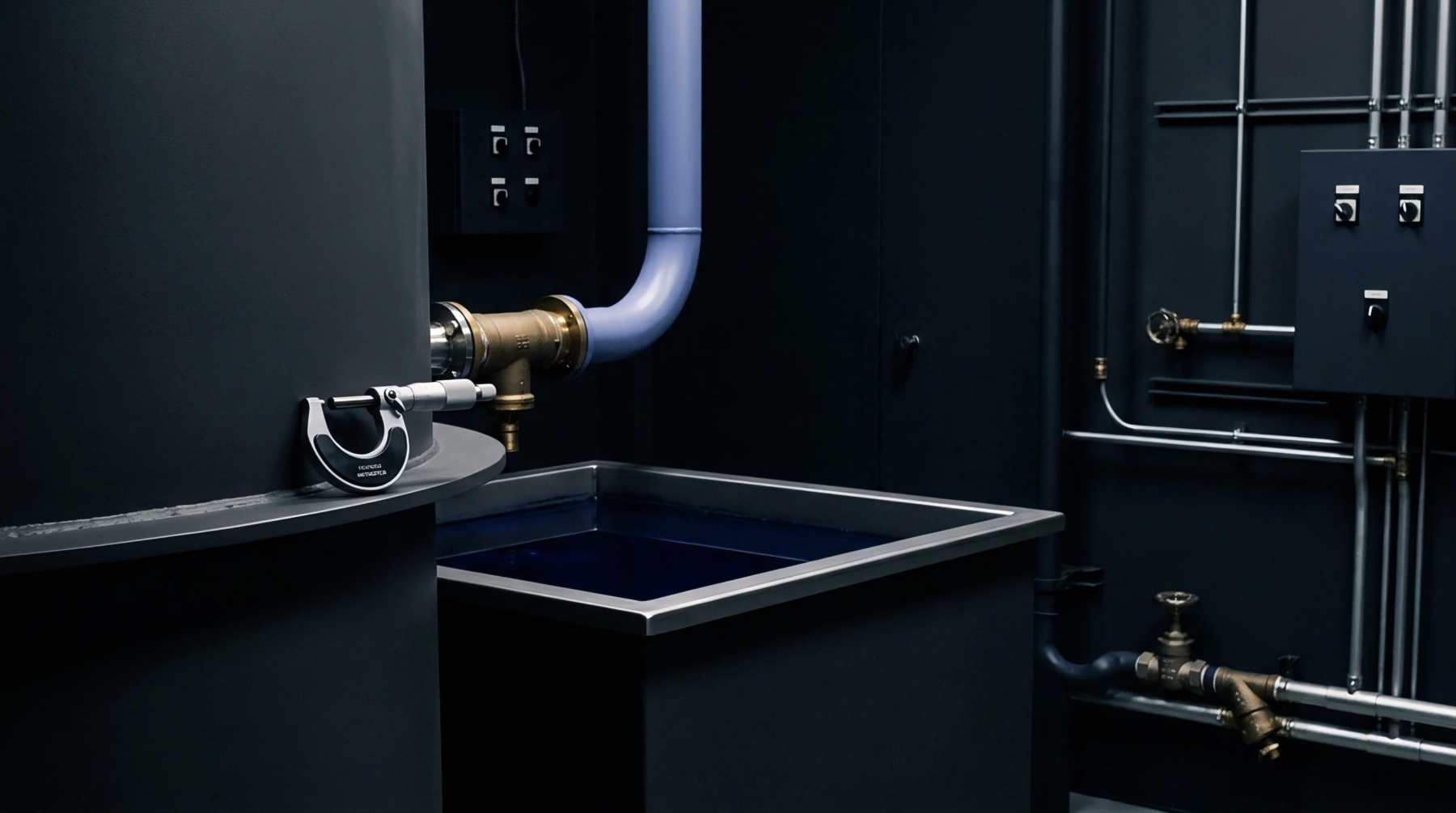
The process occurs in equalization tanks where continuous monitoring systems trigger automated dosing valves. Precise sensor feedback prevents the overshooting of set points, which would lead to an excessively alkaline stream that mandates further remediation.
Process Requirement
Fabric finishing operations often deploy this technique when discharge regulations limit the permissible acid content in industrial runoff. High concentrations of vinegar-like compounds from dyeing baths damage local ecosystems if released without treatment. Mills install automated titration units that respond to incoming flow variations.
Proportional integral derivative controllers adjust alkali injection rates based on real-time pH readings. Reliable performance depends on the steady calibration of these electronic probes.
System Efficiency
Effective management minimizes the consumption of expensive buffering reagents while ensuring consistent output quality. Optimal dosage relies on the influent concentration, which shifts depending on the specific textile processing step currently in progress. Maintaining accurate records of total reagent usage helps managers track the cost of maintaining environmental compliance.
Efficiently operated neutralization systems prevent the scale formation that occurs when hard water interacts with unbuffered acidic waste streams.
Operational Boundary
Environmental protocols define the upper and lower pH limits for wastewater discharge from manufacturing facilities. Standards specify that neutralization must reduce acidity to a neutral range before the effluent enters municipal sewage lines or natural water bodies. Equipment failure during the dosing sequence forces an immediate shutdown of the upstream production line to avoid regulatory violations.
Compliance remains the ultimate objective for any plant implementing this protocol.